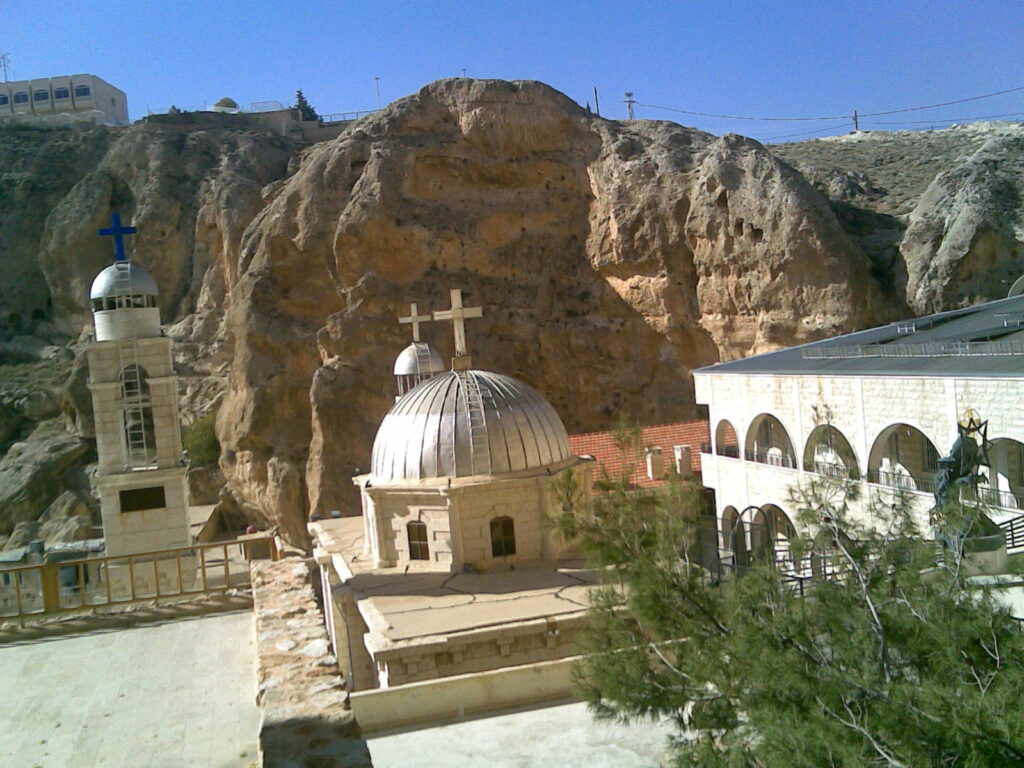
Maaloula: Where Mountains Echo with the Language of Christ: Just a short drive from Damascus lies a village unlike any other in the world — Maaloula. Carved into the cliffs of the rugged Qalamoun Mountains and suspended in time, Maaloula is a sacred destination where history, faith, and nature intertwine. Its winding paths, ancient monasteries, and the echoes of the Aramaic language make it one of the most unforgettable places to visit in Syria.
Whether you are drawn by spirituality, intrigued by ancient languages, or simply seeking mountain beauty and cultural depth, Maaloula welcomes you with an experience that touches both the heart and the imagination.
| Topic | Quick Info |
|---|---|
| Name | Maaloula / معلولا |
| Location | Qalamoun Mountains, about 56 km northeast of Damascus, Syria |
| Historical Period | Inhabited since ancient Aramaic times (over 2,000 years) |
| Language | One of the few places where Western Aramaic, the language of Christ, is still spoken |
| Religious Heritage | Home to ancient Christian monasteries — notably Saint Sergius and Bacchus and Saint Thecla |
| Architecture | Houses carved into cliffs, narrow mountain paths, stone churches, and monasteries blending into the rock |
| Cultural Significance | Symbol of Syria’s Christian heritage and coexistence of faiths |
| Current Status | Active village and pilgrimage site known for preserving language, faith, and tradition |
| Notable Events | Celebrations of Christian festivals with traditional songs in Aramaic |
| Significance | Represents the living continuity of ancient Semitic culture and early Christianity in Syria |
Historical and Religious Significance
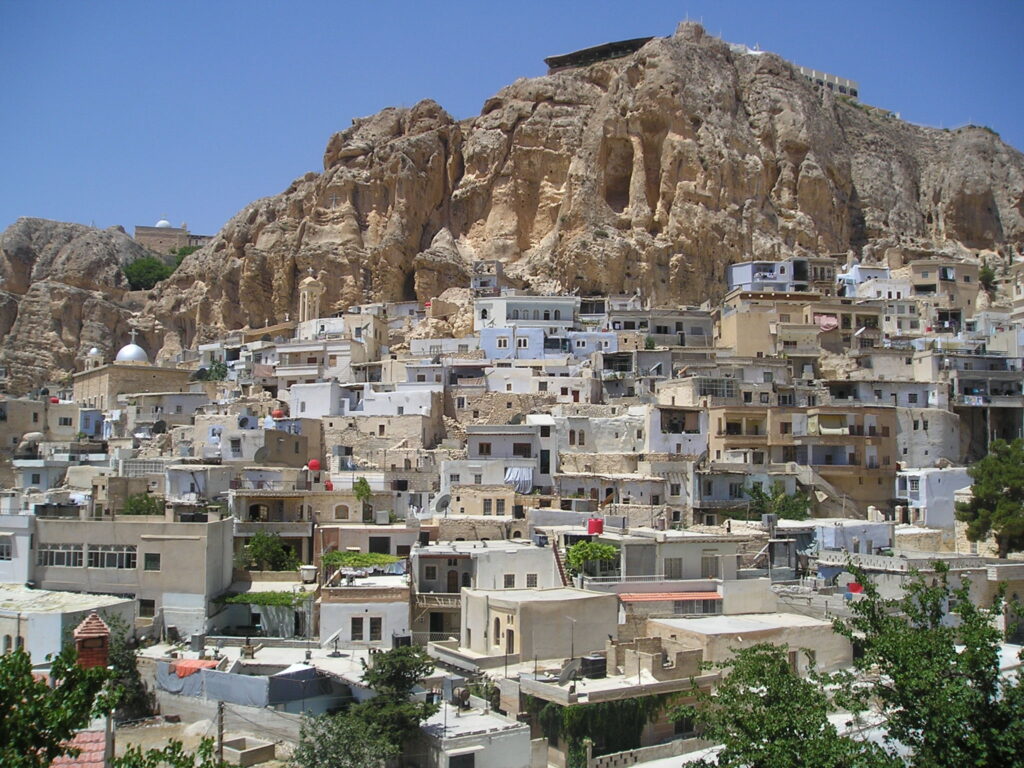
A Christian Stronghold in the Levant
Maaloula is one of the few remaining villages in the world where Western Aramaic — the language spoken by Jesus Christ — is still used in daily life and prayer. This alone makes it a site of immense linguistic and religious importance.
The town has been home to a Christian population since the earliest days of Christianity, and its residents — both Orthodox and Catholic — have preserved their faith and identity for nearly two thousand years, even amid centuries of regional change.
A Sacred Heritage Site
Maaloula’s religious buildings and cultural traditions have made it a UNESCO Tentative World Heritage Site. Its churches, shrines, and mountain trails continue to draw pilgrims, tourists, linguists, and spiritual seekers alike.
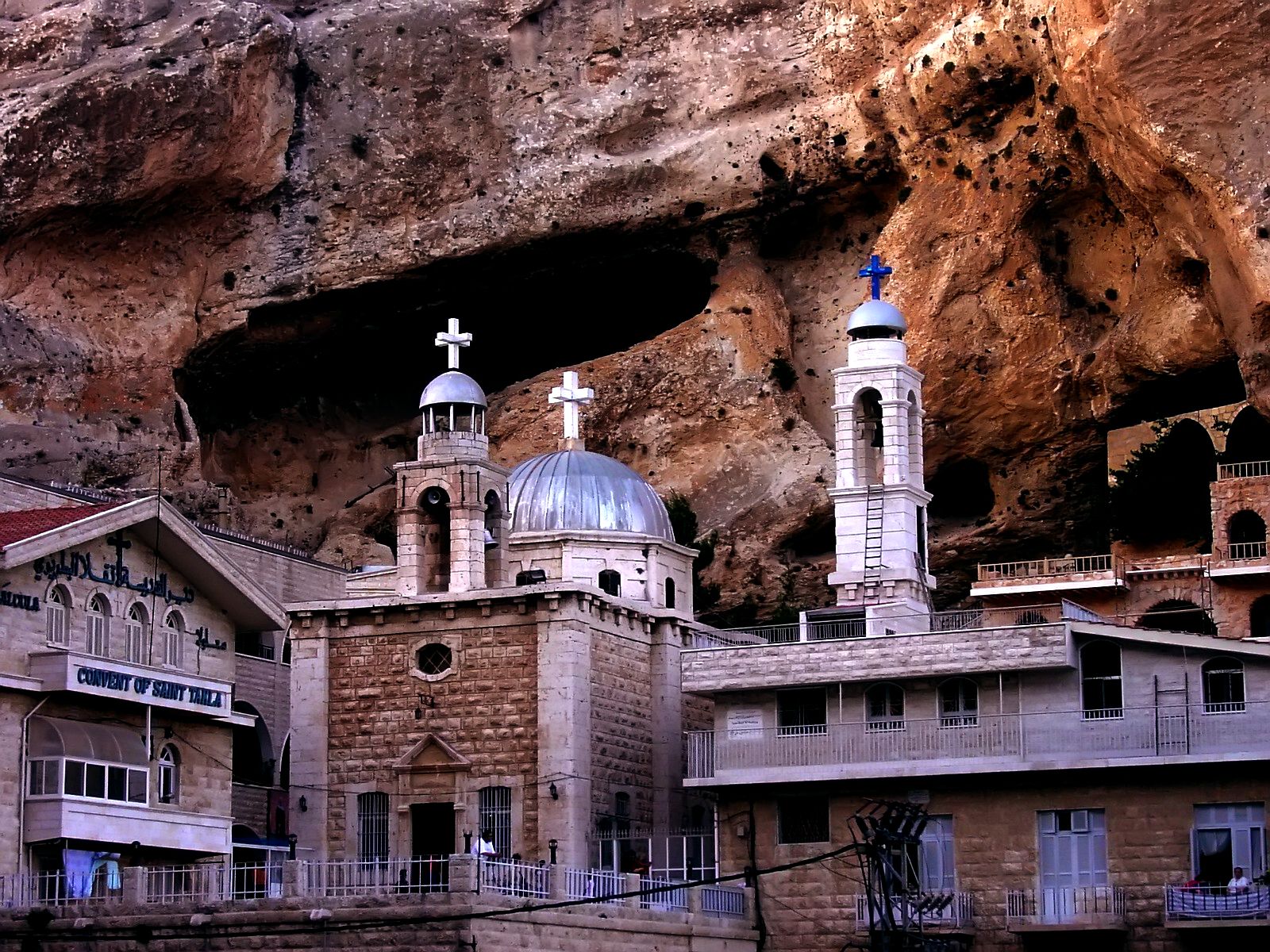
The Monastery of Saint Thecla
The Legend of Thecla
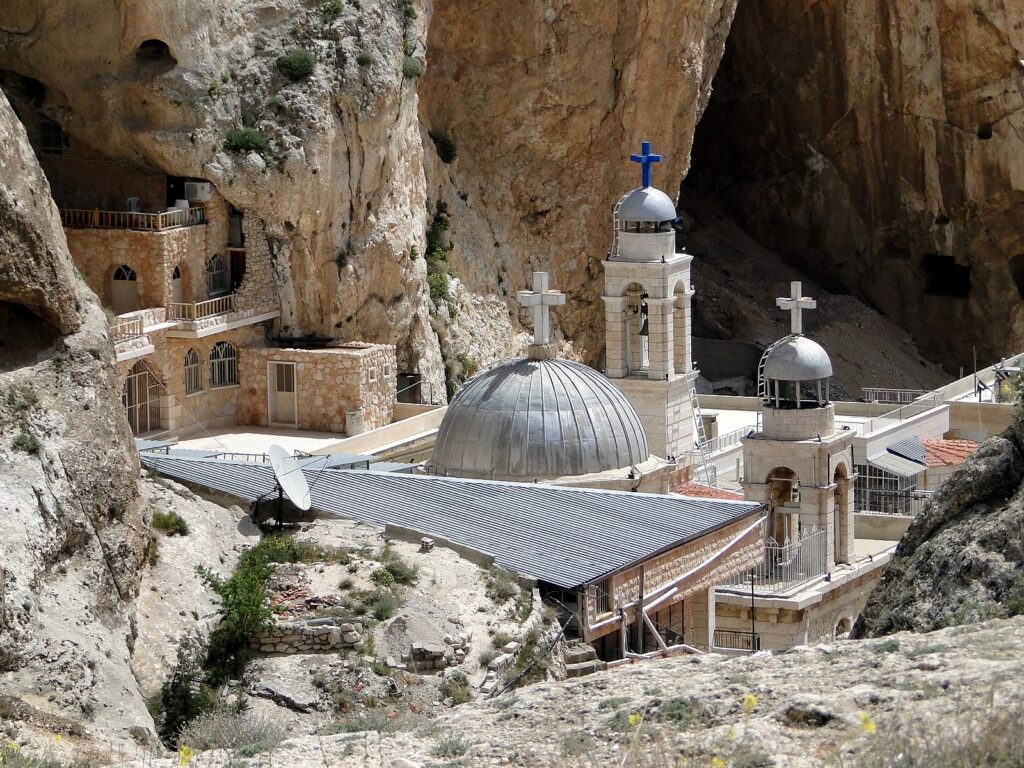
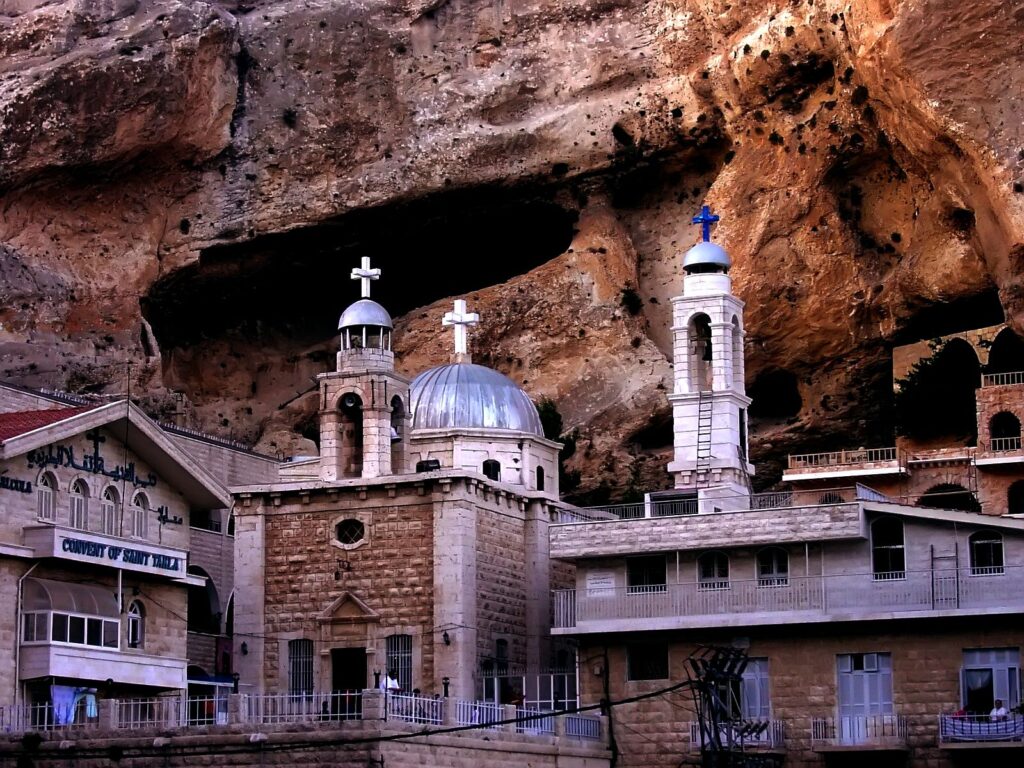
The Monastery of Saint Thecla is the most visited site in Maaloula. According to early Christian tradition, Thecla was a noblewoman from Iconium (modern-day Konya, Turkey) who became a follower of Saint Paul. She fled persecution, and as legend holds, the mountain at Maaloula miraculously split open to allow her to pass and escape — a passage now known as the Gap of Thecla or “Shaqq al-Thecla.”
Visiting the Monastery
Built on the site of her refuge, the monastery features:
- A simple chapel with a white stone altar
- A grotto that houses a tomb believed to contain Thecla’s relics
- Stunning mountain views and peaceful terraces
- A long, narrow gorge that visitors can walk through, offering both natural beauty and spiritual symbolism
The walk through the gorge is one of the highlights of the Maaloula experience. Surrounded by towering cliffs and the whispers of pilgrims, it is a reflective and scenic journey.
The Monastery of Saints Sergius and Bacchus
Ancient Byzantine Architecture
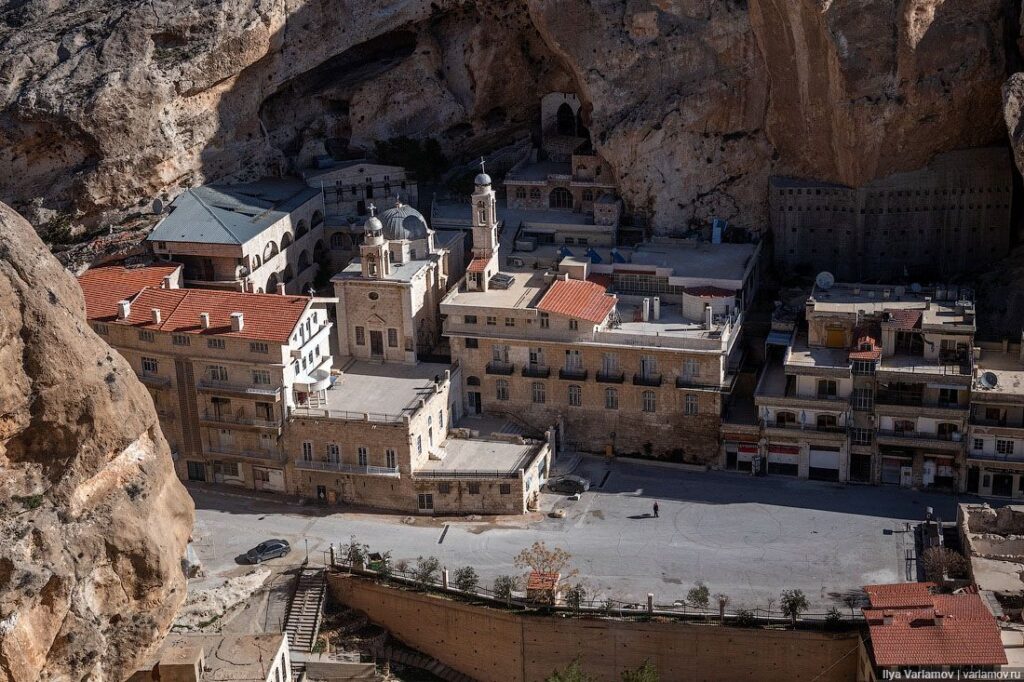
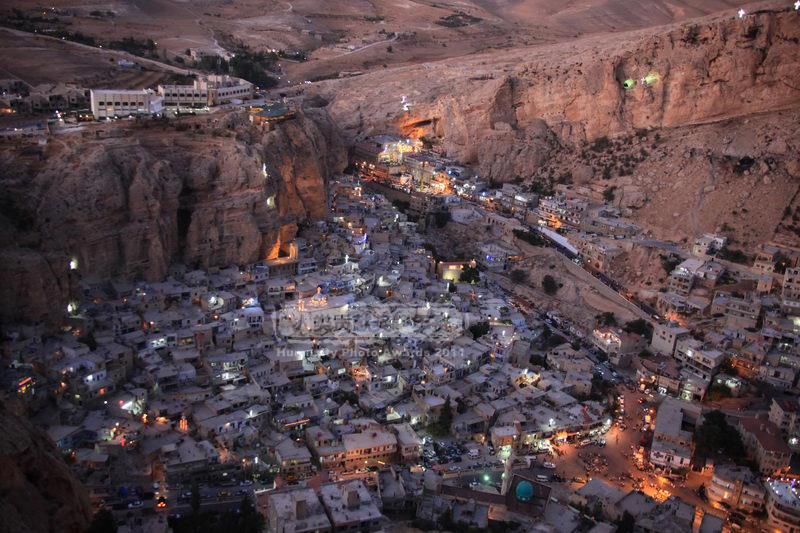
Another gem of Maaloula is the Monastery of Saints Sergius and Bacchus. This 4th-century church is one of the oldest surviving Christian structures in the Middle East, built before the Great Schism of 1054 and still in use today.
The church was carved partly into the mountainside and features:
- A stone altar with no nails — an early Christian tradition
- Ancient frescoes and Byzantine crosses
- A reverent, quiet interior lit with candles and oil lamps
The monastery is dedicated to two Roman soldiers, Sergius and Bacchus, who converted to Christianity and were later martyred. It remains a place of inspiration for those seeking strength in faith.
Aramaic: The Living Language of Jesus
Preserved Through Generations
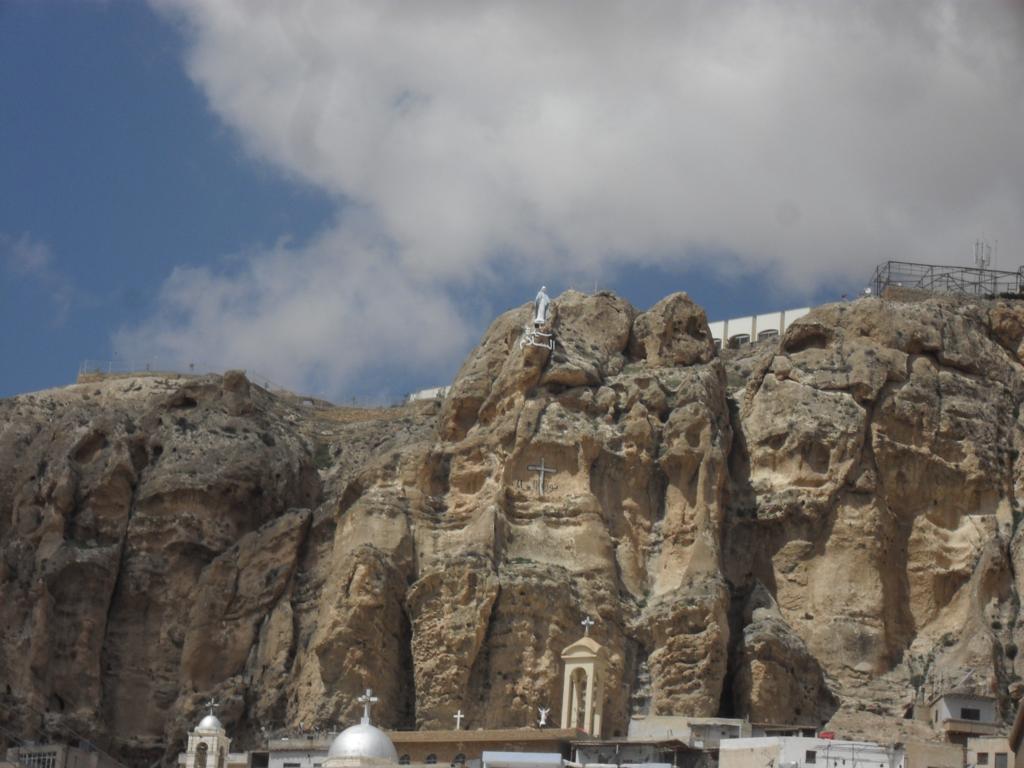
One of Maaloula’s most unique attributes is that it is one of the last places on Earth where Aramaic is still spoken as a living language. Aramaic was once the lingua franca of the ancient Near East and was widely used in biblical times.
In Maaloula, some older residents and clergy continue to recite prayers and liturgy in Aramaic, while efforts are underway to teach the language to younger generations through local schools and cultural programs.
Visitors may be able to hear the Lord’s Prayer or Hail Mary in Aramaic, especially if they attend a religious service or speak with a local guide.
Cultural Significance
For language enthusiasts, historians, and spiritual travelers, hearing Aramaic in Maaloula is a moving experience — a direct auditory connection to the era of Christ and the earliest followers of the Christian faith.
Traditional Village Life
Architecture and Streets
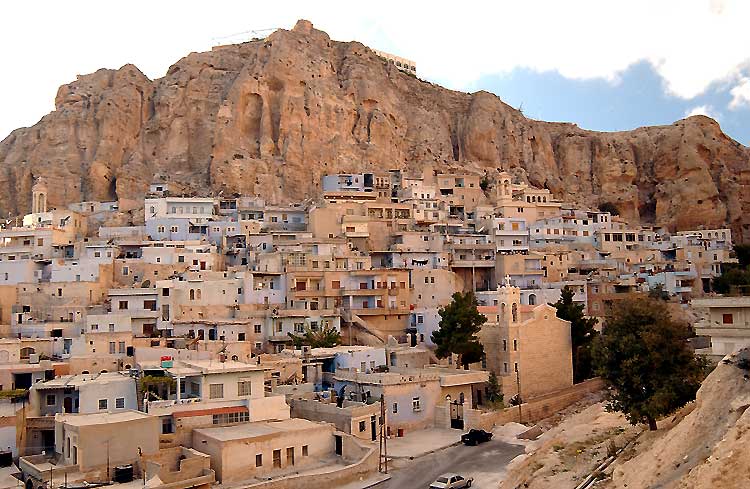
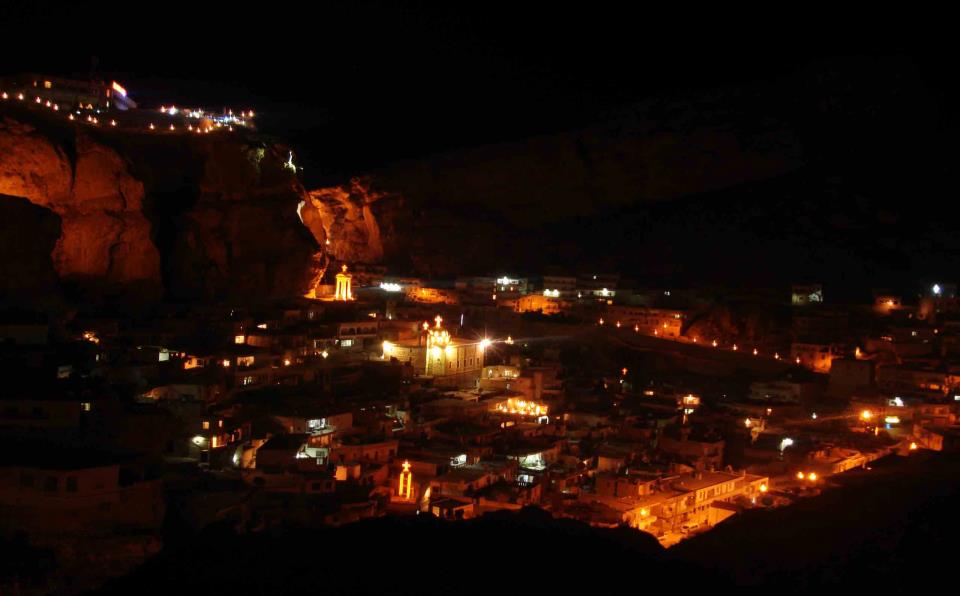
Maaloula’s homes are built in a stepped fashion into the hillsides, using pale limestone that reflects the mountain sun. Narrow alleys and stairways wind between the houses, and walking through the village feels like entering a forgotten world.
The simplicity of daily life, the occasional donkey on the path, the aroma of home-baked bread, and the distant sound of church bells all contribute to a deeply atmospheric setting.
Local Food and Hospitality
While facilities are modest, visitors can enjoy home-style Syrian meals, particularly during holidays or religious festivals. Local restaurants and monasteries sometimes offer:
- Mana’eesh topped with thyme, cheese, or meat
- Fresh labneh, olives, and pickled vegetables
- Herbal teas made with wild mountain thyme
- Simple but delicious vegetarian meals
Hospitality in Maaloula is heartfelt, and it is not uncommon to be invited into a local home or offered coffee by residents, especially if you show interest in the culture or speak a few words of Arabic.
Location and Accessibility
Where It Is
Maaloula is located about 56 kilometers (35 miles) northeast of Damascus, situated at an altitude of approximately 1,500 meters (4,900 feet) above sea level. It sits nestled in a natural amphitheater of limestone cliffs and gorges, giving the village its iconic tiered layout and dramatic scenery.
How to Get There
From Damascus, Maaloula can be reached in under an hour by private car or taxi. Many visitors choose to combine a trip to Maaloula with nearby destinations such as Seidnaya or Deir Mar Musa for a full-day spiritual and historical circuit.
Transportation options include:
- Private driver or taxi (recommended for comfort and timing flexibility)
- Group or private guided tours
- Minibuses from Damascus to the town of Al-Qutayfah or Al-Nabk, with onward connections
Best Time to Visit
Seasons and Weather
- Spring (March to May): Greenery, wildflowers, and perfect temperatures
- Autumn (September to November): Cool and golden, ideal for walking
- Winter (December to February): Cold, sometimes snowy, but atmospheric
- Summer (June to August): Hot and dry, but still pleasant in the early morning or late afternoon
The climate in Maaloula is cooler than Damascus due to its elevation, so bring a jacket even in spring and fall.
Religious Festivals
One of the best times to visit Maaloula is during September 22–24, when the Feast of Saint Thecla is celebrated. Pilgrims and locals gather for processions, mass, music, and shared meals.
Travel Tips
- Modest clothing is recommended, especially when visiting churches or religious sites
- Comfortable shoes are essential for walking the steep paths and gorge
- Photography is generally allowed but avoid using flash inside sanctuaries
- Visit early in the day to avoid crowds and heat
- Ask your driver or guide to take you to Shaqq al-Thecla, the mountain gorge walk
See Also: Diospolis (Saydnaya)
A Journey into Sacred Time
Maaloula is more than a place — it is a bridge to the sacred, the ancient, and the enduring. It is one of those rare destinations where faith, culture, history, and nature exist in quiet harmony.
For Christians, it is a spiritual pilgrimage. For historians, a walk into antiquity. For travelers, an unforgettable stop near Damascus that will linger in memory long after the journey ends.
A visit to Maaloula is a reminder that despite centuries of change, there are still places in the world where time slows, prayers echo in stone, and the language of Christ lives on.
Finally.. If you have any questions, please contact us. To explore further, visit our website gallery for rare images and cultural highlights.
Sources & References:
UNESCO – World Heritage Centre: https://whc.unesco.org
Archnet – Architecture & Heritage Database: https://www.archnet.org
World History Encyclopedia: https://www.worldhistory.org
Syrian Heritage Archive Project: https://syrian-heritage.org
Global Encyclopedia: Wikipedia