Maktab Anbar : A Hidden Cultural Gem in Old Damascus: Behind the unassuming walls of the Old City of Damascus lies Maktab Anbar, one of the city’s most unique and atmospheric heritage buildings. This 19th-century mansion turned cultural center captures the elegance of traditional Damascene architecture and the social life of a bygone era.
Maktab Anbar is not as widely known as Azem Palace or the Umayyad Mosque, but those who discover it are often struck by its quiet beauty and historical importance. A visit here offers insight into Damascus’s Jewish heritage, educational history, and architectural refinement — all within a peaceful courtyard space just minutes away from major tourist routes.
Maktab Anbar | Quick Info
| Topic | Quick Info |
|---|---|
| Name | Maktab Anbar / مكتب عنبر |
| Location | Old City of Damascus, Syria |
| Built | 19th century (mid-1800s, Ottoman period) |
| Builder / Patron | Constructed by Anbar family, prominent Jewish merchants of Damascus |
| Original Function | Private residential mansion and later an educational institution |
| Later / Current Use | Restored and transformed into a cultural center and museum showcasing Damascene art and architecture |
| Architectural Highlights | Traditional Damascene courtyard house with mosaic fountains, wooden ceilings, marble details, and ornate rooms |
| Cultural Significance | Reflects Jewish heritage, Ottoman-era lifestyle, and the architectural identity of Old Damascus |
| Current Status | Open to visitors as a heritage and cultural venue managed by the Syrian Ministry of Culture |
| Notable Feature | Peaceful courtyard and elegant interiors offering a glimpse into 19th-century Damascus life |
Historical Background

From Merchant’s House to School and Beyond
Maktab Anbar, meaning “Anbar’s School,” was originally the private residence of a wealthy Jewish merchant named Mr. Anbar in the mid-1800s. The house was an architectural masterpiece of its time, reflecting both the wealth and refined taste of its owner.
After Anbar’s death, the building was sold and converted into a prestigious school, known officially as Maktab Anbar, which educated many future leaders, intellectuals, and writers of Syria in the early 20th century.
In the latter half of the century, the building underwent restoration and was transformed into a cultural center and museum, preserving its historical integrity while serving as a vibrant space for arts and education.
Location and Access


Maktab Anbar is located in the Jewish Quarter of Old Damascus, near the Roman Arch and a short walk from the Straight Street and Umayyad Mosque. The surrounding area is filled with narrow alleyways, antique shops, and artisan workshops, giving visitors a true taste of historic Damascus.
Opening hours: Usually 9:00 am to 4:00 pm
Admission: Minimal entry fee, sometimes free during cultural events
Best time to visit: Late morning or early afternoon for natural lighting in the courtyard
Architectural Features
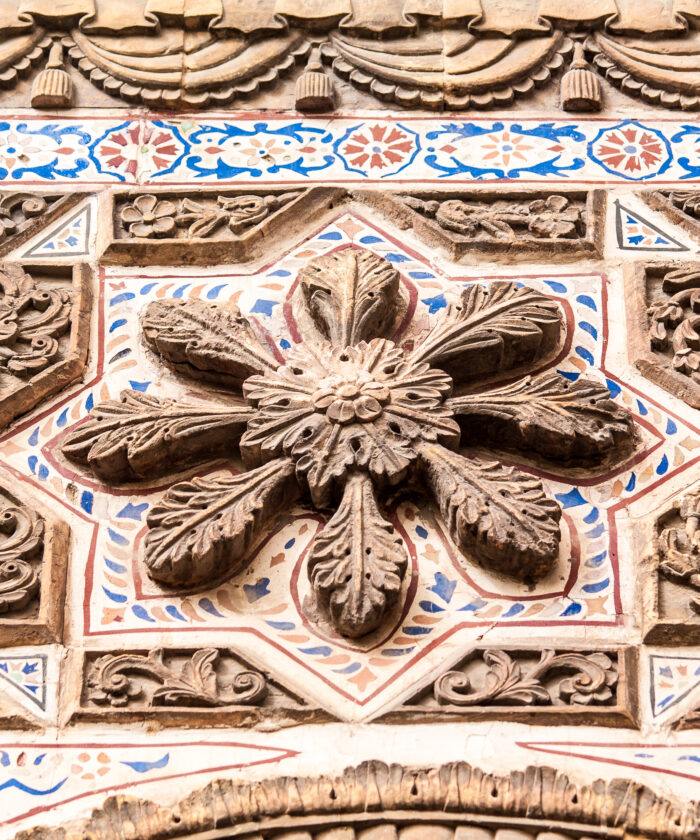
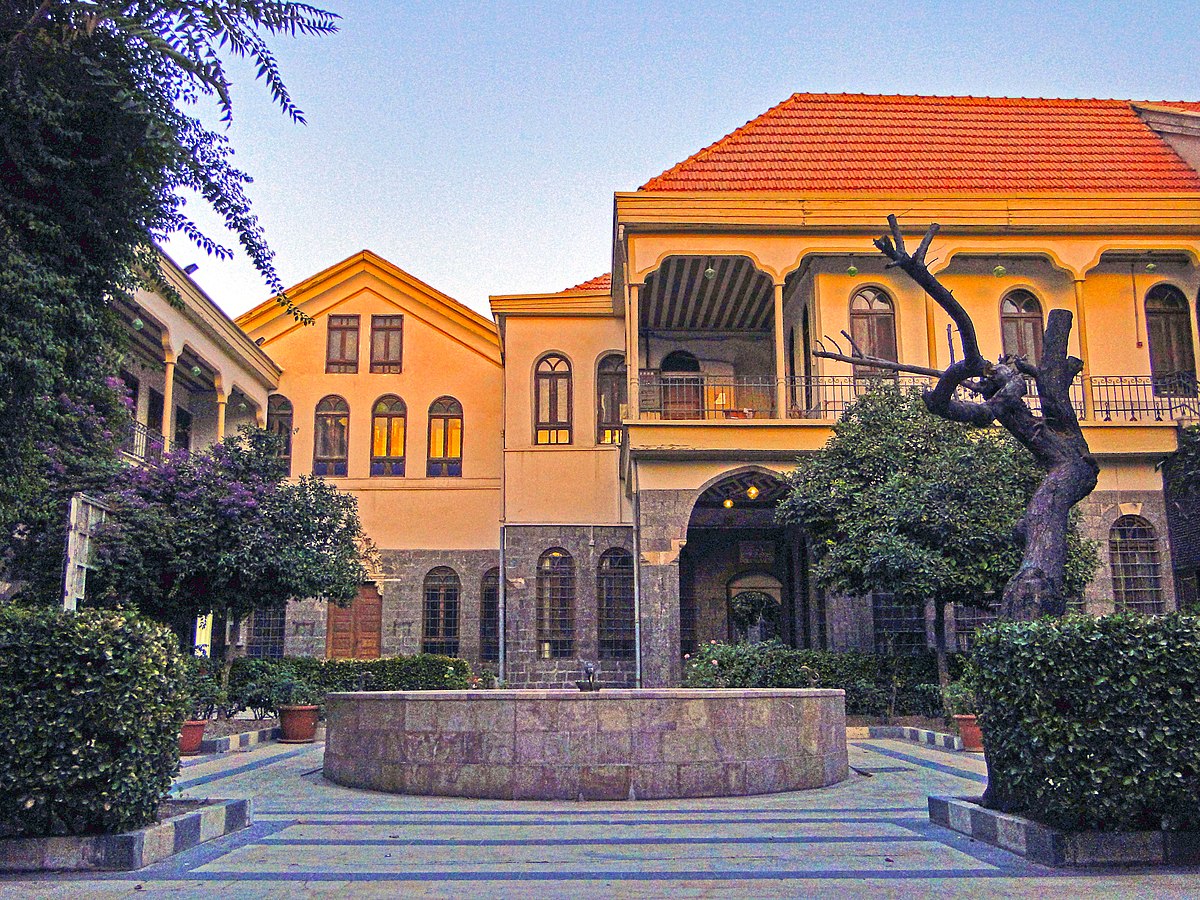
Maktab Anbar is an excellent example of 19th-century Damascene residential architecture, with all the features that made such homes comfortable, private, and aesthetically rich.
Three Courtyards, Three Functions
The mansion is built around three main courtyards, each with its own purpose and character.
The Main Reception Courtyard
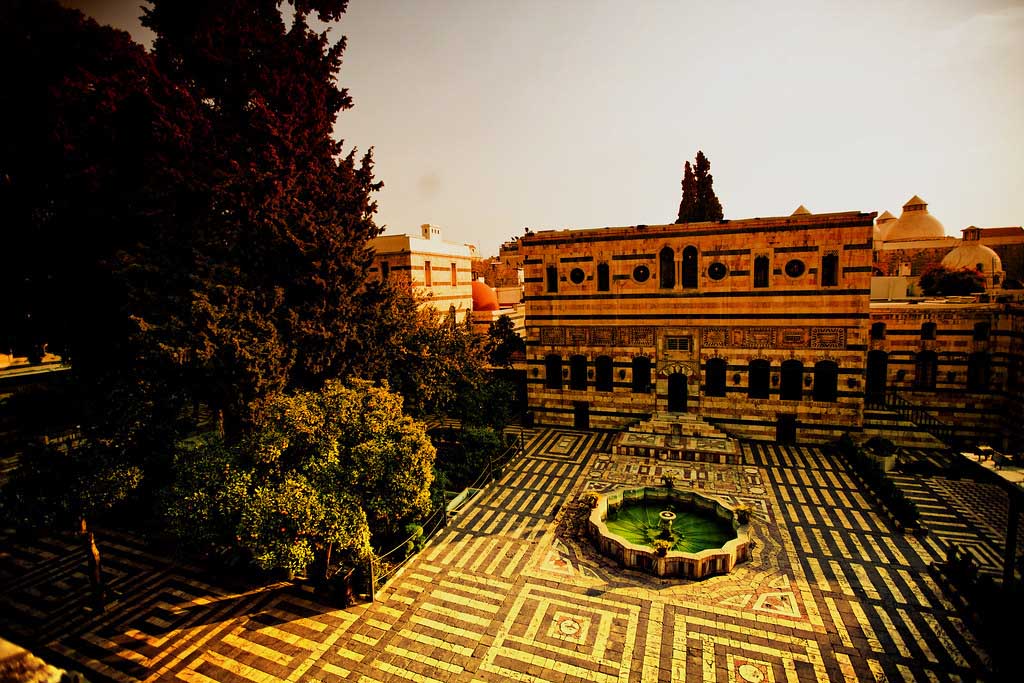
The first and most grand courtyard was used to receive guests. It is paved with black and white stone in geometric patterns and features a central fountain, flowering plants, and access to the main reception rooms. Tall arches and stone columns create a majestic, yet inviting atmosphere.
The Private Family Courtyard
This more intimate courtyard was reserved for the family’s daily life. Smaller and simpler than the reception courtyard, it features rooms with painted wooden ceilings, stained glass windows, and access to the upper living quarters.
The Service Courtyard
This area was used by household staff and includes kitchens, storage rooms, and utility spaces. Though plainer in decoration, it still reflects thoughtful planning in separating service functions from the family’s private areas.
Interiors and Decorative Elements


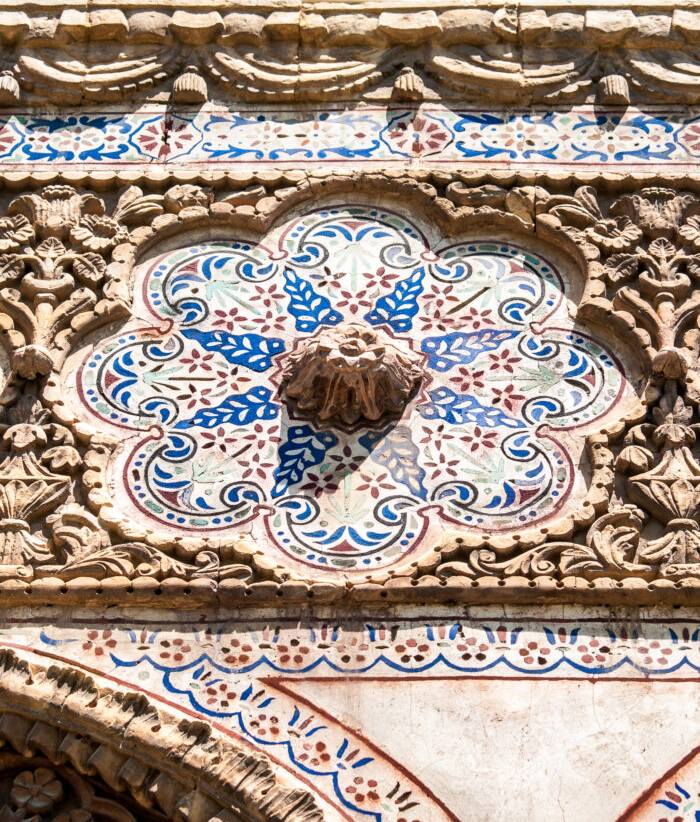
Visitors can walk through rooms with carved wooden ceilings, mosaic floors, and intricate plasterwork. The walls often display framed Arabic calligraphy or traditional Damascene patterns. Each element tells a story of cultural identity, craftsmanship, and pride in home design.
One highlight is the qā‘a — a large domed reception hall that was once used for receiving important guests. The room’s raised seating area, skylight, and ornate decoration show the blend of hospitality and artistry central to Syrian architecture.
Educational Legacy
As a school, Maktab Anbar played a crucial role in shaping Syria’s modern intellectual and political elite. Many of its graduates became influential figures in Syrian literature, education, and government during the early 20th century.
The school was known for its academic rigor, diverse curriculum, and progressive teaching philosophy, making it a beacon of enlightenment during a pivotal time in Syrian history.
Today, parts of the former classrooms have been restored and converted into exhibition halls and galleries, some showcasing photos and records of the school’s alumni and its cultural impact.
Cultural Center and Museum


Maktab Anbar functions today as a cultural center and museum, occasionally hosting temporary art exhibitions, poetry readings, craft workshops, and concerts. This continuing cultural function makes it a living museum — not just a preserved relic of the past.
Permanent Exhibits
Visitors can see:
- Traditional Damascene clothing
- Household items such as copperware, glass, and textiles
- Historical documents and photographs
- Rooms reconstructed to reflect 19th-century lifestyles
Event Spaces
Several rooms in Maktab Anbar are used for art exhibits, local artisan showcases, and educational seminars. These events often feature Syrian artists, photographers, and cultural historians.
Check local listings or ask the staff at the entrance to see if there are events during your visit. Many are free or modestly priced, and they offer a richer experience than a simple self-guided tour.
What to Expect During Your Visit
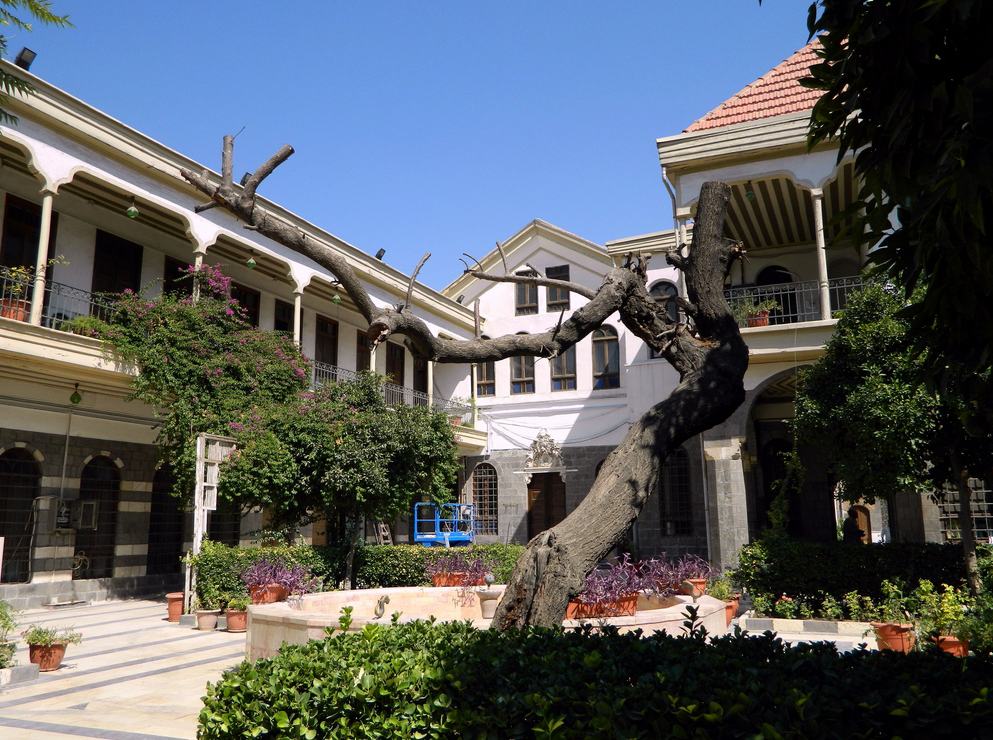
Maktab Anbar is less crowded than many major sites, making it an excellent spot for travelers seeking a quieter, more reflective experience. The peaceful courtyards, soft sounds of the fountain, and the scent of jasmine or citrus in the air all contribute to a serene atmosphere.
Allow 45 minutes to an hour to explore the courtyards, museum rooms, and exhibits. Guided tours may be available upon request or through a local travel agency.
Photography is permitted, and the natural lighting in the courtyards makes for beautiful photos of arches, windows, and traditional designs.
Practical Tips
- Dress comfortably but modestly, especially if attending an event
- Ask about events at the entrance — exhibitions and performances can enhance your visit
- Visit in daylight hours for the best visual experience, particularly for photography
- Combine your visit with nearby attractions such as the Jewish Quarter, Roman Arch, or Straight Street
Cultural Significance

Maktab Anbar is more than a historical house — it is a symbol of Damascus’s multicultural past and intellectual renaissance. It reflects the presence and contribution of the Jewish community to the city’s commercial and cultural life, and later its role in modern Syrian education.
The building’s preservation and continued use reflect a broader effort to celebrate Syria’s cultural diversity and heritage, even in the face of modern challenges.
Nearby Attractions
Maktab Anbar’s central location makes it a perfect stop on a walking tour of the Old City. Nearby sites include:
- Straight Street (Via Recta) – An ancient Roman road still in use
- Bab Sharqi (East Gate) – A stunning Roman gate
- Chapel of Saint Ananias – A 1st-century Christian site
- Souq al-Buzuriyah – A spice market rich with sensory delights
See Also: Azem Palace
Final Thoughts
Maktab Anbar is a must-visit destination for travelers interested in history, architecture, education, and culture. Unlike more monumental buildings, it offers an intimate look at the way people lived, studied, and created culture in Damascus over the last two centuries.
Its blend of Jewish heritage, Ottoman architecture, and modern Syrian cultural life makes it one of the most meaningful and memorable stops in the city.
Quiet, beautiful, and filled with stories — Maktab Anbar invites visitors not just to observe the past, but to feel it.
Finally.. If you have any questions, please contact us. To explore further, visit our website gallery for rare images and cultural highlights.
Sources & References:
UNESCO – World Heritage Centre: https://whc.unesco.org
Archnet – Architecture & Heritage Database: https://www.archnet.org
World History Encyclopedia: https://www.worldhistory.org
Syrian Heritage Archive Project: https://syrian-heritage.org
Global Encyclopedia: Wikipedia