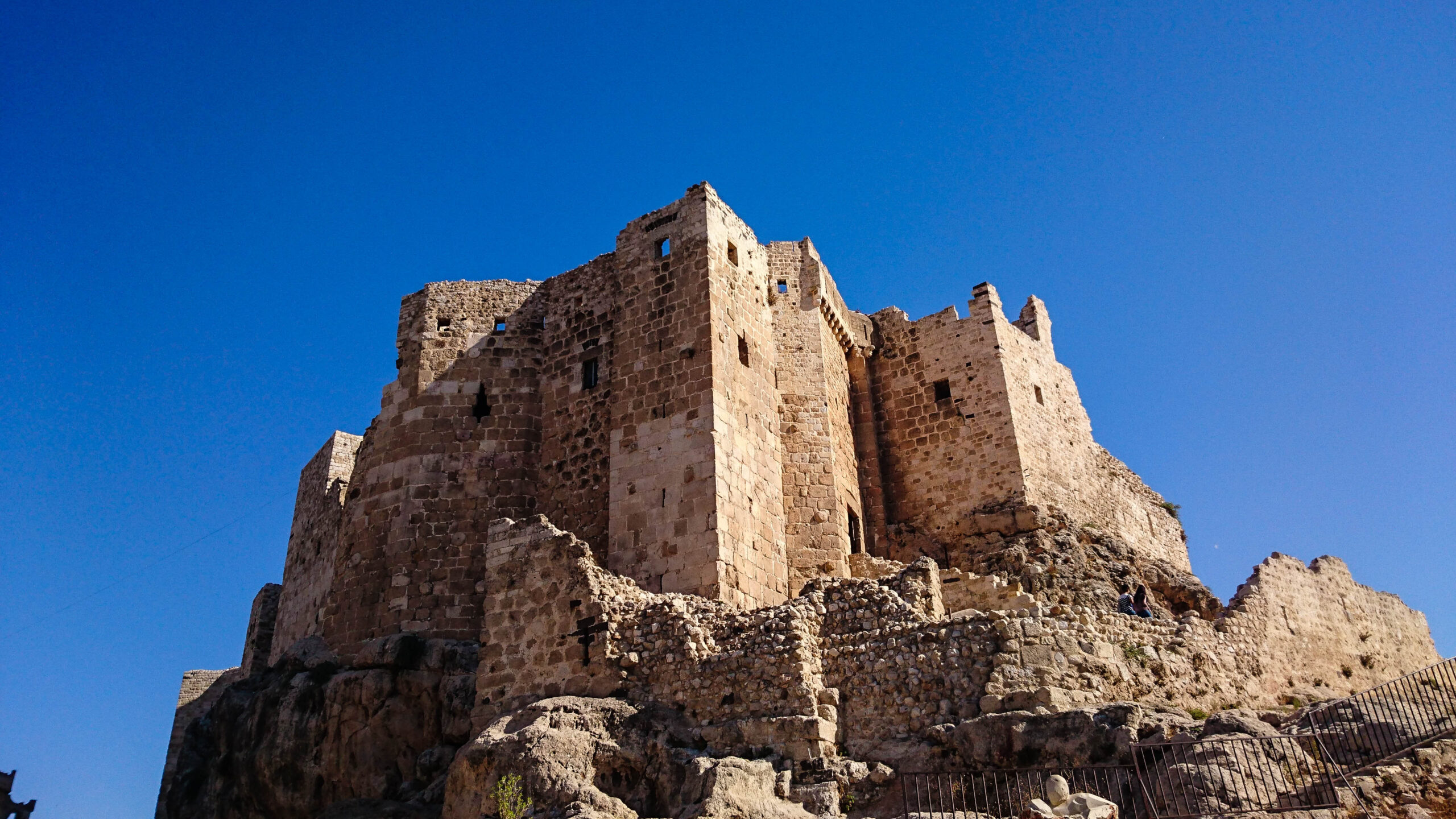
Masyaf Castle, the timeless stronghold of the Assassins, rises proudly on a hill overlooking the city of Masyaf in western Hama Governorate. This medieval fortress is one of the most iconic landmarks in Syria, blending military genius with centuries of legend. Once the headquarters of the Nizari Ismaili sect, often called the Assassins in the West, Masyaf Castle stands as a symbol of power, secrecy, and architectural mastery. For travelers drawn to dramatic landscapes, ancient intrigue, and stone walls that whisper history, Masyaf Castle offers an unforgettable journey into the heart of medieval Syria.
Masyaf Castle | Quick Info
| Topic | Quick Info |
|---|---|
| Name | Masyaf Castle / قلعة مصياف |
| Location | City of Masyaf, western Hama Governorate, Syria |
| Historical Period | Originally built in the 11th century CE, expanded during the 12th–13th centuries |
| Builders / Occupants | Initially a Byzantine fort, later headquarters of the Nizari Ismaili (Assassins) |
| Function | Strategic mountain fortress controlling routes between Homs and the coastal region |
| Architectural Features | High stone walls, watchtowers, inner courtyards, and panoramic views of the Orontes Valley |
| Historical Significance | Served as the center of Ismaili power in medieval Syria; linked to Hassan-i Sabbah’s network of fortresses |
| Restoration | Restored in modern times and preserved as a key heritage and tourist site |
| Current Status | Open to visitors; a popular historical and cultural landmark in western Syria |
| Significance | Symbol of medieval fortification and the mysterious legacy of the Assassins in Syrian history |
A Fortress Shaped by Centuries of Conflict
Masyaf Castle has a long and complex history that stretches back to pre-Islamic times. Archaeological evidence suggests the site may have first been occupied by the Romans or even earlier civilizations. However, the fortress as we know it began to take shape during the Crusader and Islamic medieval periods, particularly in the 12th century.
In the 1140s, Masyaf Castle was captured by the Nizari Ismailis, who transformed it into a central stronghold within their growing network of mountain fortresses across Syria. Under the leadership of Rashid al-Din Sinan, famously known as the “Old Man of the Mountain,” the castle became both a residence and a command post for defense, diplomacy, and psychological warfare. Today, Masyaf Castle stands as a powerful reminder of this fascinating chapter in Middle Eastern history.
Strategic Location and Design
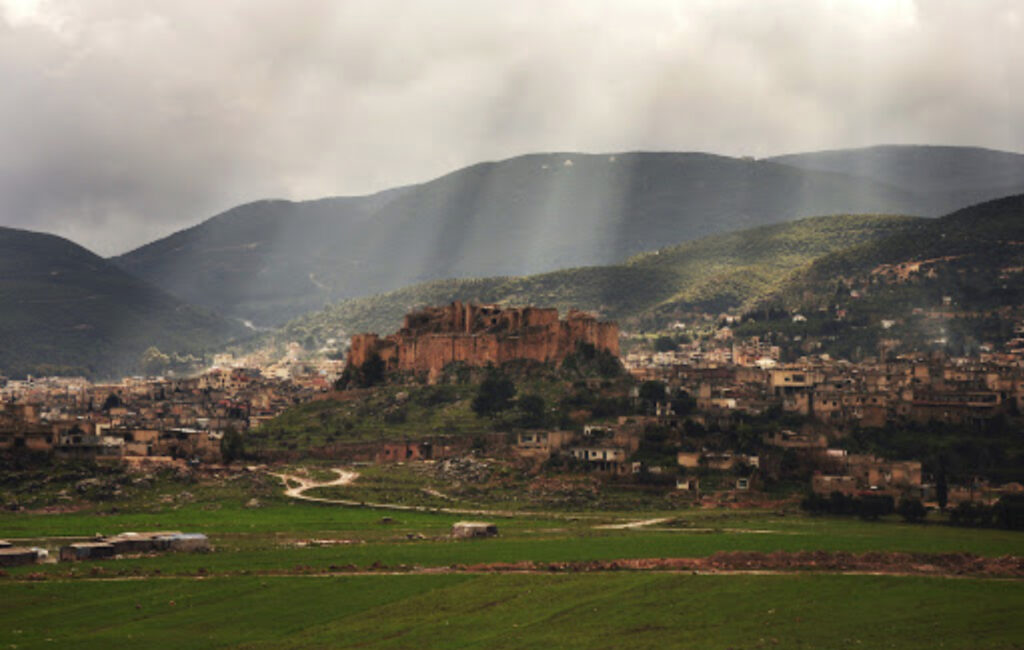
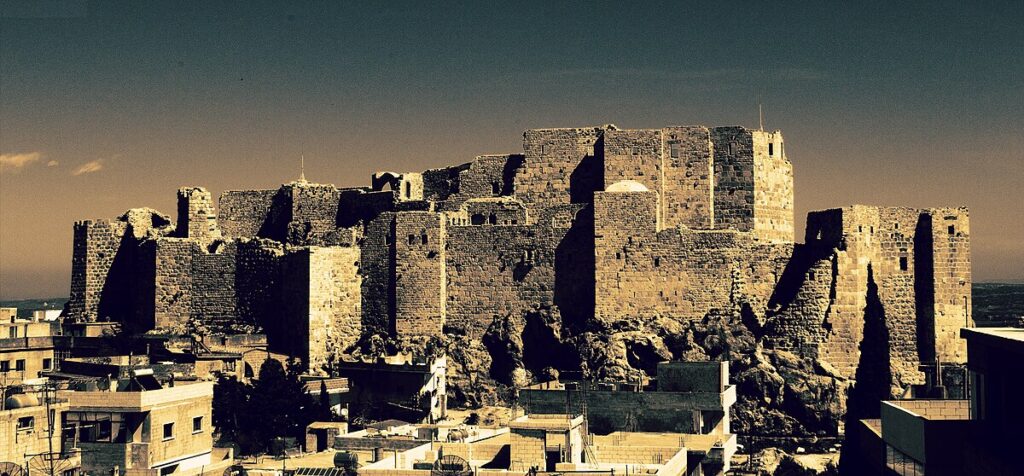
The location of Masyaf Castle is no accident It sits atop a rocky outcrop overlooking the town and surrounding countryside providing natural defense and broad visibility The site allowed its occupants to control nearby trade routes and watch for incoming threats long before they reached the fortress
The castle itself is built using local stone with strong defensive walls circular and square towers and inner courtyards Its structure follows the terrain making it both a defensive powerhouse and an architectural wonder Visitors can see multiple layers of construction each reflecting different eras from early Islamic to Mamluk and Ottoman additions
The Assassins and Their Legacy
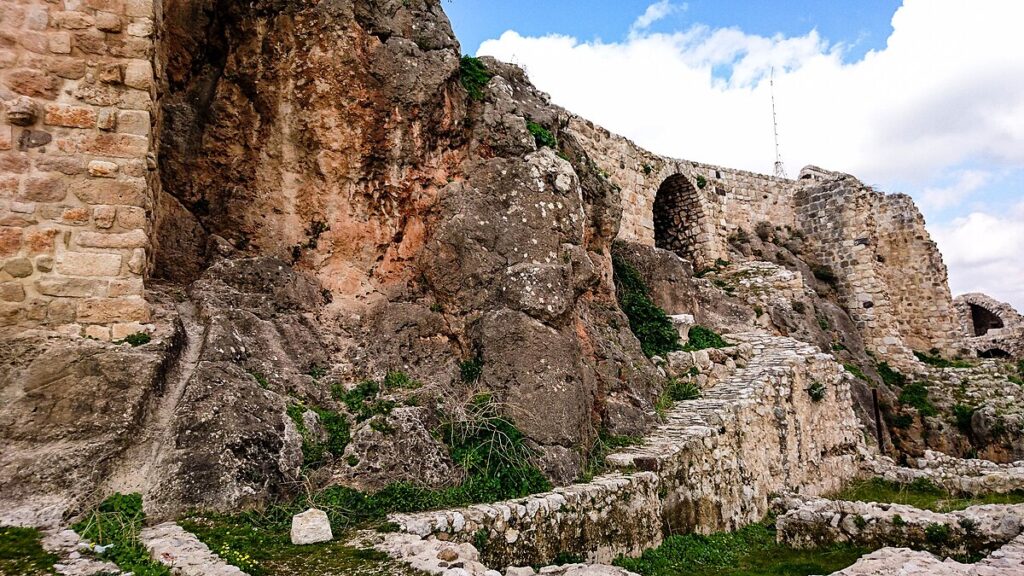
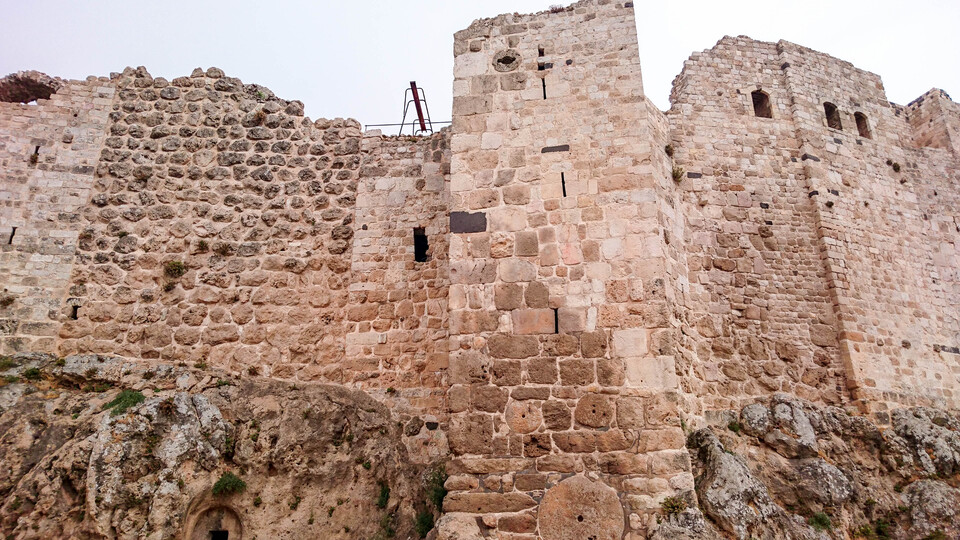
One of the most fascinating chapters of Masyaf Castle’s history involves its use by the Nizari Ismailis particularly under the leadership of Rashid al-Din Sinan He led the Syrian branch of the sect during the late 12th century and his influence spread across the Levant and even into Europe thanks to both his military tactics and legendary reputation
European Crusaders feared the Assassins not for their numbers but for their precision and unpredictability Stories spread of trained followers carrying out high-profile assassinations in enemy camps often in broad daylight and with unwavering loyalty The castle of Masyaf was believed to be the heart of this mysterious operation and many legends grew around its leaders and followers
Today visitors can stand in the same halls where these leaders once met and planned The site offers a rare tangible connection to a group that has inspired both historical studies and fictional adaptations for centuries
What to See Inside the Castle
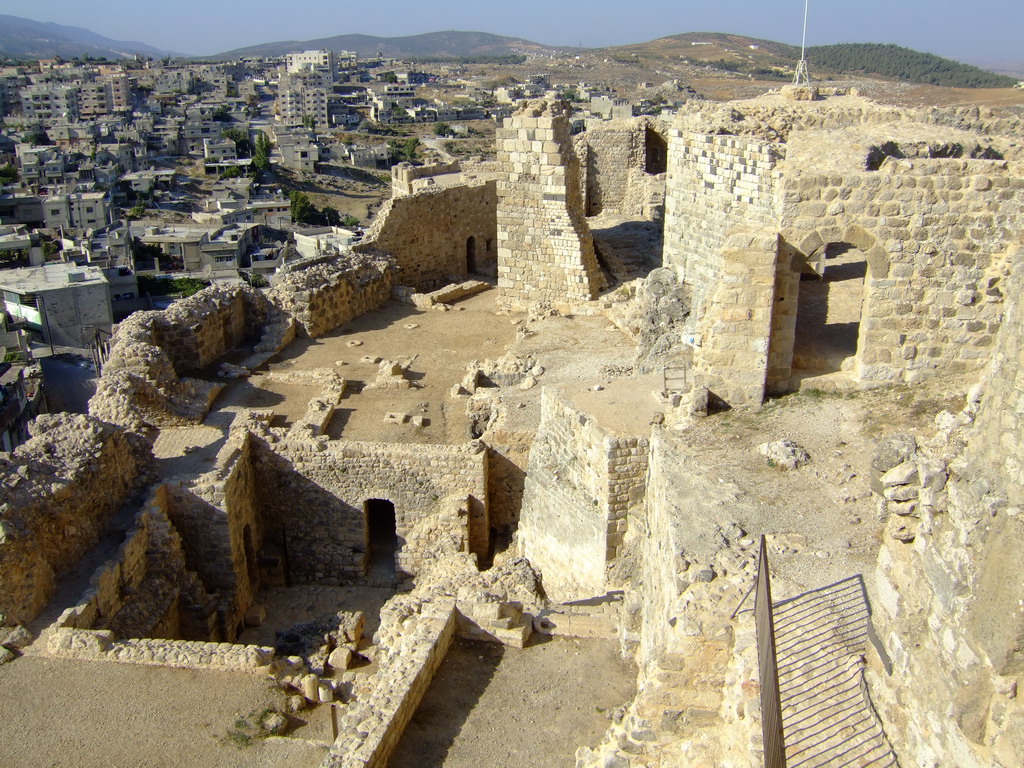
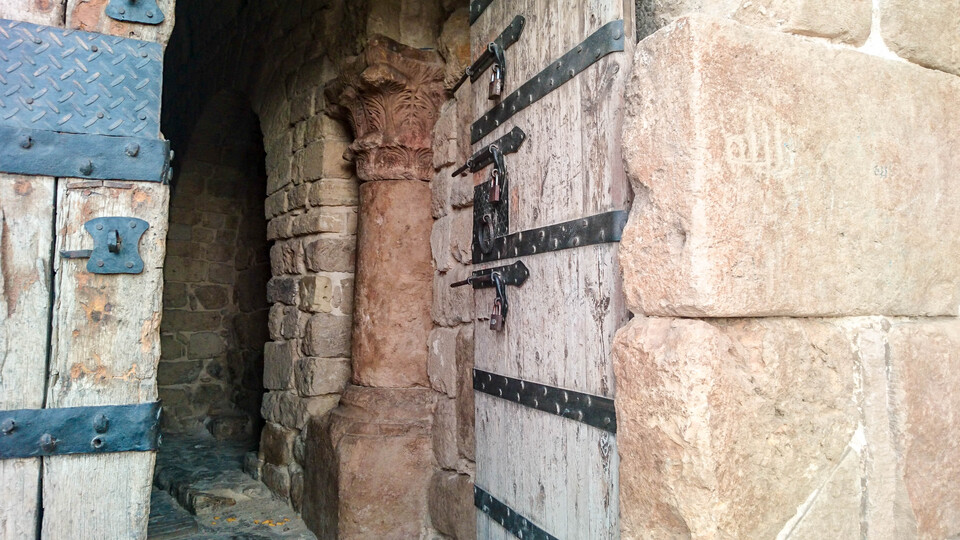
Walking through the ruins of Masyaf Castle is like stepping into a different time Despite the centuries of war and weather the fortress remains impressively intact and many sections are open to the public
Defensive Towers and Walls
The outer walls feature several towers used for observation and defense Climb these towers for panoramic views of Masyaf town the Orontes River valley and the nearby mountains The walls were built to withstand both siege and invasion featuring arrow slits and thick stone layers
Courtyards and Inner Halls
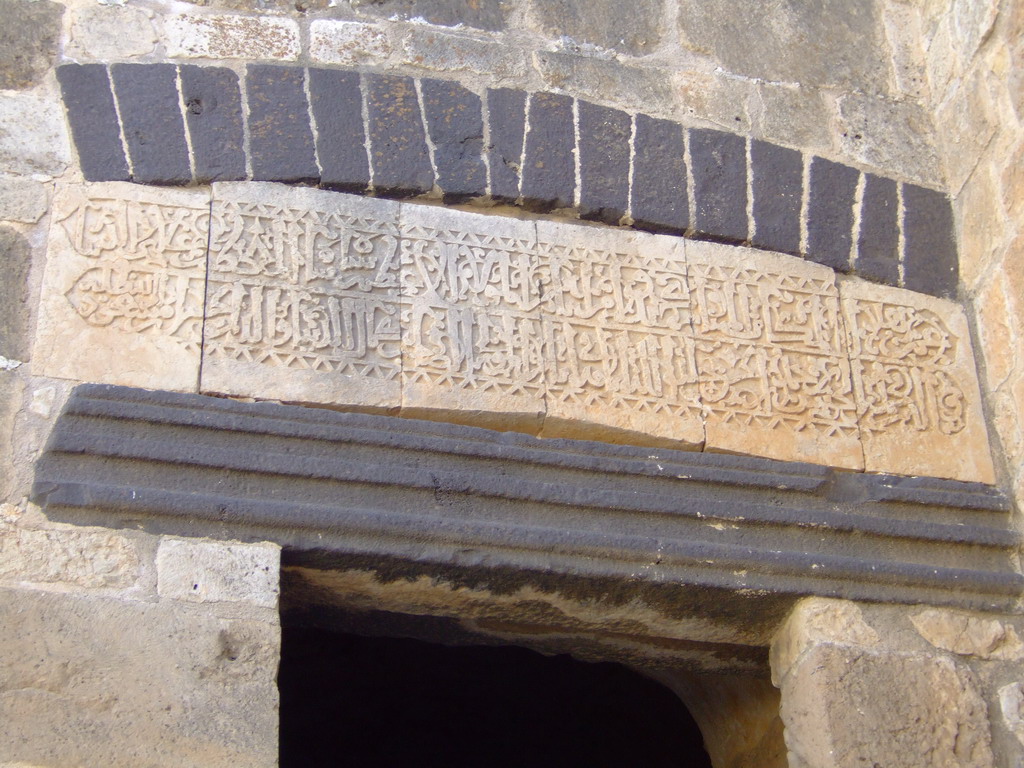
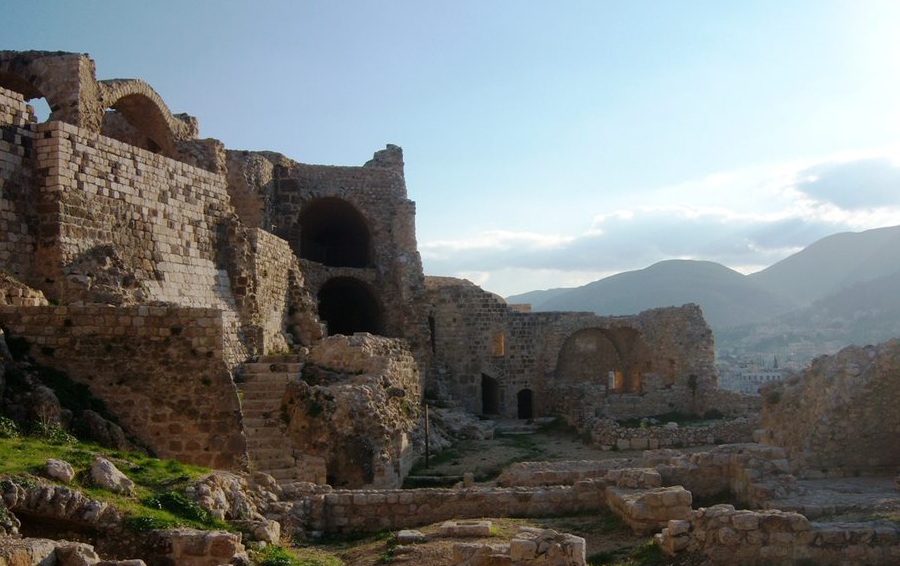
The interior courtyards once housed soldiers supplies and meetings Some rooms contain preserved stone arches vaulted ceilings and storage spaces You can explore narrow passageways staircases and even remnants of water systems used to sustain the fortress during times of siege
Secret Tunnels and Legends
Local legends speak of underground tunnels connecting Masyaf Castle to surrounding hills and outposts While only a few of these have been excavated or confirmed they add an air of mystery and adventure to the visit
Museum and Restoration
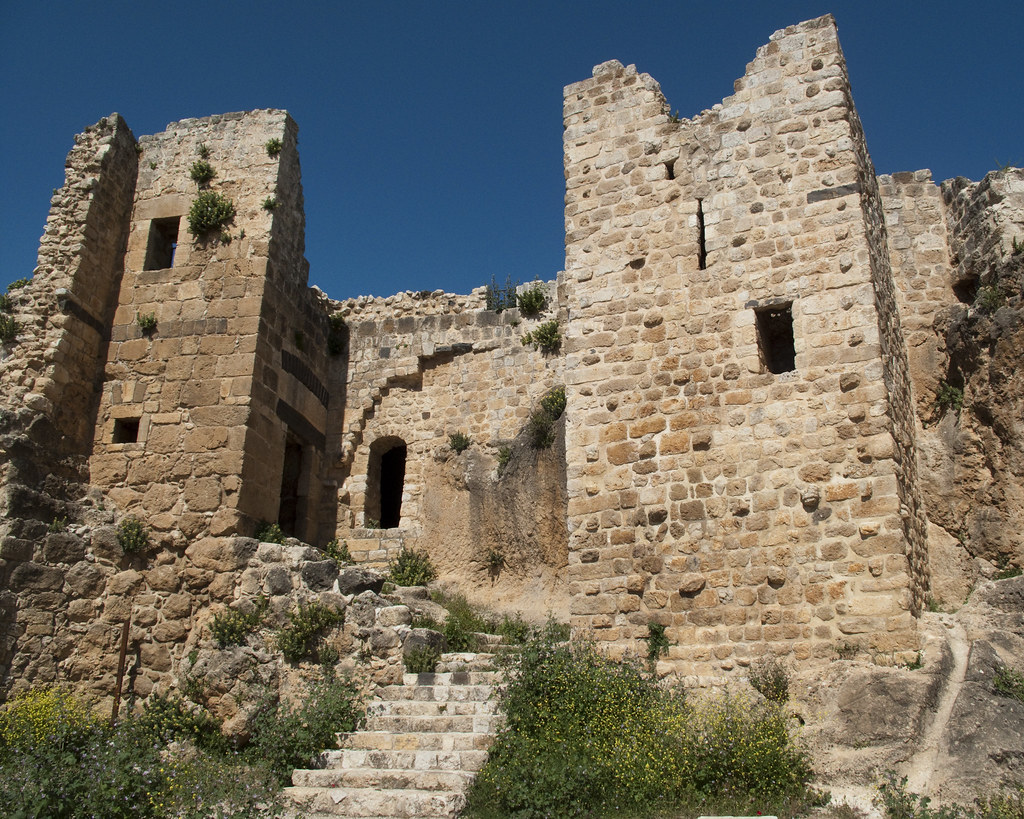
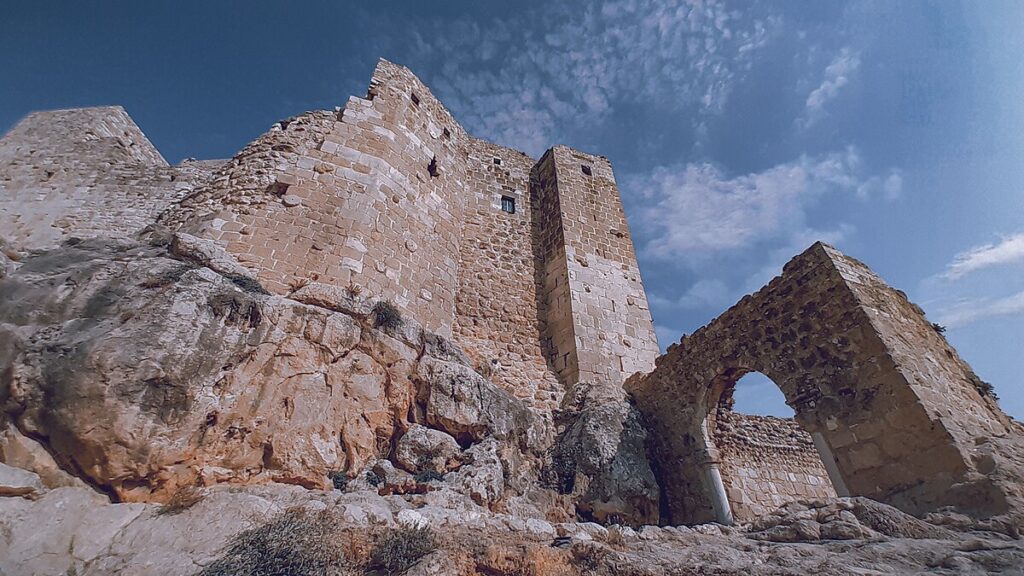
In recent years parts of the castle have been restored and turned into an open-air museum providing context for its history and importance You may find informational panels exhibits of medieval weaponry and artifacts uncovered during archaeological digs These efforts have helped preserve the castle while making it more accessible and informative for visitors
The restoration maintains the fortress’s original character using traditional materials and techniques where possible This gives the visitor a sense of authenticity and historical immersion that is rare in many modernized sites
Cultural Significance of Masyaf Today
Beyond its historical appeal Masyaf Castle holds cultural value for the local community and Syrians at large It represents resilience identity and connection to a proud past The town of Masyaf itself is peaceful and welcoming with winding streets traditional homes and a backdrop of green hills and pine-covered slopes
Local guides and residents are often eager to share stories not just about the castle but also about village life customs and the region’s Ismaili heritage Visiting Masyaf is as much about human connection as it is about historical exploration
Best Time to Visit and Practical Tips
Masyaf lies in a mountainous region which means it enjoys milder temperatures than other parts of Syria The best time to visit is from spring to early autumn when the weather is warm but not hot and the surrounding nature is lush and green
Here are a few tips to make your visit more enjoyable
- Wear comfortable shoes The castle involves stairs and uneven stone paths
- Bring water and snacks There are small shops in town but none inside the site
- Go with a local guide if possible They can explain the historical layers and legends
- Visit in the morning or late afternoon for the best lighting and fewer crowds
You can reach Masyaf by road from Hama about 45 kilometers away or from Homs about 60 kilometers Public transport options are limited so hiring a car or arranging a private trip is recommended
Combining Your Visit with Other Sites
Masyaf can be part of a broader cultural itinerary in central Syria Other nearby attractions include
- Krak des Chevaliers One of the best-preserved Crusader castles in the world
- Apamea Ancient Roman city with a magnificent colonnaded street
- Qalaat al-Madiq and the ancient ruins of Apamea below
- Deir Mar Elias An ancient Christian monastery nestled in the hills
These sites together create a rich experience of Syria’s layered past from classical antiquity through Islamic medieval history
Final Thoughts
Masyaf Castle is more than just an ancient ruin It is a living story a symbol of resilience and a monument to the strategic and cultural genius of its builders Whether you are a history lover an architecture enthusiast or a curious traveler you will find inspiration within its walls
As Syria opens its doors again to adventurous travelers Masyaf Castle stands ready to welcome those who seek to understand the country beyond the headlines Here in this mountain fortress history feels close and the past speaks clearly through stone wind and legend
Finally.. If you have any questions, please contact us. To explore further, visit our Facebook Syria collection for rare images and cultural highlights.
Sources & References:
UNESCO – World Heritage Centre: https://whc.unesco.org
Archnet – Architecture & Heritage Database: https://www.archnet.org
World History Encyclopedia: https://www.worldhistory.org
Syrian Heritage Archive Project: https://syrian-heritage.org
Global Encyclopedia: Wikipedia