Mount Qasioun: The Watchful Guardian Over Damascus: Perched quietly above the Syrian capital, Mount Qasioun stands as a timeless sentinel, watching over Damascus for centuries. Visible from nearly every corner of the city, this mountain is not just a geographic landmark—it is a symbol of Damascus’s endurance, a site of deep spiritual significance, and a favorite escape for both locals and travelers.
Whether you’re drawn to it for its panoramic views, sunset serenity, or historical and religious tales, Mount Qasioun offers an experience that goes far beyond its elevation.
Mount Qasioun | Quick Info
| Topic | Quick Info |
|---|---|
| Name | Mount Qasioun / جبل قاسيون |
| Location | Overlooking Damascus, Syria |
| Geological Age | Formed during the Tertiary period (over 30 million years ago) |
| Elevation | Around 1,151 meters above sea level |
| Cultural Significance | Considered a symbol of Damascus; associated with prophets, legends, and historic events |
| Religious Importance | Believed to be the site of several prophetic stories and caves, such as the “Cave of Blood” and “Cave of Hunger” |
| Modern Role | Popular viewpoint and picnic area offering panoramic views of Damascus |
| Significance | Combines natural beauty, spirituality, and history, representing the enduring spirit of the Syrian capital |
Introduction to Mount Qasioun
Location and Physical Features
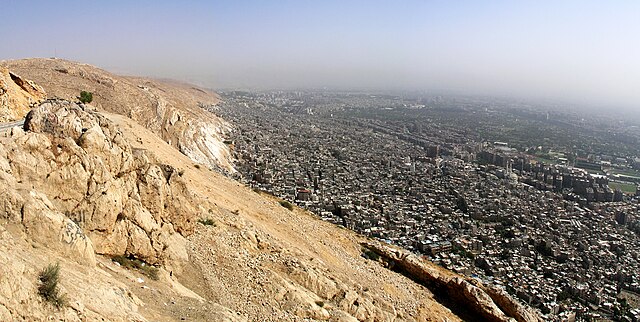
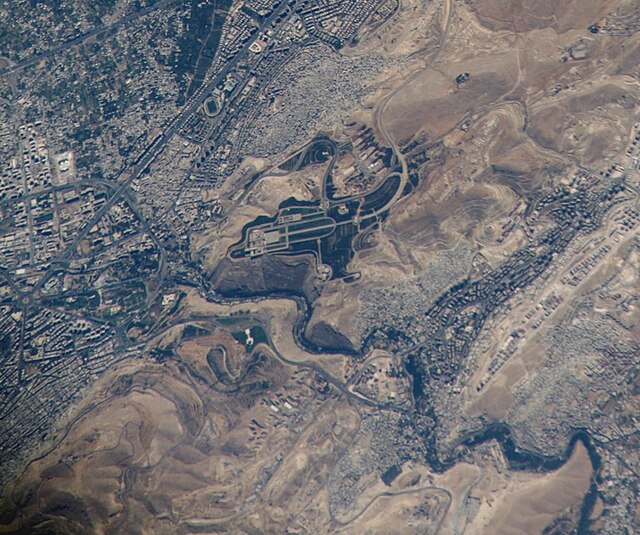
Mount Qasioun, or Jabal Qāsiyūn, rises approximately 1,151 meters (3,776 feet) above sea level and sits just to the northwest of the Old City of Damascus. Its gentle slopes are covered in natural stone, scattered trees, military installations, and winding roads that lead to breathtaking viewpoints, shrines, and restaurants.
From the summit, visitors can gaze across the entire city of Damascus, watching its rooftops, minarets, and old alleyways stretch to the horizon. On clear days, you can even see the Anti-Lebanon mountain range in the distance.
Historical and Religious Significance
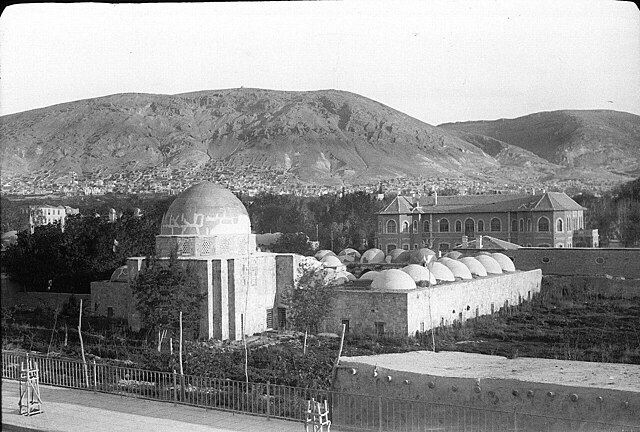
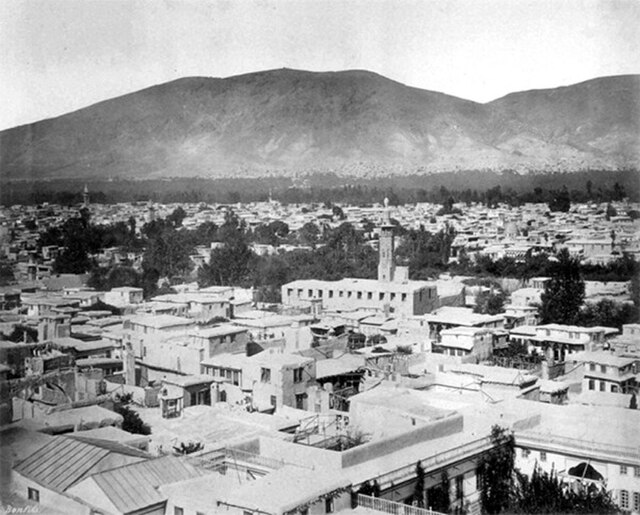
A Site of Prophets and Prayer
Mount Qasioun is revered not just for its beauty, but for its place in Islamic tradition. Several important spiritual stories are linked to its caves and slopes:
- The Cave of Blood (Magharat al-Damm) is believed by some traditions to be the site where Cain (Qabil) killed Abel (Habil)—the first murder in human history.
- It is also associated with prophets, such as Ibrahim (Abraham), Ilyas (Elijah), and Isa (Jesus), who are said to have prayed or meditated on its heights.
- During the early Islamic era, Mount Qasioun was known as a favored site for solitude, prayer, and reflection.
Some shrines and small mosques along the way remain places of local pilgrimage, particularly during Islamic holidays or during the holy month of Ramadan.
A Strategic Military Viewpoint
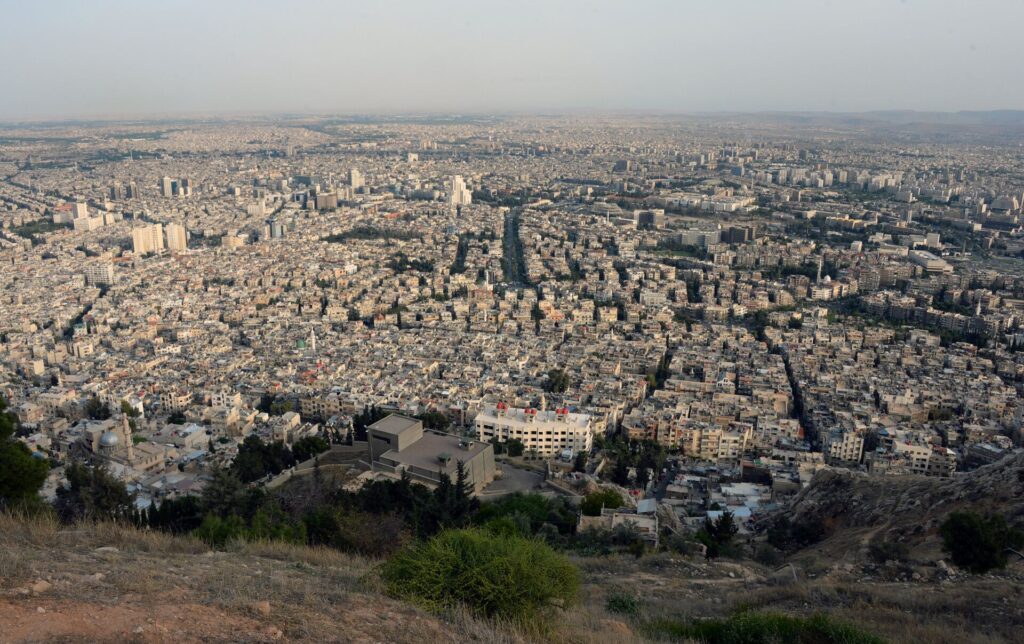
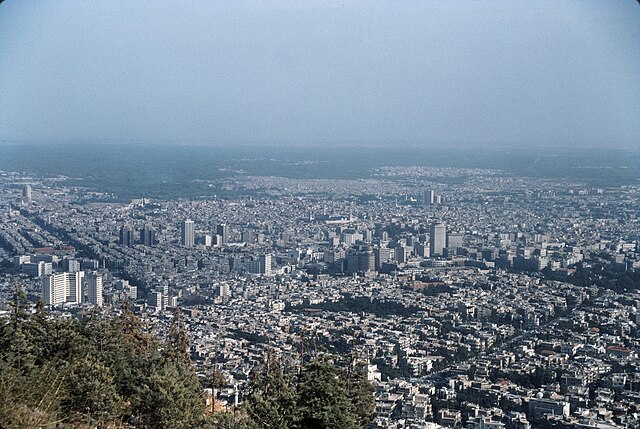
Due to its commanding view over Damascus, Mount Qasioun has long been used for defensive military purposes. In modern times, it houses military posts, communication towers, and restricted zones. However, most of the tourist-accessible sections remain open, particularly on the western and southern flanks.
Its strategic significance has also made it a witness to history—from ancient civilizations to modern conflicts.
The Best Panoramic Views in Damascus
Daytime Views
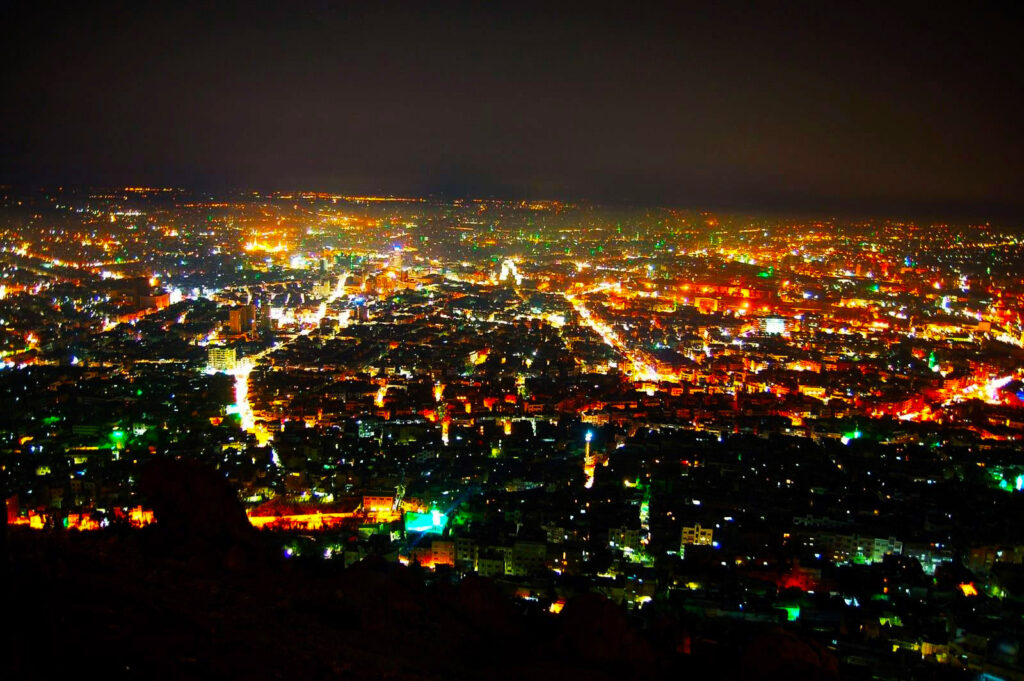
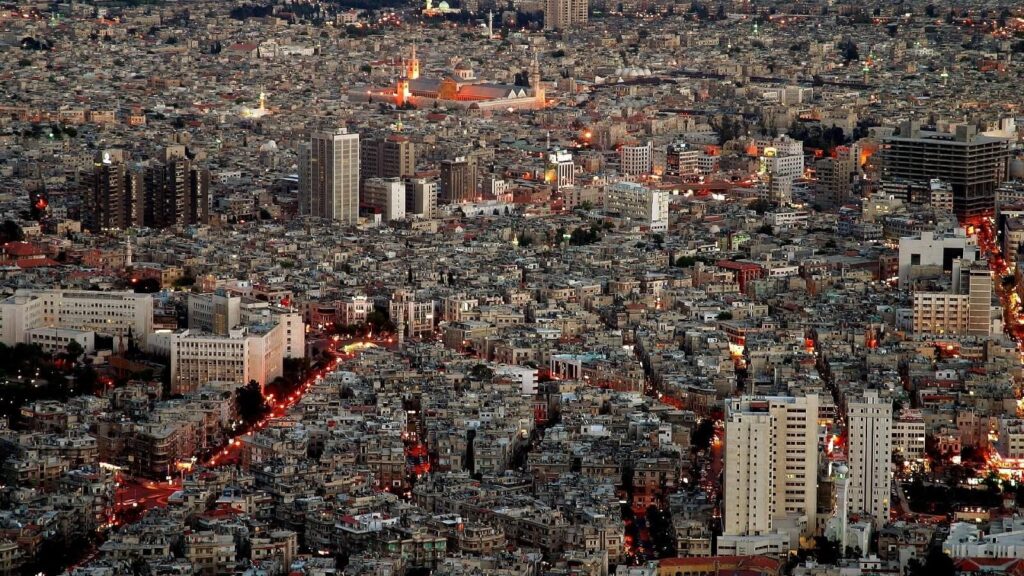
During the day, Mount Qasioun offers a clear, expansive view of the capital. Key landmarks you can see from the top include:
- The Umayyad Mosque, standing out with its minarets
- The Old City walls and gates
- Modern Damascus, with its mix of traditional and high-rise buildings
- The Barada River cutting through the urban sprawl
- The distant Eastern Ghouta farmlands and Anti-Lebanon mountains
Photographers, hikers, and nature lovers enjoy coming early in the morning to catch the golden light and clear skies.
Sunset and Evening Magic
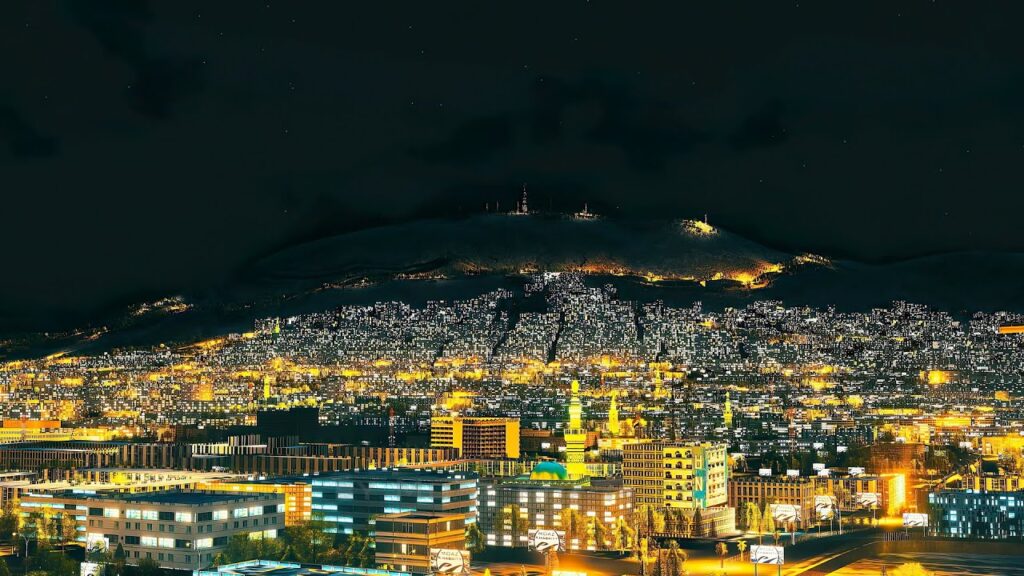
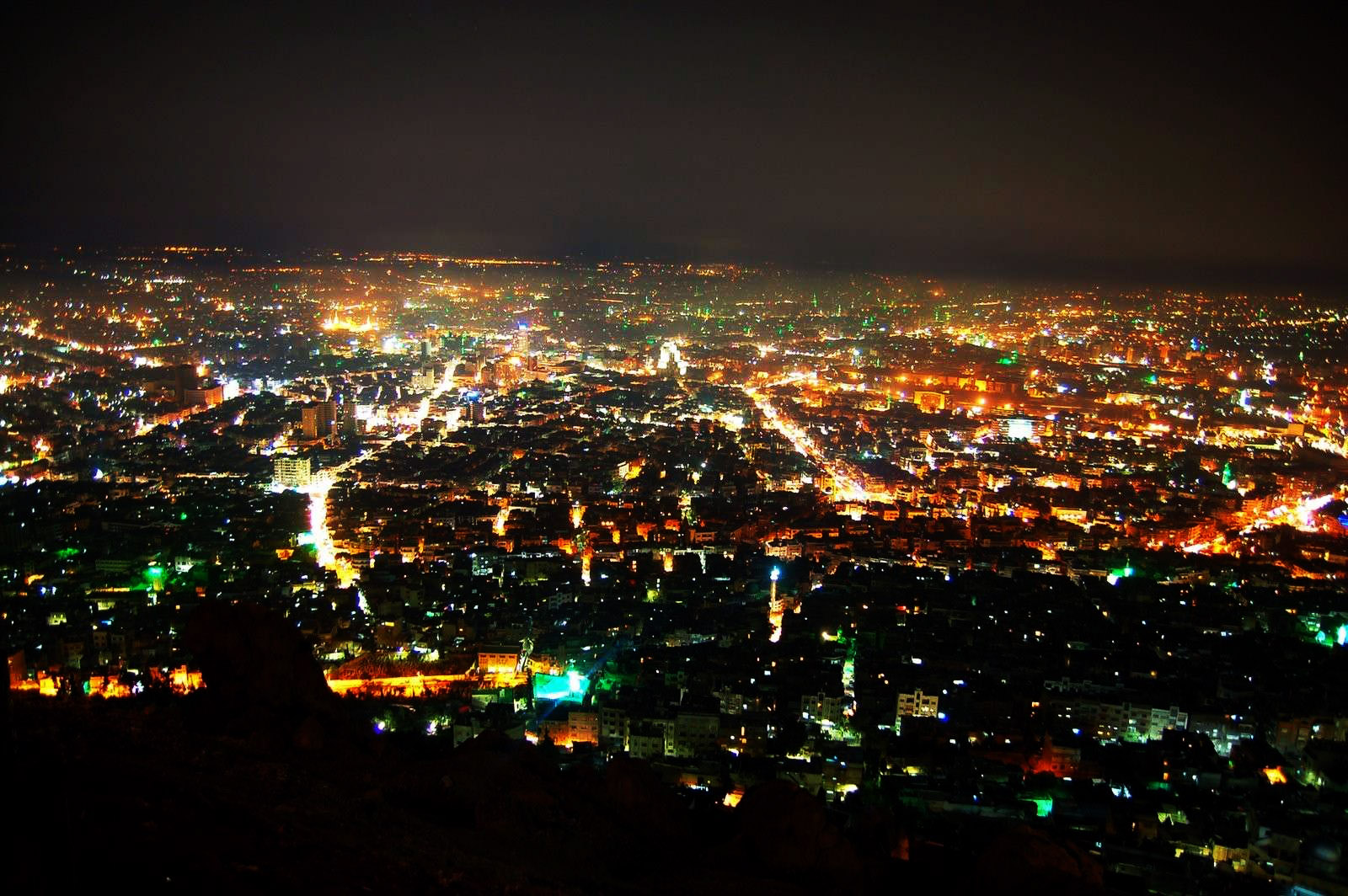
Perhaps the most magical time to visit Mount Qasioun is during sunset and early evening. As the sun dips behind the western ridges, the city below transforms into a golden mosaic. Soon after, Damascus begins to sparkle with thousands of lights, and the call to prayer echoes faintly from the minarets.
This spectacle is one of the most beloved traditions among Damascenes, who often come with friends, tea, and snacks to enjoy the night view.
What to Do on Mount Qasioun
Enjoy the Viewpoints
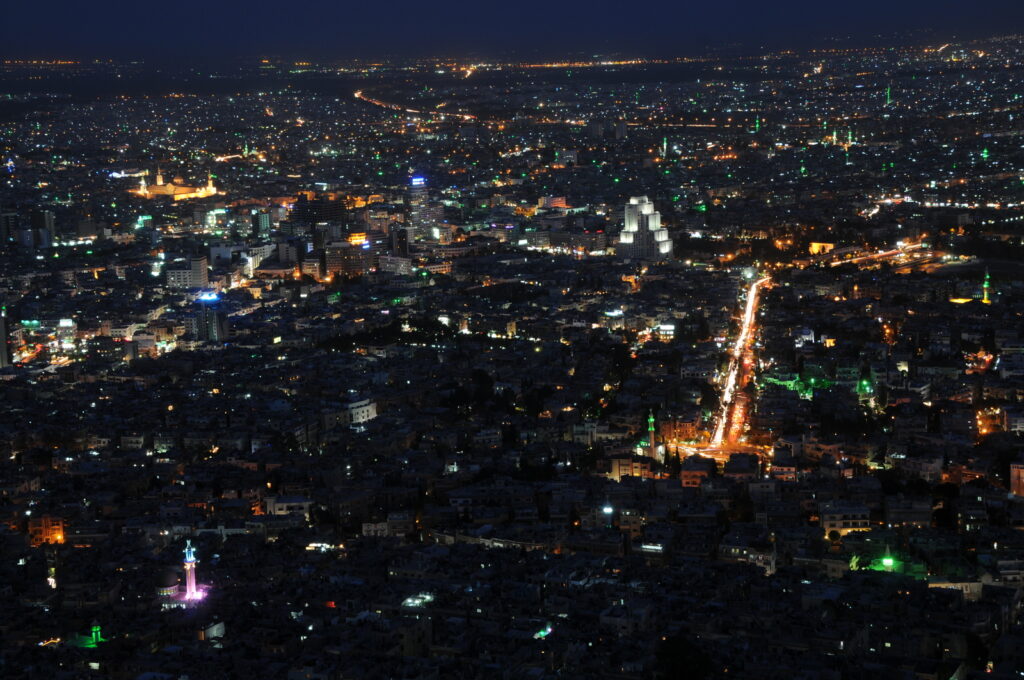
Several designated viewpoints and pull-off areas have been established along the road up the mountain. These are safe areas where you can park and take in the view. Some have basic seating areas or low stone walls, ideal for photographers and picnics.
There is also a larger plateau area near the top where many locals gather in the evenings. Bring a camera—you will want to capture this unforgettable view.
Visit the Shrines and Caves
Among the small spiritual sites on the mountain are:
- Cave of Blood (Magharat al-Damm) – A humble cave where visitors come to reflect and pray.
- Shrines to early prophets – Modest sites, sometimes marked by small stone structures or old trees.
While some of these sites are not officially marked, local guides or friendly residents can point them out.
Dine with a View
Mount Qasioun is also known for its cliffside cafes and restaurants that offer not only great food, but panoramic dining. These eateries serve:
- Grilled meats (kebab, shish taouk)
- Fresh mezze (hummus, mutabbal, tabbouleh)
- Syrian tea and fruit juices
- Sweet pastries like baklava or kunafa
Dining under the stars with the city lights of Damascus below you is an experience many travelers describe as unforgettable.
How to Get There
By Taxi or Ride Apps
Mount Qasioun is just a 10 to 15-minute drive from the center of Damascus. You can take a taxi, private car, or ride-share app (if available). Most drivers are familiar with the route, especially to the popular viewpoints or restaurants.
By Foot or Hiking
For the more adventurous, hiking up Qasioun is possible. The most common hiking trail begins near the neighborhoods of Rukn al-Din or al-Muhajireen. The path is steep but manageable, and the reward is spectacular.
Hiking during cooler times of the day (sunrise or late afternoon) is recommended.
Best Time to Visit
- Spring (March to May) offers mild temperatures and clear skies
- Autumn (September to November) is also pleasant and less crowded
- Summer evenings are popular with locals but can be hot during the day
- Winter visits are possible, but rain or fog may obscure the view
Sunset and nightfall remain the most popular visiting times year-round.
Safety and Etiquette
General Safety
Mount Qasioun is safe for tourists, especially in designated areas. However:
- Stay on the main roads and open platforms
- Avoid military zones or signs indicating restricted access
- Keep your belongings secure if visiting after dark
Cultural Etiquette
- Dress modestly, especially near religious sites
- Avoid loud music or behavior near shrines
- Do not litter—carry your waste with you
Tips for Visitors
- Bring a jacket or shawl, even in summer—mountain breezes can be cool
- Binoculars or a zoom lens enhance the viewing experience
- Ask your hotel for current restaurant recommendations on the mountain
- If driving, be cautious on winding roads and look for safe parking areas
See Also: Modern Damascus
A Mountain Beyond Geography
Mount Qasioun is more than just a viewpoint. It is woven into the soul of Damascus, carrying the legends of prophets, the beauty of poetry, and the spirit of the city beneath its gaze.
For travelers, it offers a rare blend of natural tranquility, spiritual reflection, and urban spectacle—all in one location. Whether you climb it, photograph it, or dine upon it, Qasioun will stay in your memory as one of the quiet, powerful moments of your journey.
Finally.. If you have any questions, please contact us. To explore further, visit our Facebook Syria collection for rare images and cultural highlights.