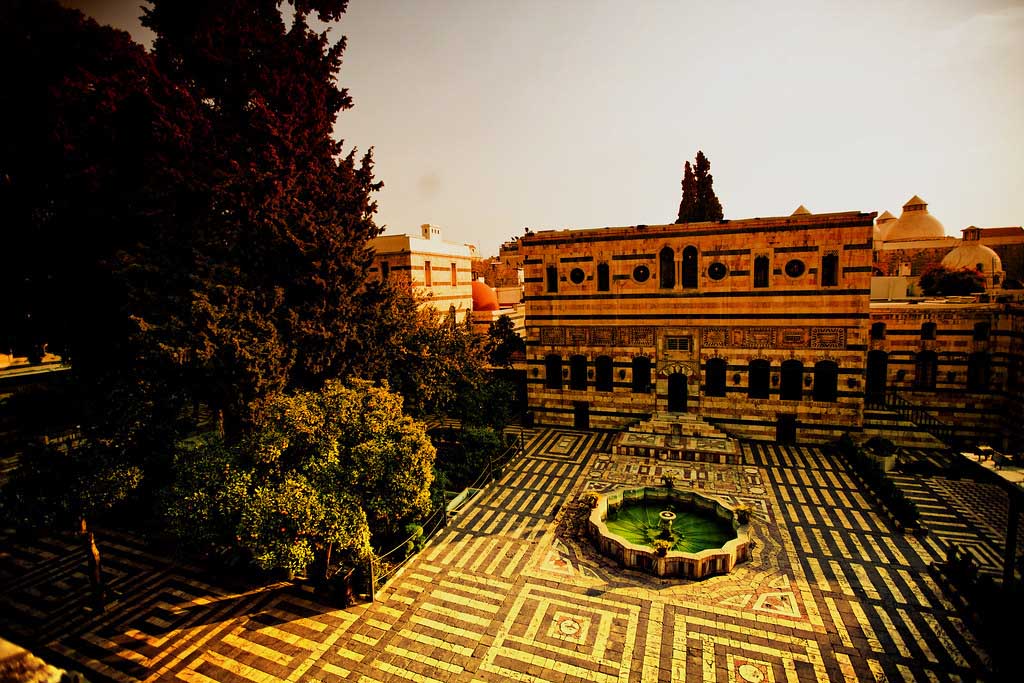
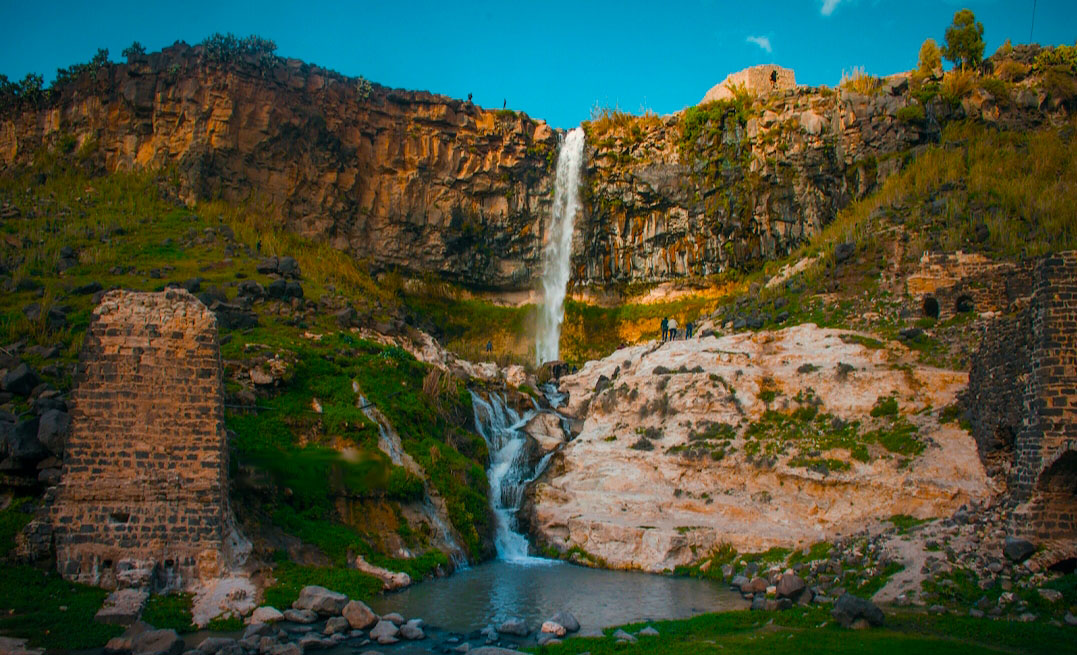
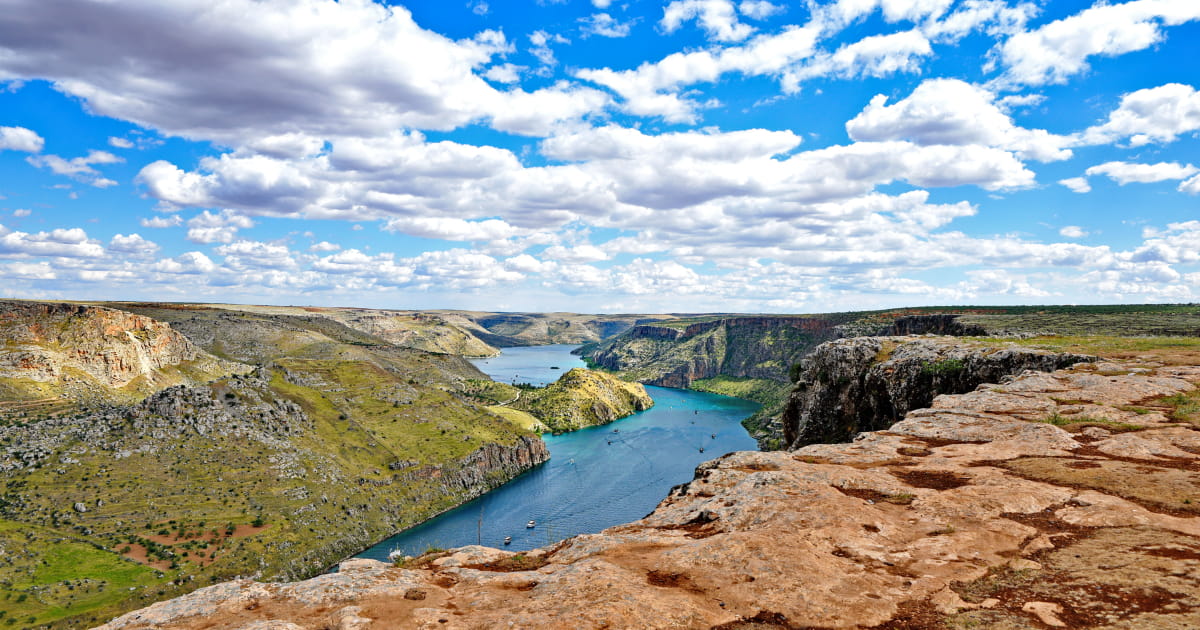
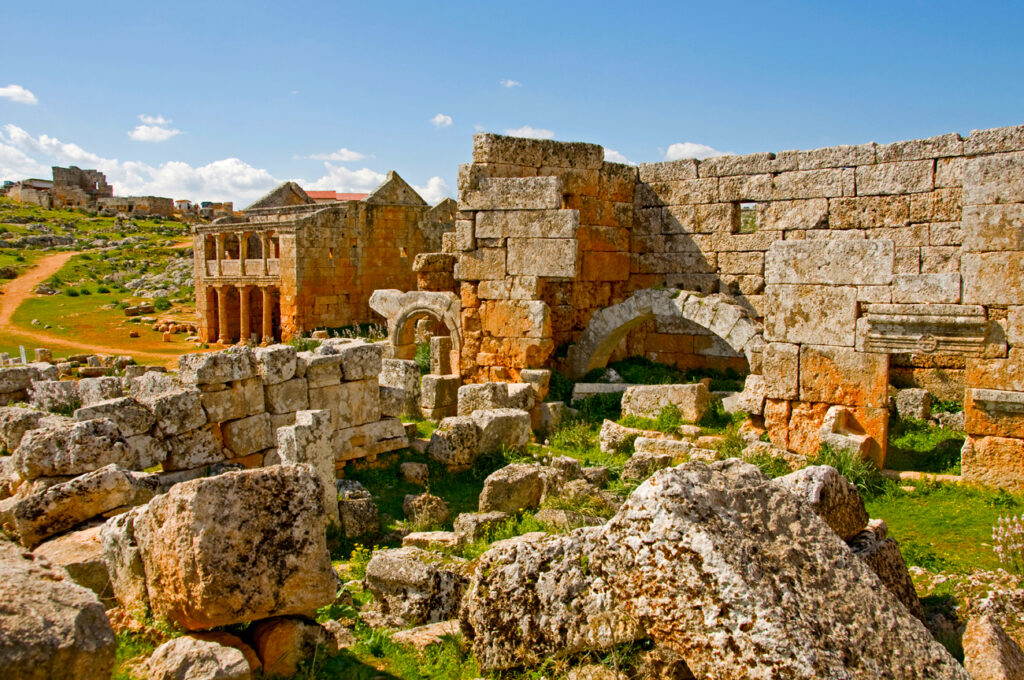
Northern Syria Ruins : While Syria is often celebrated for its famous sites in Palmyra and Aleppo, many hidden treasures in the north remain largely unexplored. This article highlights 13 remarkable locations, each offering unique cultural, architectural, or historical value among the Northern Syria Ruins. Though less visited than major landmarks, these Northern Syria Ruins provide fascinating insights for history enthusiasts and travelers seeking off-the-beaten-path experiences. From ancient towns to monasteries and fortresses, the Northern Syria Ruins reveal a rich tapestry of the region’s past.
Northern Syria Ruins | Quick Info.
| Site | Era | Brief Information |
|---|---|---|
| Taqla تقلا | Possibly Byzantine / Early Islamic | Traditional rural village with ancient layers beneath. |
| Qatura قاطورة | Late Roman / Early Christian | Scattered stone ruins, reused stones in homes. |
| Burjkeh برجكة | Unknown (likely medieval) | Named after a “Little Tower,” possible watchtower ruins. |
| Banastur بنستور | Ancient agricultural settlement | Pottery shards and underground cisterns indicating long habitation. |
| Rabiaa ربيعة | Possibly early monastic era | Remote village with ancient farming terraces. |
| Farkiya فركيا | Pre-Islamic / Antiquity | Limestone dwellings and old tombstones; possible necropolis. |
| Meghara مغارة | Bronze Age and later | Surrounded by caves with evidence of ancient habitation. |
| Dellozeh دللوزة | Byzantine era | Ruins of small church/shrine and traditional olive presses. |
| Majliya مجليا | Roman / Umayyad | Collapsed structures and underground cisterns. |
| Batrasa بترسا | Early Christian / Roman | Floor mosaics and inscriptions from religious retreat. |
| Bashila بشيلا | Ancient agricultural | Olive and fig groves with remains of wine and olive presses. |
| Sarfud صرفود | Pre-Islamic pagan era | Rock carvings and semi-standing columns; religious site. |
| Dahis داحس | Ancient trade route era | Caravanserais and ancient roads linked to nomadic tribes. |
Taqla (تقلا)
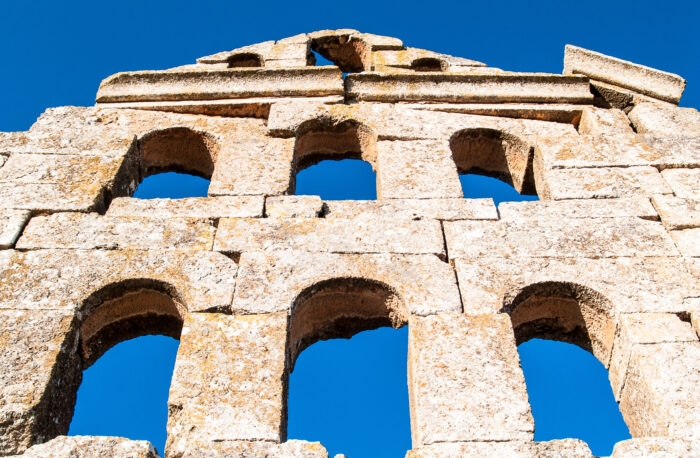
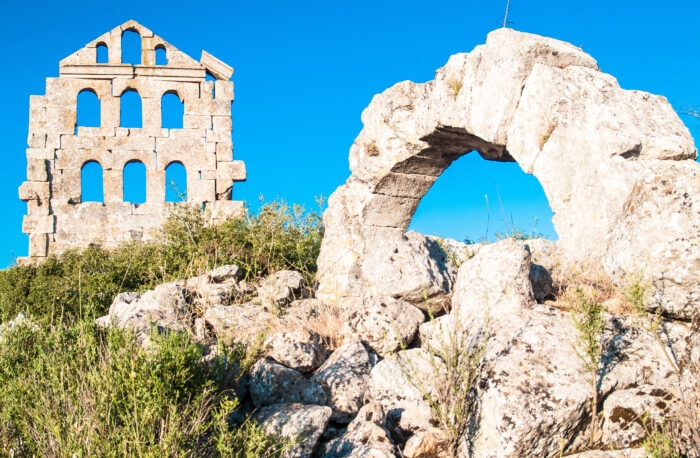
Located in the countryside of northwestern Syria, Taqla is a small village with archaeological potential. While it lacks large-scale ruins, its traditional stone houses and pastoral landscapes reflect ancient rural Syrian life. Some researchers believe the area holds remnants from Byzantine or early Islamic periods buried beneath layers of earth. Why Visit?
- Experience authentic rural Syrian architecture.
- Ideal for archaeological and anthropological exploration.
Qatura (قاطورة)
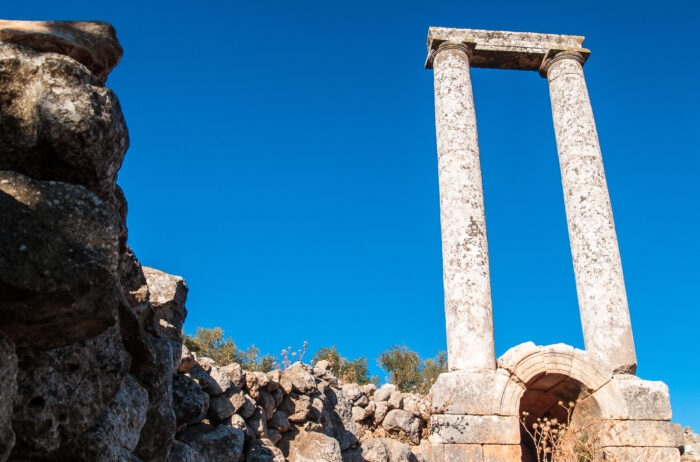
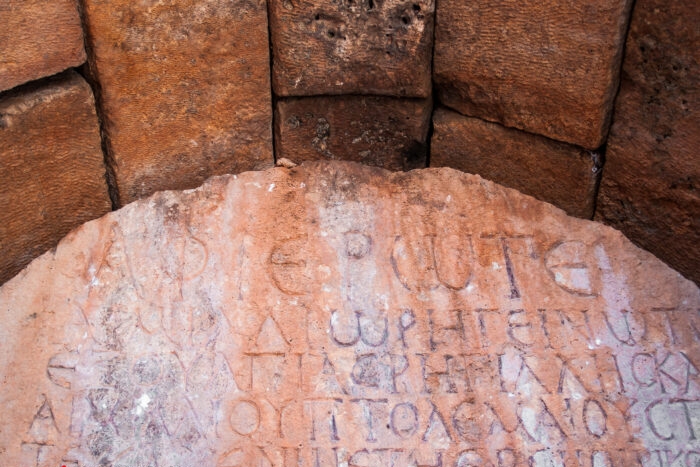
Qatura is a quiet village perched on elevated terrain. The site is noted for scattered stone ruins that hint at its historical significance during the late Roman or early Christian era. Many of its building stones have been reused in local homes. Why Visit?
- Explore ruins believed to date back to the 4th or 5th century.
- Observe how historical structures are repurposed in modern settings.
Burjkeh (برجكة)
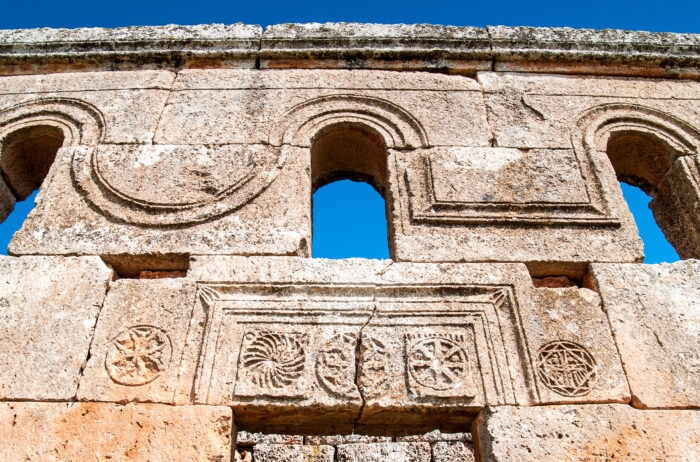
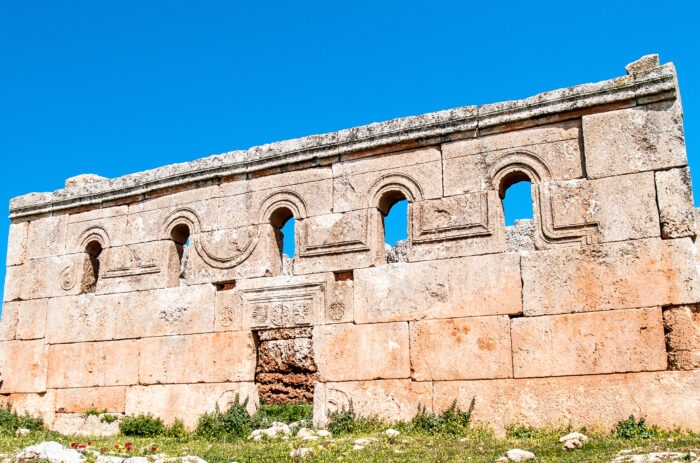
Burjkeh means “Little Tower” in Arabic, and the village may have gotten its name from a now-ruined watchtower or defensive structure. Its strategic location on a hill offers sweeping views of the surrounding countryside. Why Visit?
- Remnants of an ancient lookout or military structure.
- A perfect stop for landscape photography and quiet reflection.
Banastur (بنستور)
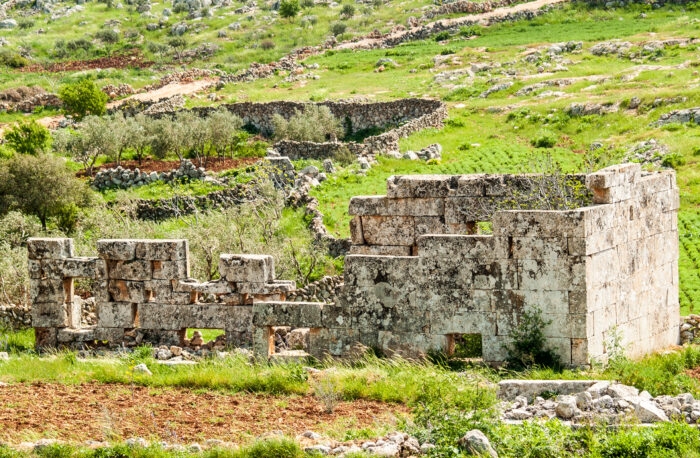
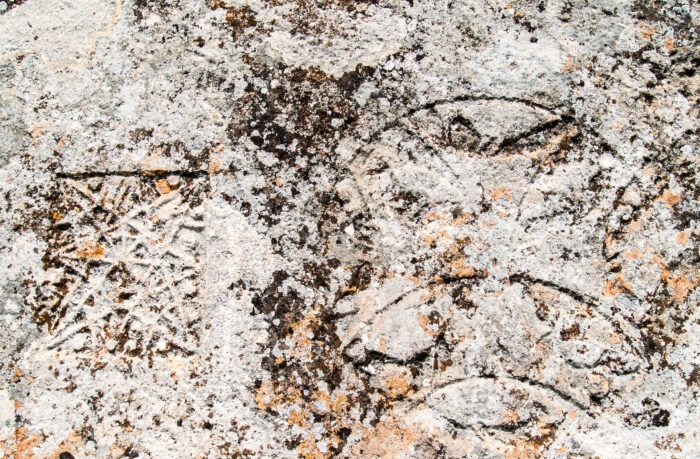
A hidden settlement with limited modern development, Banastur contains traces of early agricultural activity. Although it lacks large ruins, pottery shards and underground cisterns found here point to long-term habitation. Why Visit?
- Great site for amateur archaeologists.
- Opportunity to study ancient water conservation methods.
Rabiaa (ربيعة)
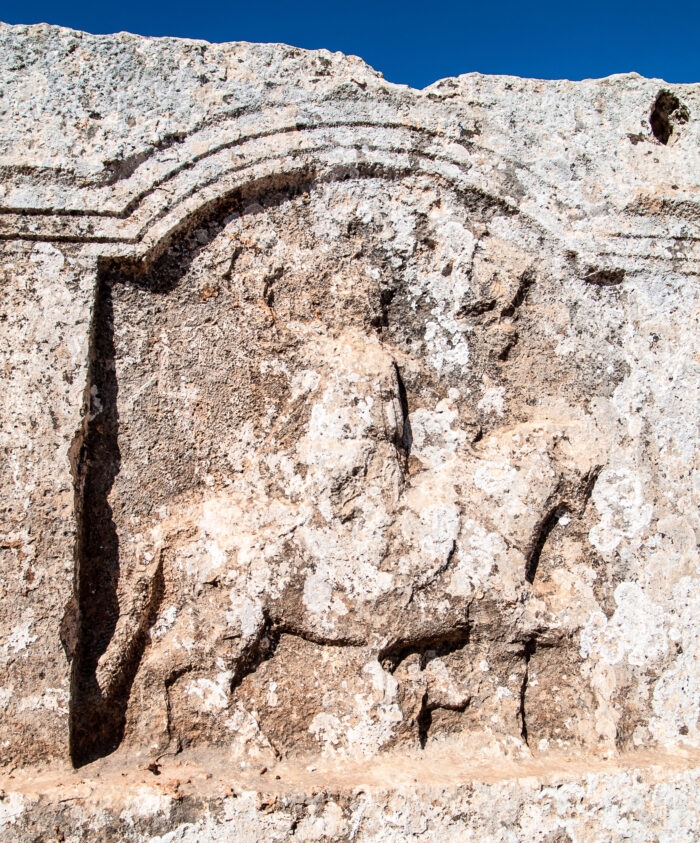
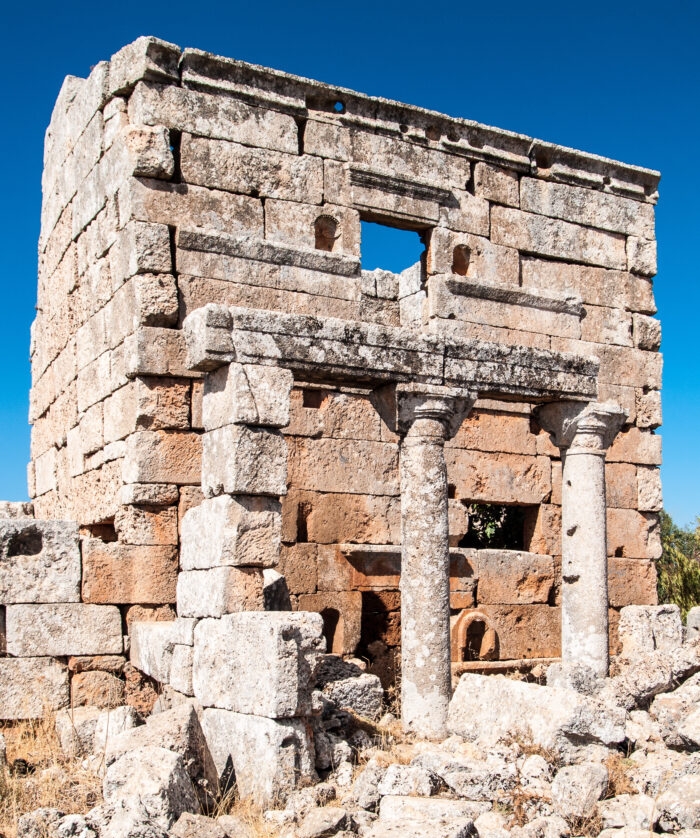
Rabiaa is a remote village known for its natural beauty and ancient farming terraces. Oral histories suggest that the area was once a minor monastic settlement. Why Visit?
- Learn about ancient terrace farming techniques.
- Peaceful and untouched by commercial tourism.
Farkiya (فركيا)
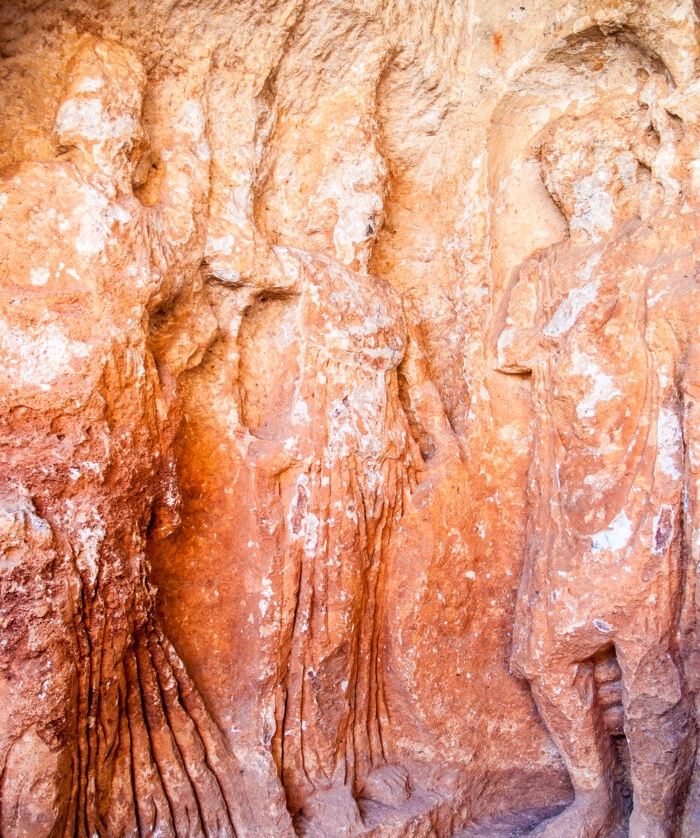
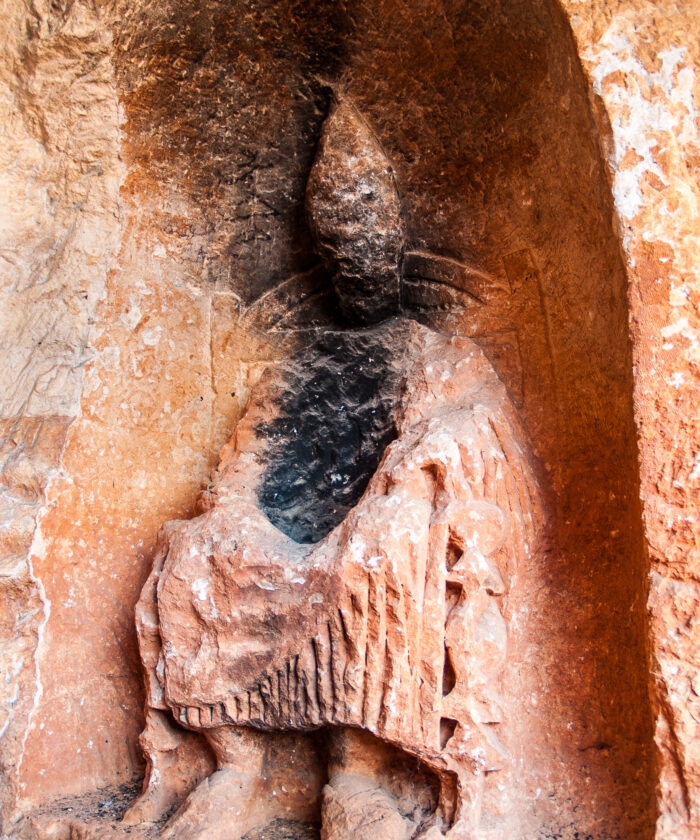
Farkiya has a long history of habitation, evidenced by remnants of dwellings carved into limestone and old tombstones scattered around the site. This area may have served as a necropolis or sanctuary in pre-Islamic times. Why Visit?
- Witness carved architecture that reflects early funerary practices.
- A rich site for historical research.
Meghara (مغارة)
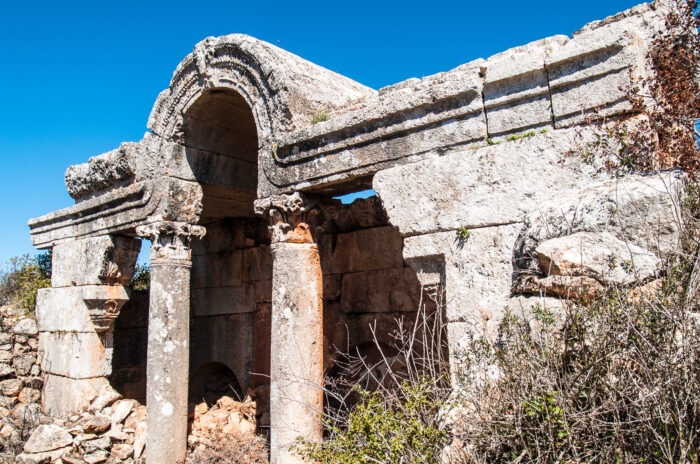
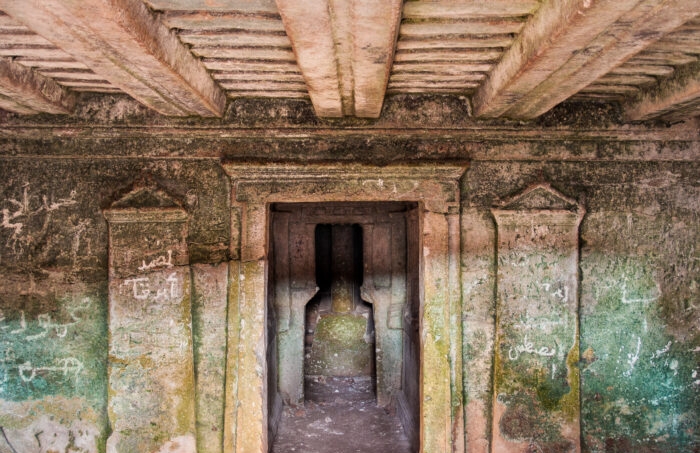
“Meghara” literally means “cave” in Arabic, and this village is aptly named. It’s surrounded by naturally occurring caves, some of which show signs of human modification. Archaeological digs have found signs of habitation dating back to the Bronze Age. Why Visit?
- Explore ancient cave dwellings.
- Learn about early Syrian troglodyte communities.
Dellozeh (دللوزة)
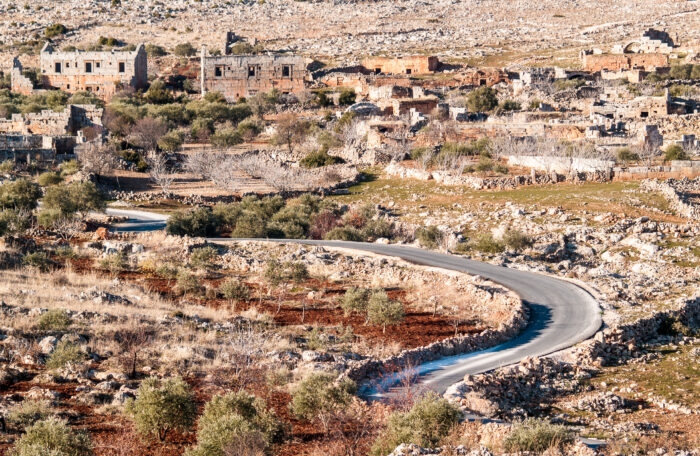
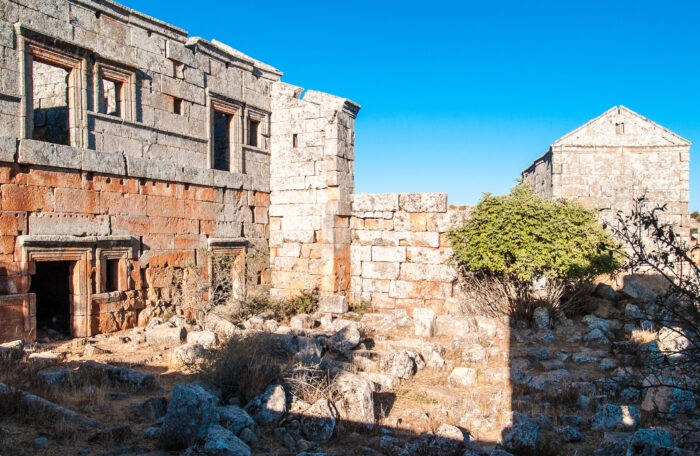
Dellozeh offers a unique blend of agricultural history and spiritual heritage. The village contains ruins of a small church or shrine, likely from the Byzantine era, as well as olive presses carved from stone. Why Visit?
- Discover the remains of early Christian worship sites.
- See traditional olive oil production methods.
Majliya (مجليا)
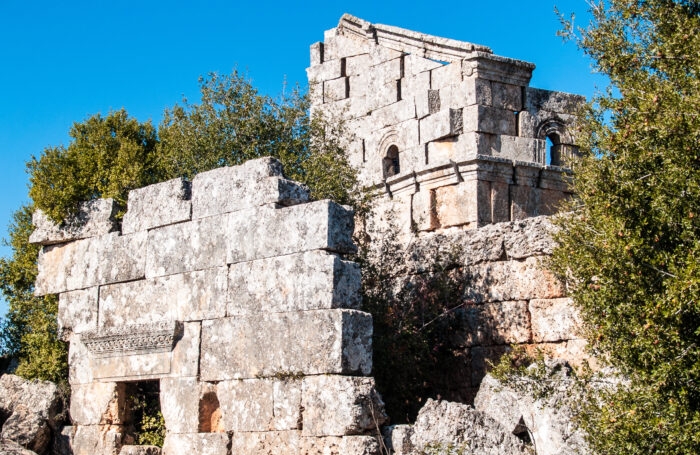
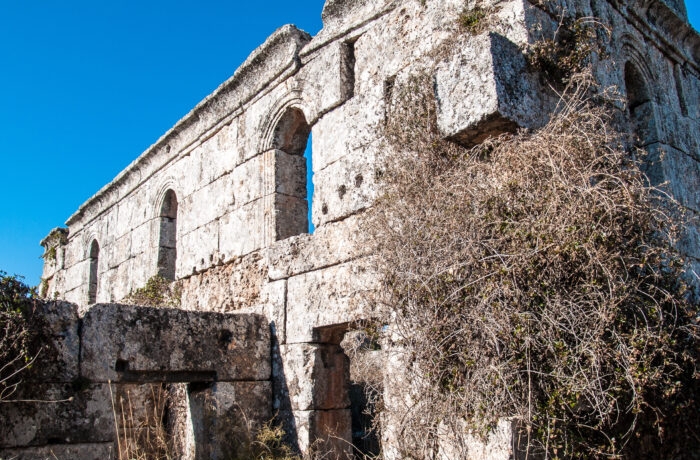
A lesser-known site with a mysterious aura, Majliya features underground cisterns and collapsed structures that suggest a thriving community existed here centuries ago. Some ruins may relate to Roman or Umayyad administration. Why Visit?
- Ideal for off-the-map exploration.
- Opportunity to study underground water systems.
Batrasa (بترسا)
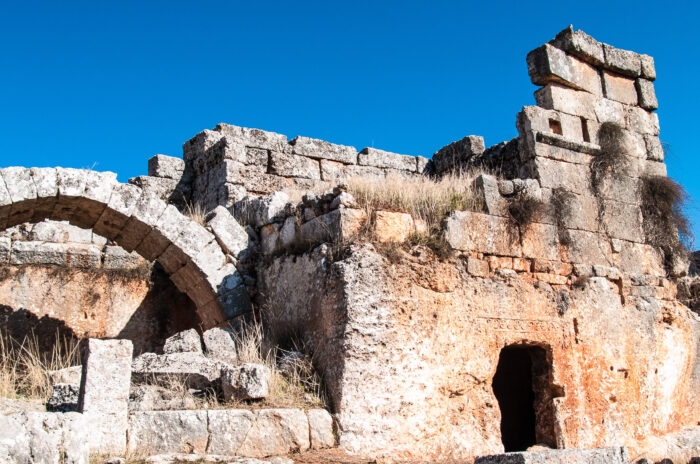
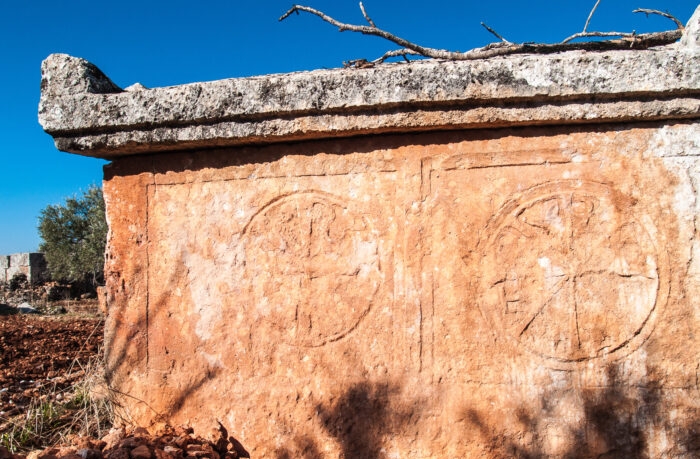
Batrasa is believed to have been a religious retreat or agricultural commune. Excavations have uncovered floor mosaics and broken inscriptions, though much remains undocumented. Why Visit?
- See floor mosaics in situ.
- Gain insights into rural religious life.
Bashila (بشيلا)
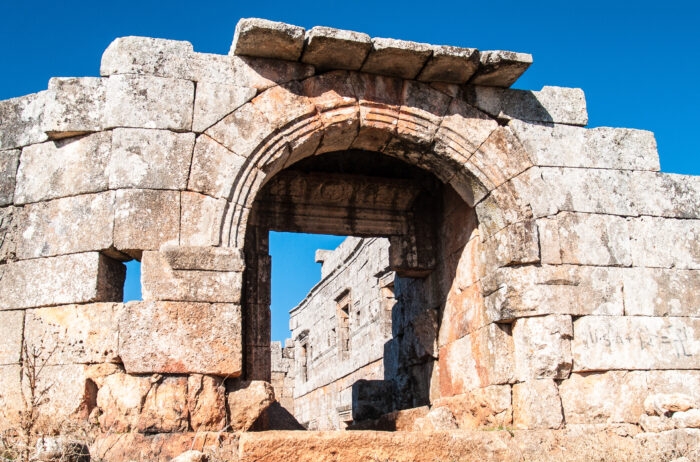
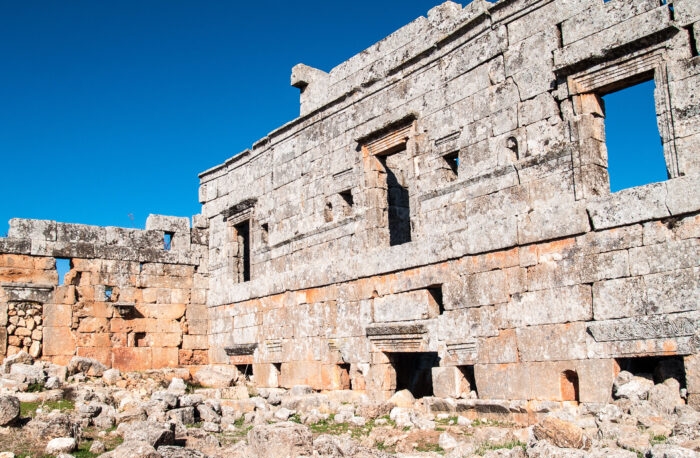
Another village with deep agricultural roots, Bashila is surrounded by olive and fig trees. Remains of ancient wine and olive presses suggest the area was part of a regional trade network. Why Visit?
- Examine ancient tools for food production.
- A calm, lush environment ideal for walking tours.
Sarfud (صرفود)
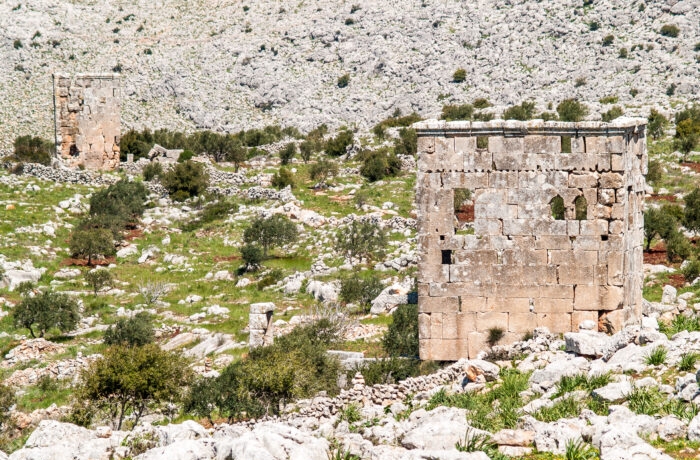
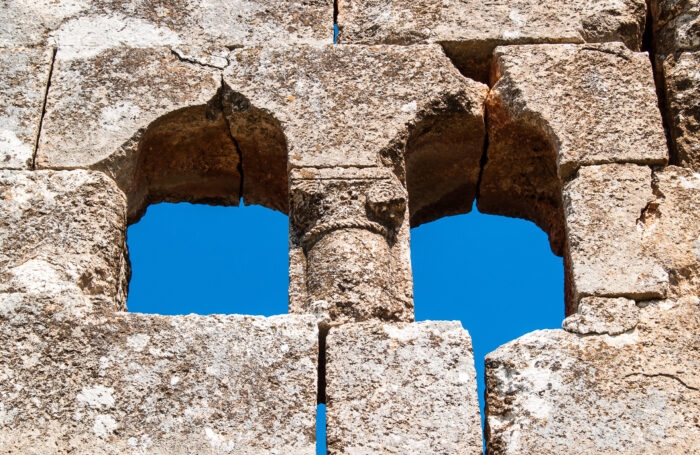
This small settlement shows signs of pre-Islamic pagan influence in the form of strange rock carvings and semi-standing columns. It may have served as a religious site for a now-lost local sect. Why Visit?
- See mysterious carvings and learn about Syria’s lesser-known religious past.
- A site full of archaeological questions.
Dahis (داحس)
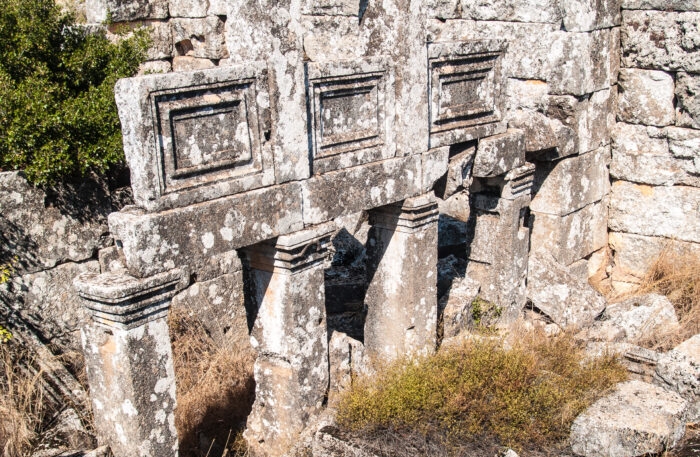
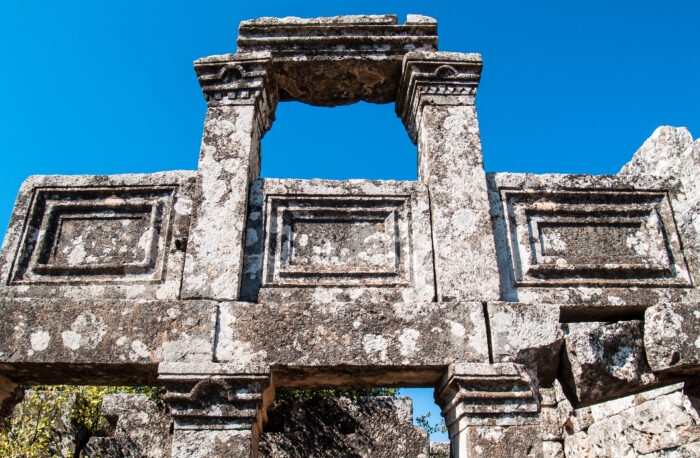
Dahis is often associated with nomadic tribes and trade routes. It contains foundations of caravanserais and ancient roads carved into rock. Oral traditions connect it to tales of heroism and ancient Arabian poetry. Why Visit?
- Explore ruins of rest stops for ancient traders.
- Immerse in the oral history of Northern Syria.
See Also: North Echoes III
Conclusion
Though these sites may not rival the grandeur of Syria’s iconic monuments, each unveils a distinct story from the nation’s layered past. From agricultural ingenuity to ancient faiths and mysterious relics, the Northern Syria Ruins reveal a more personal dimension of history. Perfect for explorers, historians, and archaeologists, these places offer a rare authenticity that brings Syria’s heritage to life.
For travelers seeking depth and discovery, the Northern Syria Ruins promise more than beauty—they offer understanding. Every carved stone and silent arch in the Northern Syria Ruins holds echoes of civilizations that shaped the region. Step off the beaten path, and the Northern Syria Ruins will reward you with timeless stories etched into their enduring walls.
Finally.. If you have any questions, please contact us. To explore further, visit our website gallery for rare images and cultural highlights.
Sources & References:
UNESCO – World Heritage Centre: https://whc.unesco.org
Archnet – Architecture & Heritage Database: https://www.archnet.org
World History Encyclopedia: https://www.worldhistory.org
Syrian Heritage Archive Project: https://syrian-heritage.org
Global Encyclopedia: Wikipedia