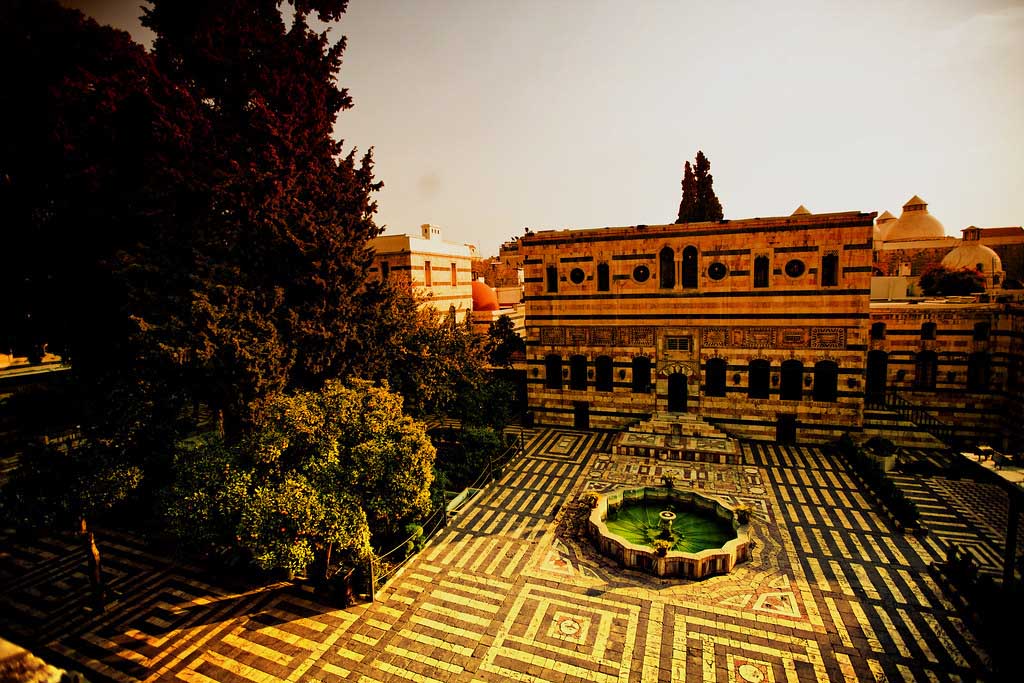
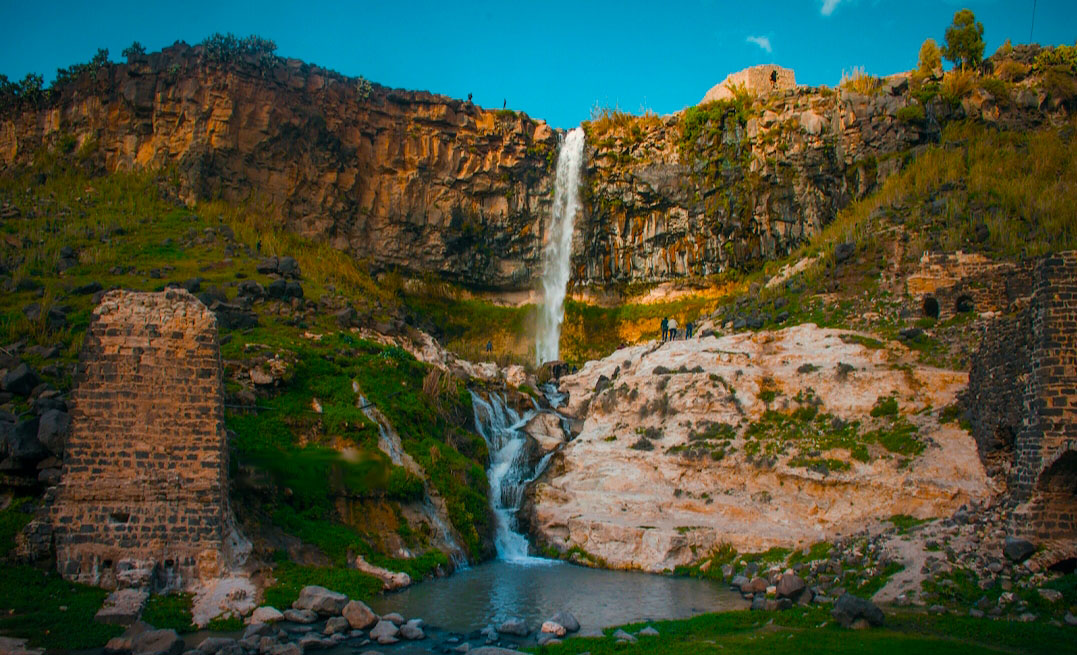
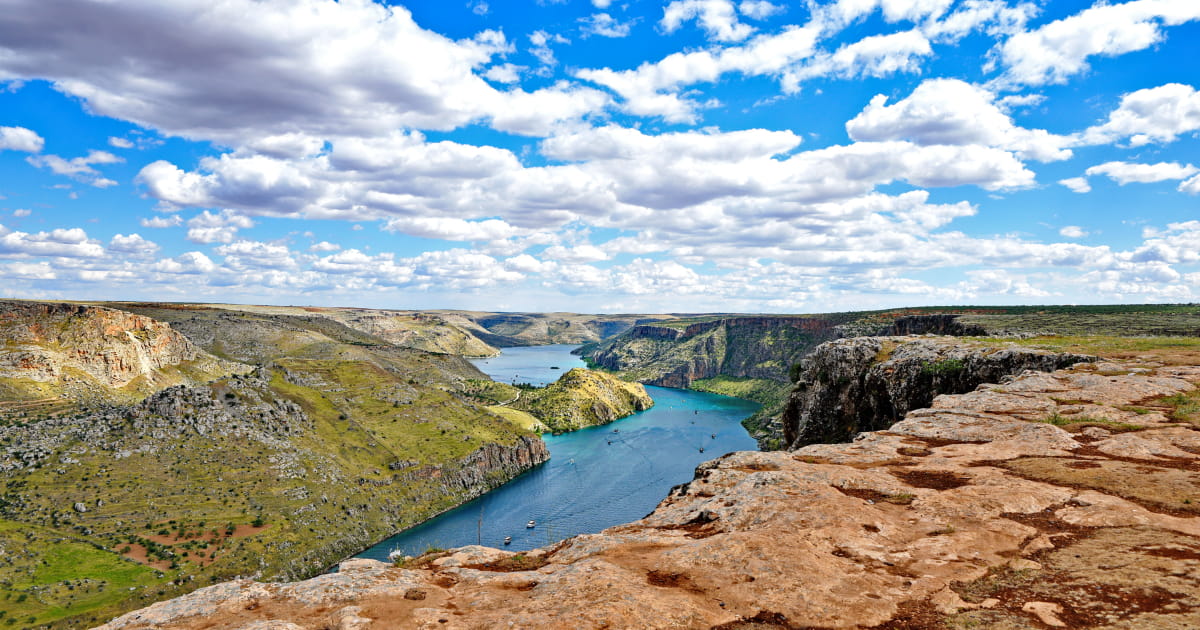
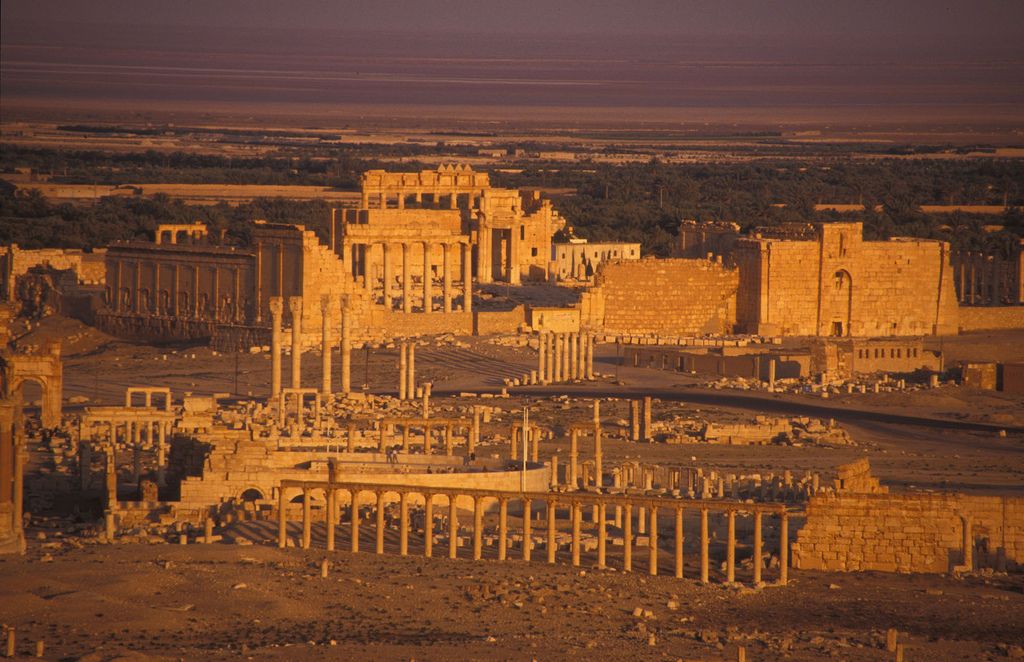
Palmyra (Tadmor): The Pearl of the Desert: Hidden in the heart of the Syrian desert lies one of the world’s most legendary ancient cities — Palmyra, known in Arabic as Tadmor. For centuries, this oasis city stood as a glittering jewel on the Silk Road, bridging East and West through trade, art, and culture. A visit to Palmyra is not just a journey into Syria’s past — it’s a step into world history.
Palmyra | Quick Info
| Topic | Quick Info |
|---|---|
| Name | Palmyra (Tadmor) / تدمر |
| Location | Central Syria, in the Syrian Desert, northeast of Damascus |
| Historical Period | 2nd millennium BCE – 3rd century CE |
| Peak Era | Roman period (1st–3rd centuries CE) |
| Famous For | Grand Greco-Roman ruins, Temple of Bel, colonnaded streets, and monumental archways |
| Historical Role | Major caravan city connecting the Roman Empire with Persia, India, and China along trade routes |
| Notable Figures | Queen Zenobia, who led a revolt against Rome in the 3rd century CE |
| Architecture | Blend of Greco-Roman, Persian, and local Semitic styles |
| UNESCO Status | World Heritage Site since 1980 |
| Significance | Symbol of Syria’s ancient grandeur and a key center of cultural and commercial exchange in antiquity |
Where Is Palmyra?
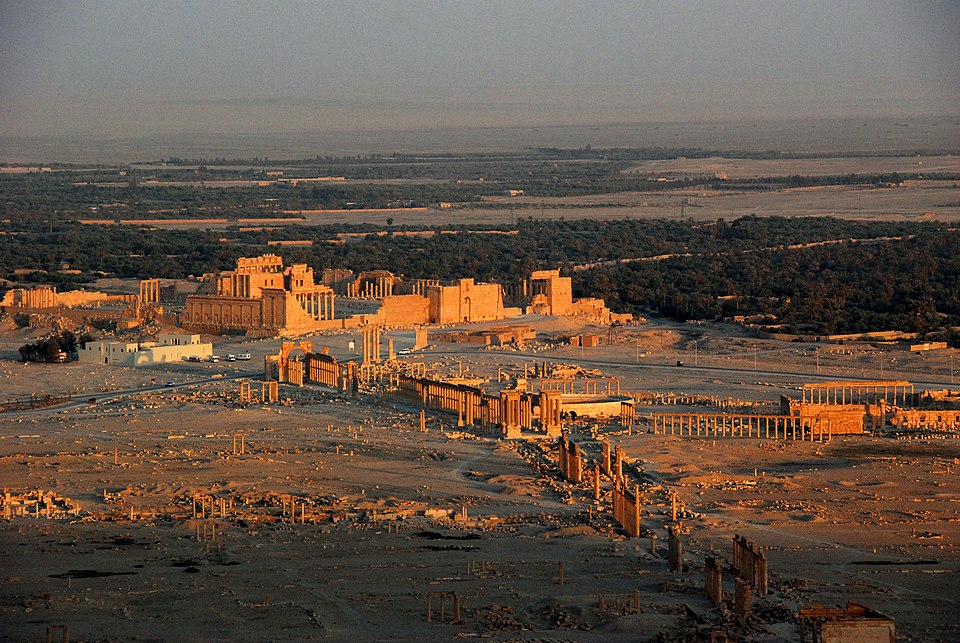
Palmyra is located approximately 210 kilometers northeast of Damascus, situated in the arid Syrian desert. Once a vital caravan stop between the Mediterranean and Mesopotamia, Palmyra thrived on trade, drawing wealth and influence from every corner of the ancient world.
Today, despite suffering damage in recent years, the city’s ruins remain a testament to Syria’s enduring cultural richness — and a must-see for history lovers and curious travelers alike.
A Glorious Past
Palmyra’s origins stretch back over 4,000 years, first mentioned in ancient Assyrian texts from the second millennium BCE. Its name, Tadmor, is thought to mean “City of Dates,” a nod to the region’s natural oasis. Under Roman rule, Palmyra rose to prominence as a prosperous city in the 1st and 2nd centuries CE, becoming one of the most important cultural and commercial centers in the region.
The city reached its zenith under Queen Zenobia in the 3rd century CE. A powerful and charismatic ruler, Zenobia led a revolt against Rome and briefly established an independent Palmyrene Empire stretching from Egypt to Asia Minor. Though eventually defeated, her legacy endures as a symbol of pride and defiance in Syrian and Arab history.
What Can Tourists See in Palmyra?
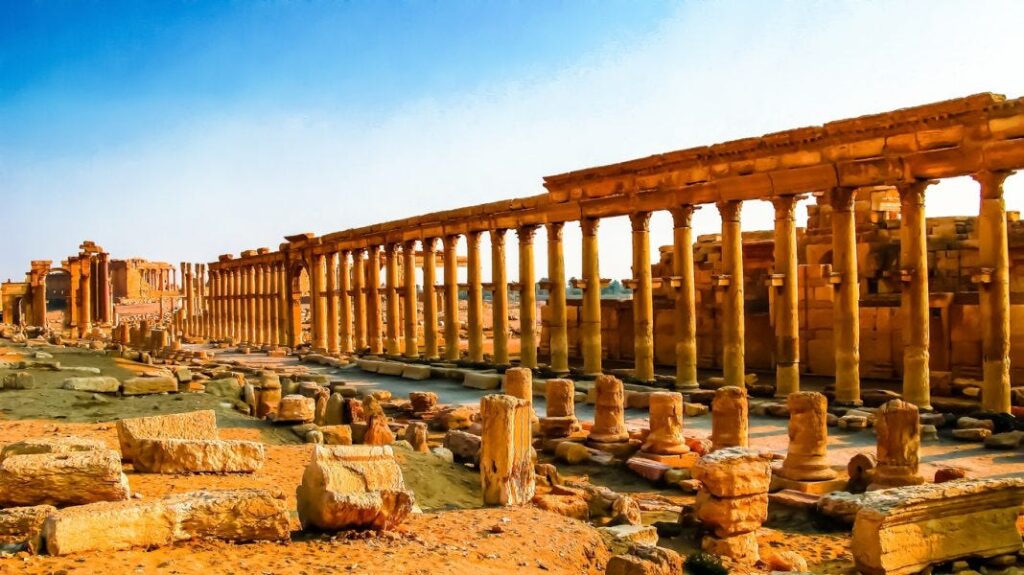
Despite damage during recent conflicts, many parts of Palmyra have survived or been restored, and international efforts are underway to rebuild the most significant monuments.
Here’s what every visitor should explore:
- Temple of Bel (Baal): One of the most impressive and sacred structures in the Middle East. Dedicated to the Mesopotamian god Bel, this massive temple once featured towering columns and a richly adorned inner sanctuary. Although partially destroyed, key elements of the temple still stand, and reconstruction efforts are active.
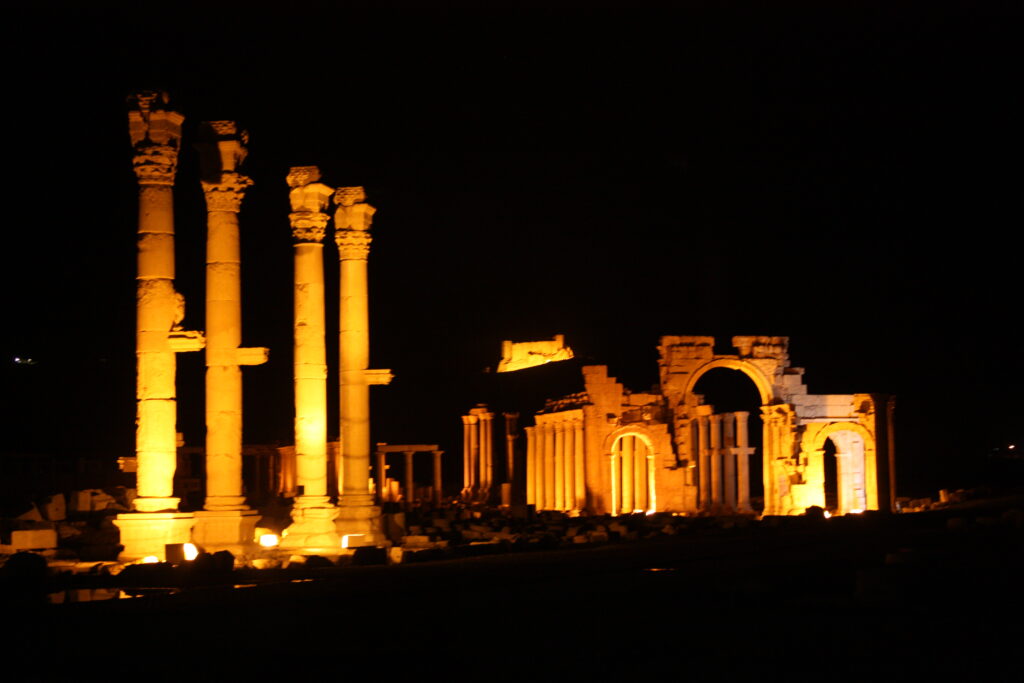
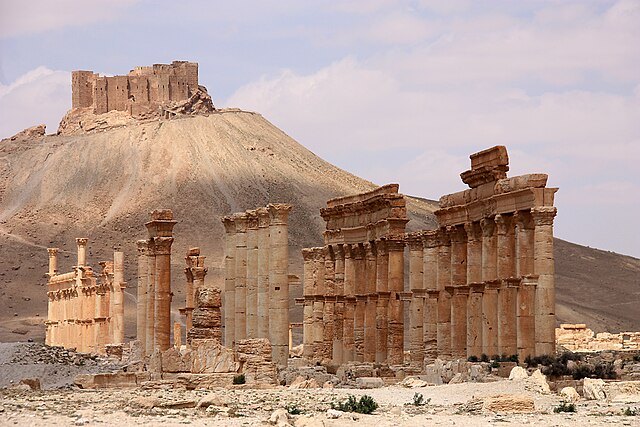
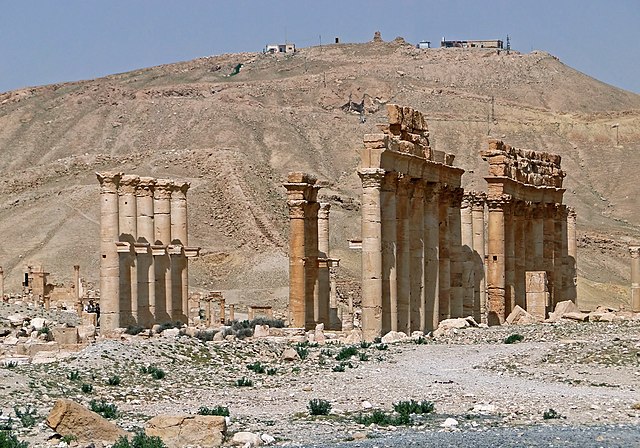
- Colonnaded Street : A breathtaking 1.1-kilometer-long Roman avenue lined with Corinthian columns and triumphal arches. Once the heart of the city’s commercial life, now a perfect place to walk in the footsteps of ancient traders and travelers.
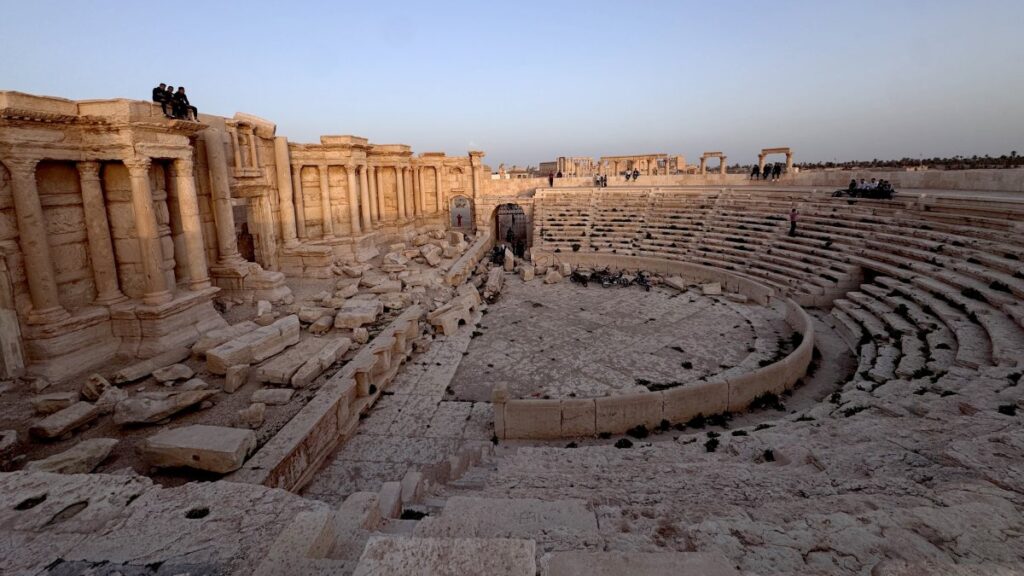
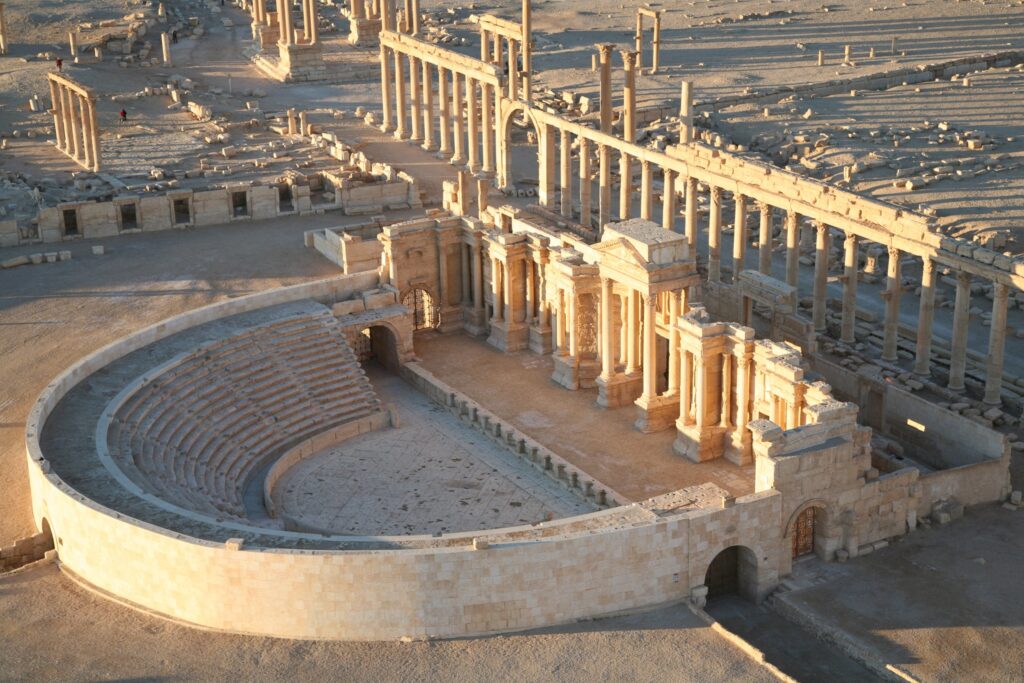
- Roman Theater: Located near the Agora, this semi-circular theater once hosted plays, festivals, and ceremonies. Still largely intact, it offers a glimpse into the vibrant social life of ancient Palmyra.
- Valley of the Tombs : A hauntingly beautiful area just outside the city walls. Features monumental tower tombs built for Palmyrene nobles and merchants, many with detailed inscriptions and reliefs inside.
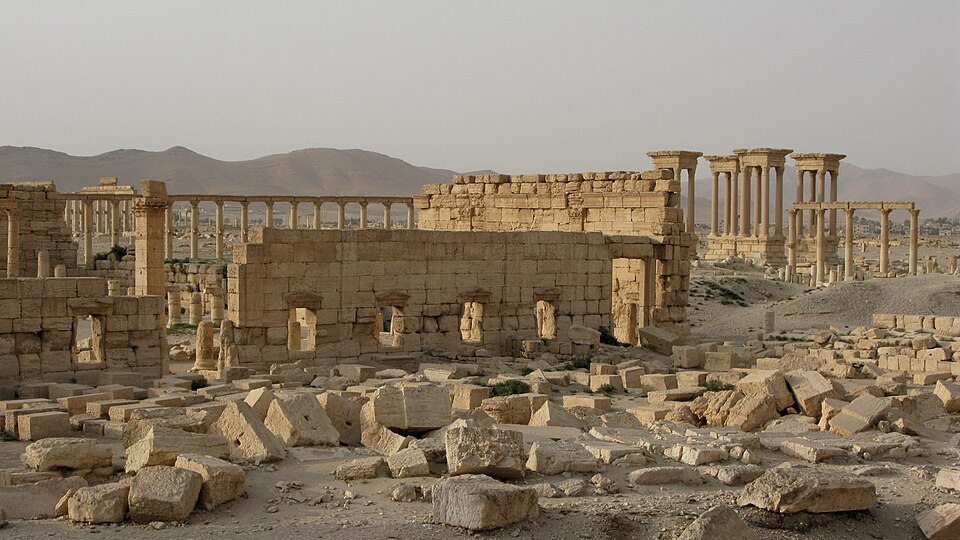
- Tetrapylon: Four large plinths, each supporting a group of Corinthian columns. Once marked a major crossroads of the colonnaded street, now a symbolic structure often used in images of Palmyra.
Best Time to Visit
The ideal time to visit Palmyra is between October and April, when the desert heat is more bearable and the weather is mild. Avoid visiting in peak summer months, as temperatures can exceed 40°C (104°F).
How to Get There
- From Damascus, Palmyra is about 3.5–4 hours by car.
- Private taxis, local guides, and travel agencies can arrange tours or day trips.
- Some agencies in Damascus or Homs offer organized group tours with historical commentary.
Travel Tips
- Bring plenty of water and sun protection, especially during midday.
- Wear comfortable walking shoes, as the archaeological site is expansive and involves uneven terrain.
- Hire a local guide if possible — many are extremely knowledgeable and can bring the ruins to life with stories from ancient times.
- Photography is allowed, but drones may require special permission.
- Always respect the signs and avoid climbing on fragile ruins, as some areas are still under restoration.
Safety & Accessibility
Palmyra has reopened to tourists in recent years, but it’s essential to check current travel advisories and consult local authorities or agencies before planning a trip.
Some areas may be under restricted access for archaeological protection or security.
Where to Stay
Accommodation in Palmyra itself is currently limited, but nearby cities such as Homs or Damascus offer many hotel options.
Day trips are the most common approach for visitors.
Why Visit Palmyra?

Palmyra isn’t just an archaeological site — it’s a symbol of Syria’s resilience, spirit, and cultural wealth. From the sun-drenched columns to the windswept tombs, the city offers a glimpse into a world where civilizations met, mingled, and flourished.
Even in the face of adversity, Palmyra continues to inspire and welcome travelers eager to connect with its timeless legacy.
Final Thoughts
For those who dream of walking through ancient history, Palmyra is unforgettable. Whether you’re a photographer, historian, or simply a curious traveler, this desert marvel will leave a deep impression on your soul.
Include Palmyra in your Syrian journey — and discover the story of a queen, a city, and a civilization that still echoes across the sands of time.
For History Lovers: Palmyra Through the Ages
Palmyra (Tadmor in Arabic) is located in central Syria, amid the Syrian Desert, approximately 215 km northeast of Damascus. The city’s origins date back to the second millennium BCE, but it rose to fame under Roman rule between the 1st and 3rd centuries CE. Palmyra blended Greco-Roman architecture with Persian and local styles, creating a unique cultural fusion that remains evident in its ruins.
Historically, Palmyra was home to Queen Zenobia, who led a revolt against the Roman Empire and briefly established the Palmyrene Empire. The city became a UNESCO World Heritage Site in 1980, recognized for its immense cultural and architectural value.
Origins Before Rome
Palmyra (Tadmor) is mentioned in ancient Assyrian texts as early as the second millennium BCE, described as a prosperous desert oasis. The name “Tadmor” even appears in the Bible — in 2 Chronicles 8:4, it’s said that King Solomon built Tadmor in the wilderness, suggesting the site held importance even in early Hebrew and Aramaic traditions.
The settlement grew thanks to its natural spring (Afqa Spring), which allowed for agriculture and rest for caravans traveling between Mesopotamia, Persia, and the Mediterranean. Early Palmyra was a fusion of Semitic, Aramean, and Arab tribes, laying the groundwork for its diverse cultural identity.
Roman Expansion and Golden Age
By the 1st century CE, Palmyra was annexed by the Roman Empire, though it retained significant autonomy. The city became a client state, flourishing as a crucial stop on the Silk Road. Goods such as silk, spices, incense, pearls, and precious metals passed through Palmyra, enriching the city and its elite.
Palmyrenes spoke Palmyrene Aramaic, used a modified Greek script, and practiced a blend of pagan, Greco-Roman, and Semitic religions. Deities such as Bel (Baal), Aglibol (moon god), and Malakbel (sun god) were worshipped in magnificent temples.
The city’s architecture reflected its international character: Roman colonnades, Greek theaters, Mesopotamian temples, and Persian artistic flourishes all coexisted, creating one of the most cosmopolitan cities of antiquity.
The Rise and Fall of Queen Zenobia
Palmyra’s most celebrated historical figure is Queen Zenobia, who ruled in the late 3rd century CE. After the assassination of her husband, King Odaenathus, she assumed power and expanded Palmyrene influence across the Eastern Roman Empire.
Zenobia famously conquered Egypt, marched into Asia Minor, and declared herself Empress of the East. Fluent in several languages and well-educated, Zenobia promoted arts, architecture, and culture during her reign.
But in 272 CE, Roman Emperor Aurelian launched a campaign to reassert control. Zenobia was captured and taken to Rome in golden chains. While her empire crumbled, her legend lived on, inspiring writers, historians, and nationalists for centuries.
Byzantine, Islamic, and Later Periods
Under Byzantine rule, Palmyra declined but remained a garrison town. During the 7th century Islamic conquest, the city transitioned into a Muslim settlement. While no longer a major trade hub, its ruins were admired by Arab travelers like Ibn Battuta.
In the Ottoman period, Palmyra was inhabited by Bedouin tribes and remained a remote yet intriguing destination for European travelers, including archaeologists and Orientalists in the 17th–19th centuries.
Modern Tragedy and Recovery
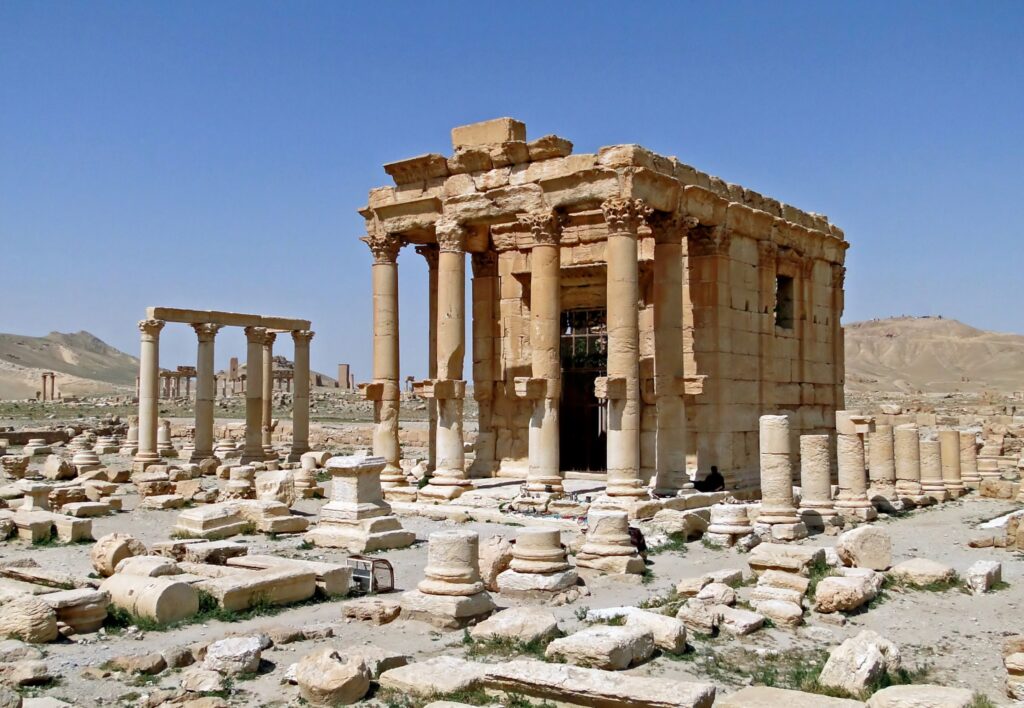
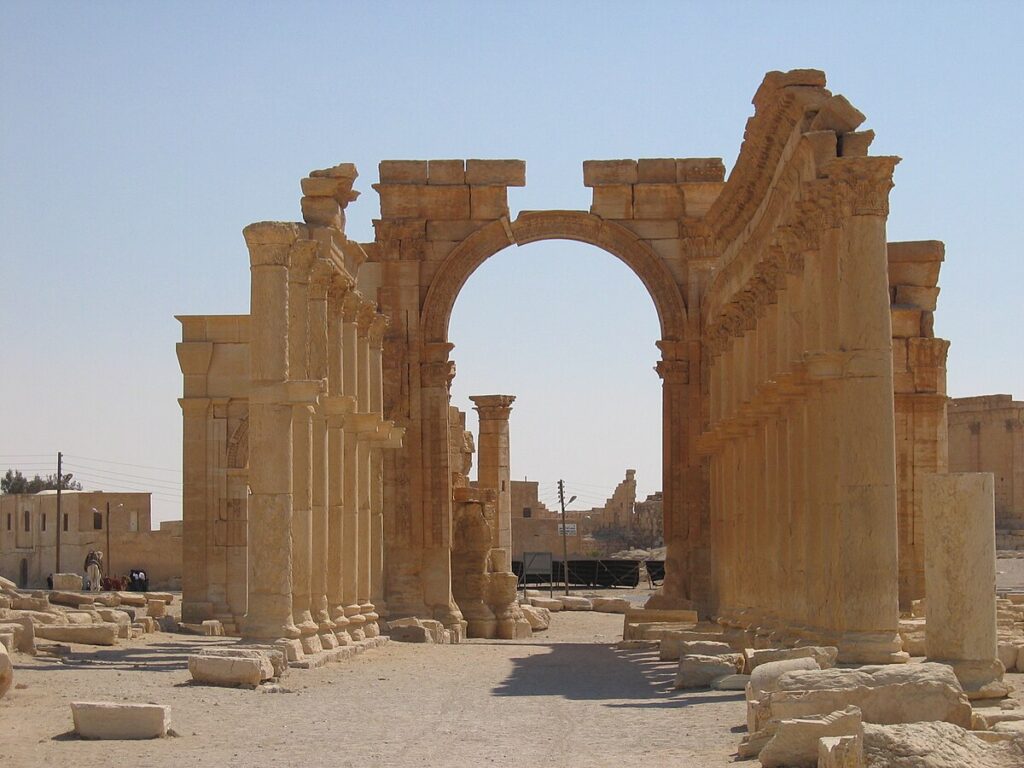
In recent years, Palmyra faced destruction during conflict, with ISIS causing severe damage to several monuments, including the Temple of Bel, the Arch of Triumph, and numerous tombs. However, global outcry led to ongoing international restoration efforts. UNESCO and the Syrian Directorate-General of Antiquities and Museums are working with archaeologists to document, preserve, and restore the site.
Despite its scars, Palmyra remains a UNESCO World Heritage Site — and a symbol of the enduring legacy of Syrian civilization.
What Remains Standing
Despite the destruction, many of Palmyra’s architectural landmarks have survived, some almost entirely.
The Colonnaded Street
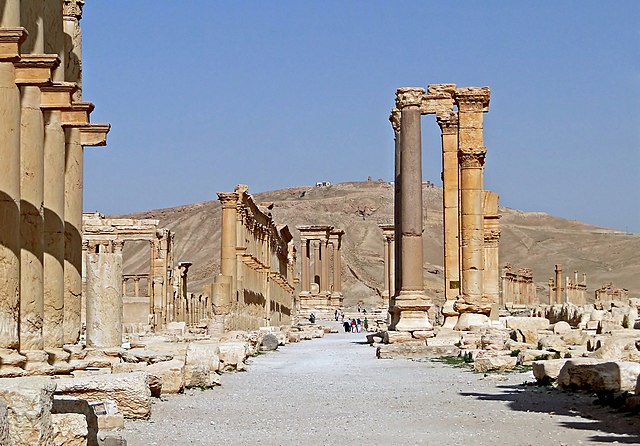

Palmyra’s famous colonnaded street remains one of the most photogenic and intact parts of the ancient city. Stretching over 1 km, it was the central thoroughfare, flanked by monumental columns, once lined with shops, temples, and administrative buildings.
- What to see: Dozens of standing columns, architraves, and partially intact side streets.
- Significance: Showcases the Roman influence on Palmyrene urban design.
The Roman Theater
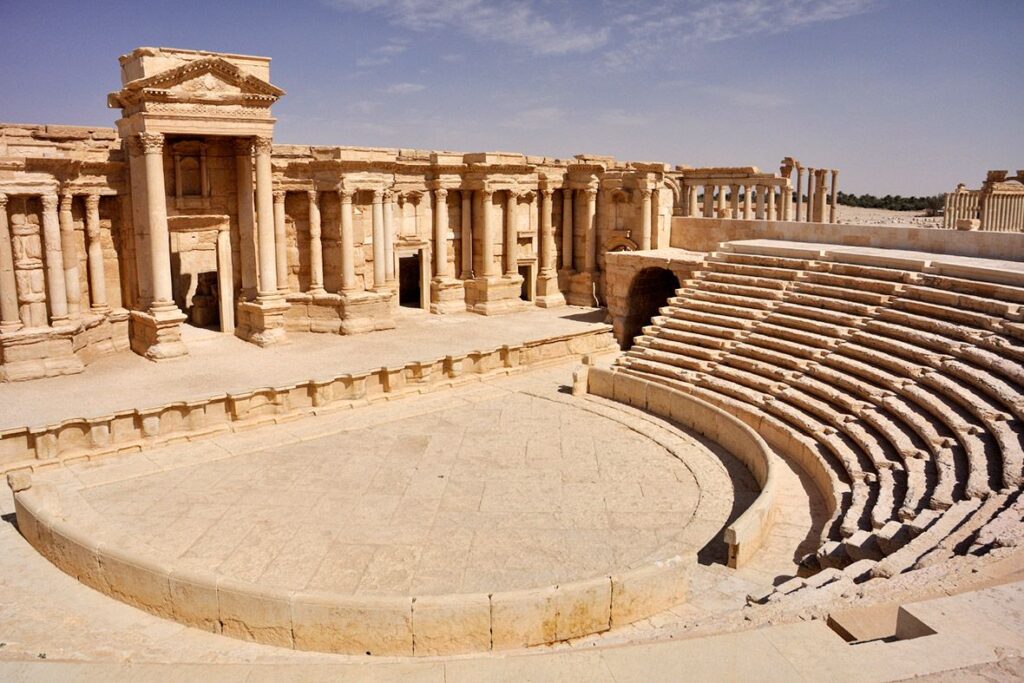
The theater, although slightly damaged, remains remarkably preserved. Originally constructed in the 2nd century CE, it served as a venue for plays and public ceremonies.
- What to see: Intact seating rows, stage, orchestra area, and backdrop columns.
- Noteworthy fact: Used by ISIS for public executions, but remains structurally sound.
The Tetrapylon
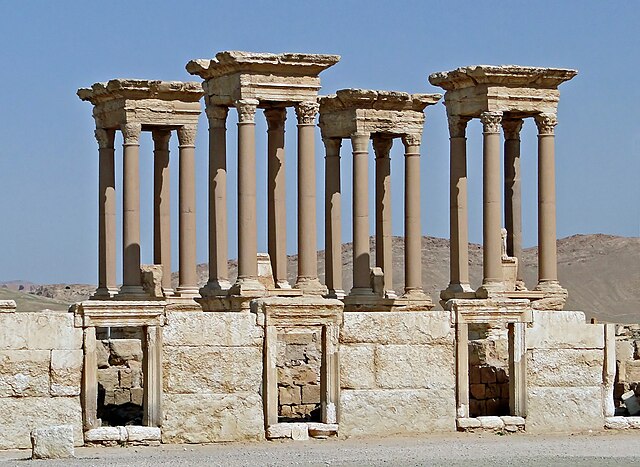
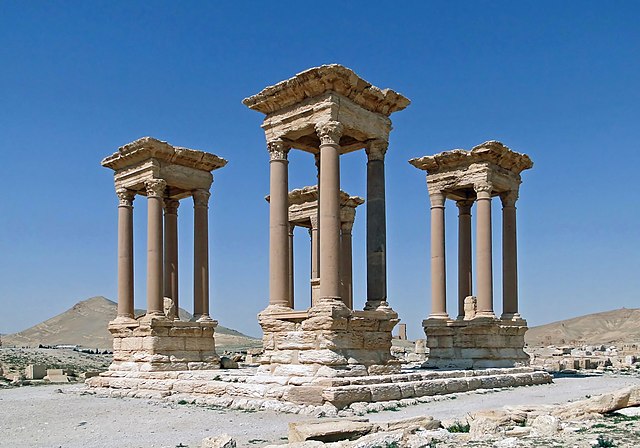
This four-pillared monument marked a significant crossroad in the city. ISIS damaged several of its columns, but restoration is under consideration.
- What to see: Surviving columns and platform base.
- Significance: Symbol of Palmyra’s Roman city planning.
Diocletian’s Camp (Camp of Diocletian)
Built by the Romans as a military base, the camp’s layout and some walls are well-preserved.
- What to see: Gateways, defensive walls, and barracks.
- Significance: Offers insight into Roman military strategy in desert conditions.
The Agora and Public Baths
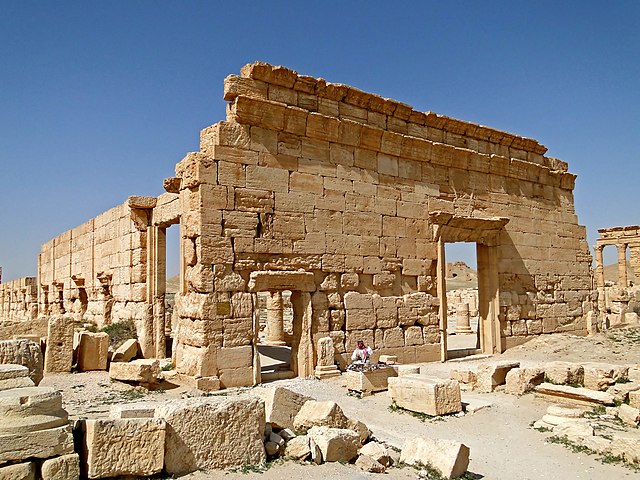
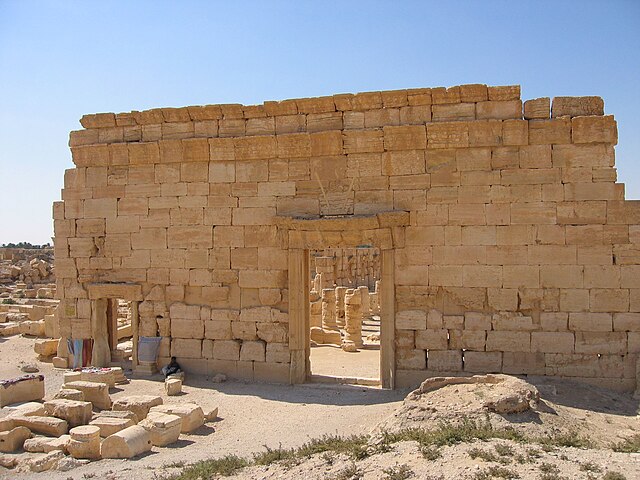
The agora (public marketplace) and nearby baths reveal the city’s bustling commercial life.
- What to see: Columns, market stalls, and bathing structures.
- Condition: Partial remains with clear outlines of original structures.
Qalaat Shirkuh (Fakhr al-Din al-Ma’ni Castle)
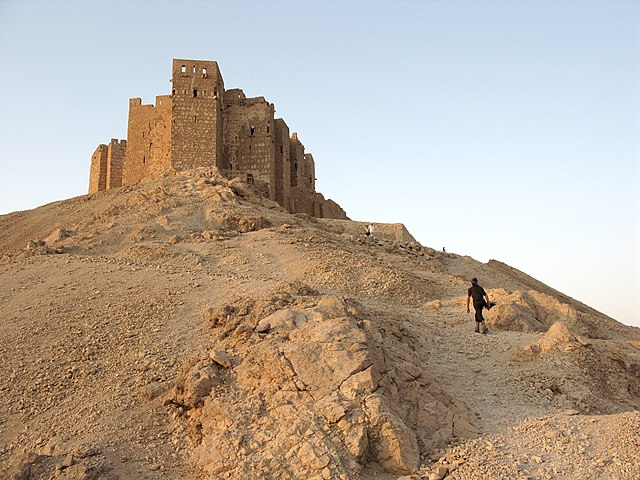
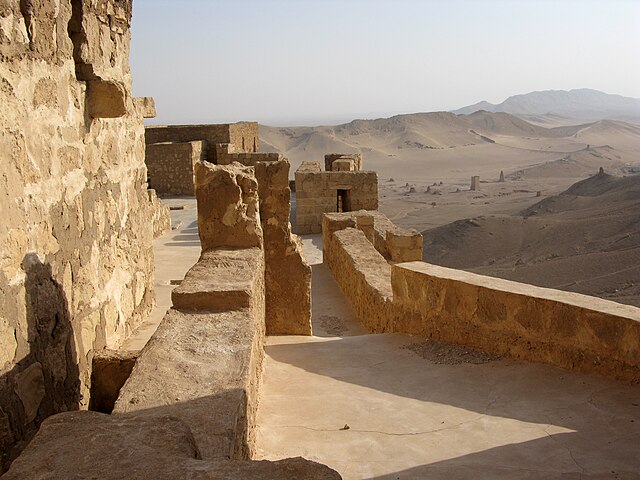
Overlooking Palmyra, this medieval Arab castle offers panoramic views of the ruins below.
- What to see: Exterior walls, towers, and access paths.
- Status: Damaged but still accessible with caution.
What Was Destroyed
Tragically, some of Palmyra’s most iconic monuments were deliberately demolished.
Temple of Bel
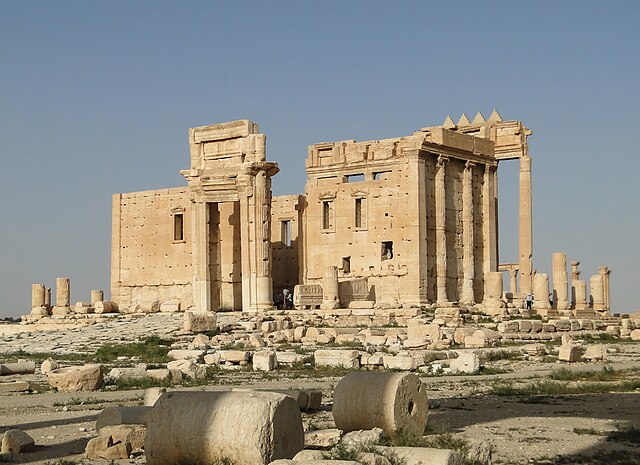
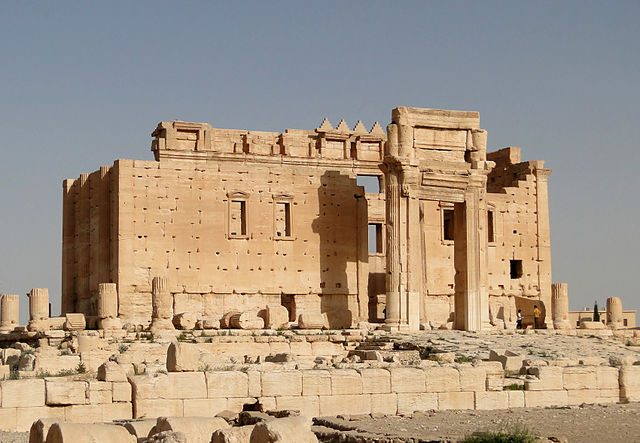
One of the most important religious buildings of the 1st century CE, dedicated to the Mesopotamian god Bel.
- Destruction: ISIS blew up the inner sanctum and much of the surrounding colonnade in 2015.
- What remains: Some outer columns and entrance fragments.
- Restoration: Virtual reconstruction projects are underway.
Temple of Baalshamin
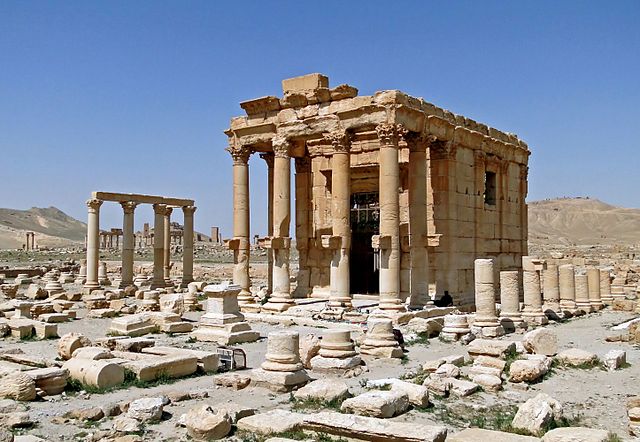
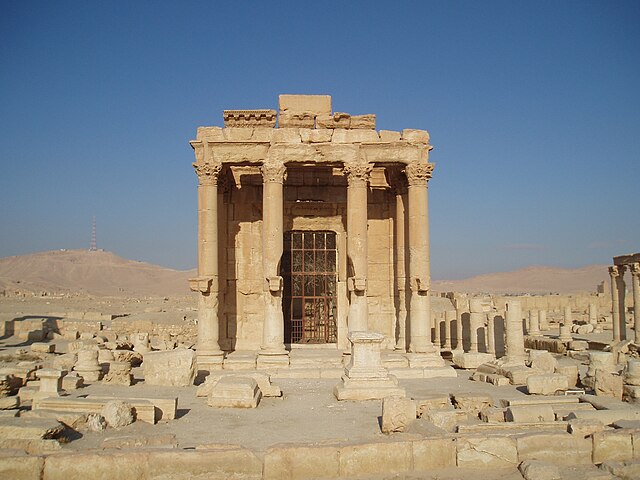
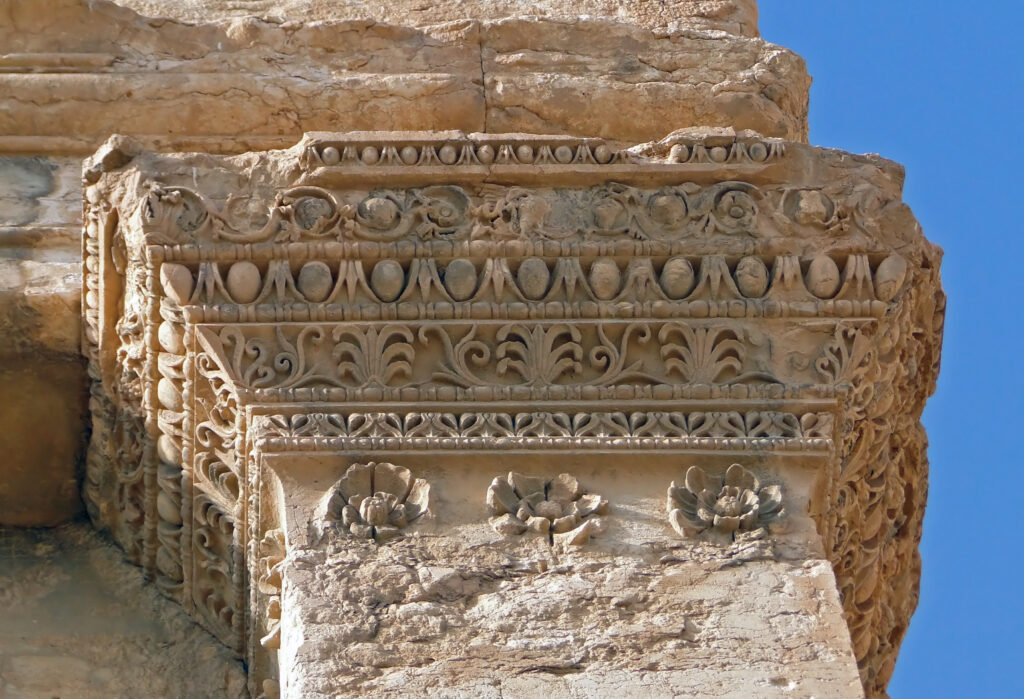
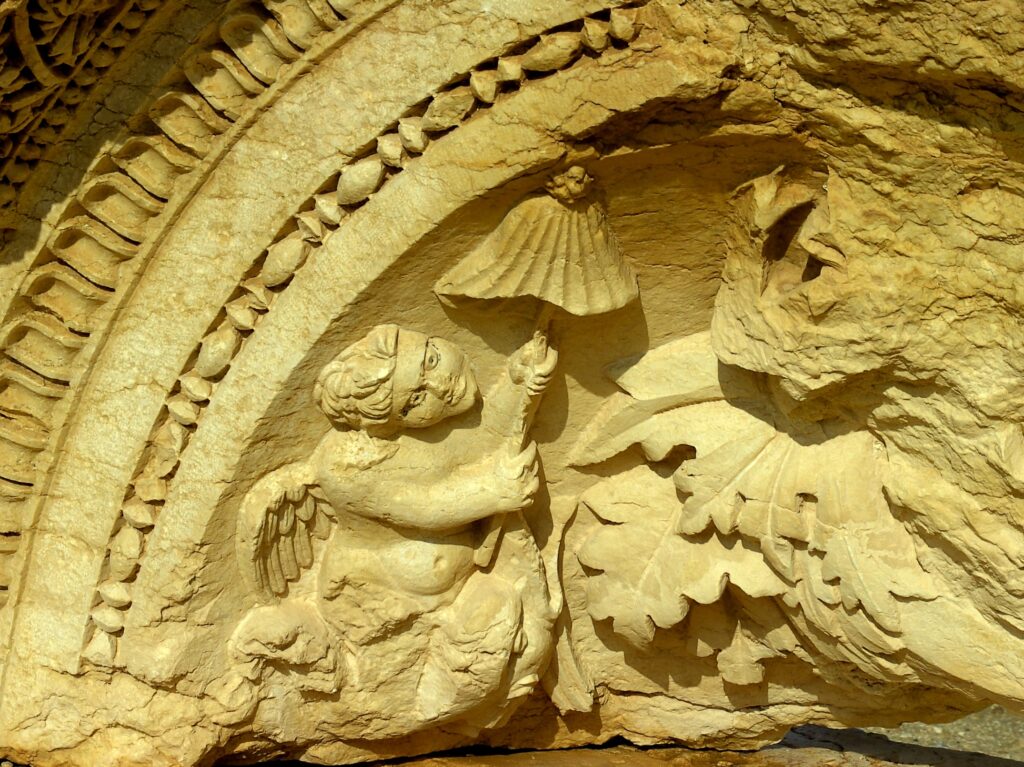
Built in the 2nd century CE, this smaller but exquisite temple was known for its detailed carvings.
- Destruction: Completely destroyed in 2015.
- Current status: Only foundation stones and scattered blocks remain.
Arch of Triumph (Arch of Hadrian)
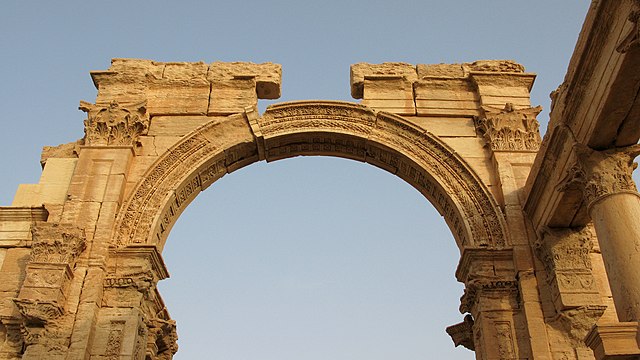
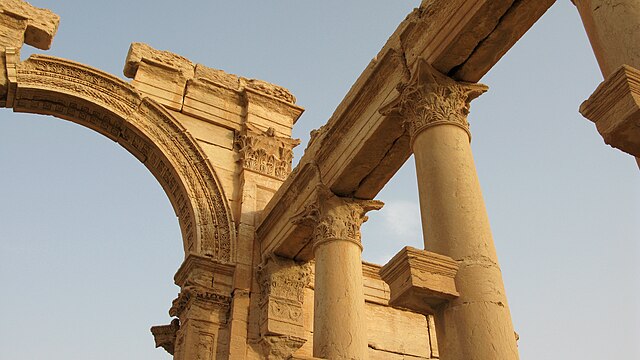
This triple arch once welcomed visitors into the city’s grand colonnaded avenue.
- Destruction: Blown up by ISIS in 2015.
- Reconstruction: A full-scale replica was exhibited in London, New York, and Florence.
The Funerary Temple
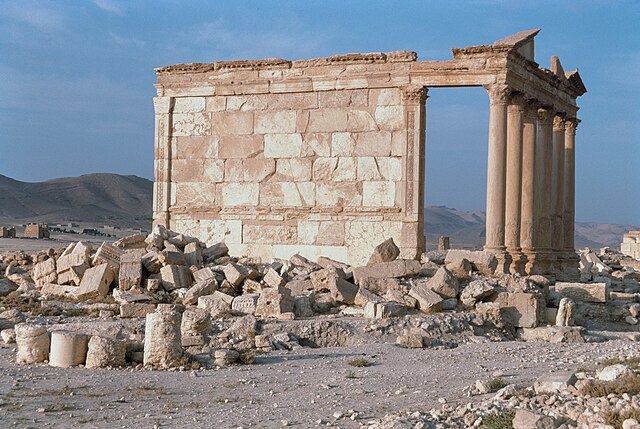
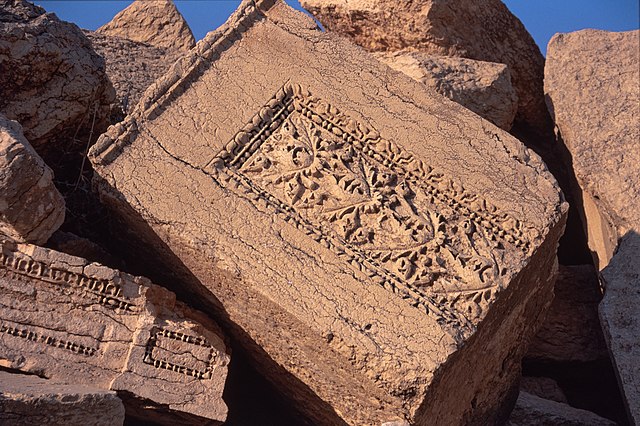
An elaborate mausoleum located in the Valley of the Tombs.
- Destruction: Severely damaged.
- Current state: Remains of outer walls and foundations only.
Tower Tombs and Valley of the Tombs
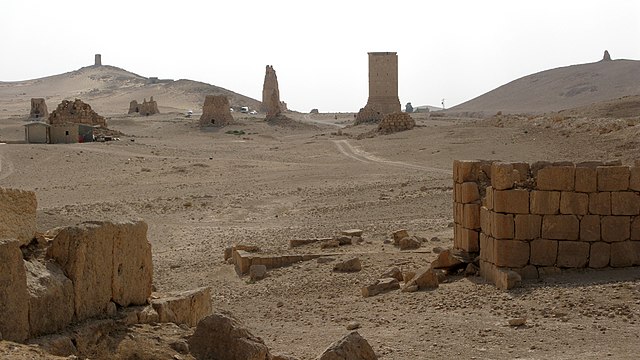
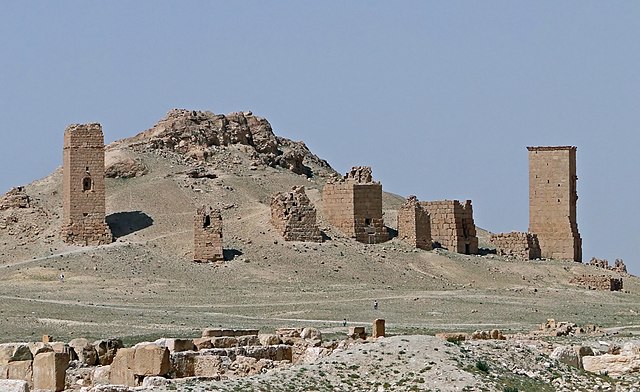
Palmyra was famous for its tower tombs, which served as family mausoleums.
- Destruction: Many were destroyed or looted.
- What remains: Some partial towers and underground tombs.
Palmyra Museum

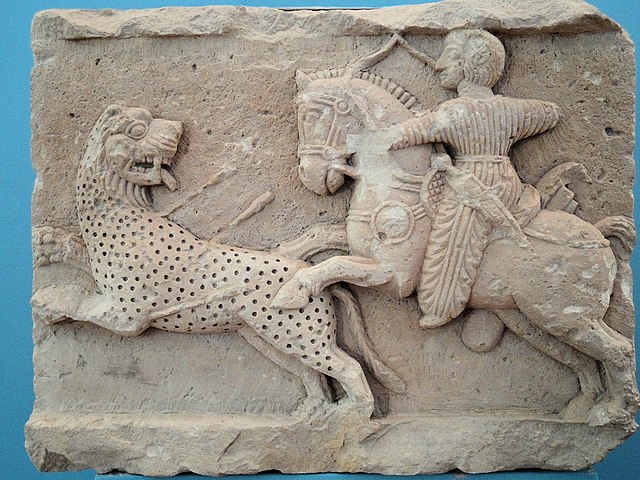
- Destruction: Museum was looted; artifacts were stolen or damaged.
- Current status: Structure still stands but is not open to the public. Some items were rescued and moved to Damascus.
See Also : Bosra Old City
Conservation Efforts
UNESCO, the Syrian Directorate-General of Antiquities and Museums (DGAM), and international partners have begun planning and preliminary restoration efforts.
- Documentation: 3D scanning, photogrammetry, and satellite imaging are being used to plan reconstruction.
- Training: Syrian archaeologists are being trained in conservation techniques.
- Challenges: Security, funding, and political instability slow down physical restoration.
Some projects are focusing on:
- Stabilizing remaining structures.
- Preventing further looting.
- Rebuilding iconic landmarks (e.g., Arch of Triumph, Temple of Bel) using original stones where possible.
Finally.. If you have any questions, please contact us. To explore further, visit our website gallery for rare images and cultural highlights.
Sources & References:
UNESCO – World Heritage Centre: https://whc.unesco.org
Archnet – Architecture & Heritage Database: https://www.archnet.org
World History Encyclopedia: https://www.worldhistory.org
Syrian Heritage Archive Project: https://syrian-heritage.org
Global Encyclopedia: Wikipedia