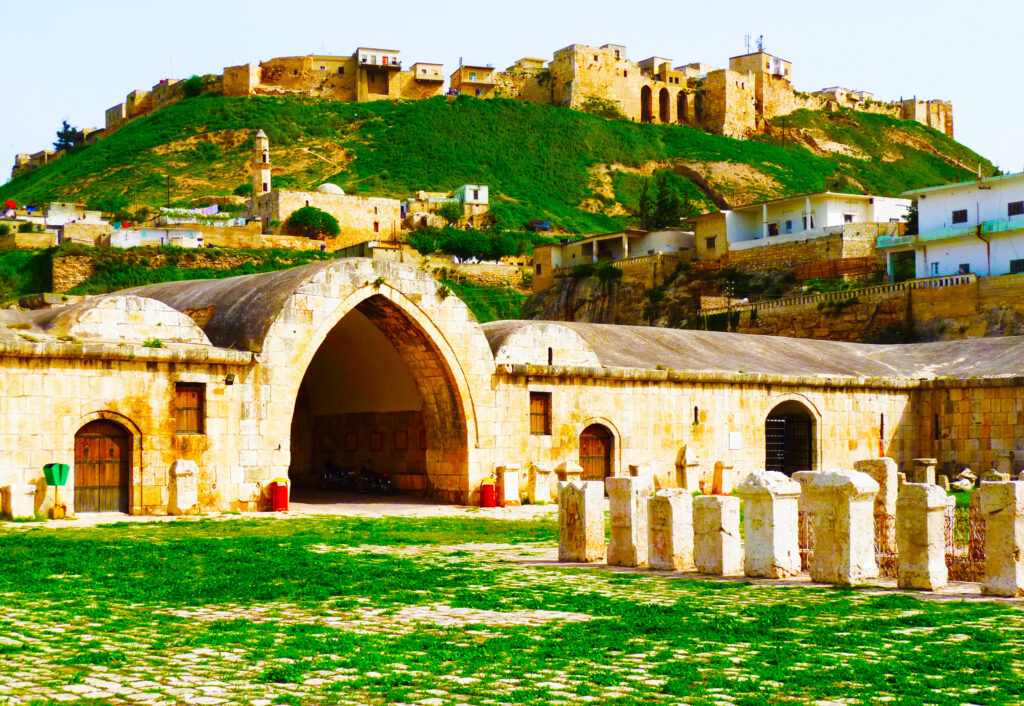
Qalaat al-Madiq A Fortress Overlooking the Ancient City of Apamea: In the heart of northwestern Hama Governorate lies one of Syria’s most historically rich and scenically positioned castles Qalaat al-Madiq This hilltop fortress stands as a silent guardian over the ruins of ancient Apamea one of the great Greco-Roman cities of the classical world For visitors drawn to history architecture and panoramic landscapes Qalaat al-Madiq offers a journey through centuries of cultural exchange conquest and survival
| Topic | Quick Info |
|---|---|
| Name | Qalaat al-Madiq / قلعة المضيق |
| Location | Northwestern Hama Governorate, Syria |
| Historical Period | Originally Hellenistic, expanded during Byzantine, Crusader, and Ayyubid eras (from 4th century BCE to 13th century CE) |
| Overlooks | The ancient Greco-Roman city of Apamea |
| Architectural Style | Mixed Hellenistic, Byzantine, Crusader, and Islamic fortification styles |
| Strategic Importance | Controlled routes between the coast and inland Syria; key stronghold during multiple historical periods |
| Current Status | Preserved hilltop fortress and gateway to Apamea’s archaeological site |
| Notable Features | Massive stone walls, towers, inner citadel, and panoramic views of the Orontes Valley |
| Significance | Symbol of Syria’s layered history — from classical antiquity to the medieval Islamic world |
A Crossroads of Civilizations
Qalaat al-Madiq is located on a natural elevation at the edge of the Orontes River valley Its strategic position made it a vital point of defense and administration for many civilizations including the Seleucids Romans Byzantines Islamic dynasties Crusaders and Ottomans Each of these powers left behind traces that shaped the fortress into the layered structure visible today
The name Madiq means narrow passage or gorge in Arabic reflecting its geographical role as a gateway between the coastal regions and the inland plains of Syria Throughout history controlling this passage meant controlling trade military movement and access to Apamea which lies just below the fortress
Ancient Apamea A City Beneath the Castle
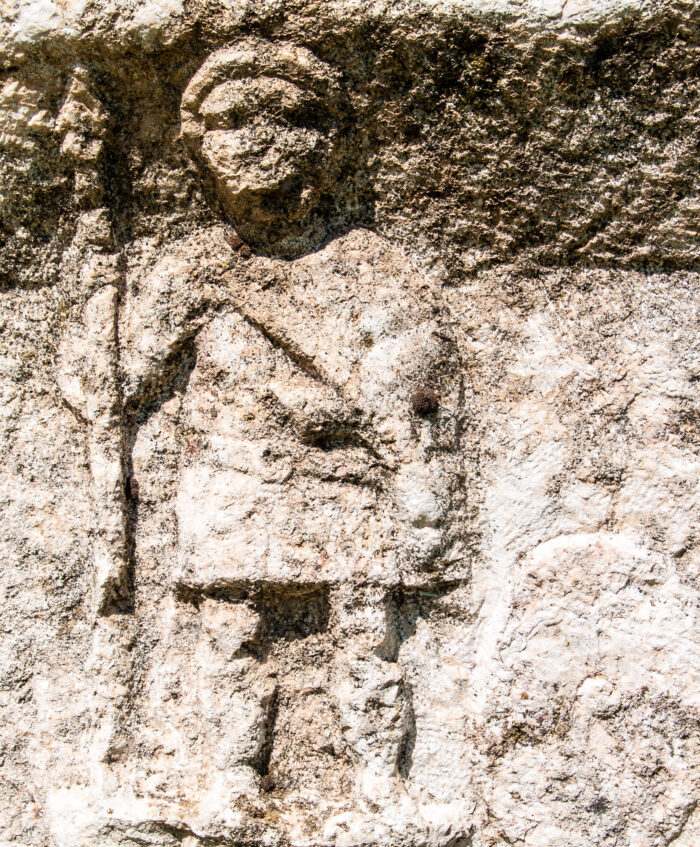
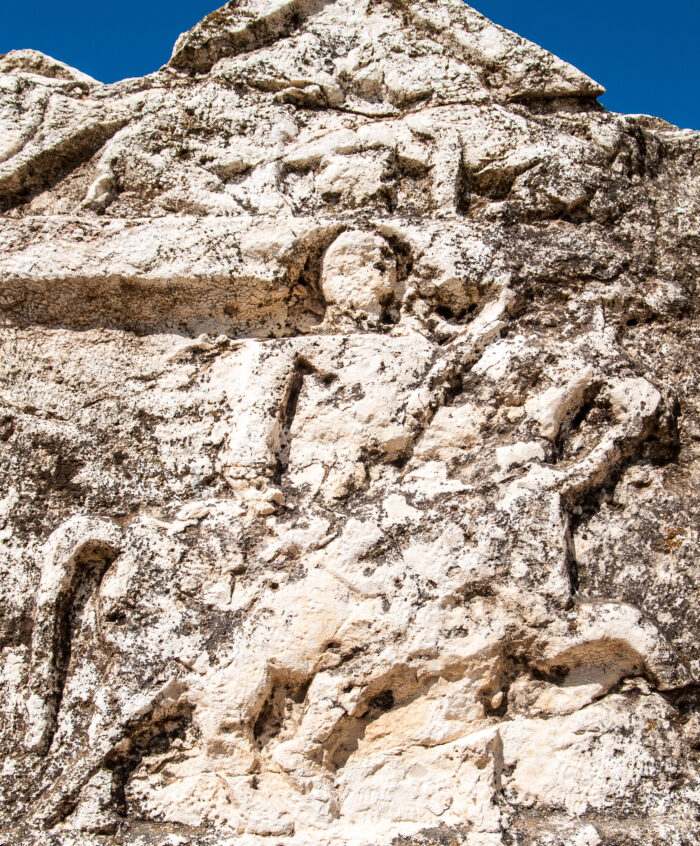

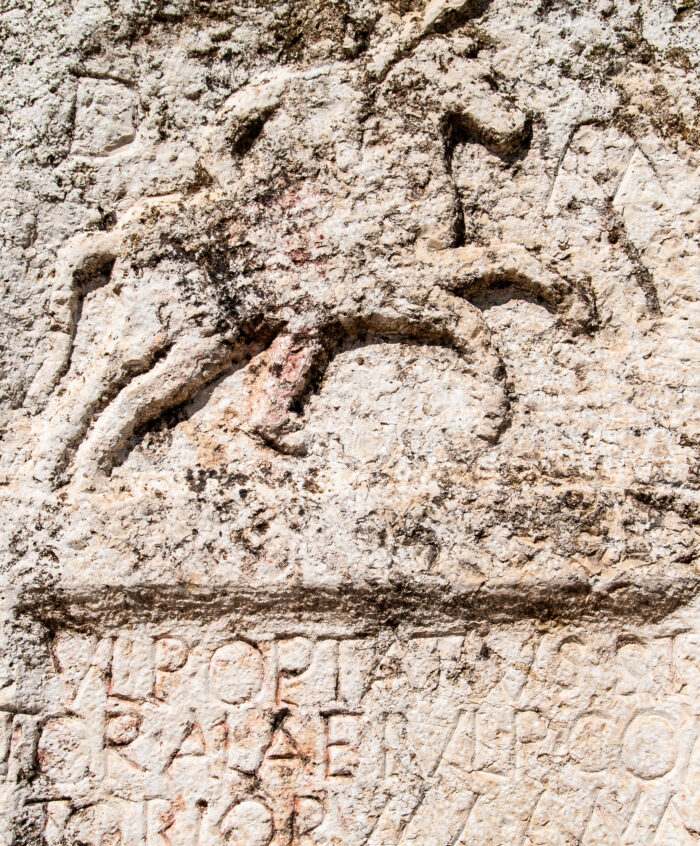

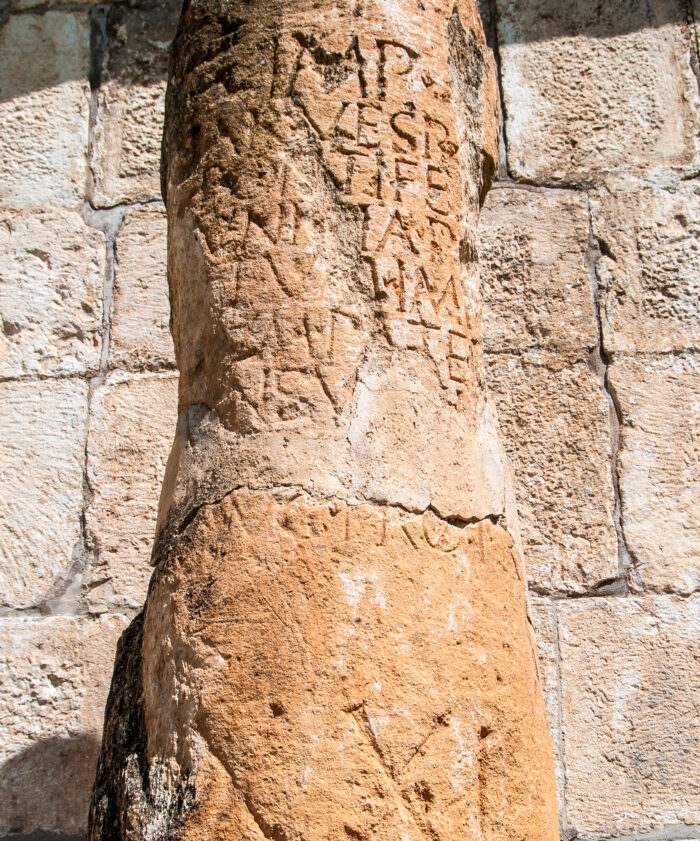
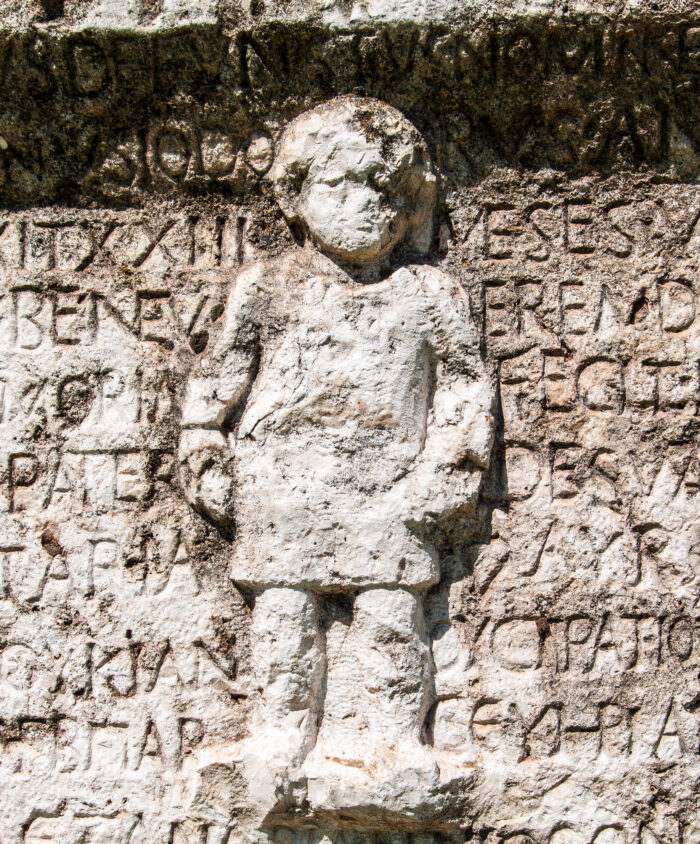


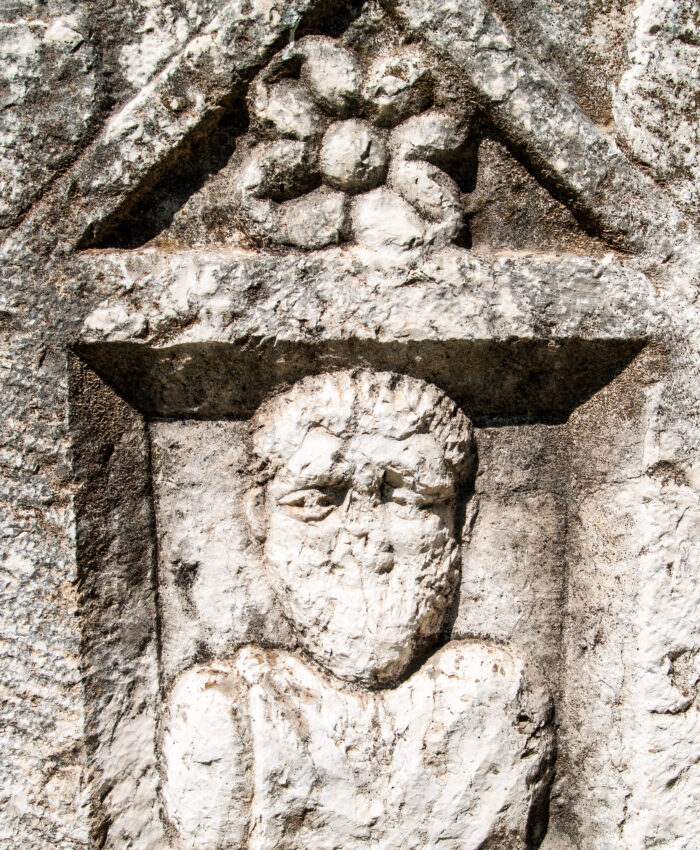
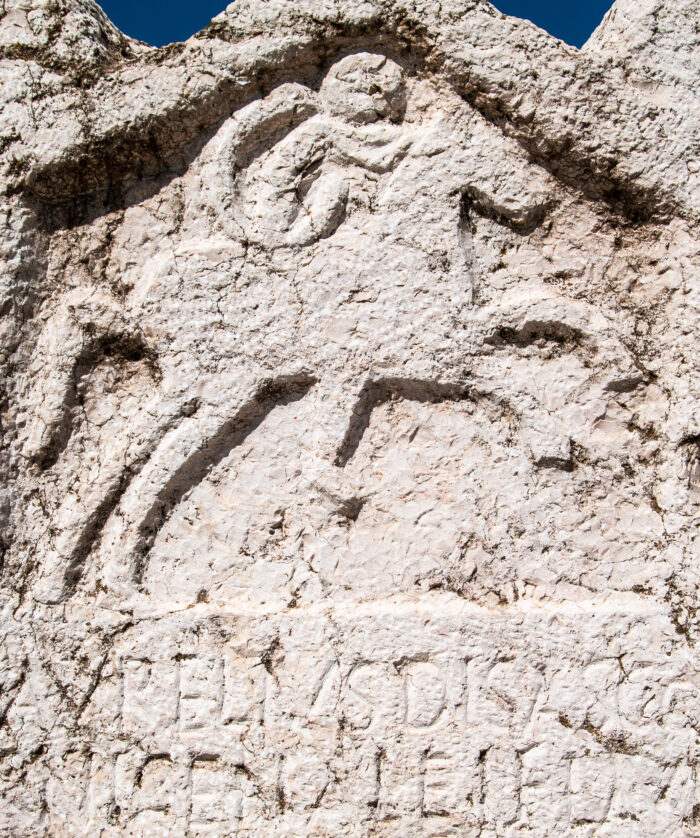
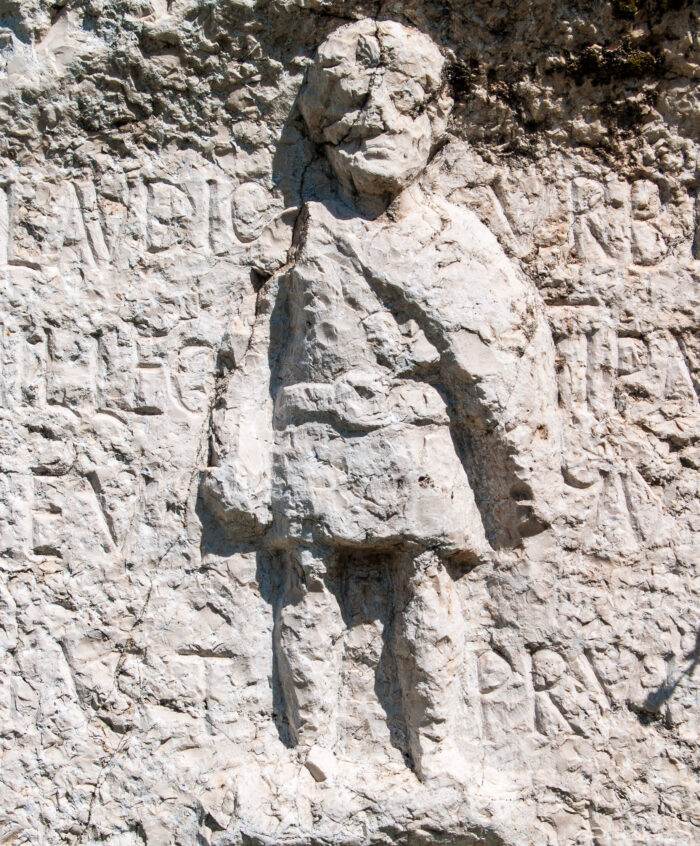
Before exploring the castle itself visitors are often captivated by the massive archaeological site that spreads out beneath it Ancient Apamea was once home to over half a million people and one of the most important cities in the Roman East Its most famous feature is the grand colonnaded avenue stretching for nearly two kilometers one of the longest of its kind in the ancient world
Standing atop Qalaat al-Madiq offers a commanding view of this avenue temples Roman villas and Byzantine-era churches The proximity of the ancient ruins adds immense historical depth to the castle experience and makes this site truly exceptional for archaeology lovers
Historical Overview of the Fortress
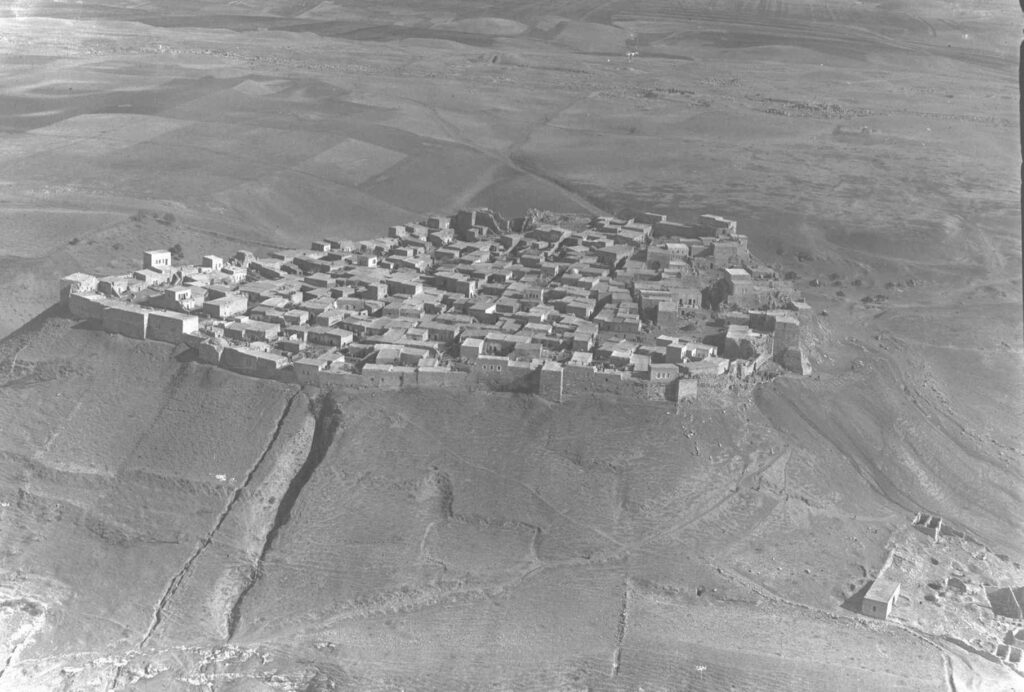
While the site’s origins go back to ancient times the current fortress structure was primarily built and expanded during the Islamic and Crusader periods
Islamic Era
During the early Islamic conquests the site became part of the Umayyad and later the Abbasid Caliphates serving as a provincial stronghold Due to its location it remained a key point in military campaigns and frontier control
Crusader and Ayyubid Periods

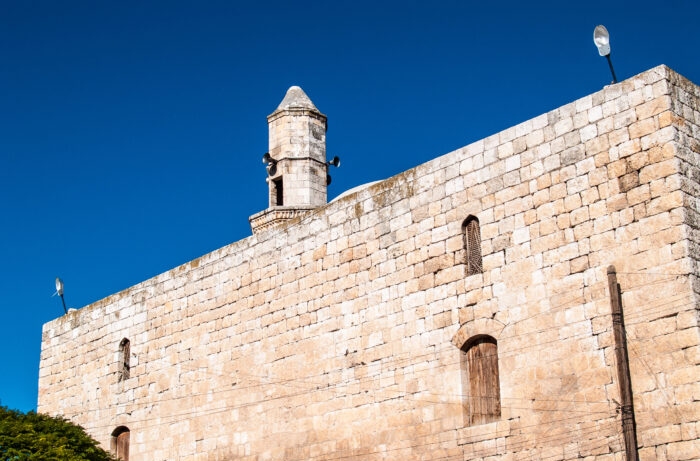
In the 12th century the Crusaders temporarily occupied the region but were later pushed out by Muslim leaders including the Ayyubid dynasty founded by Saladin The Ayyubids strengthened the fortress’s walls and towers reinforcing it as a key military site in their fight against Crusader incursions
Mamluk and Ottoman Influence
In later centuries the Mamluks and Ottomans continued to maintain and use the castle adding their own architectural features including guard towers residences and storage areas The mixture of styles found within the fortress reflects these successive layers of control and renovation
What to See at Qalaat al-Madiq
Though partially affected by modern construction and recent conflicts much of the original structure and layout of Qalaat al-Madiq remains visible offering an immersive experience for visitors
Defensive Walls and Towers
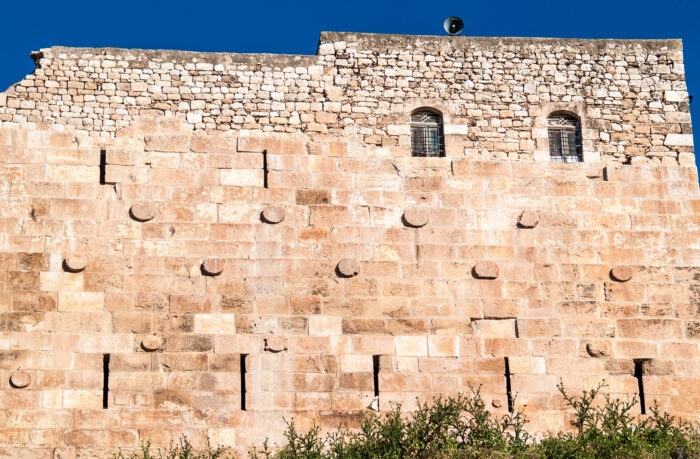

The outer walls of the castle follow the natural contour of the hill providing excellent views and strong defense Some sections have been restored while others retain their original stonework complete with arrow slits and watchtowers Explore the southern and western sides for the best-preserved segments
Inner Courtyard and Residences
The heart of the fortress includes courtyards storage chambers and residential quarters likely used by commanders soldiers and their families In some parts the vaulted ceilings and arched doors remain intact revealing the craftsmanship of medieval Syrian builders
Water System and Cisterns
One of the castle’s most fascinating aspects is its ancient water collection system With cisterns carved into the rock and a rainwater channeling system the fortress could survive sieges for long periods This engineering ingenuity highlights the strategic thinking of its architects
Local Life Within the Castle Walls
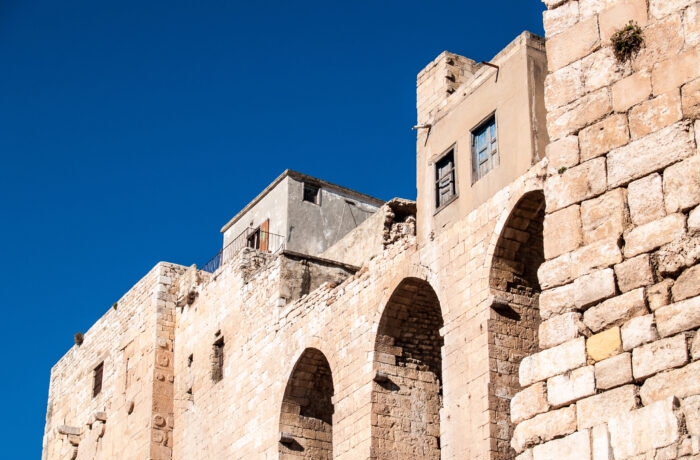
What sets Qalaat al-Madiq apart from many other historical castles is that it has remained partially inhabited until modern times A small village developed within the fortress walls with homes shops and even schools built among the ancient stones
This living heritage gives the site a different kind of character blending past and present While some structures are modern additions they do not erase the historical essence but rather add another layer to the castle’s long life
Best Time to Visit and How to Get There
Qalaat al-Madiq is located about 60 kilometers northwest of Hama and can be reached by car or organized tours The best time to visit is during the spring or autumn when temperatures are moderate and the surrounding valley is lush and green
Travelers are encouraged to combine a visit to the castle with a walk through the ruins of Apamea which lies directly below It is advisable to bring comfortable walking shoes water and sun protection as the site covers a wide area and there is limited shade
Why Visit Qalaat al-Madiq
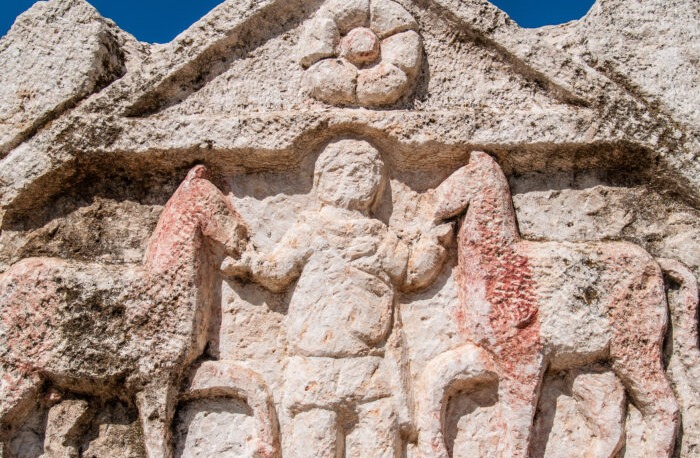
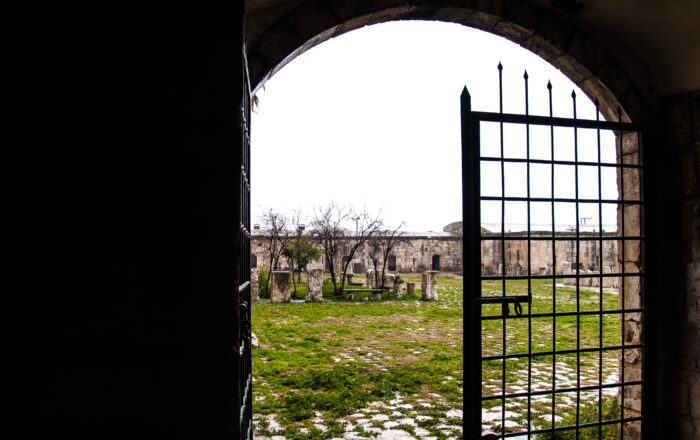
For those who love castles Qalaat al-Madiq offers a rare combination of historical depth and scenic beauty But what makes it truly special is its connection to one of the grandest cities of the ancient world Visitors can experience both the military history of the fortress and the urban grandeur of Apamea in a single trip
Additionally the site’s long history from Hellenistic roots to Islamic stronghold makes it a symbol of Syria’s role as a crossroads of civilizations Every stone tells a story of war trade culture and resilience
Photography and Exploration Tips
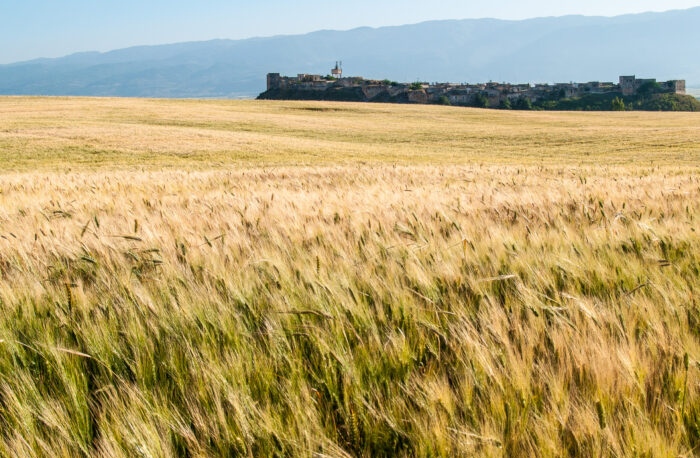
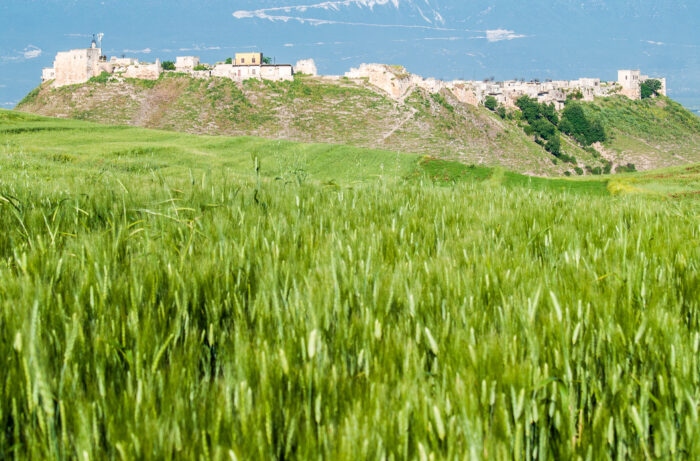
- The best panoramic photos can be taken from the castle’s upper towers especially at sunrise or sunset
- Explore both the castle and the ruins of Apamea on foot to fully appreciate the scale and details
- Ask local guides or residents about the living history of the village within the walls for personal stories
Nearby Attractions
If you have time consider visiting other historical sites in the region to enrich your cultural itinerary including
- Masyaf Castle A well-preserved Ismaili fortress to the west
- Krak des Chevaliers The most famous Crusader castle in Syria
- Hama’s Norias The ancient water wheels along the Orontes River
See Also: Apamea (c. 300 BCE)
Final Thoughts
Qalaat al-Madiq is more than just a castle It is a living monument that captures the essence of Syria’s layered past From the heights of the fortress you can look down upon the majestic ruins of Apamea and imagine the thousands of years of history that have unfolded in this valley
For tourists looking to explore Syria beyond the familiar Qalaat al-Madiq offers a rich meaningful and visually stunning experience It is a place where history breathes through the stones and where ancient and medieval worlds collide in a landscape as timeless as it is beautiful
Finally.. If you have any questions, please contact us. To explore further, visit our website gallery for rare images and cultural highlights.
Sources & References:
UNESCO – World Heritage Centre: https://whc.unesco.org
Archnet – Architecture & Heritage Database: https://www.archnet.org
World History Encyclopedia: https://www.worldhistory.org
Syrian Heritage Archive Project: https://syrian-heritage.org
Global Encyclopedia: Wikipedia