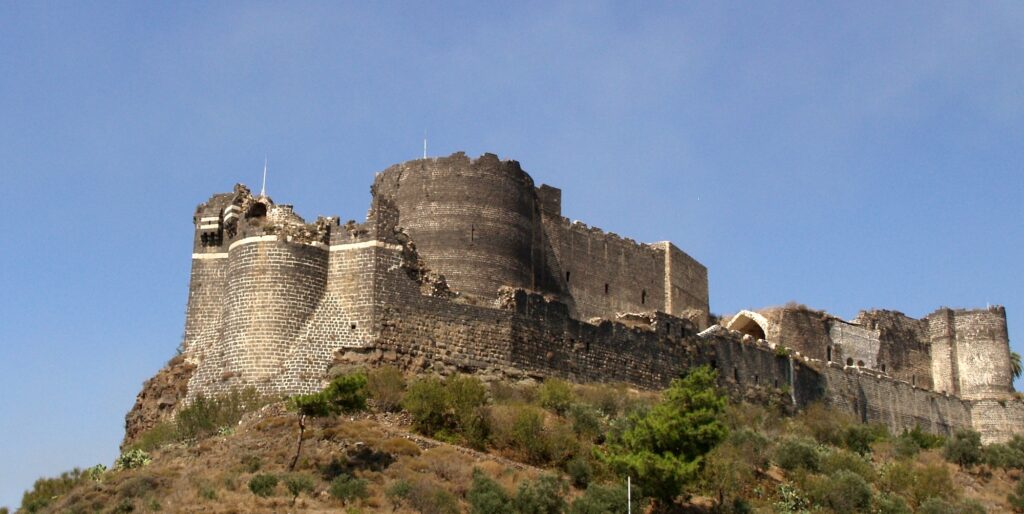
Qalaat al Marqab The Black Fortress of the Mediterranean: Overlooking the azure waters of the Mediterranean Sea from a strategic hilltop near the city of Baniyas in western Syria, Qalaat al Marqab, or Marqab Castle, stands as one of the most impressive Crusader fortresses in the Middle East. Built of striking black basalt stone, the fortress seems to rise out of the earth like a volcanic crown, dominating the coastline and the surrounding countryside.
For travelers fascinated by medieval history, military architecture, and breathtaking views, Qalaat al Marqab offers an unforgettable journey through time. With its commanding towers, secret passages, and panoramic vistas, this castle is a dramatic reminder of the centuries of struggle between Crusaders, Muslims, and later empires for control of the Levant.
Qalaat al Marqab | Quick Info.
| Topic | Quick Info |
|---|---|
| Name | Qalaat al Marqab (Marqab Castle) / قلعة المرقب |
| Location | Near Baniyas, western Syria, overlooking the Mediterranean Sea |
| Historical Period | 12th–13th century CE (Crusader and later Mamluk periods) |
| Builders / Occupants | Originally held by the Knights Hospitaller, later taken by the Mamluks in 1285 |
| Construction Material | Built mainly of black basalt stone, giving it its nickname “The Black Fortress” |
| Function | Major Crusader stronghold guarding coastal trade and routes to Antioch |
| Key Features | Massive walls, towers, chapel, inner citadel, moat, and panoramic sea views |
| Current Status | Well-preserved medieval fortress and important archaeological site |
| Significance | One of the largest and most strategic Crusader castles in the Levant, rivaling Krak des Chevaliers in size and strength |
Where Is Marqab Castle Located
Marqab Castle lies about six kilometers southeast of the coastal city of Baniyas, in the Tartus Governorate of Syria. The fortress is perched on a volcanic hill approximately 360 meters above sea level, giving it natural defensive advantages and a sweeping view of the Mediterranean coastline. Its location made it one of the most important military strongholds during the Crusader era, guarding routes between the coast and inland Syria.
Today, the site is accessible by road from Baniyas or Tartus and is a worthwhile stop for anyone exploring Syria’s coastal and historical treasures.
Historical Background of Qalaat al Marqab
Origins and Early Use
The site of Marqab was occupied as early as Roman times, though little remains from that period. The name Marqab means watchtower or observation point in Arabic, indicating its ancient use as a lookout over both sea and land routes. It was likely used by local Arab rulers before the arrival of the Crusaders.
Crusader Fortress
The most significant phase in the castle’s history began in the 12th century, when it was captured and rebuilt by the Knights Hospitaller, one of the main Christian military orders of the Crusader period. In 1117, they took control of Marqab and began transforming it into a formidable fortress.
By the late 12th and early 13th centuries, Qalaat al Marqab had become one of the most powerful Crusader castles in the Levant. Its location enabled the Crusaders to monitor maritime traffic, launch raids, and defend against attacks from Muslim forces. The Hospitallers heavily fortified the castle with strong walls, towers, and a complex gate system that made it nearly impenetrable.
Mamluk Conquest
In 1285, after several failed attempts, the Mamluk Sultan Qalawun successfully captured Marqab Castle following a short but intense siege. The castle’s defenders surrendered after only a few days, mainly due to shortages of food and water. The Mamluks repaired the fortress and continued to use it as a military outpost in the region.
Later History
Under Ottoman rule, Marqab lost much of its strategic importance and gradually fell into decline. However, its strong stone construction allowed many parts of the fortress to survive largely intact. Modern excavations and restoration efforts have helped preserve and present its history to visitors.
Architectural Features of Marqab Castle
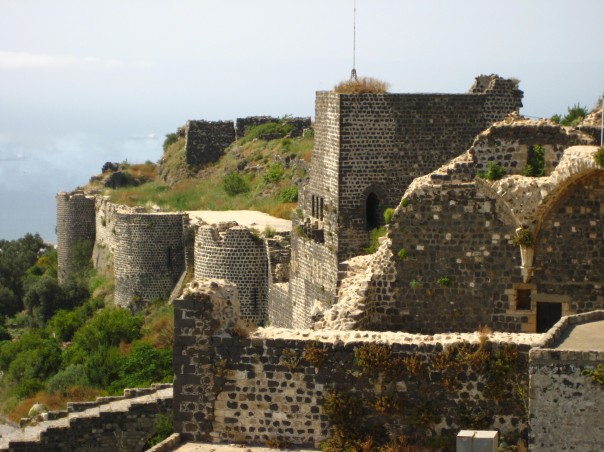
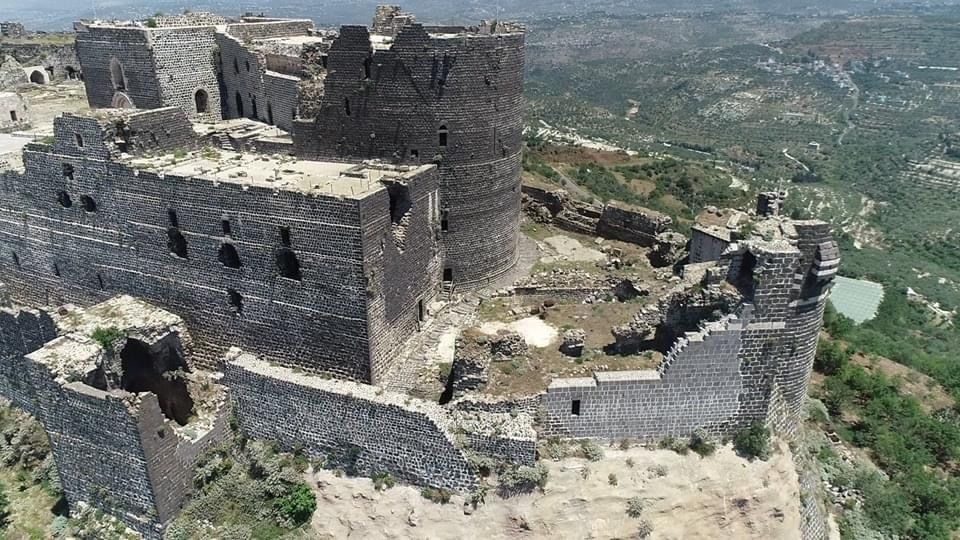
Qalaat al Marqab is a masterpiece of Crusader military engineering. Its layout reflects a deep understanding of defense, terrain, and strategic design. The castle covers approximately two hectares and includes multiple layers of fortifications.
The Black Basalt Stone
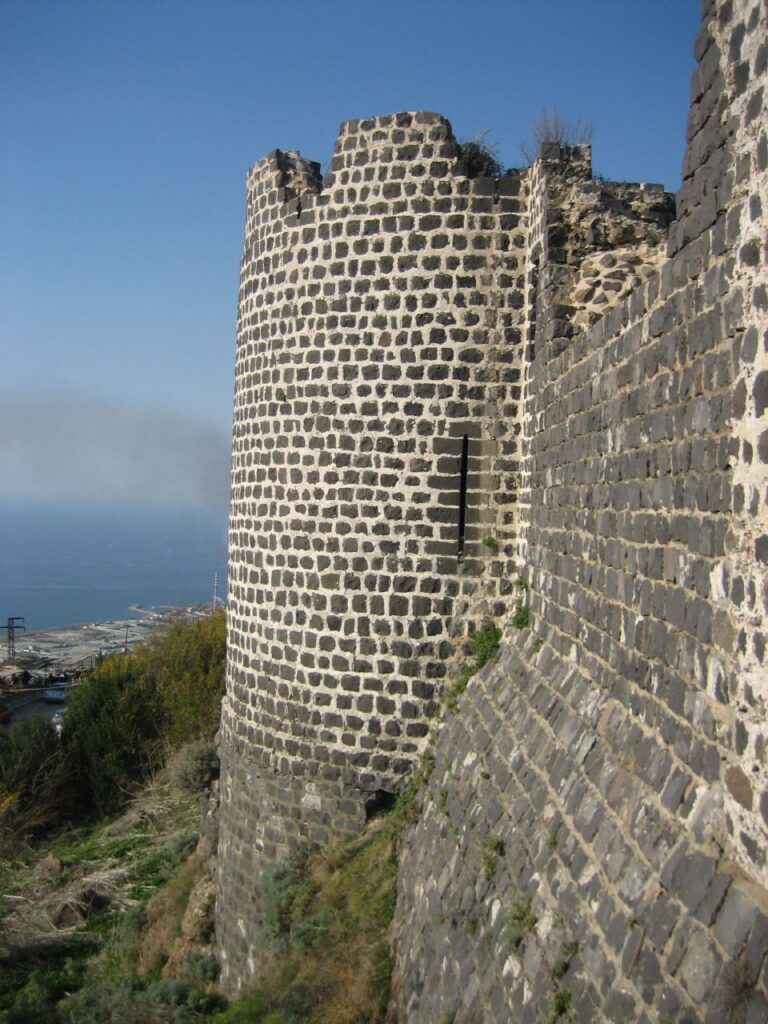
One of the most visually striking features of Marqab Castle is its construction material. Unlike most Crusader castles in Syria, which were built with limestone or sandstone, Marqab was built almost entirely from black basalt stone. This gives it a dark, dramatic appearance that sets it apart from other medieval fortresses in the region.
Outer Walls and Towers


The fortress is surrounded by massive curtain walls reinforced by numerous towers. Some towers are circular while others are polygonal, allowing for maximum defense angles. The walls are up to six meters thick in some places and designed to withstand both battering rams and siege engines.
The main entrance is protected by a complex gatehouse with multiple layers of defense, including murder holes, drawbridges, and defensive slits for archers. These features reflect the Crusaders’ advanced understanding of fortification techniques.
Inner Courtyards and Halls
Inside the walls, visitors can explore spacious courtyards, barracks, storage rooms, and cisterns. The inner sections of the castle once included a chapel, stables, kitchens, and living quarters for the knights and soldiers.
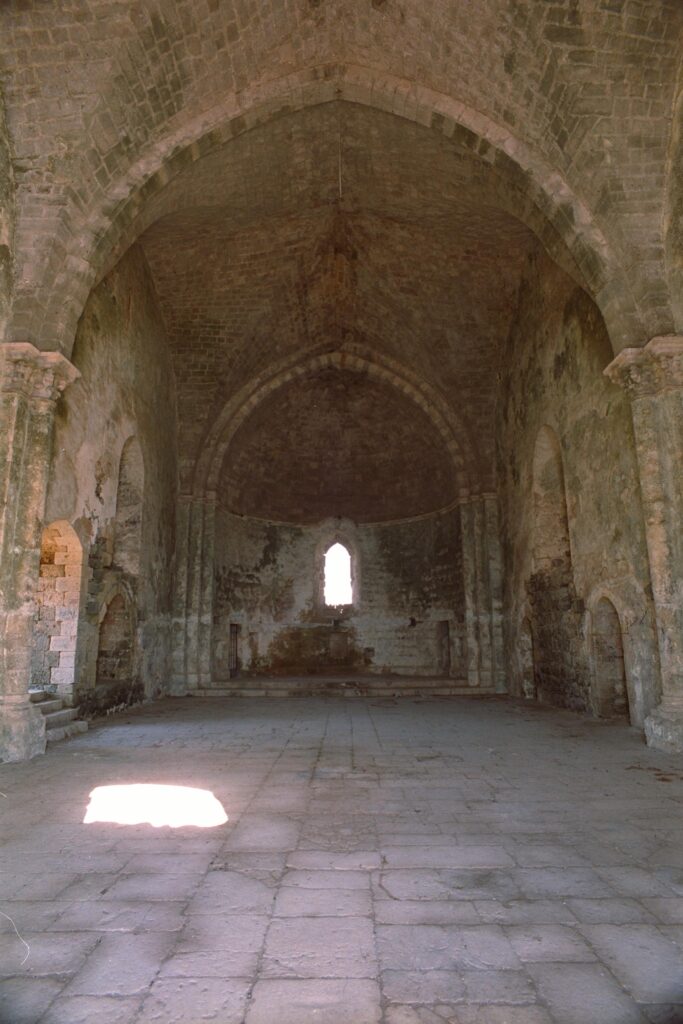
Many of the halls are still roofed with barrel vaults and arched ceilings, which demonstrate the durability of Crusader construction methods. The cool, shaded interiors also provide welcome relief from the Mediterranean sun.
The Chapel
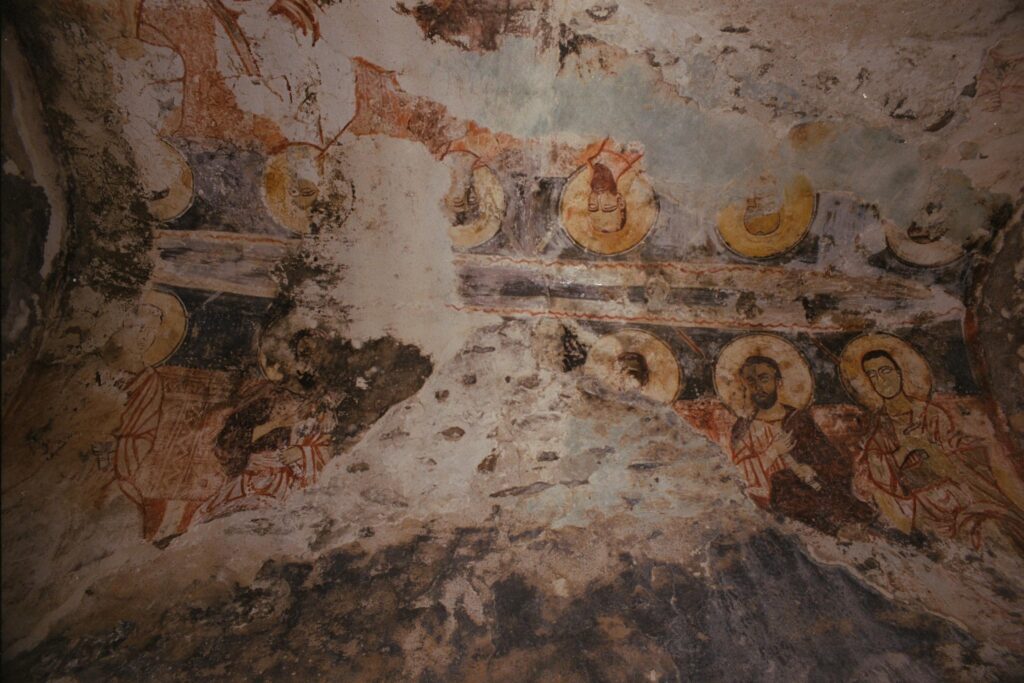
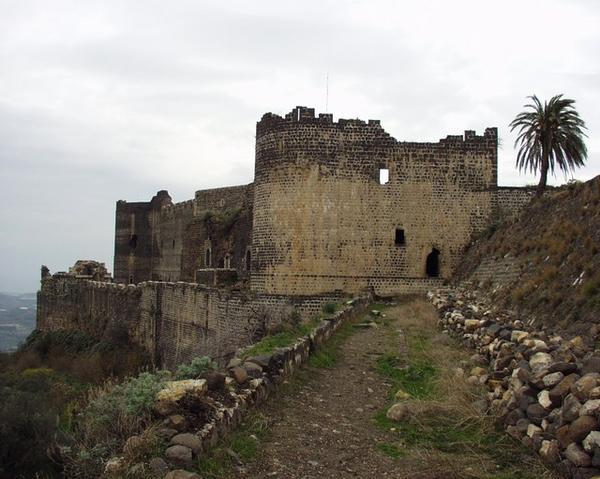
One of the key architectural features inside the fortress is the Crusader chapel, which still preserves parts of its original structure. This small Romanesque-style church likely served as the spiritual heart of the Hospitaller garrison, with a simple nave and apse, and possibly decorative carvings that have since worn away.
Panoramic Views from the Castle


One of the most rewarding experiences at Qalaat al Marqab is the view from its towers. From the top, visitors can see the deep blue expanse of the Mediterranean Sea, the rooftops of Baniyas, and the lush coastal plains stretching south toward Tartus.
To the east, the mountains of Syria rise in the distance, and on a clear day, it is said that you can see as far as Lebanon. This commanding view explains why the castle was such a valuable military asset for centuries.
Visiting Marqab Castle Today
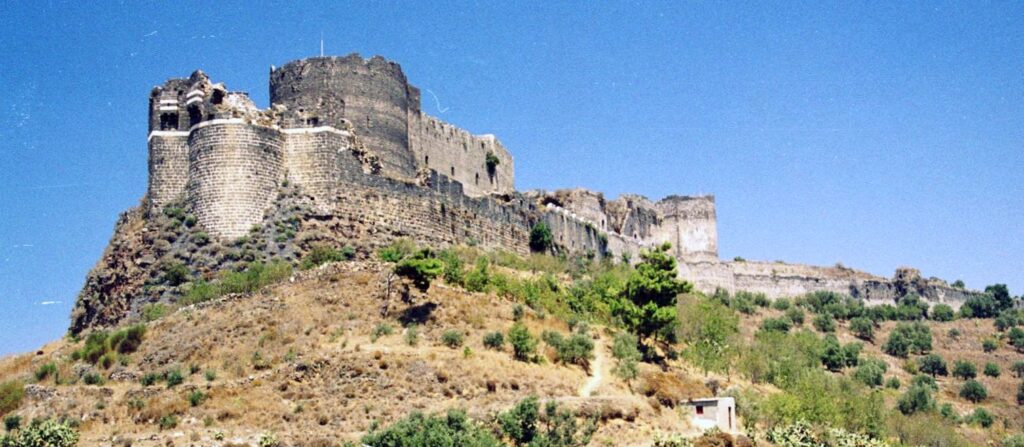
Despite its age and exposure to natural and human forces, Qalaat al Marqab remains in remarkably good condition. The site has undergone various restoration phases and is open to visitors who want to explore one of the largest and most atmospheric Crusader castles in the region.
What to Bring
- Comfortable walking shoes for uneven stone paths
- Water and sun protection especially in summer
- A camera to capture the stunning architecture and sea views
- A local guide if possible for historical context
Best Time to Visit
The best seasons to visit Marqab are spring and autumn when the weather is mild and the landscape is green. Summer visits are also possible, but temperatures can rise sharply during the day. Early morning or late afternoon offers the best lighting and fewer crowds.
Why Marqab Castle Is Worth Your Time
Many castles across Syria showcase the medieval history of the region, but Qalaat al Marqab stands out for several reasons
- Spectacular location on a high volcanic hill overlooking the sea
- Architectural uniqueness due to its black basalt construction
- Crusader authenticity with many original structures still standing
- Peaceful setting with few tourists and unspoiled nature
This fortress captures the imagination and takes you back to a time of knights, sieges, and the clash of empires. At Qalaat al Marqab, you can walk along ancient walls, stand in quiet chapels, and gaze over the same Mediterranean horizon once watched by Crusader guards and Mamluk soldiers.
Nearby Attractions
If you are visiting Qalaat al Marqab, consider adding these nearby destinations to your itinerary
- Tartus A coastal city with a medieval cathedral mosque and lively markets
- Arwad Island Syria’s only inhabited island and former Phoenician naval base
- Amrit A remarkable Phoenician archaeological site south of Tartus
- Baniyas A small port city with natural beauty and ancient history
See Also: Qalaat Salah al-Din
Final Thoughts
Qalaat al Marqab is more than a castle — it is a living monument to Syria’s diverse and layered past, from ancient Rome to the Crusades and beyond. Its black basalt walls rise like a shadow of history, recalling an age when empires clashed and faith shaped the land. For anyone seeking to understand Syria’s pivotal role in world history, or simply to experience one of the most breathtaking medieval sites on the Mediterranean coast, Qalaat al Marqab offers a journey through time unlike any other.
Finally.. If you have any questions, please contact us. To explore further, visit our website gallery for rare images and cultural highlights.
Sources & References:
UNESCO – World Heritage Centre: https://whc.unesco.org
Archnet – Architecture & Heritage Database: https://www.archnet.org
World History Encyclopedia: https://www.worldhistory.org
Syrian Heritage Archive Project: https://syrian-heritage.org
Global Encyclopedia: Wikipedia