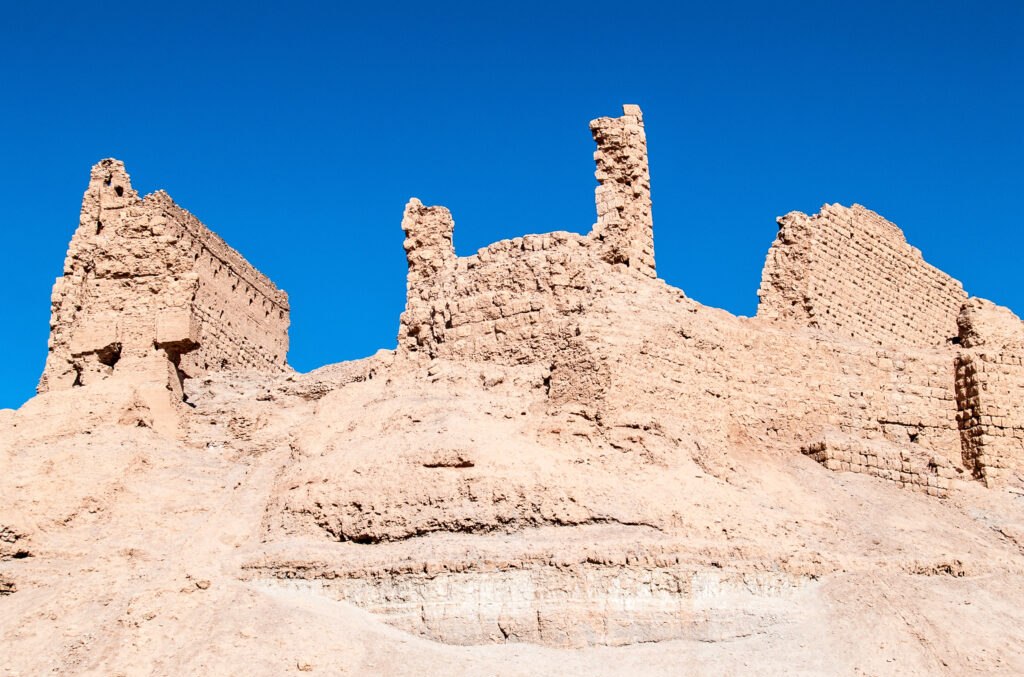
Qalaat al-Rahba (قلعة الرحبة) The Citadel of al-Rahba is a pivotal, isolated fortress overlooking the Euphrates River Valley near al-Mayadin. Renowned as the “Key to Syria from Iraq,” its strategic location ensured the frequent reconstruction of Qalaat al-Rahba by powerful dynasties, including the Ayyubids and Mamluks. Its unique architectural feature—a moated citadel within a pentagonal outer wall—made Qalaat al-Rahba an impregnable shield against invasions from the east, notably the 13th-century Mongol incursions.
Qalaat al-Rahba | Quick Info
| Feature | Details |
| Location | West Bank of the Euphrates River, near al-Mayadin |
| Governorate | Deir ez-Zor, Syria |
| Approximate Elevation | 230–244 meters above sea level |
| Founding (Old City) | Abbasid Period (9th Century CE) |
| Current Fortress Built | Zengid-Ayyubid Era (mid-12th Century CE) |
| Key Historical Dynasties | Zengids, Ayyubids, Mamluks |
| Architectural Style | Medieval Islamic Military Architecture |
| Key Architectural Feature | “Fortress within a Fortress” design (inner pentagonal keep protected by a larger outer pentagonal wall) |
| Strategic Importance | Controlled the trade and military routes between Damascus, Aleppo, and Baghdad. |
A History Forged in Conflict: Rahba’s Strategic Imperative
The original city of Rahba, the predecessor to Qalaat al-Rahba, was first established near the bank of the Euphrates in the early Abbasid era (9th century CE) by governor Malik ibn Tawk. This initial location was chosen to control the crucial river crossing and act as a pivotal stop on the long-distance trade and postal routes connecting Iraq (Baghdad) with Syria (Damascus and Aleppo). Because of this immense strategic value, the settlement quickly became a coveted prize, frequently changing hands between local lords and major regional powers like the Hamdanids, Uqaylids, and Seljuks, long before the construction of Qalaat al-Rahba on the distant hill.
The Great Earthquake and the New Citadel
The original city of Rahba, situated closer to the river, was devastated by a catastrophic earthquake in 1157 CE. This event necessitated the construction of a new, more defensible fortress away from the immediate riverbank.
The modern and more familiar structure, Qalaat al-Rahba, was thus founded a few years later on a high, isolated rocky mound slightly further into the desert steppe. This strategic relocation gave the new castle a formidable, naturally defensible position, rising approximately 230 meters above the valley floor.
The Zengid and Ayyubid Masterpiece
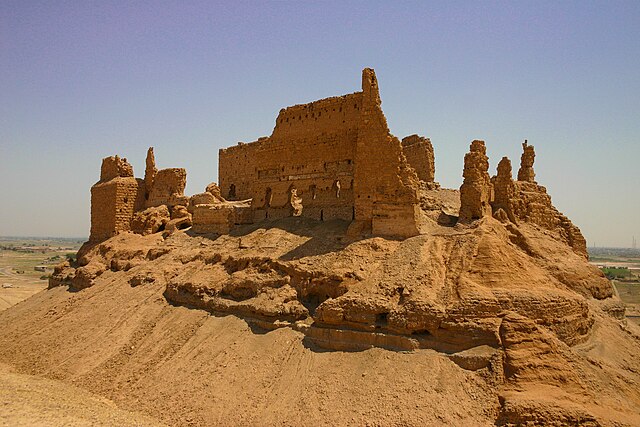
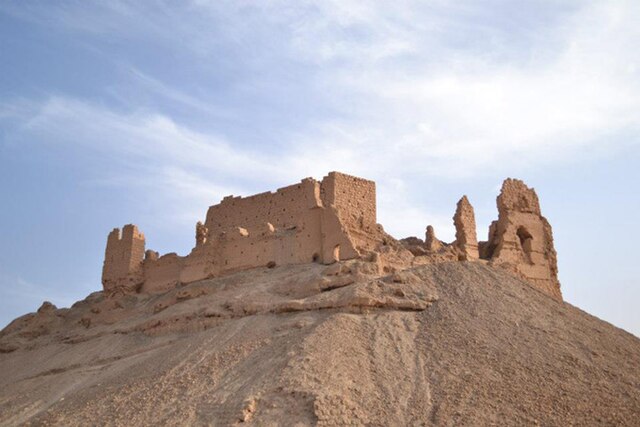
The construction of the current castle is attributed to the Zengid-Ayyubid lord Shirkuh (uncle of Saladin) or one of his relatives in the late 12th century. The Ayyubid period cemented the castle’s reputation and architectural form. Shirkuh II, a later Ayyubid lord, oversaw a major reconstruction and expansion in 1207 CE, solidifying the fortress’s unique design. The Ayyubids recognized the castle’s essential role in their territorial defense, protecting their domains from potential threats originating in the Mesopotamian east.
The Mamluk Shield Against the Mongols
Qalaat al-Rahba achieved its greatest strategic importance during the Mamluk Sultanate (late 13th–14th centuries). As the Mamluks fought a series of brutal wars against the invading Ilkhanid Mongols of Iraq, the castle became the easternmost sentinel of the Mamluk realm. It faced frequent sieges and attacks from the Mongol armies seeking to cross the Euphrates and penetrate inland towards Aleppo and Damascus.
The Mamluks continuously restored and strengthened the fortress in response to these threats. Rahba was not only a military stronghold but also:
- An administrative center for the surrounding desert territories.
- The terminal stop on the Mamluk’s highly efficient postal route (Barīd), which linked Cairo to the frontier in days.
The castle’s ability to resist the Mongols ensured the integrity of the Mamluk state along the Euphrates frontier.
Architectural Grandeur: A “Fortress within a Fortress”
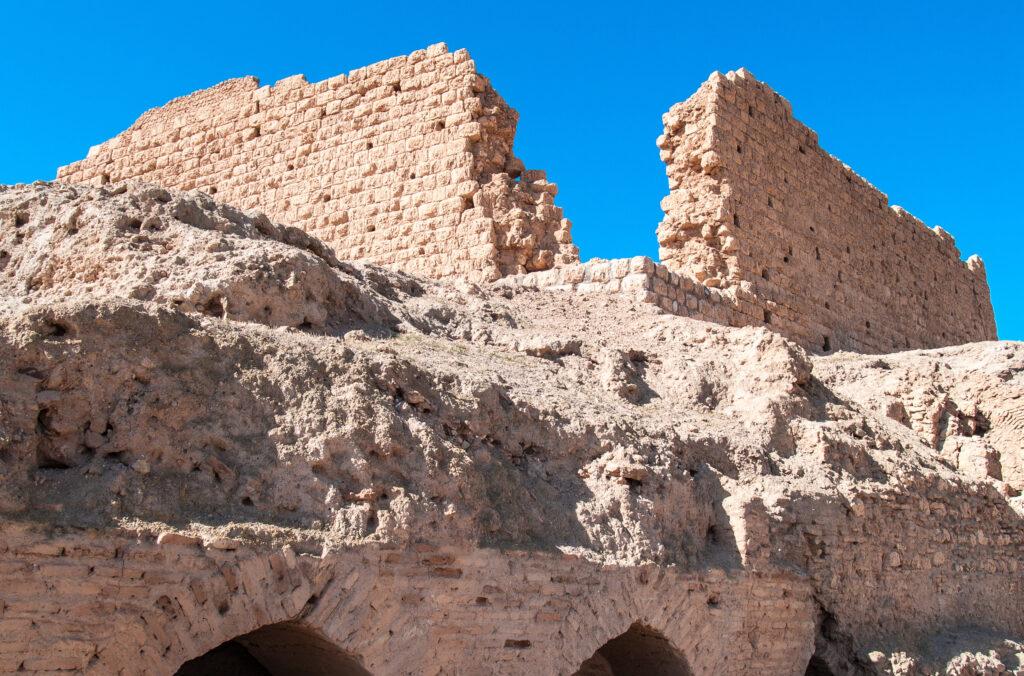
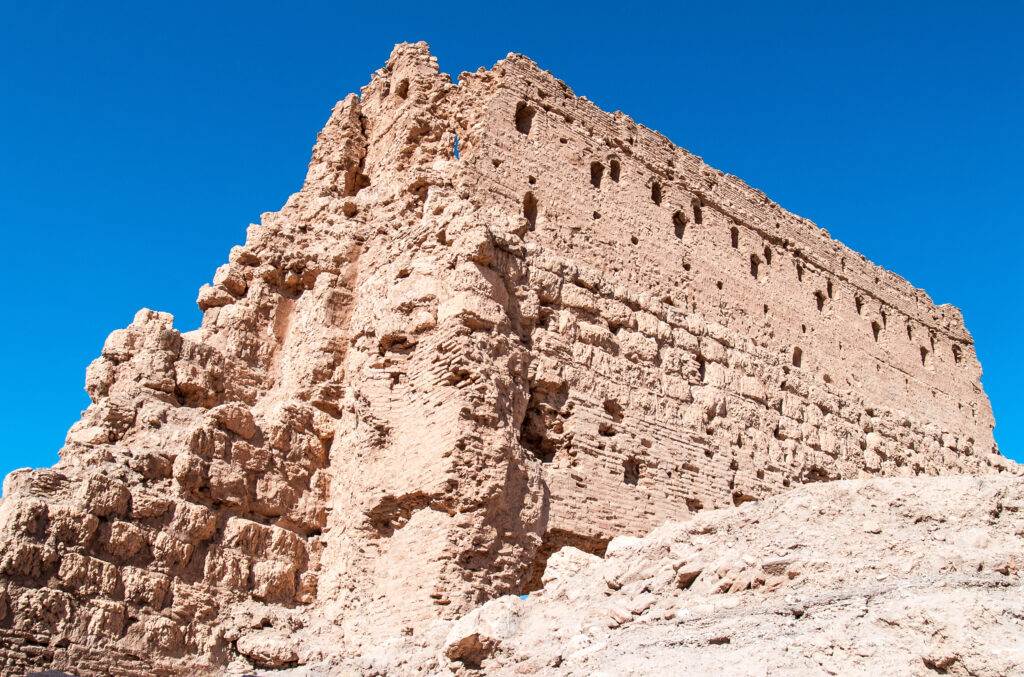
Qalaat al-Rahba is celebrated by historians and military engineers for its sophisticated and intimidating defensive architecture. It has been aptly described as a “fortress within a fortress” due to its complex, concentric design.
The Double-Wall System
The castle is built on an artificially created mound and consists of two main defensive layers:
- The Outer Wall (Enclosure): This sprawling, pentagon-shaped wall measures approximately 270 meters by 95 meters. Its primary purpose was to enclose the garrison and create an outer barrier against initial assault, protecting the more vital structures within.
- The Inner Keep (Citadel Core): Situated within the outer enclosure, the core consists of a robust, four-story, pentagon-shaped keep, measuring about 60 meters by 30 meters. This was the final point of defense.
A key defensive feature was the height difference: the parapets of the inner keep were positioned 6.5 meters higher than the external wall. This provided a crucial secondary defensive line, allowing defenders to rain down arrows or fire onto any attackers who managed to breach the external walls, creating a “killing zone” between the two circuits.
Moat and Subterranean Features
The castle’s defenses were further enhanced by a massive moat excavated around the artificial mound. At a depth of 22 meters and a width of 80 meters, Rahba’s moat was considerably deeper than those surrounding comparable Ayyubid desert fortresses like Palmyra and Shumaimis.
Access to the keep was controlled by corridors and chambers connecting the core building to the external fortifications. The lowest floor of the keep was ingeniously designed as a large cistern, ensuring a reliable supply of water for the garrison during long sieges—a critical necessity in the arid desert environment. The structure also included three floors of halls, residential quarters, and storage rooms.
Construction Material
While the earliest fortifications, dating back to the first phase, were constructed with mudbrick (a common material for structures near the Euphrates), subsequent phases under the Ayyubids saw the extensive use of large, intricately carved limestone and basalt stones for the most critical load-bearing sections and the reconstruction of towers.
Decline, Archaeology, and Modern Status
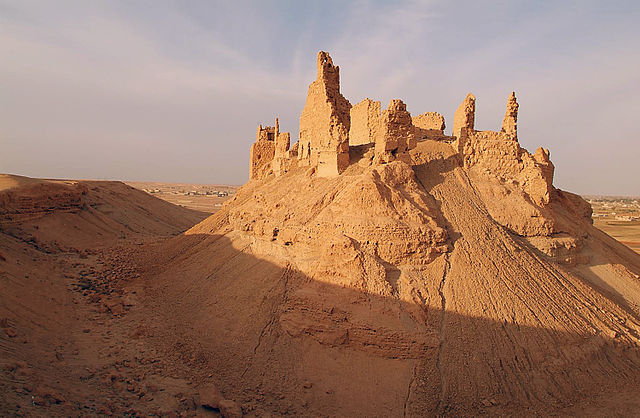
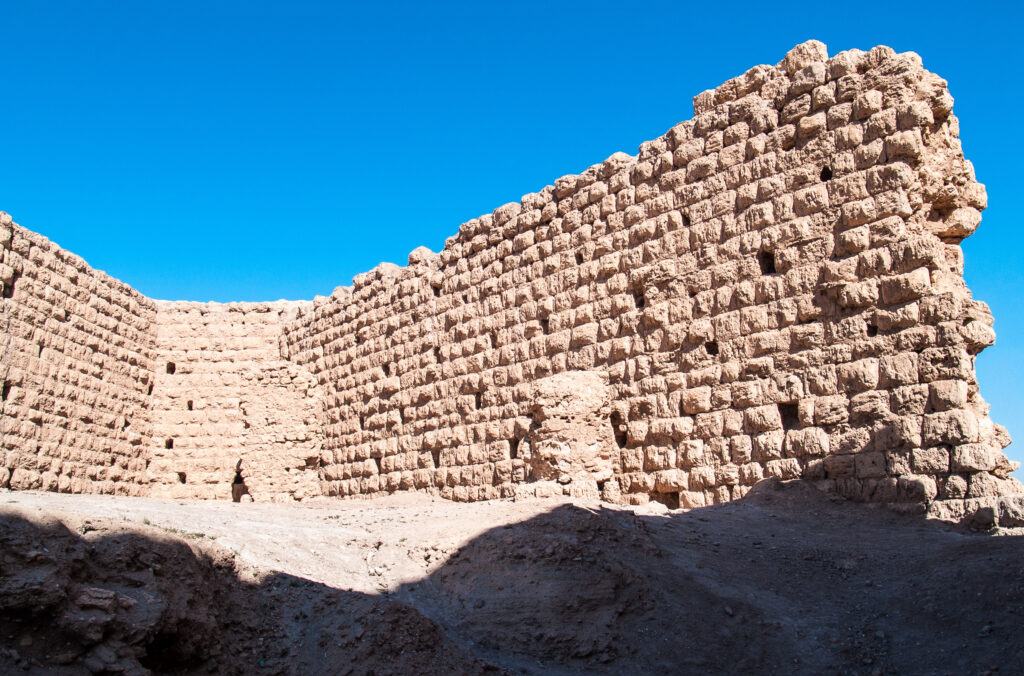
Qalaat al-Rahba’s strategic importance waned significantly after the Mamluks conclusively defeated the Mongols and the Ottoman Empire took control of the region in 1517. The Ottomans, who focused their military logistics elsewhere, did not maintain the castle, leading to its slow decline. For centuries, it served merely as a shelter for local shepherds and their flocks, gradually succumbing to wind erosion and the harsh desert climate.
Archaeological Excavations
Despite the damage, the castle’s isolated location meant that much of its foundational history was preserved. Archaeological excavations were conducted at the site between 1976 and 1981, providing invaluable insight into its complex, multi-layered history, particularly the evolution of its unique double-wall system and its importance to the medieval Islamic world.
Current Challenges
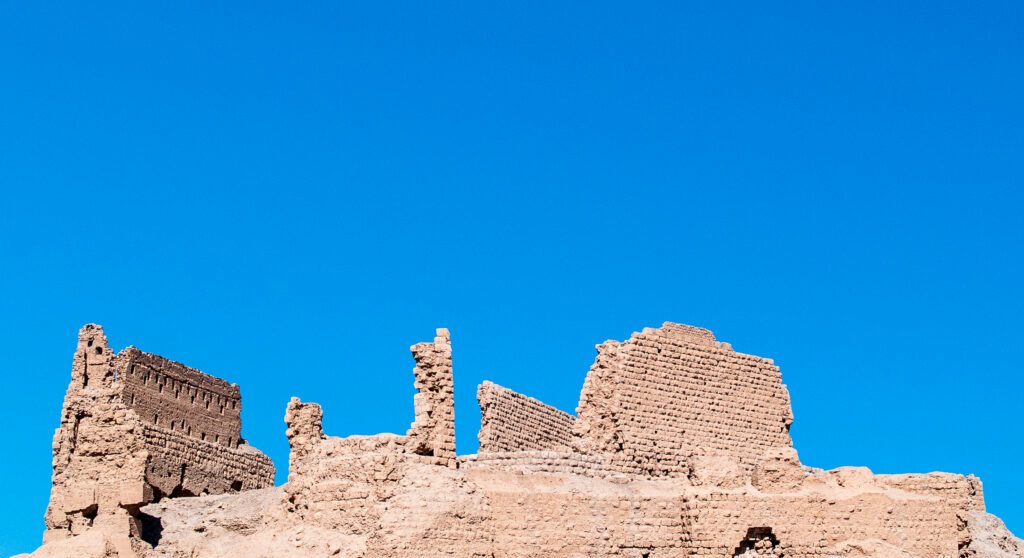
Today, Qalaat al-Rahba, like many historical sites in the Deir ez-Zor Governorate, faces extreme challenges. The region has been one of the central conflict zones during the Syrian Civil War. The castle has been subjected to:
- Conflict Damage: Direct fighting and shelling have structurally damaged parts of the fortifications.
- Looting: Its remote location has made it a target for illegal excavations and plunder, severely compromising the archaeological record beneath and around the fortress.
- Neglect: The current security environment prevents any large-scale conservation or restoration efforts.
The castle, once the proud sentinel of the Euphrates, now stands as a powerful, albeit vulnerable, monument to the region’s turbulent history and its continued strategic significance.
See Also: Halabiye & Zalabiye
Conclusion
Qalaat al-Rahba is a profound historical document, reflecting the military science of the Ayyubid and Mamluk eras. Its survival was vital for the Syro-Egyptian Sultanates, earning Qalaat al-Rahba the title: “the key to Syria from Iraq.” The sophisticated “fortress within a fortress” design and deep protective moat attest to its role as the final bulwark of the Euphrates frontier. Despite conflict, Qalaat al-Rahba remains a towering symbol of strategic importance and architectural ingenuity.
If you have any questions, please contact us. To explore further, visit our website gallery for rare images and cultural highlights.
Sources & References:
UNESCO – World Heritage Centre: https://whc.unesco.org
Archnet – Architecture & Heritage Database: https://www.archnet.org
World History Encyclopedia: https://www.worldhistory.org
Syrian Heritage Archive Project: https://syrian-heritage.org
Global Encyclopedia: Wikipedia