Qalaat Salah al-Din The Mountain Fortress That Defied Time: Perched high in the forested mountains of western Syria, not far from the coastal city of Latakia, lies one of the most extraordinary castles in the world — Qalaat Salah al-Din, or Saladin Castle. This massive medieval fortress, surrounded by steep cliffs and natural defenses, is not just a historical monument. It is a symbol of military genius, layered civilizations, and the enduring legacy of the Crusader and Islamic eras in the Levant.
Recognized as a UNESCO World Heritage Site since 2006, Qalaat Salah al-Din is a breathtaking destination for those who seek a powerful mix of nature, architecture, and history. Visitors who make the journey are rewarded with not only towering ramparts and daring defensive walls, but also panoramic views of the Syrian mountains that will stay with them forever.
Qalaat Salah al-Din | Quick Info
| Topic | Quick Info |
|---|---|
| Name | Qalaat Salah al-Din / قلعة صلاح الدين (Saladin Castle) |
| Location | Western Syria, east of Latakia, in the forested coastal mountains |
| Historical Period | Medieval period – originally Byzantine (10th century), expanded during Crusader and Ayyubid eras (12th–13th centuries) |
| Builder / Modifications | Initially Byzantine; later rebuilt by Crusaders and strengthened by Salah al-Din (Saladin) after 1188 CE |
| Architecture | One of the most impressive medieval fortresses with natural cliffs, moats, towers, and stone bridges |
| Strategic Role | Controlled mountain passes between the coast and inland Syria |
| Current Status | UNESCO World Heritage Site (since 2006), well-preserved archaeological and tourist site |
| Significance | A masterpiece of military architecture blending Crusader and Islamic engineering traditions |
| Highlights | Massive rock-cut moat, defensive towers, panoramic views, and ancient gates |
Where Is Saladin Castle Located
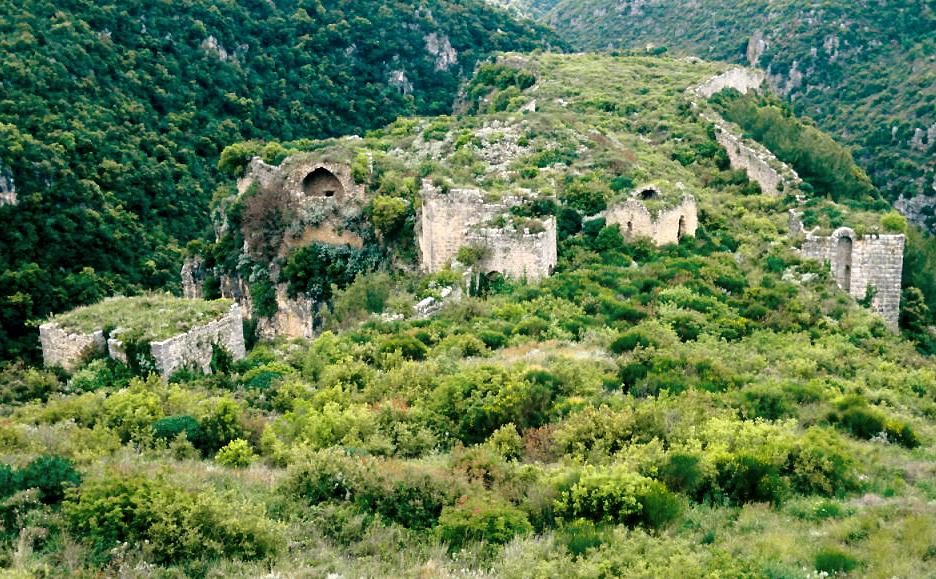
Saladin Castle is located around 30 kilometers east of Latakia, in the Al-Haffah district, nestled within the green Al-Ansariyah mountain range. The fortress sits at an altitude of about 400 meters above sea level, surrounded by dense pine forests and deep ravines.
The location was chosen for its natural inaccessibility. Sheer cliffs drop away on either side of the fortress, and a deep, artificial moat was carved into the living rock to further protect it. In fact, the only way to reach the castle is through a narrow entrance that once could be sealed during times of siege.
Today, the site can be reached via a winding road from Latakia or Qardaha. The scenic drive through rural villages and mountain forests adds to the experience, preparing visitors for the majesty of what lies ahead.
A Fortress with Ancient Roots
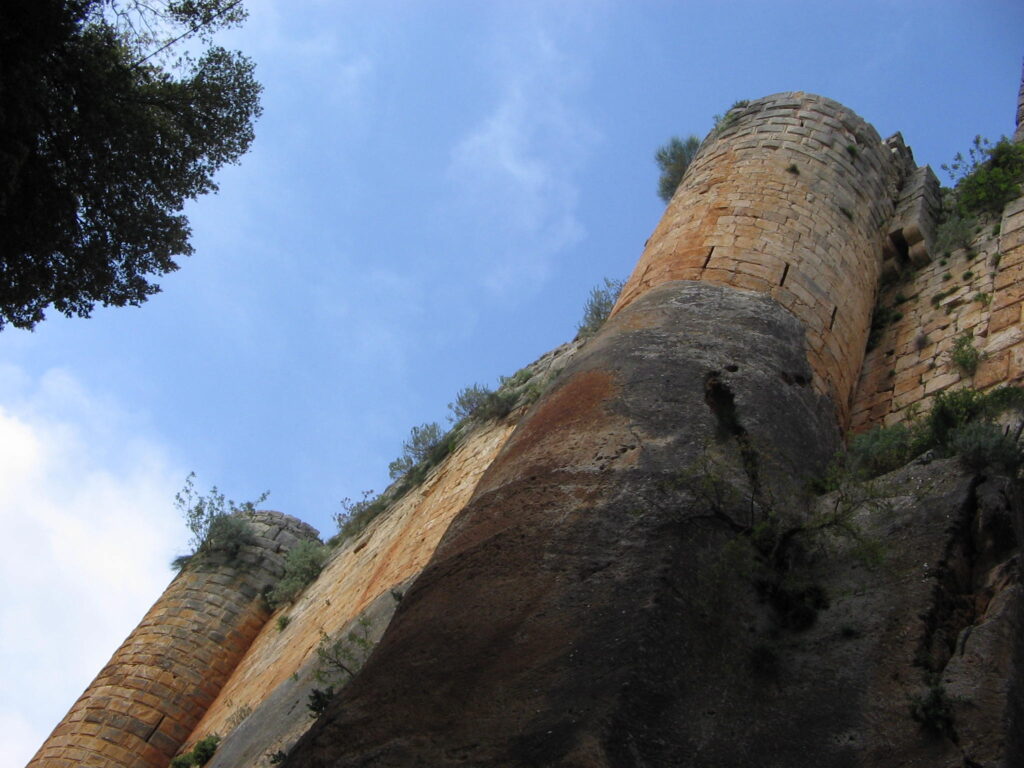
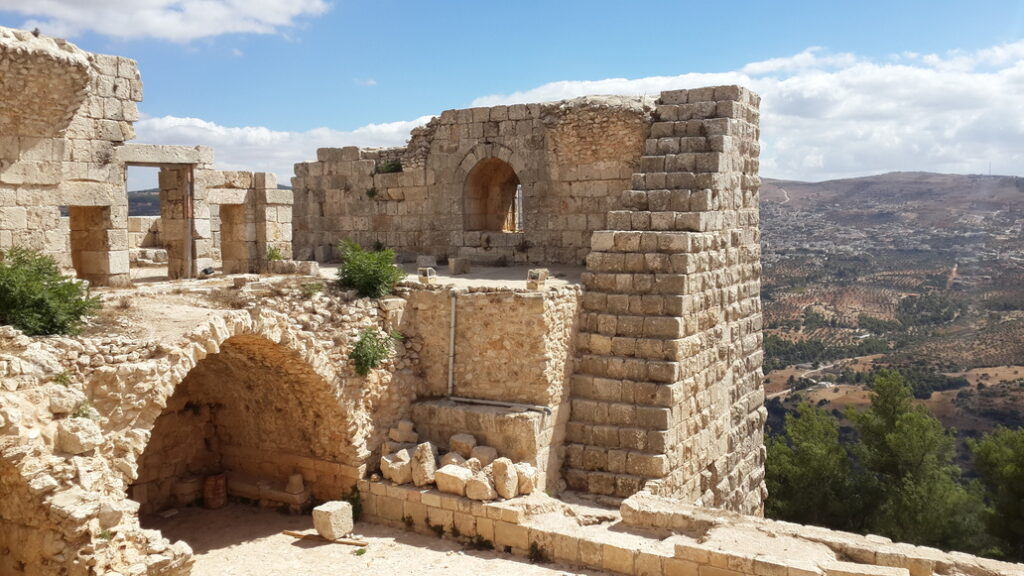
While it is best known as a medieval Crusader and Ayyubid stronghold, the origins of Qalaat Salah al-Din stretch back much further.
Ancient Beginnings
Historians believe that the hilltop was used as a defensive site as early as the Phoenician period, and later by the Byzantines, who fortified the area and used it as a watchpoint overlooking the coastal approaches.
Crusader Transformation
The site gained its current form during the Crusader period, when it became known as Saone Castle, named after the Crusader lord who held it in the 12th century. It was expanded dramatically by the Crusaders, who built robust walls, tall towers, and a fortified keep, turning it into one of their strongest positions in the Levant.
The Ayyubid Victory
In 1188, just one year after the legendary battle of Hattin, Salah al-Din al-Ayyubi (Saladin) launched a campaign to reclaim the coast from Crusader control. After a siege, his forces succeeded in taking the castle. It was renamed in his honor and continued to serve as a military post and symbol of Islamic victory over European Crusaders.
Architecture and Design
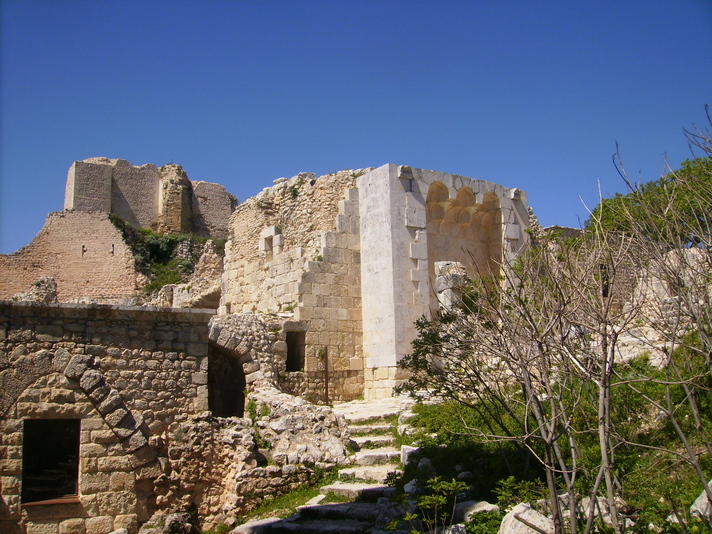
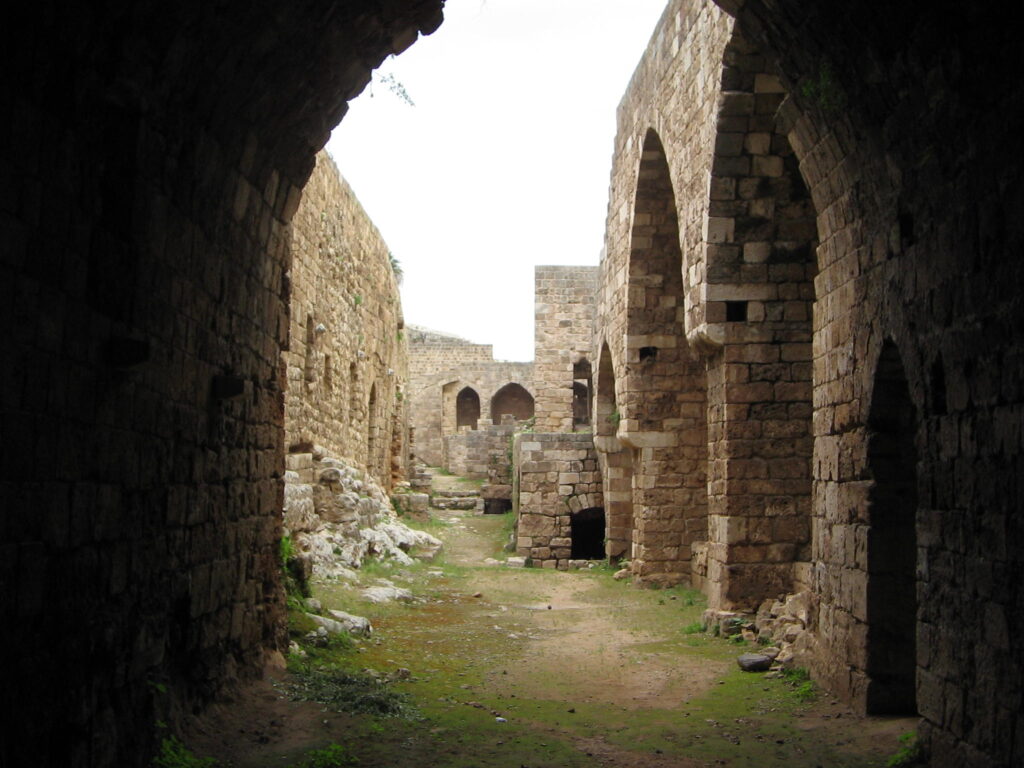
What makes Qalaat Salah al-Din especially remarkable is the harmony between natural geography and human engineering. The castle is divided into two main sections, connected by a narrow passage and protected by natural cliffs on either side.
The Moat
Perhaps the most famous feature of the fortress is its massive artificial moat, measuring about 28 meters deep and 14 meters wide, carved directly into solid rock. This monumental engineering work was created by the Crusaders to isolate the core of the castle from attack.
Even today, the moat stuns visitors with its scale and the sheer ambition it represents. A stone bridge once spanned the chasm, supported by columns, allowing access to the inner keep. Only a narrow pedestrian path remains today.
Outer Walls and Towers
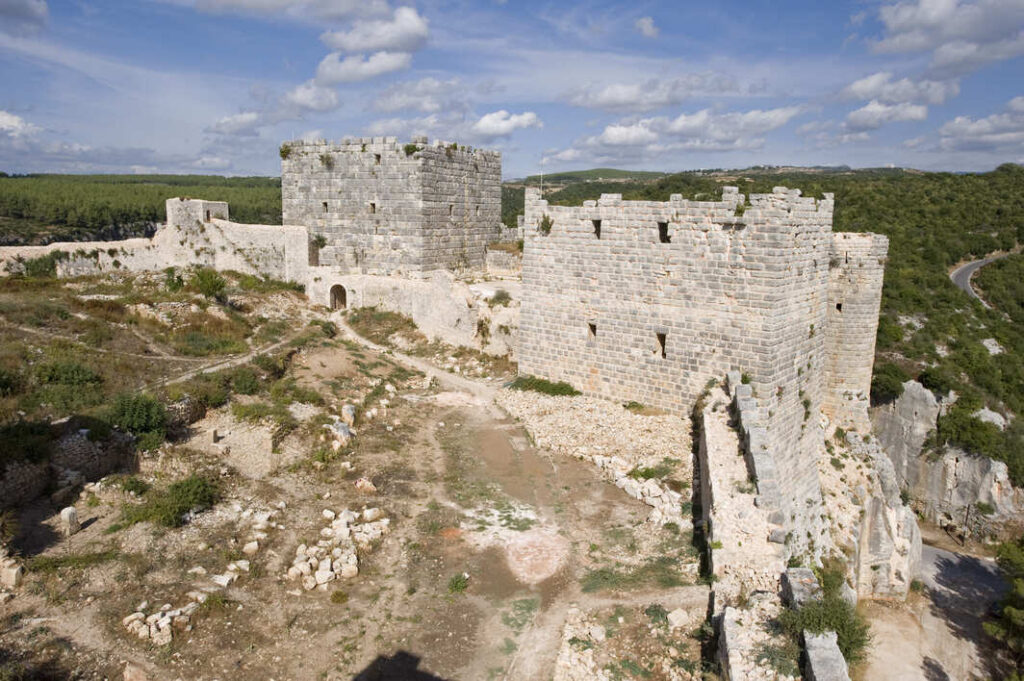

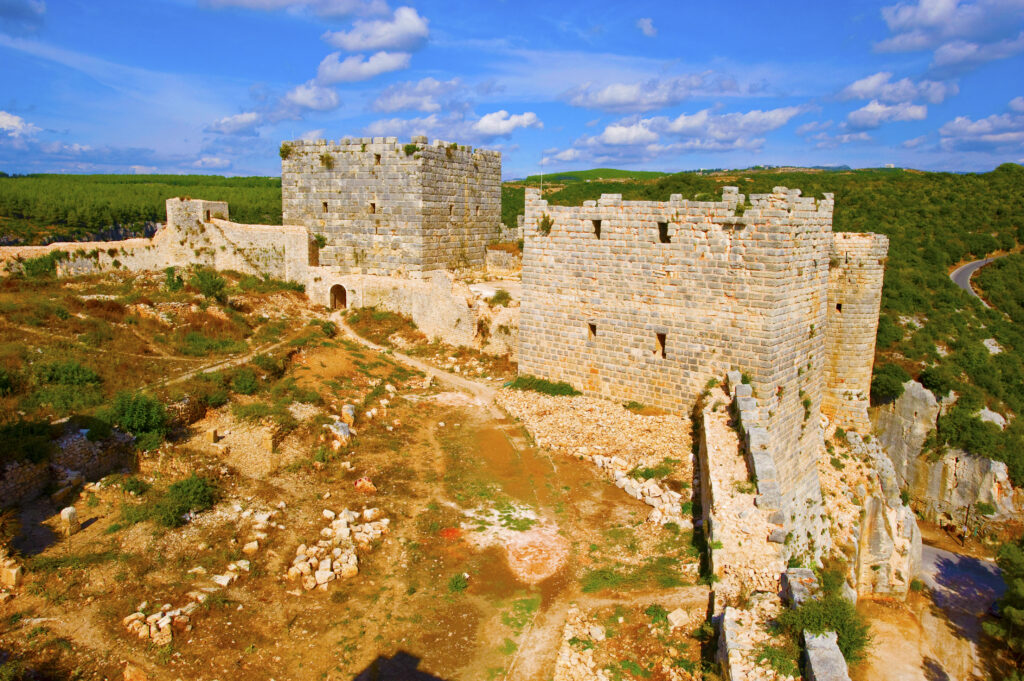
The outer walls of the castle stretch along the hilltop ridge, with semi-circular and rectangular towers placed at regular intervals. Some of these towers still bear traces of Crusader stonework, while others were modified during the Islamic period.
The walls include arrow slits, guard passages, and parapets for archers, all designed to repel attacks from below. In several places, carved decorations and Christian symbols can still be seen on the Crusader-era stones.
The Keep and Interior Buildings
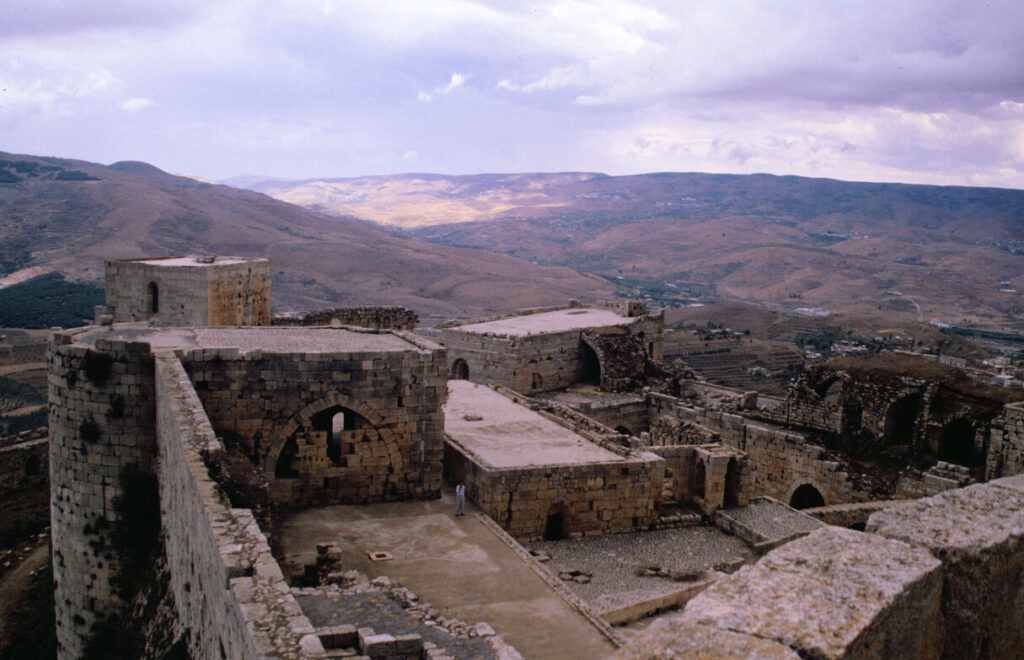
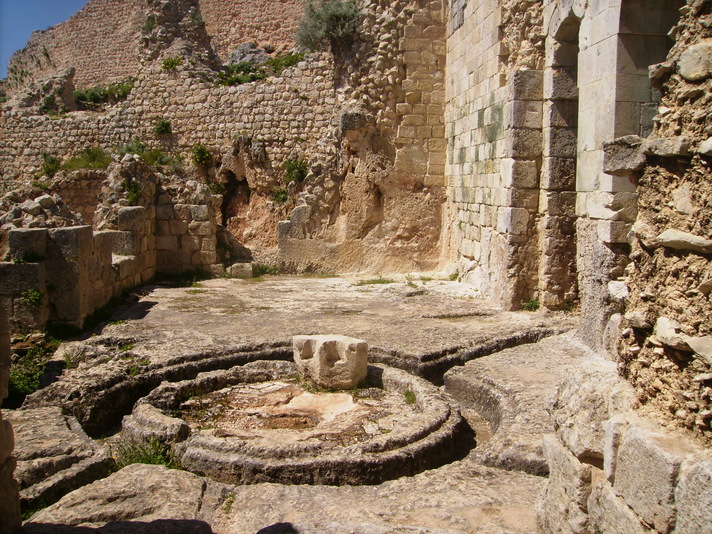
Inside Qalaat Salah al-Din, you will find the remains of a keep, or central stronghold, as well as cisterns, warehouses, residential quarters, and even a small chapel later converted into a mosque. These features reflect the dual history of the fortress — first as a Crusader bastion and later as a Muslim stronghold.
Vaulted halls, arched windows, and surviving sections of staircases offer glimpses into the daily life of the castle’s defenders, while the layout reveals a deep understanding of both defense and functionality.
Cultural Significance
Qalaat Salah al-Din is more than a military ruin. It is a place where civilizations clashed and coexisted, where architecture adapted to conquest, and where faith and power were etched into stone.
A Symbol of Victory
For Muslim historians, the capture of the castle by Saladin was a major victory in the struggle to reclaim the Levant from Crusader control. It demonstrated the brilliance of Saladin’s leadership and his ability to outmaneuver even the most well-defended enemy positions.
A Blend of Civilizations
The castle’s layers — from Byzantine foundations to Crusader towers to Ayyubid modifications — make it a living textbook of medieval Levantine history. Each stone tells a story, and visitors can quite literally walk through centuries of conflict and cooperation.
A UNESCO World Heritage Site
In 2006, Qalaat Salah al-Din was added to the list of UNESCO World Heritage Sites as part of the group Crac des Chevaliers and Qalaat Salah al-Din, recognized for their outstanding value as medieval fortifications. This designation has helped to preserve the site and raise awareness of its global importance.
What to Expect When Visiting
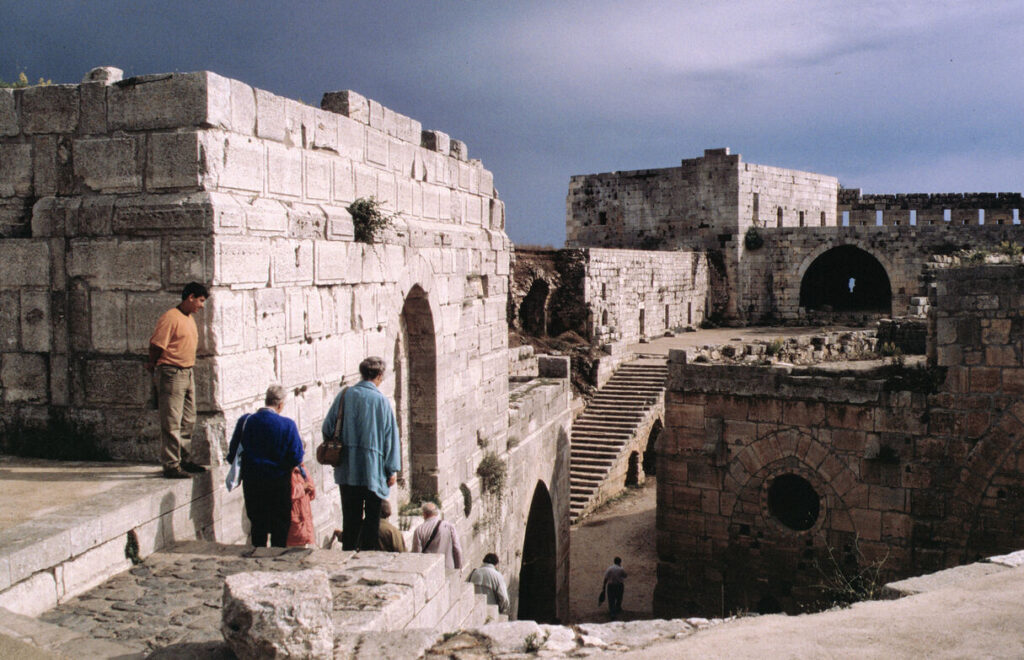
A visit to Qalaat Salah al-Din is an unforgettable experience. Unlike heavily touristed sites, it remains quiet and serene, allowing visitors to explore at their own pace and feel the atmosphere of a place that once decided the fate of empires.
What to Bring
- Comfortable walking shoes for uneven terrain
- Water and snacks, as amenities are limited nearby
- A camera to capture the breathtaking landscape and architecture
- A guide or historical map to better understand the layout and significance
Best Time to Visit

Qalaat Salah al-Din can be visited year-round, but spring and autumn are ideal due to the mild weather and green landscape. In summer, the forested hills provide natural shade, while winter brings a dramatic mist that adds a mystical feel to the experience.
Nearby Attractions
If you are planning a broader tour of western Syria, consider including the following nearby sites
- Latakia A coastal city with ancient ruins, sandy beaches, and a relaxed Mediterranean feel
- Qardaha The mountain town nearby, known for its views and historical significance
- Ugarit The ancient city north of Latakia where the world’s oldest alphabet was discovered
- Tartus and Arwad South along the coast, offering Crusader architecture and Phoenician history
See Also: Qalaat al-Marqab
Final Thoughts
Qalaat Salah al-Din is not just one of the greatest castles in Syria — it is one of the greatest in the world. Its bold engineering, dramatic location, and layered history make it a must-visit for anyone interested in the legacy of the Crusades, the genius of medieval architecture, and the natural beauty of the Syrian mountains.
Whether you are a traveler, a photographer, or a student of history, Qalaat Salah al-Din invites you to step back in time and experience the spirit of an age when stone walls meant power, courage, and survival.
Finally.. If you have any questions, please contact us. To explore further, visit our website gallery for rare images and cultural highlights.
Sources & References:
UNESCO – World Heritage Centre: https://whc.unesco.org
Archnet – Architecture & Heritage Database: https://www.archnet.org
World History Encyclopedia: https://www.worldhistory.org
Syrian Heritage Archive Project: https://syrian-heritage.org
Wikipedia Global Encyclopedia: Wikipedia