Seidnaya: A Sacred Mountain Sanctuary Just Outside Damascus: Tucked into the mountains north of Damascus, Seidnaya (or Saidnaya) is a tranquil Christian village that has drawn pilgrims, travelers, and seekers of serenity for centuries. Located only about 30 kilometers from central Damascus, Seidnaya offers visitors a unique blend of spiritual atmosphere, mountain air, historic architecture, and panoramic views — making it one of the most worthwhile half-day or full-day trips from the Syrian capital.
Whether you’re interested in religious history, architecture, photography, or simply escaping the bustle of the city, Seidnaya welcomes visitors of all backgrounds with open arms.
Seidnaya | Quick Info
| Topic | Quick Info |
|---|---|
| Name | Seidnaya (Saidnaya) / صيدنايا |
| Location | About 30 km north of Damascus, Syria |
| Historical Period | Byzantine era, founded around the 6th century CE |
| Notable Landmark | Convent of Our Lady of Seidnaya (Deir Saidnaya) – one of the oldest Christian monasteries in the world |
| Religious Importance | Major Christian pilgrimage site, second in importance after Jerusalem for Eastern Orthodox Christians |
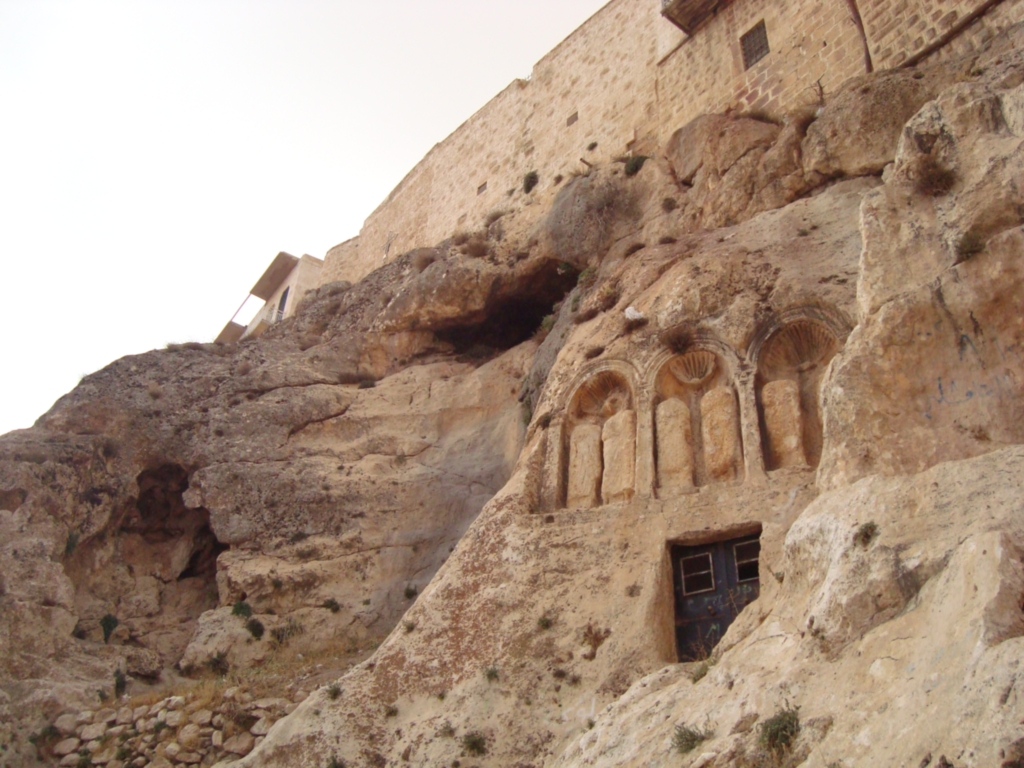
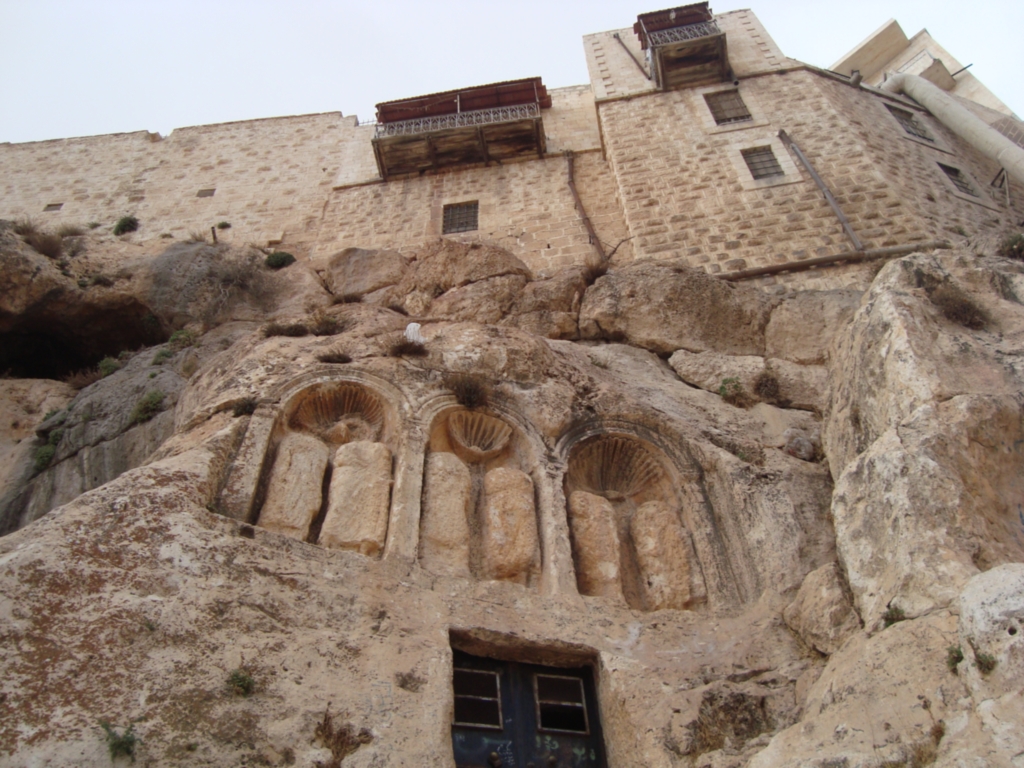
| Architectural Highlights | Stone monasteries, narrow alleys, ancient churches built into the mountainside |
| Cultural Significance | Symbol of Christian heritage and coexistence in Syria |
| Current Status | Active monastery and living village welcoming pilgrims and visitors year-round |
| Best Time to Visit | Spring and early autumn for pleasant mountain weather |
Introduction to Seidnaya
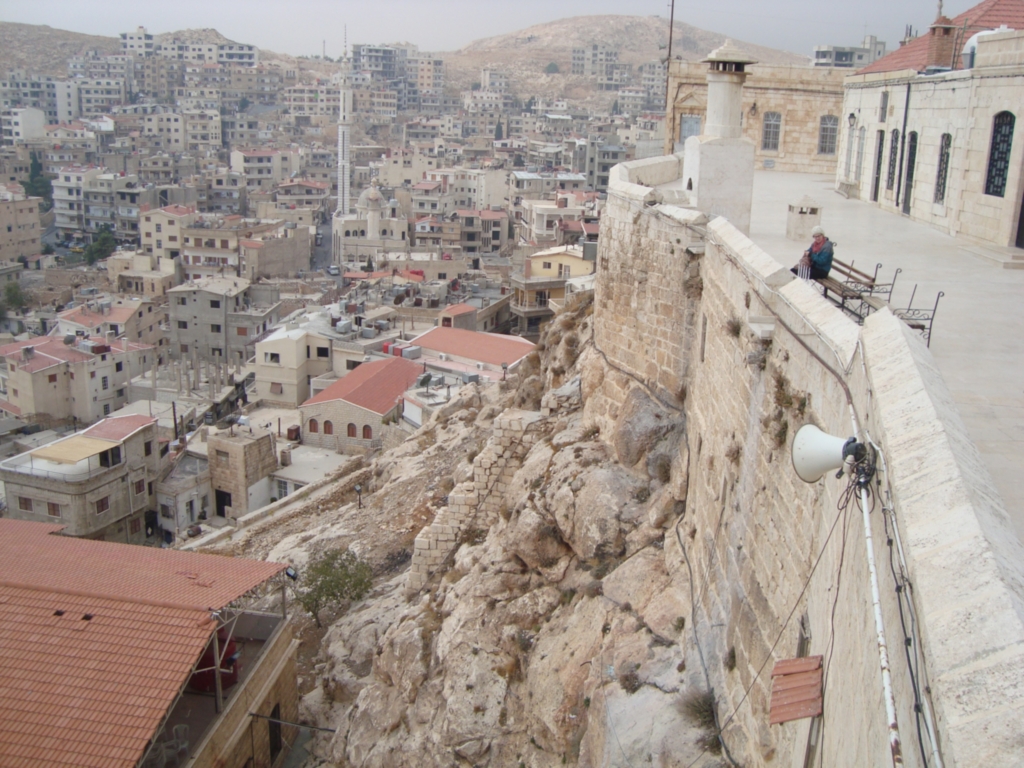
Where It Is and Why It Matters
Seidnaya is perched on the slopes of the Qalamoun Mountains, offering sweeping views of the valleys below. With its cooler climate, narrow winding roads, and stone-built homes, the town feels more like a mountaintop sanctuary than a bustling suburb of Damascus.
What sets Seidnaya apart is its status as one of the most important Christian pilgrimage sites in the Middle East. It is home to the Convent of Our Lady of Seidnaya, a monastery that has attracted pilgrims from around the world for more than a thousand years.
While deeply spiritual, the town is also rich in culture and nature, offering something for nearly every type of traveler.
The Convent of Our Lady of Seidnaya
Historical Overview
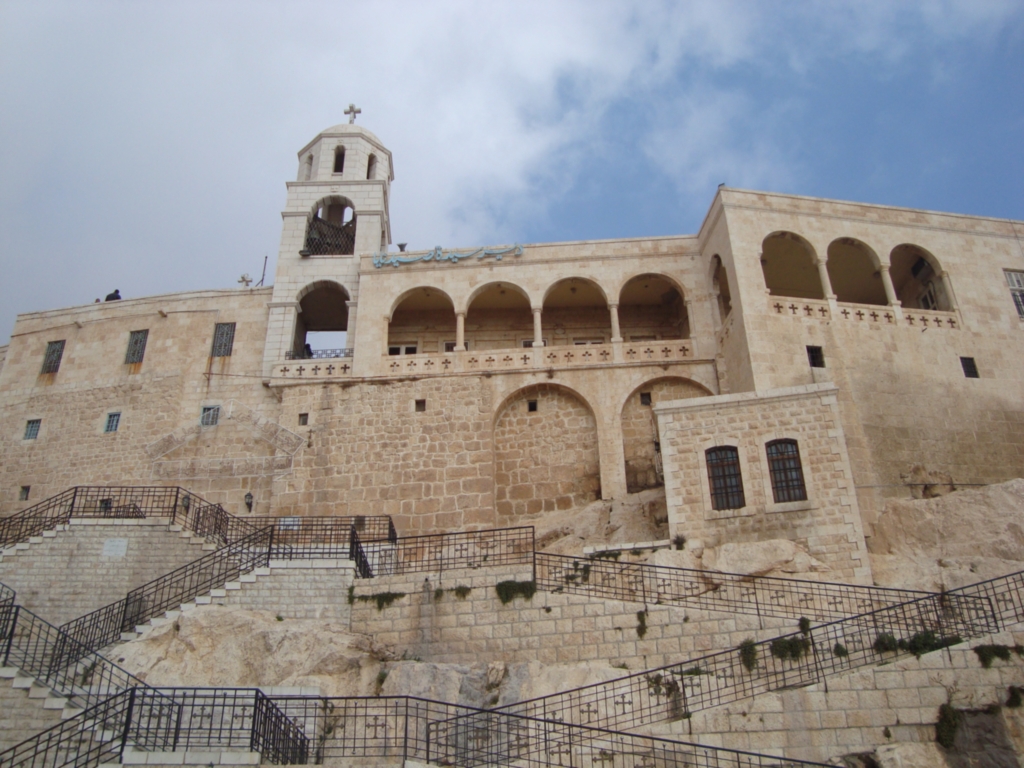
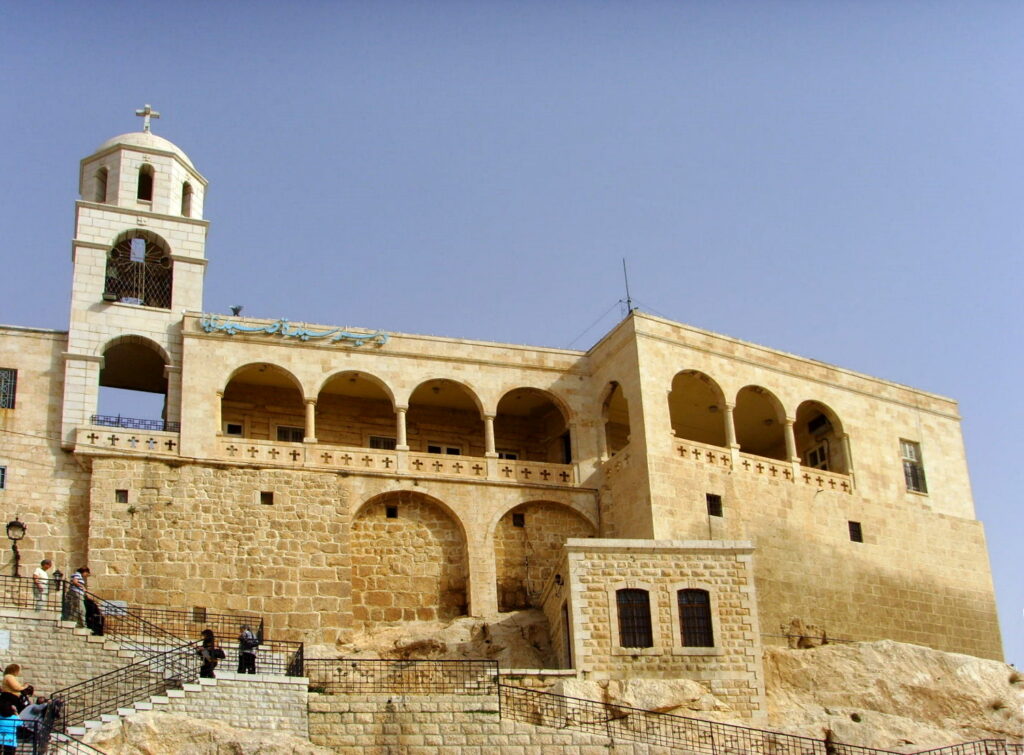
The Monastery of the Virgin Mary of Seidnaya, often referred to simply as the Seidnaya Convent, dates back to the 6th century CE. It was founded during the reign of Byzantine Emperor Justinian I, who, according to legend, was led to the mountain by a vision of the Virgin Mary while on a military campaign.
He ordered the construction of a grand church on the site, and since then, it has remained one of the oldest continually functioning monasteries in the world.
Architecture and Sacred Spaces
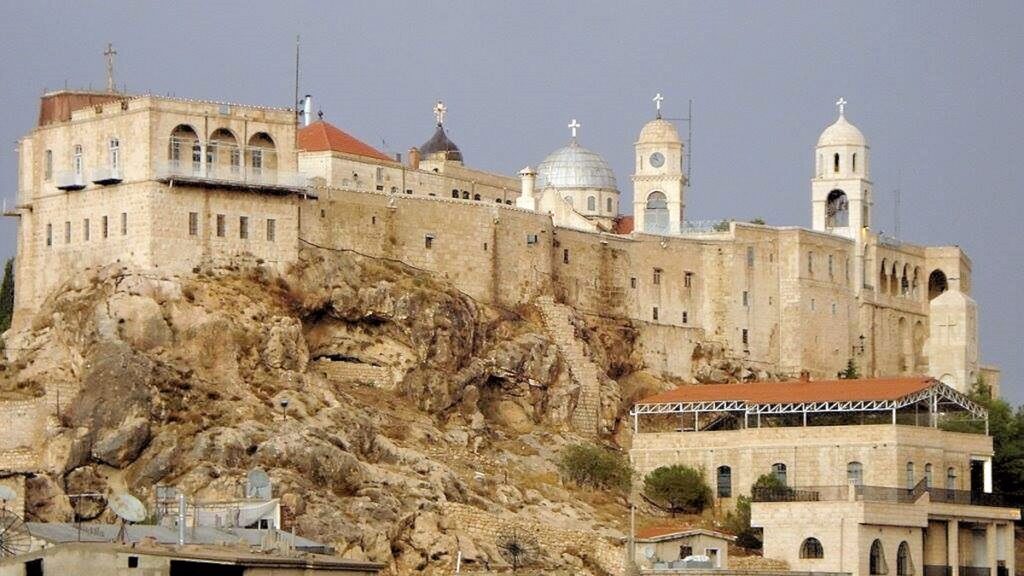
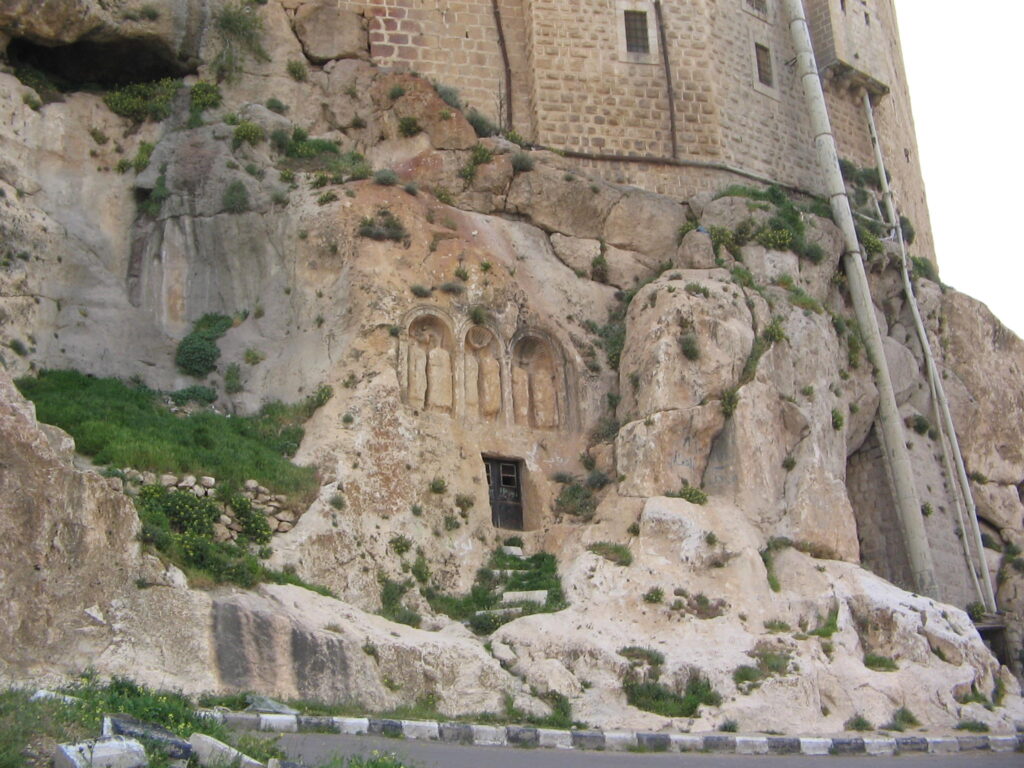
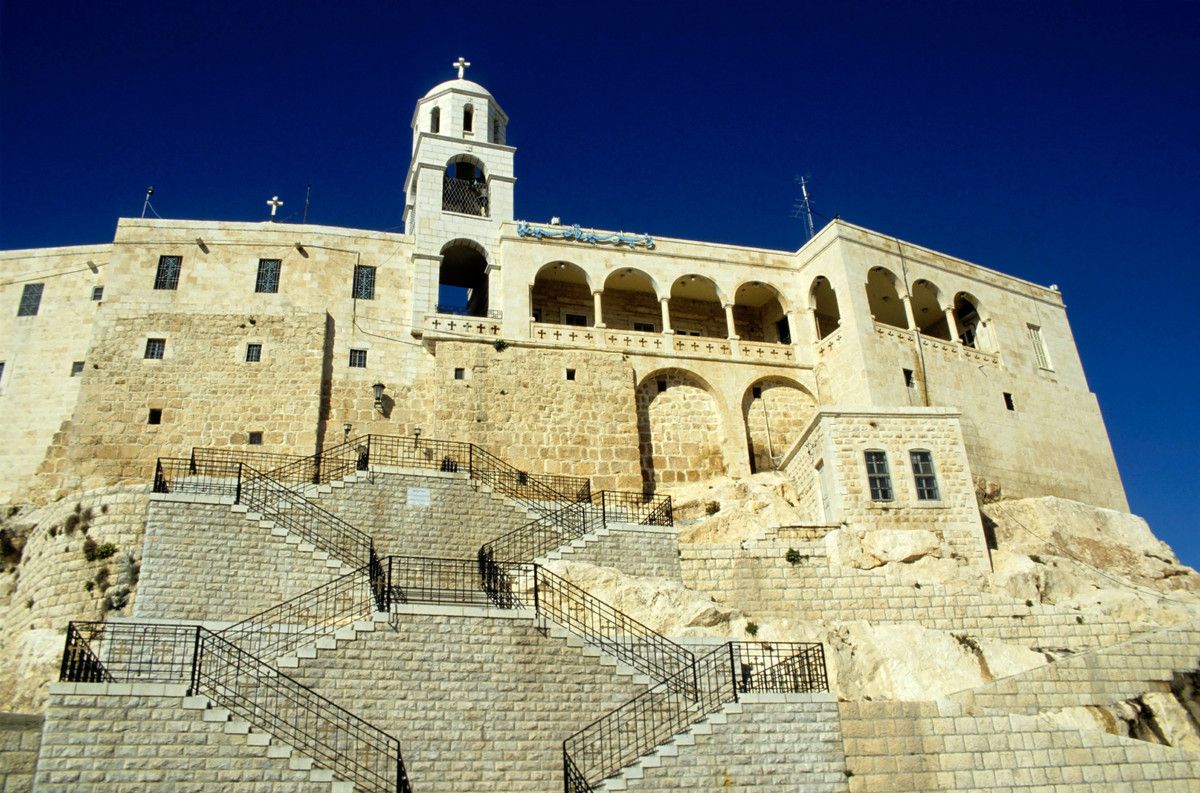
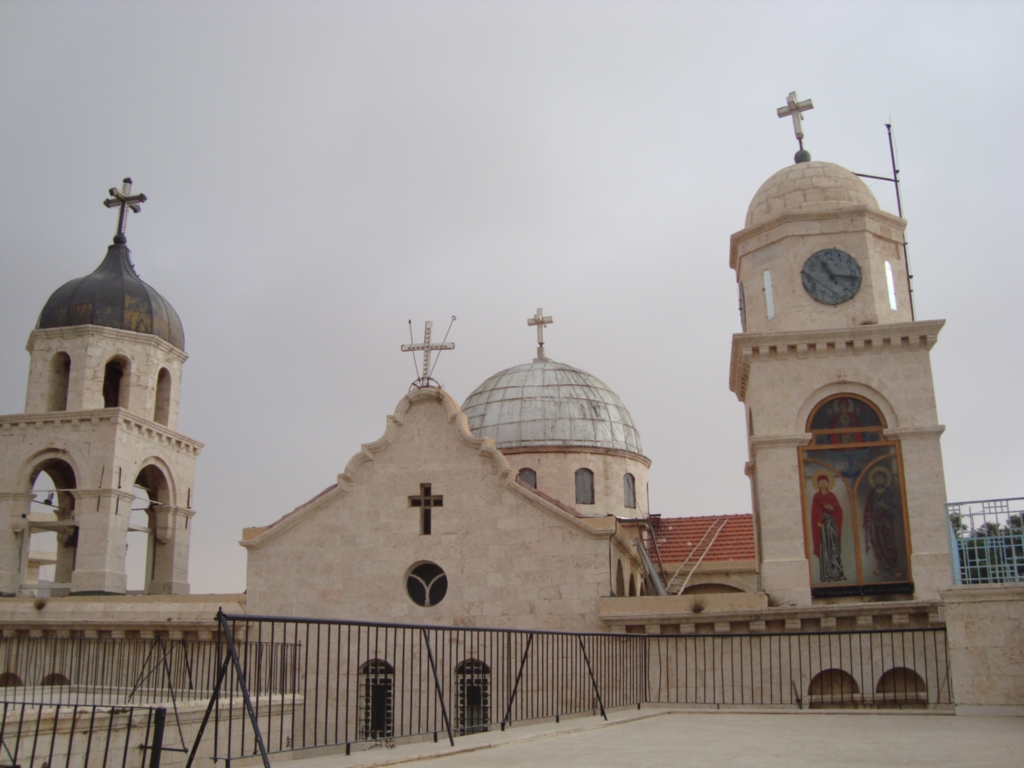
The convent is built in traditional stone and white plaster, and it clings dramatically to the mountainside. Inside, visitors will find:
- Byzantine icons dating back hundreds of years
- Ancient frescoes and carvings depicting scenes from Christian theology
- A small chapel that houses the believed miraculous icon of the Virgin Mary
- A peaceful courtyard with views over the surrounding mountains and valleys
The main church is dedicated to the Virgin Mary, known locally as “Sayyidatna Maryam.” Pilgrims visit to light candles, pray for healing, and experience the calm energy of this revered space.
The Miraculous Icon
The icon of the Virgin Mary housed at Seidnaya is said to have miraculous healing properties, particularly related to eye ailments. Many believe that it was painted by Saint Luke the Evangelist, making it not only spiritually powerful but also artistically significant.
The icon is displayed inside a small chapel within the convent, where thousands of pilgrims come annually, especially on September 8th, the Feast of the Nativity of Mary.
Other Churches and Sites in Seidnaya
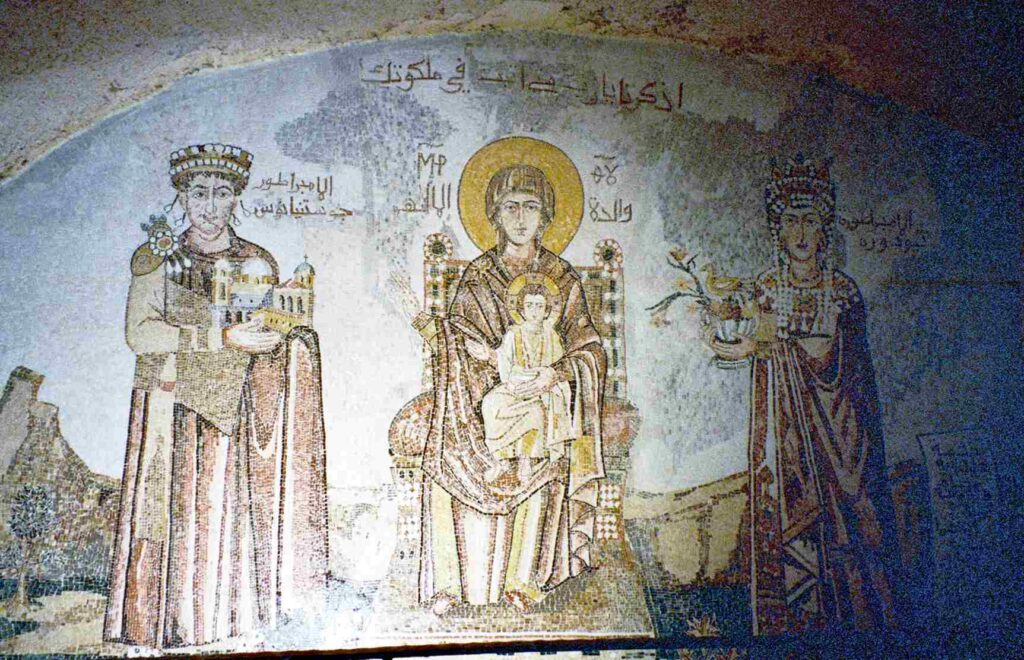
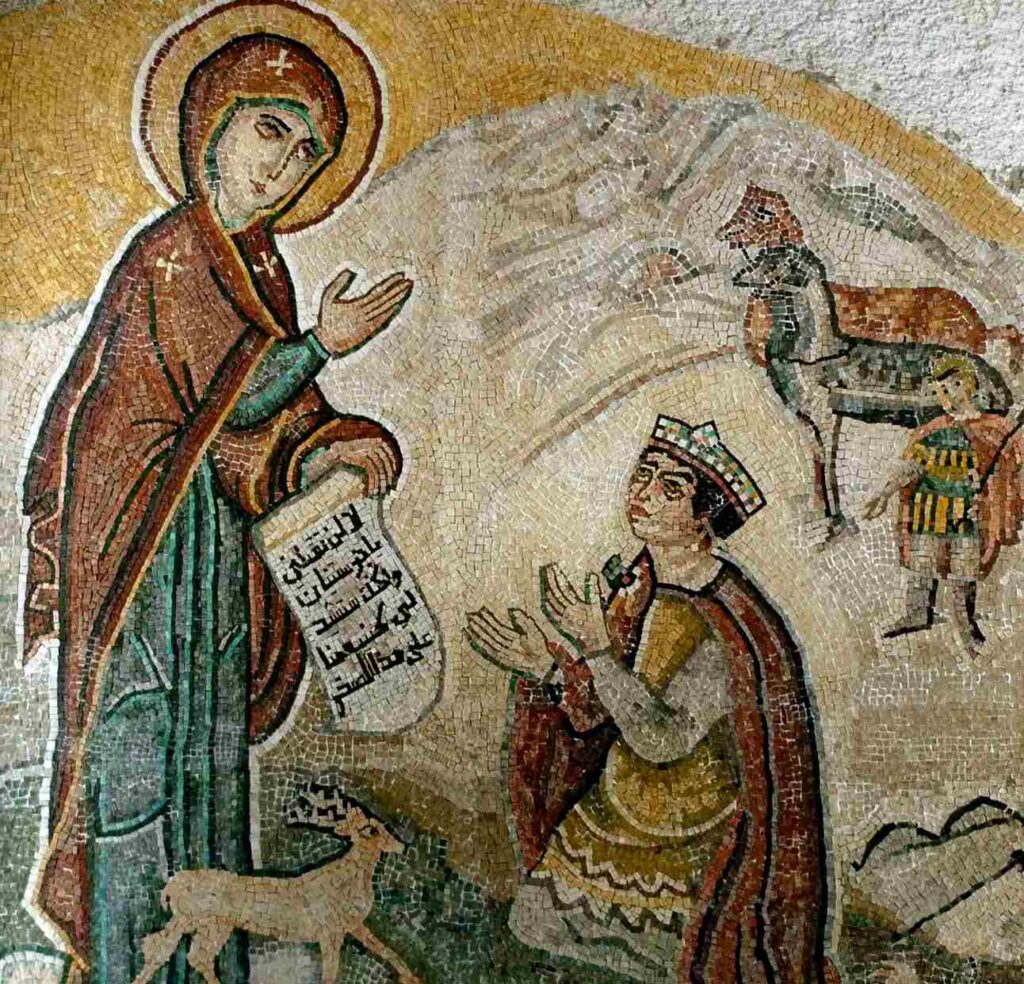
While the main convent is the focal point, Seidnaya is home to over a dozen other chapels and churches, some dating back to the early centuries of Christianity.
Church of Saint George
Built more recently but in the traditional style, this church is dedicated to Saint George, the patron saint of protection and courage. It features a lovely courtyard and is often visited by local families on weekends.
The Grotto of Saint Thecla
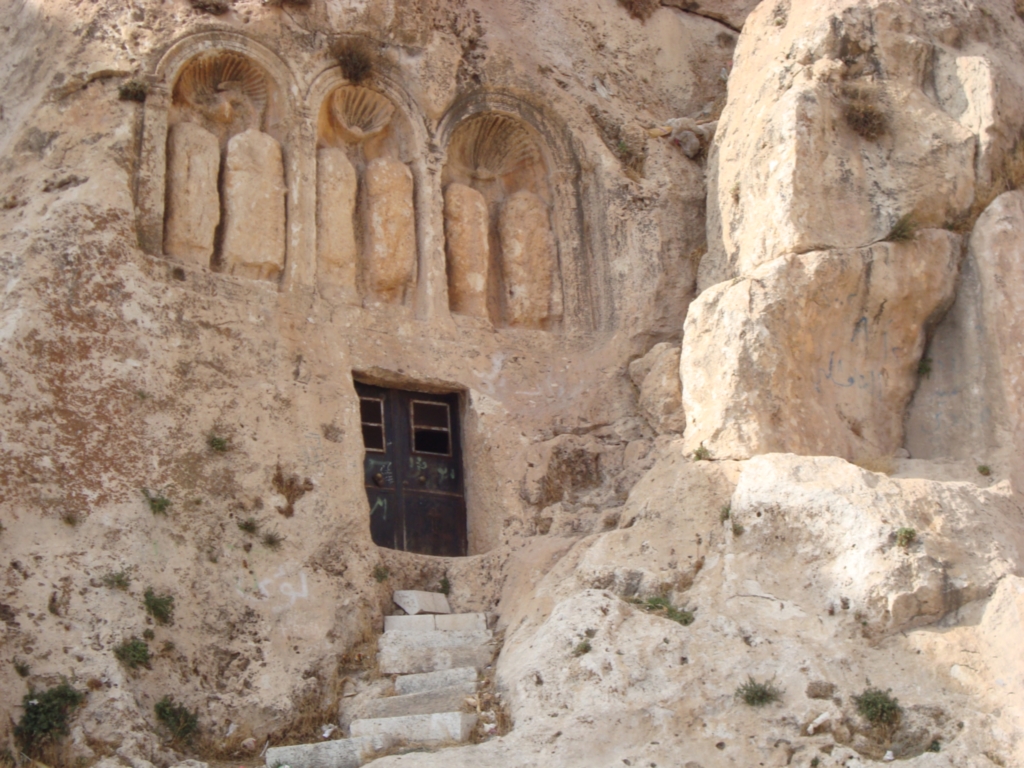
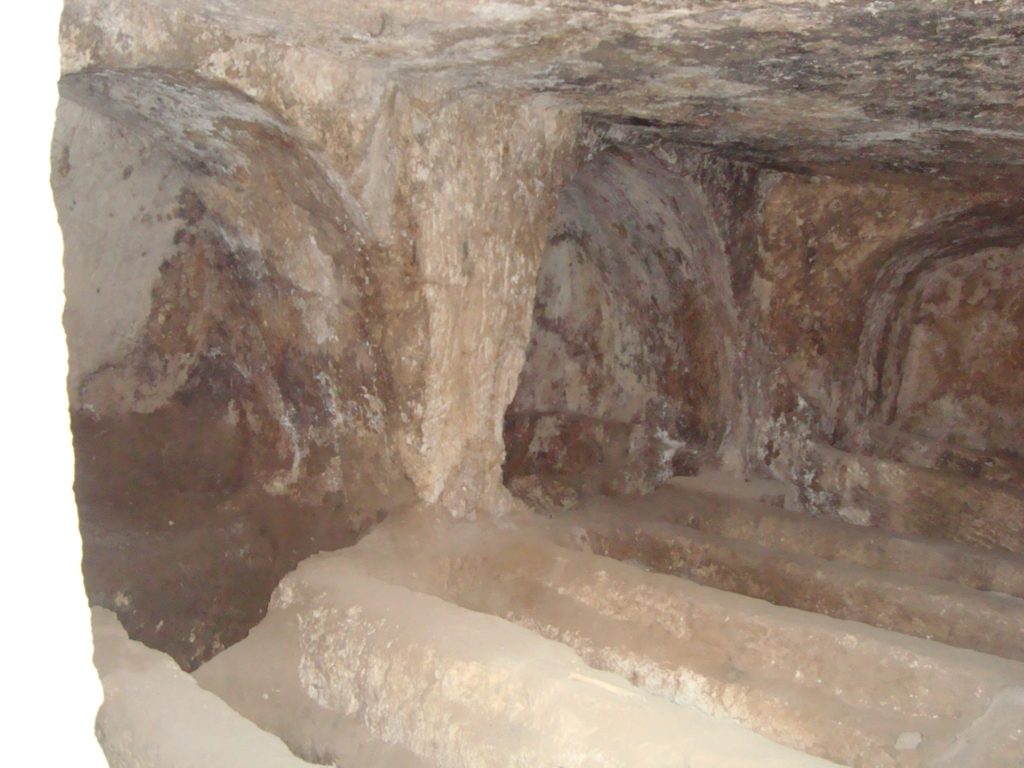
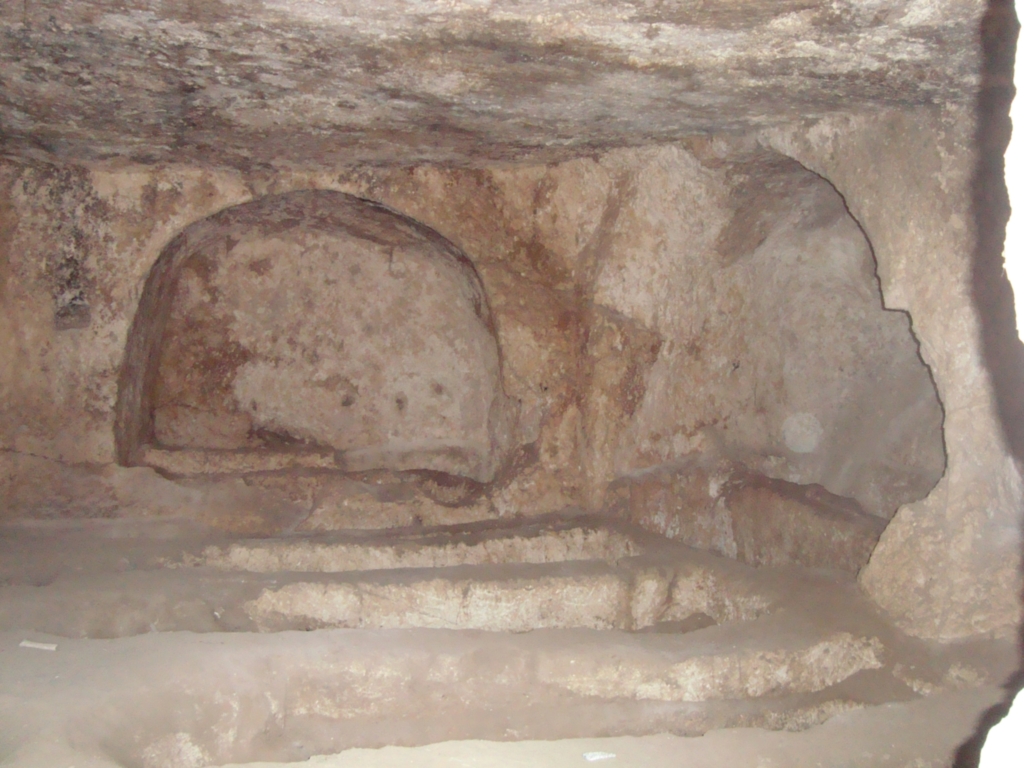
A small, sacred cave located on the outskirts of Seidnaya is believed to be one of the early Christian hermitages. While modest in appearance, it carries significant historical and religious weight among Eastern Christian communities.
Village Walking Paths
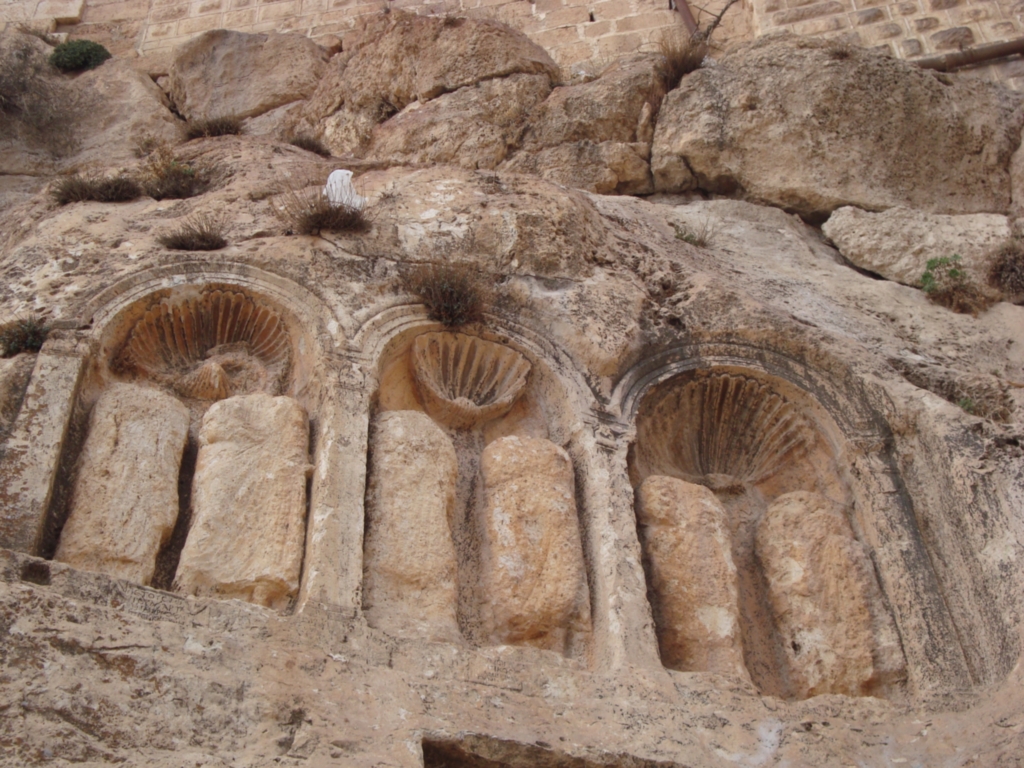
The town’s winding paths and trails also serve as a kind of open-air museum, dotted with small shrines, painted stones, and religious markers. Walking through Seidnaya gives travelers a true sense of spiritual immersion and peaceful discovery.
Cultural and Local Experience
Meeting the Locals
The people of Seidnaya are known for their hospitality. While Arabic is the main language, many locals — especially within the church — speak basic English or French. Visitors often comment on the genuine warmth of their encounters.
You may be invited to drink Arabic coffee, taste homemade sweets, or hear stories about the village’s religious traditions and festivals.
Local Food
Small family-run restaurants and bakeries dot the town. Typical offerings include:
- Mana’eesh (flatbread with thyme or cheese)
- Labneh and olives
- Freshly baked bread from traditional stone ovens
- Sweet pastries, such as maamoul and knafeh
Some convents also offer a simple vegetarian lunch for pilgrims or groups.
Best Time to Visit
Seasons
- Spring (March to May): Lush greenery and blooming flowers
- Summer (June to August): Cool mountain air, great for escaping city heat
- Autumn (September to November): Festival season, especially around the Feast of Mary
- Winter (December to February): Occasionally snowy, picturesque but cold
Ideal Timing
Try to visit in the early morning or late afternoon, when the light is soft and the weather is pleasant. Sunset views from the village are spectacular.
How to Get to Seidnaya from Damascus
Distance and Route
Seidnaya is just 30 km (approx. 19 miles) north of Damascus and is accessible by car in about 45 minutes to 1 hour, depending on traffic.
Transportation Options
- Private Taxi: Recommended for comfort and flexibility. Your hotel can arrange it.
- Guided Day Tour: Some local guides offer combined trips to Seidnaya and Maaloula.
- Public Minibuses: Infrequent but affordable — best suited for experienced travelers.
Roads are generally safe and scenic, with views of the hills and valleys of Qalamoun.
Safety and Dress Code
Safety
Seidnaya is considered a safe and peaceful town, popular with both domestic and international pilgrims. It is advisable to remain respectful in religious spaces and follow local advice during your visit.
Dress Code
As a religious destination, modest clothing is required inside churches and monasteries. Women are often asked to cover their shoulders and knees; scarves are available at the convent entrance if needed.
Festivals and Religious Events
Seidnaya’s most important annual event is the Feast of the Nativity of Mary, celebrated on September 8. Thousands of pilgrims attend special masses, light candles, and walk in procession through the village.
It is a wonderful time to experience the local traditions, music, and spiritual energy of the town.
See Also: Maaloula Christian Village
A Place of Peace and Pilgrimage
Seidnaya is not just a stop on a tourist route — it is a living sanctuary. Whether you come to admire the architecture, pray in the presence of ancient icons, or simply breathe in the fresh mountain air, Seidnaya offers a sense of inner calm and timelessness.
For those looking to understand the Christian heritage of Syria, or for travelers seeking a sacred space to reflect, Seidnaya stands as one of the most powerful and unforgettable experiences near Damascus.
Finally.. If you have any questions, please contact us. To explore further, visit our website gallery for rare images and cultural highlights.
Sources & References:
UNESCO – World Heritage Centre: https://whc.unesco.org
Archnet – Architecture & Heritage Database: https://www.archnet.org
World History Encyclopedia: https://www.worldhistory.org
Syrian Heritage Archive Project: https://syrian-heritage.org
Global Encyclopedia: Wikipedia