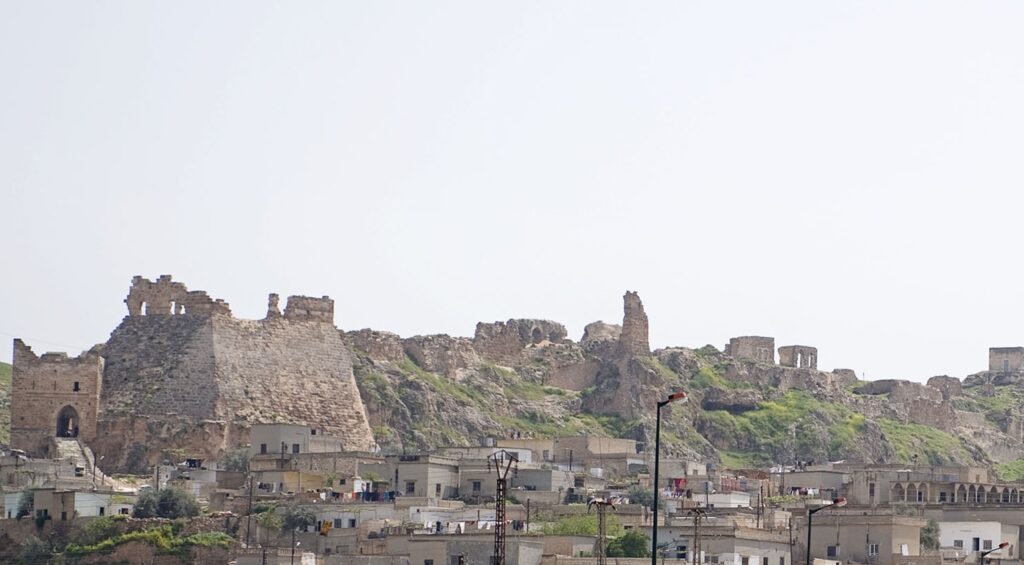
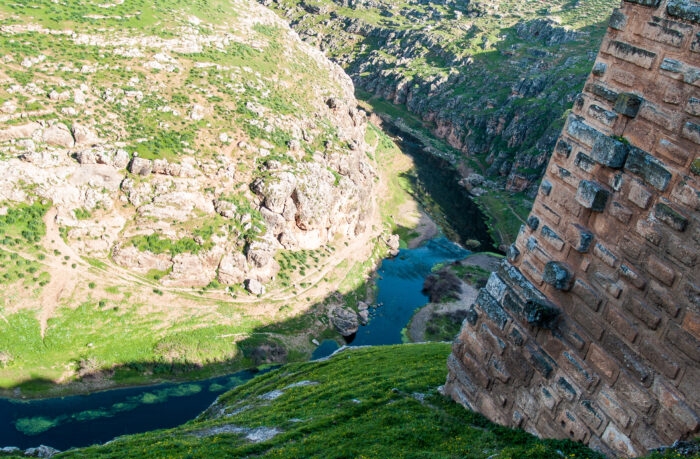
Shaizar Castle: Tucked away in the verdant Orontes Valley, northwest of Hama city, lies Qalaat Sheizar, also known as Shaizar Castle, one of Syria’s most historically rich yet lesser-known fortresses. Perched strategically on a limestone ridge overlooking the Orontes River, Shaizar Castle blends natural beauty, military architecture, and centuries of layered civilizations. The site has witnessed the rise and fall of ancient Syrians, Greeks, Byzantines, Arabs, and Crusaders. For modern-day visitors, Shaizar Castle offers a peaceful yet evocative glimpse into Syria’s multifaceted past—without the crowds found at more famous sites like Krak des Chevaliers.
Shaizar Castle | Quick info
| Topic | Quick Info |
|---|---|
| Name | Shaizar Castle -Qalaat Sheizar / قلعة شيزر |
| Location | Near the Orontes River, northwest of Hama, Syria |
| Built / Origin | Originally Byzantine, later expanded and fortified by Arab rulers (mainly during the 11th–12th centuries) |
| Historical Eras | Byzantine, Seljuk, and Ayyubid periods |
| Strategic Role | Served as a frontline fortress guarding northern Syria and controlling routes between Hama and the coastal region |
| Notable Families | Seat of the Banu Munqidh family — known for their cultural and military prominence during the Crusades |
| Architectural Highlights | Massive walls, towers, and hilltop position overlooking the Orontes valley |
| Destruction | Severely damaged by a major earthquake in 1157 CE and later partially rebuilt |
| Significance | An important medieval fortress representing the blend of Byzantine and Islamic military architecture in Syria |
Location and How to Get There
Shaizar Castle is located about 20 kilometers northwest of Hama, in the town of Shaizar, also known historically as Sezer or Larissa. The easiest way to reach it is by car or local taxi from Hama, which is itself accessible via main highways from Damascus or Aleppo. The drive from Hama to Sheizar takes around 30 minutes, and the route is scenic, passing through fields, olive groves, and villages nestled in the Orontes Valley. Once at the town of Shaizar, the castle is clearly visible on a hilltop and reachable via a short uphill walk.
Historical Background
Ancient and Classical Origins
The history of Sheizar stretches back thousands of years. It is believed to have been settled as early as the 2nd millennium BC, and was known in ancient times as Senzar or Sizara. During the Hellenistic period, it was called Larissa, a name that appears in ancient Greek sources. Romans and Byzantines fortified the site due to its strategic position overlooking the river and controlling the route between Antioch and Hama.
Islamic and Crusader Period
Following the Islamic conquests, Sheizar became a powerful frontier city, particularly during the Seljuk period in the 11th and 12th centuries. It was ruled by the Banu Munqidh, a prominent Arab family known for their literary, diplomatic, and military achievements. The most famous of them, Usama ibn Munqidh, was a warrior, poet, and chronicler who left behind invaluable writings about the Crusades and life in medieval Syria.
Sheizar played a critical role during the Crusader era, often caught between Frankish forces from Antioch and Muslim rulers from Aleppo and Homs. The castle was expanded, destroyed, and rebuilt multiple times. A catastrophic earthquake in 1157 devastated the castle and much of the town, killing most of the ruling family and marking the beginning of the site’s decline.
Architectural Highlights
Strategic Location and Natural Defenses
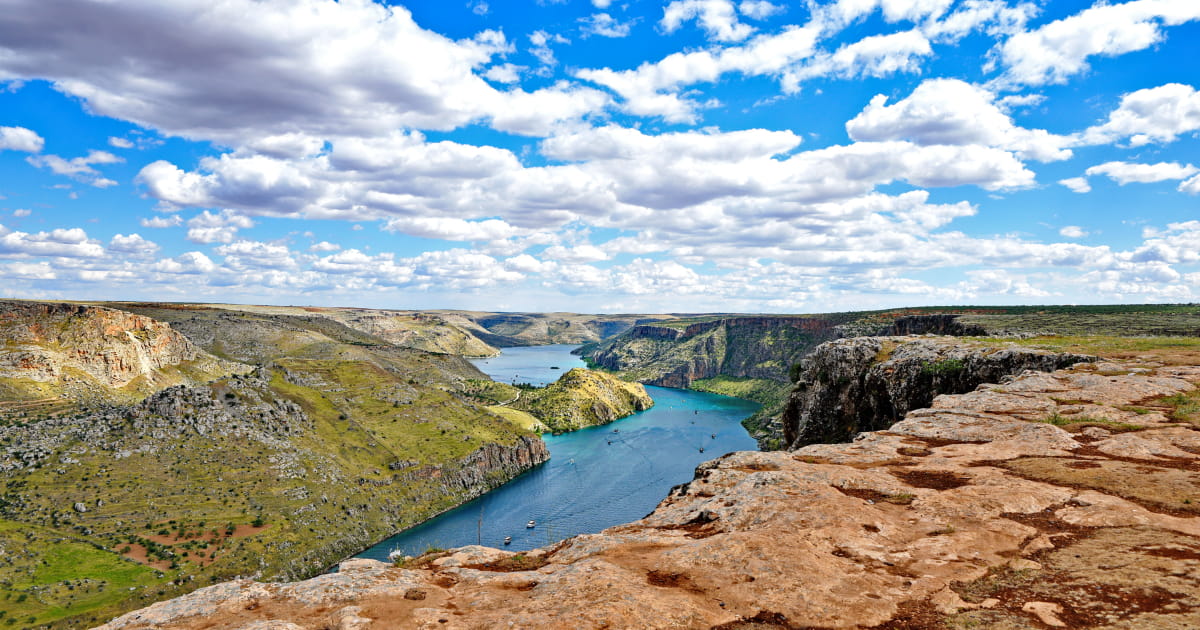
The castle is dramatically positioned on a cliffside above the Orontes River, giving it a natural defense on one side and panoramic views of the valley. The terrain itself forms part of the fortification, making the castle difficult to attack from the north and east.
Defensive Walls and Towers
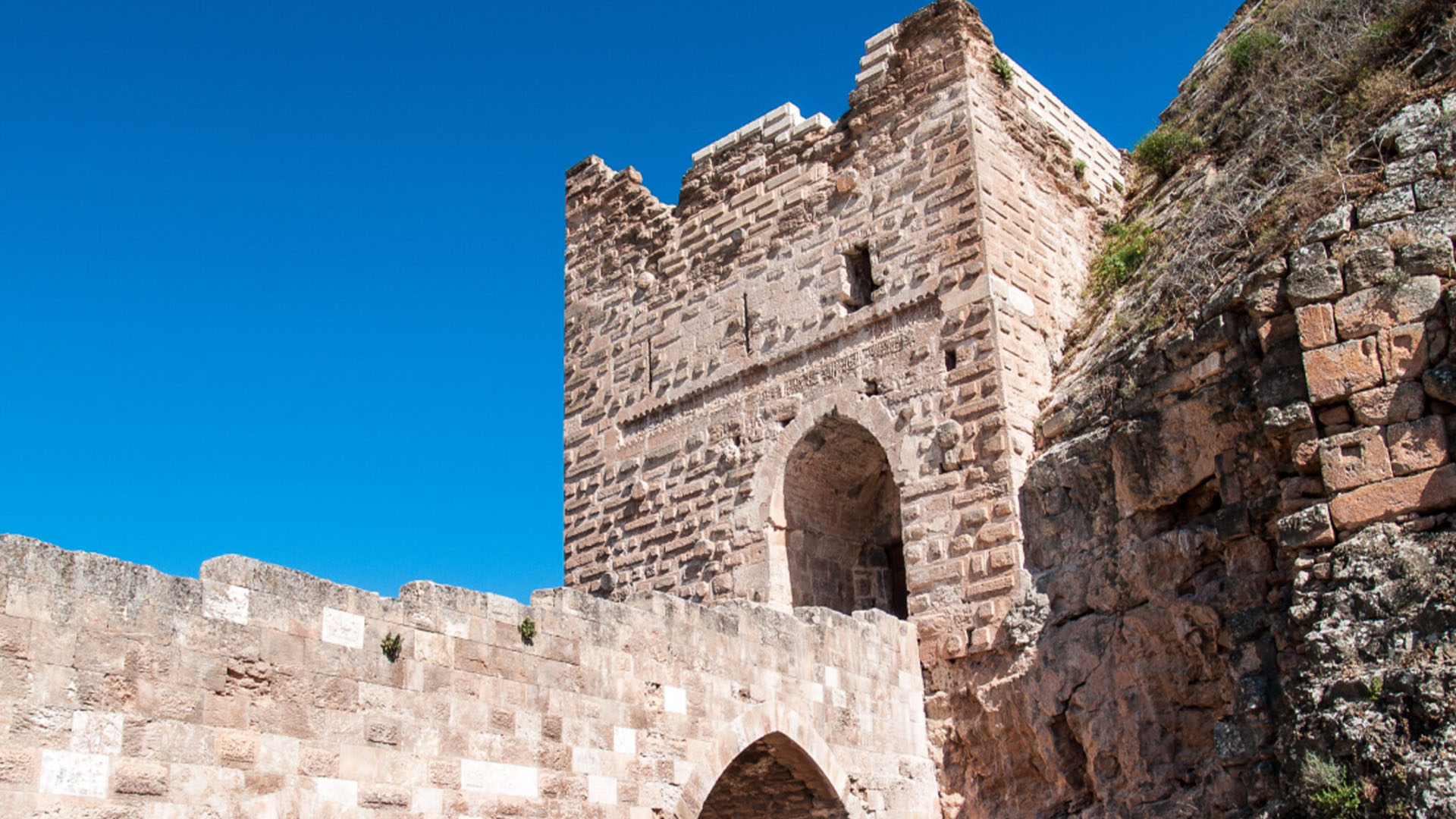
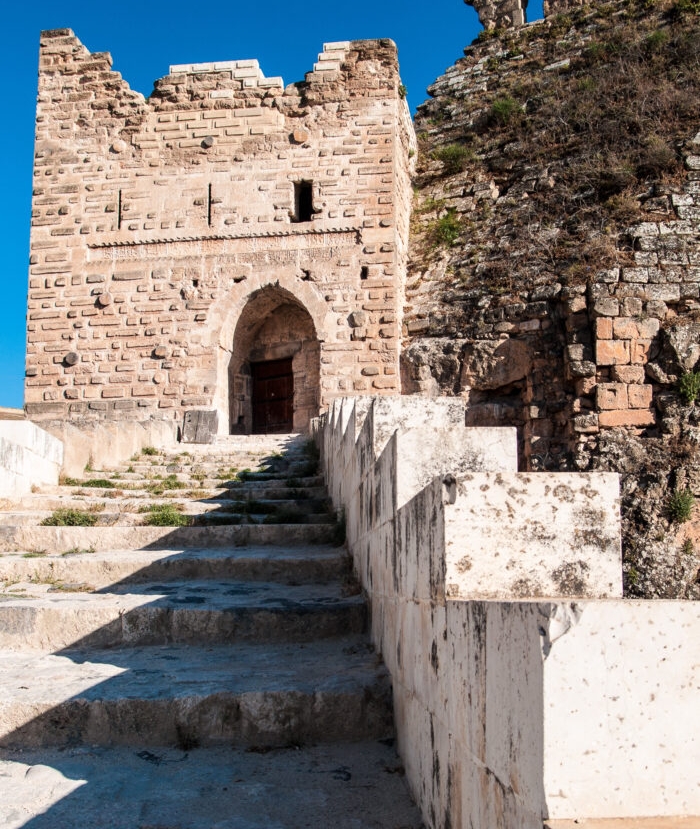
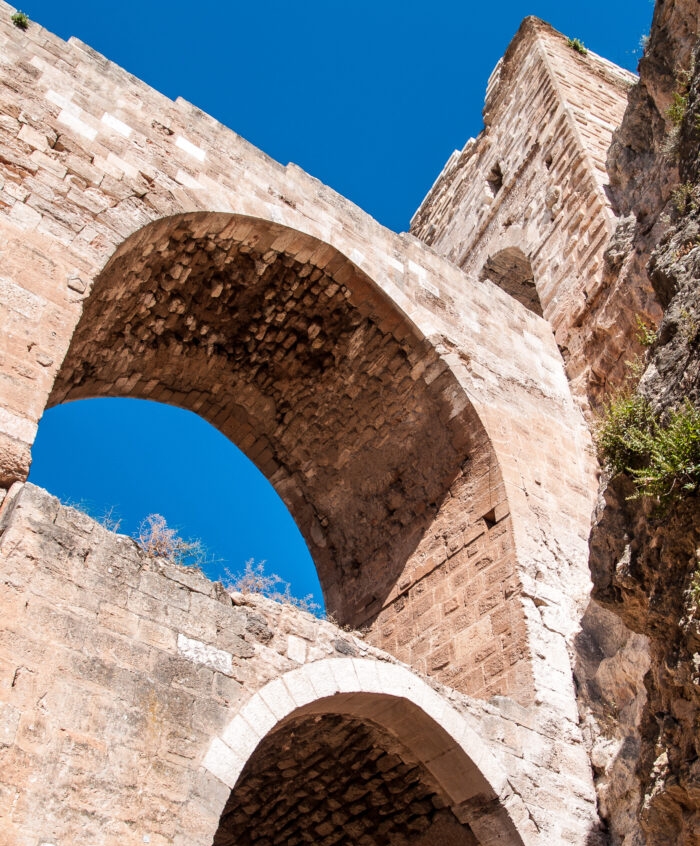
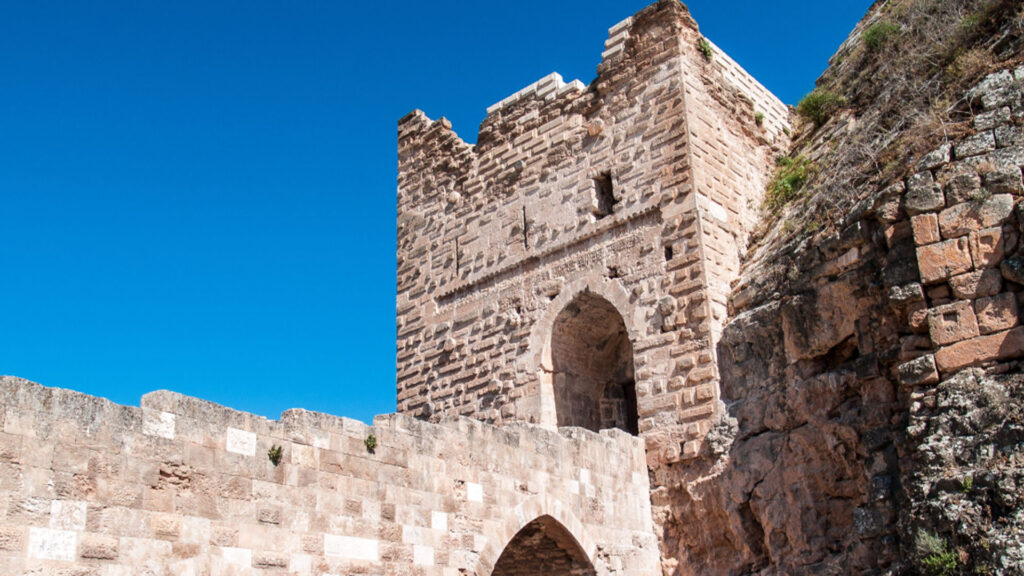
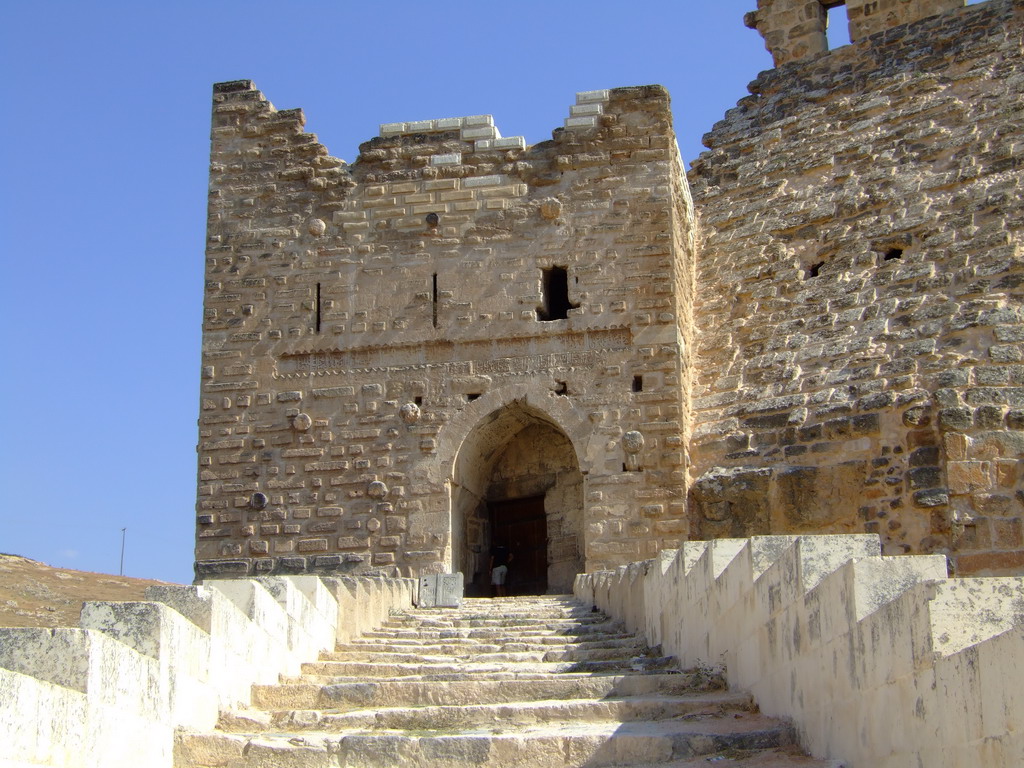
Much of the outer wall is now in ruins, but sections of the fortified walls and towers are still standing. Visitors can see remains of the gatehouses, battlements, and watchtowers. The stones used in construction are large and roughly cut, typical of medieval Arab military architecture.
Inner Courtyard and Ruins
Inside the castle, tourists can explore the inner courtyard, where ruins of various buildings remain, including residential quarters, storehouses, and water cisterns. The design reflects the blend of Byzantine, Arab, and Crusader influences that shaped the region.
Underground Chambers
One of the most fascinating aspects of Shaizar Castle is its underground tunnels and rooms, some of which were used for storage and as shelters during sieges. These can be explored cautiously, offering a sense of the castle’s self-sufficiency in times of war.
What to Expect During Your Visit

Shaizar Castle is not a heavily touristed site, which means visitors can explore it in peace and at their own pace. There is no official ticket office, and entrance is generally free. Local villagers may greet you warmly, and some may offer informal tours.
There are no formal facilities on-site—no restrooms, food vendors, or signage—so it’s best to come prepared with water, snacks, and sun protection. The walk to the top is moderate but requires comfortable shoes. Once at the top, the 360-degree views of the Orontes Valley are breathtaking, especially at sunset.
Cultural and Literary Legacy
Shaizar Castle is not just a military monument; it is also a symbol of medieval Islamic intellectual and literary life. Usama ibn Munqidh, who lived in the castle, wrote his famous memoir “Kitab al-I’tibar” (The Book of Learning by Example) here. His observations on Crusaders, Muslim-Christian relations, and chivalry provide invaluable insights into a time of both conflict and coexistence.
His descriptions of court life, hunting, and diplomacy make Sheizar not only a place of stones and ruins, but of ideas and culture that shaped the Islamic world’s engagement with the West.
When to Visit
The best time to visit Qalaat Sheizar is in spring (March to May) or autumn (September to November), when the temperatures are mild and the surrounding valley is green and vibrant. Summer months can be hot, especially around midday, while winter may bring rain and muddy paths.
Early morning or late afternoon visits are recommended for the best lighting for photography and to avoid the heat.
Nearby Attractions
- Hama Water Wheels (Norias): These massive wooden wheels on the Orontes River are a symbol of the city and date back to Roman and medieval times.
- Apamea: An ancient Roman city known for its grand colonnaded street and theater, located less than an hour’s drive to the north.
- Masyaf Castle: A well-preserved fortress of the Nizari Ismailis (Assassins), offering a different historical context and architectural style.
- Hama’s Old City: Features traditional houses, mosques, and hammams, perfect for a cultural afternoon stroll.
See Also: Art of Desert
Safety and Practical Considerations
- Travel with a local guide or driver.
- Avoid traveling alone.
- Carry your passport and identification.
- Let someone know your travel plan and expected return time.
- There are no accommodations in Sheizar itself, but Hama offers many options, from basic guesthouses to boutique hotels.
Photography Tips
- Golden hour (just after sunrise or before sunset) provides ideal lighting for photographing the castle walls and the valley.
- Use a wide-angle lens to capture the panoramic scenery from the top.
- Respect the site by not climbing on unstable ruins or removing stones or artifacts.
Conclusion
Shaizar Castle is a quiet but powerful reminder of Syria’s layered history. From ancient roots and classical splendor to Islamic learning and Crusader battles, this hilltop fortress has seen it all. The modest ruins of Shaizar Castle speak volumes to those who take the time to listen. For travelers seeking meaningful experiences away from the crowds, Shaizar Castle offers history, beauty, and serenity all in one place. If you find yourself in Hama or central Syria, don’t miss the chance to stand at Shaizar Castle, where warriors, poets, and princes once looked out over the Orontes River and dreamed of glory.
Finally.. If you have any questions, please contact us. To explore further, visit our website gallery for rare images and cultural highlights.
Sources & References:
UNESCO – World Heritage Centre: https://whc.unesco.org
Archnet – Architecture & Heritage Database: https://www.archnet.org
World History Encyclopedia: https://www.worldhistory.org
Syrian Heritage Archive Project: https://syrian-heritage.org
Global Encyclopedia: Wikipedia