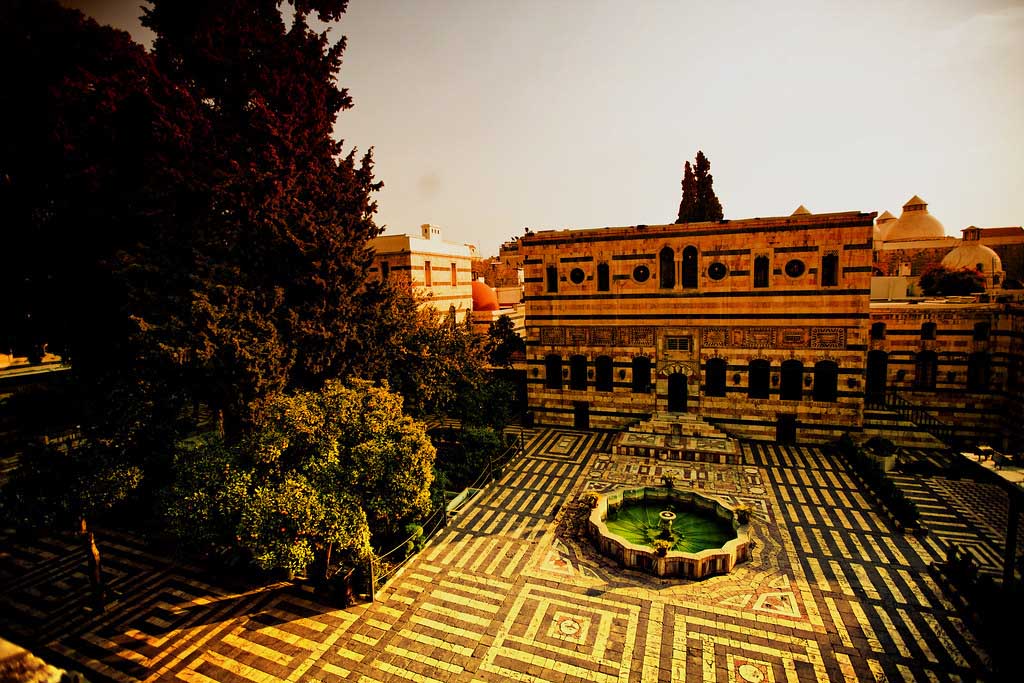
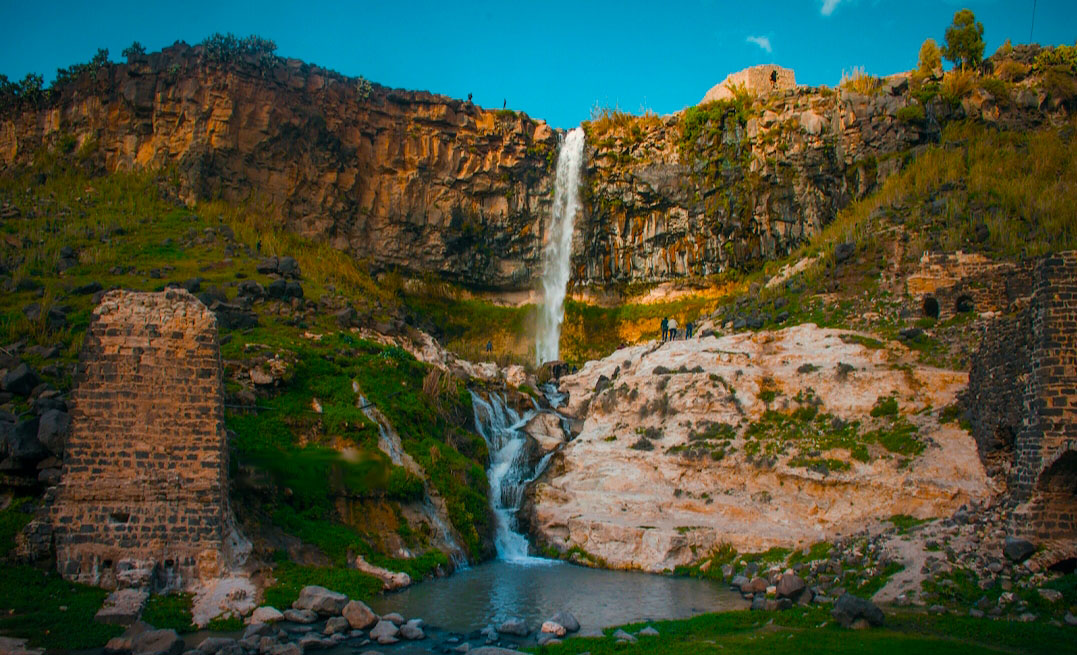
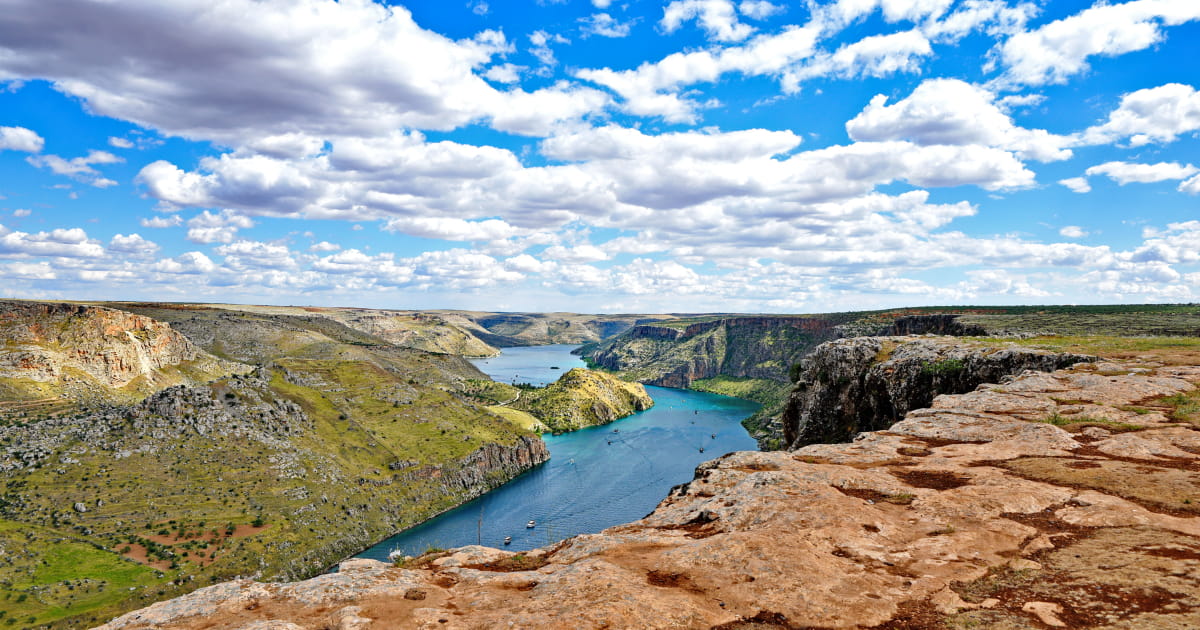
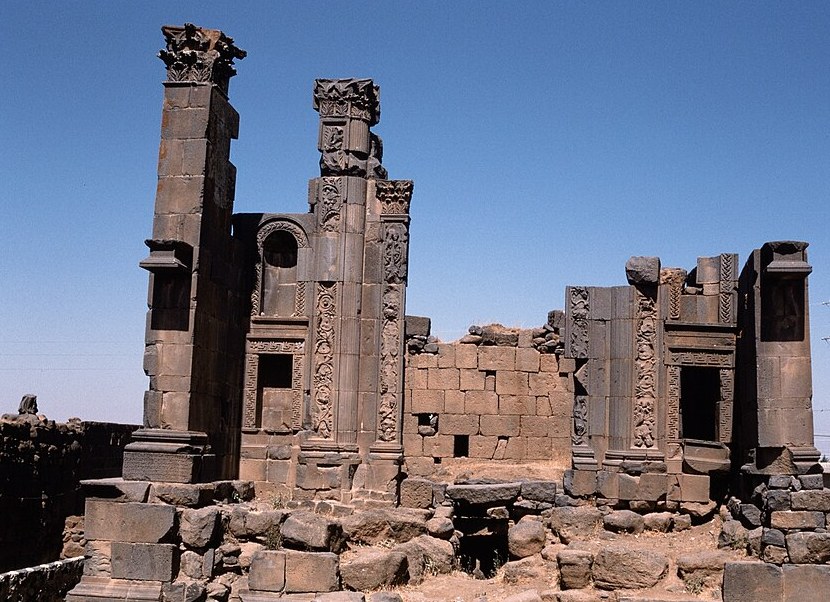
Suweida Attractions: Nestled in the volcanic highlands of southern Syria, al-Suweida is a province shaped by black basalt stones, ancient civilizations, and a deeply rooted Druze heritage. While it may lack the bustling old cities of Damascus or Aleppo, it offers something quieter yet equally valuable — a network of historic villages and sites, each carrying centuries of memory, resilience, and cultural beauty.
Among the most captivating Suweida Attractions are the timeless villages of Shaqqa, Salkhad, Salim, Sia, Atil, al-Mushanaf, Busan, al-Qaraya, Heit, and Hayat — each preserving a story carved in stone and spirit. These destinations reflect the province’s unique blend of natural scenery and ancient heritage.
For travelers seeking authentic cultural experiences, Suweida Attractions promise a journey through volcanic landscapes, Roman-era ruins, and vibrant village life that still honors centuries-old traditions. Whether exploring archaeological remains or walking through basalt-built alleys, every corner reveals the soul of southern Syria.
In short, Suweida Attractions stand as a living museum of history and identity — a serene yet powerful reminder of Syria’s enduring cultural heart.
Suweida Attractions | Quick Info
| City / Town | Key Highlights & Sights | Historical Era / Notable Features | Character / Visitor Notes |
|---|---|---|---|
| Al-Suweida (السويداء) | Small Roman theatre, church ruins, part of Roman temple, Al-Suweida Museum (mosaics & statues) | Roman origins, later Ottoman modifications | Druze-majority city, good dining & accommodation; ideal base for exploring the region |
| Shaqqa (شقّا) | Roman theater, paved streets, Temple of Zeus Megistos, Byzantine churches, cisterns | Roman & Byzantine | One of southern Syria’s finest Roman sites; black basalt ruins in excellent preservation |
| Salkhad (صلخد) | Ayyubid fortress (Salkhad Citadel), Ottoman-era market remains | 13th century (Ayyubid) | Dramatic hilltop fortress with panoramic views; strong Druze identity |
| Salim (سليم) | Druze shrines, basalt houses | Ottoman & modern | Quiet rural village; spiritual and traditional atmosphere |
| Sia (سيع) | Roman temple, baths, houses | Roman & early Christian | Ancient basalt ruins in pastoral landscape; sacred and tranquil |
| Atil (عتيل) | Roman church remains, columns, paved streets | Roman-Decapolis | Mix of ancient ruins and living Druze village; striking basalt architecture |
| al-Mushanaf (المشنف) | Early Christian church ruins | Byzantine | Small village with archaeological remains and rural charm |
| Busan (بوسان) | Byzantine houses and tombs | Early Byzantine | Small historic village with strong local oral traditions |
Al-Suweida
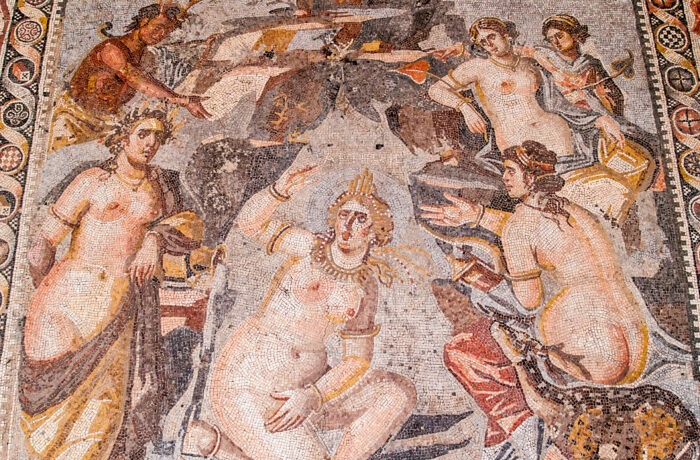
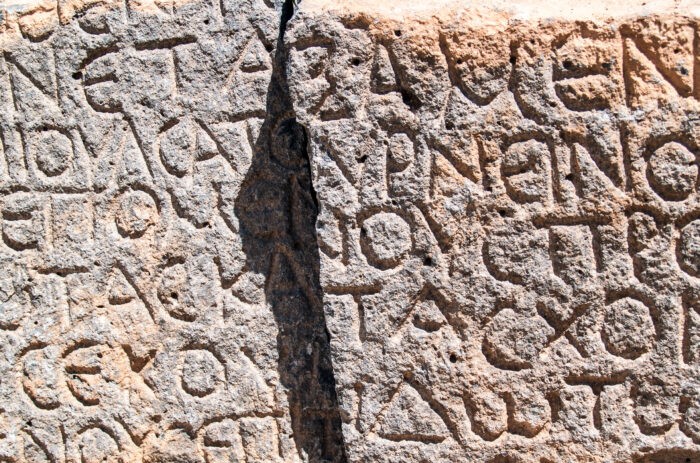
Al-Suweida (السويداء), the capital of its province, is a Druze-majority city and a key hub for visiting nearby towns like Salkhad, Qanawat, and al-Qaraya. Though once a major Roman settlement, most ruins were dismantled by the Ottomans, with only a small restored theatre, church remains, and part of a Roman temple still visible. The city’s museum, near the road to Qanawat, offers mosaics and statues, though it closes on Tuesdays. Al-Suweida also has better dining and limited accommodation compared to surrounding towns, making it a practical base or stop for day-trips, often taken from Damascus.
Shaqqa – The Roman Elegance
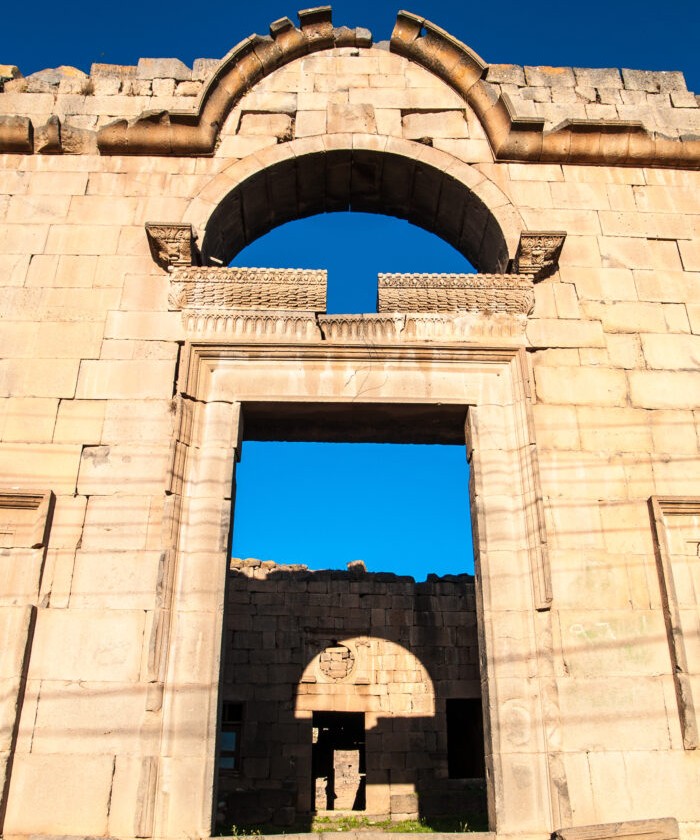
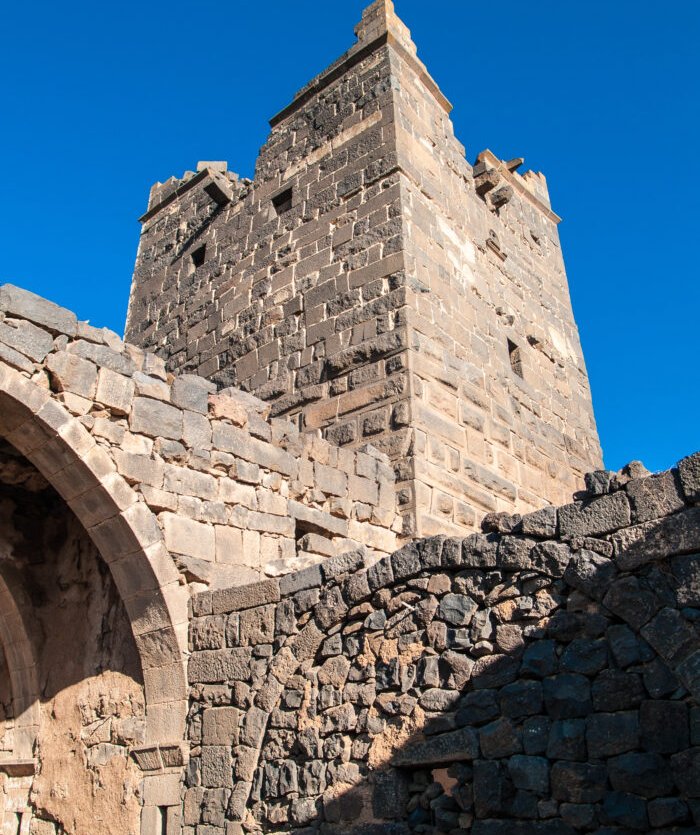
Once known as Maximianopolis, Shaqqa is one of the most important Roman sites in southern Syria. Its well-preserved structures include a Roman theater, large paved streets, and the Temple of Zeus Megistos, featuring grand columns and inscriptions. The town played a key role in the province of Arabia Petraea during Roman rule. Today, visitors can walk through ruins that feel untouched by time, with black basalt stone echoing the grandeur of a lost empire.
Shaqqa also boasts early Christian remains, Byzantine churches, and underground cisterns that testify to a thriving ancient life. For any history lover or archaeological traveler, this village alone is worth the trip.
Salkhad – Fortress on the Edge
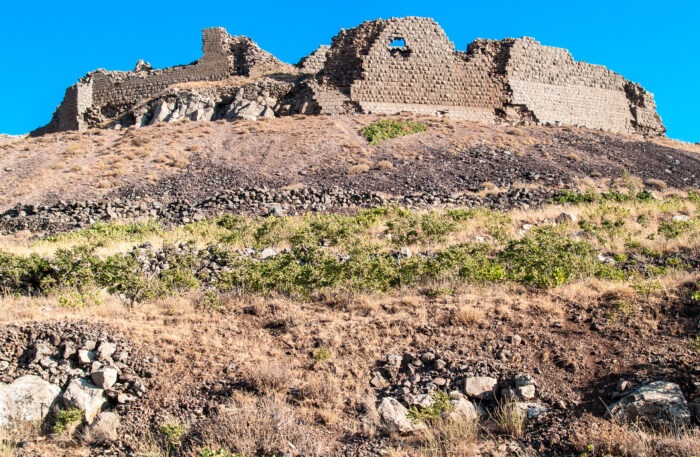
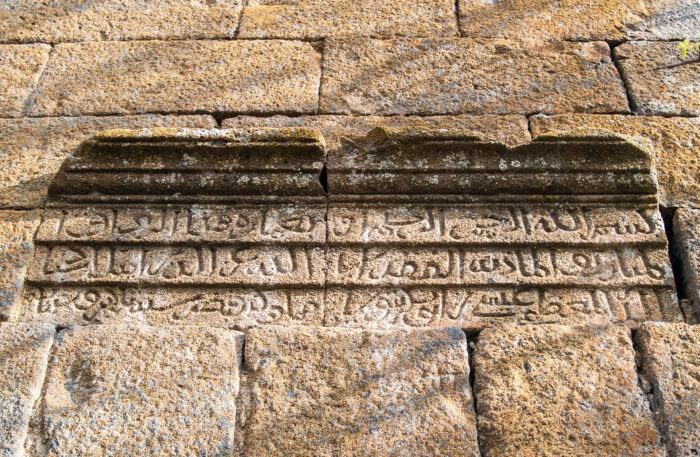
To the south, on the edge of the lava-strewn hills, lies Salkhad, dominated by its majestic Ayyubid fortress built in the 13th century. Perched high with panoramic views, the Salkhad Citadel was part of a larger defense system during the Crusader era. While only parts of the fortress remain intact, its circular towers and commanding location make it one of the region’s most iconic symbols.
Below the castle, the town reveals remnants of old houses and Ottoman-style markets. Salkhad also has a strong Druze cultural identity, with shrines and religious sites important to the community.
Salim – Quiet and Sacred
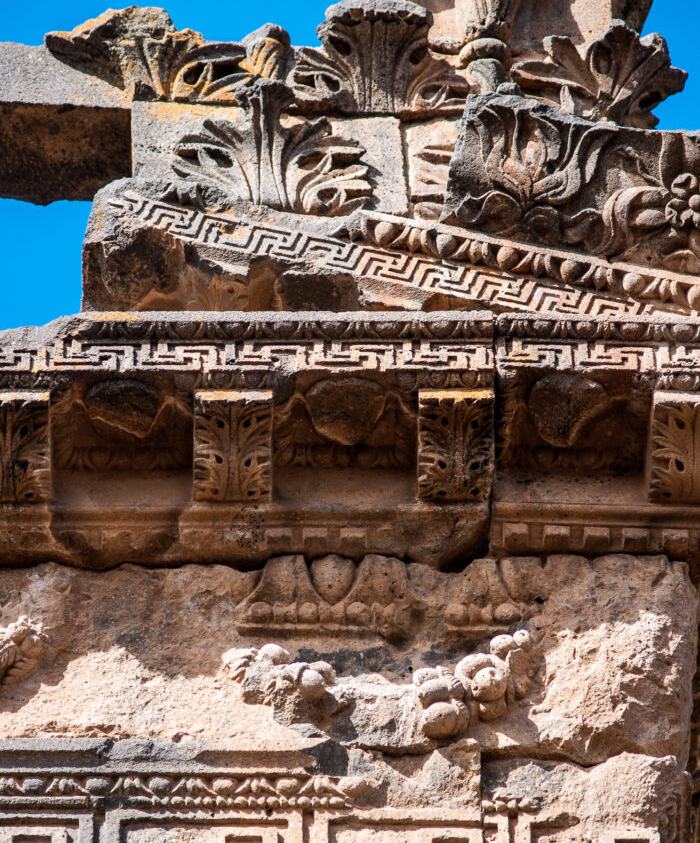
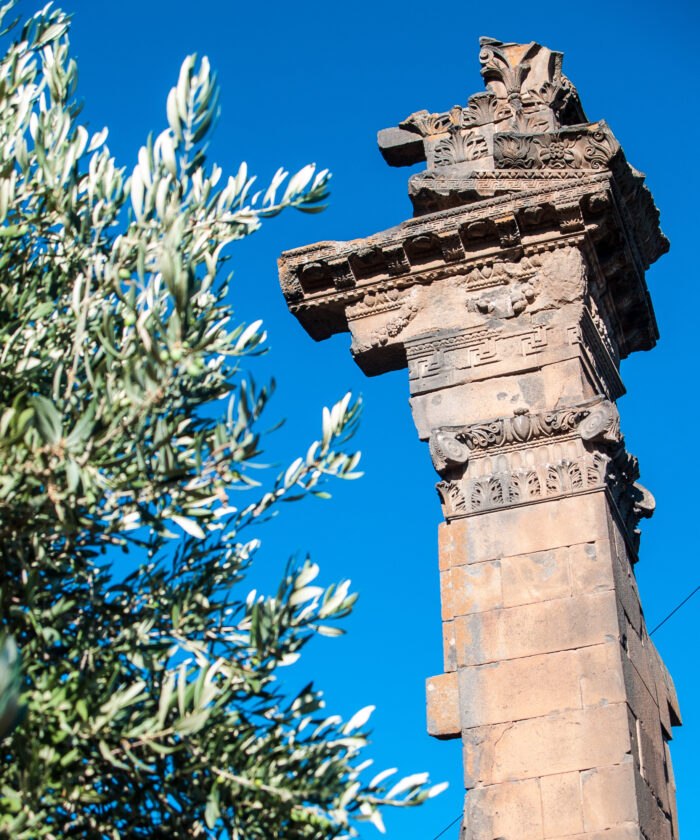
Salim is a smaller village but carries quiet significance. Home to Druze shrines and historic basalt homes, its charm lies in its preserved rural character. The village sits amidst rolling hills and open fields, offering a peaceful window into traditional village life in southern Syria. Salim is ideal for visitors seeking local hospitality and spiritual simplicity more than grand architecture.
Sia – From Pagan to Christian
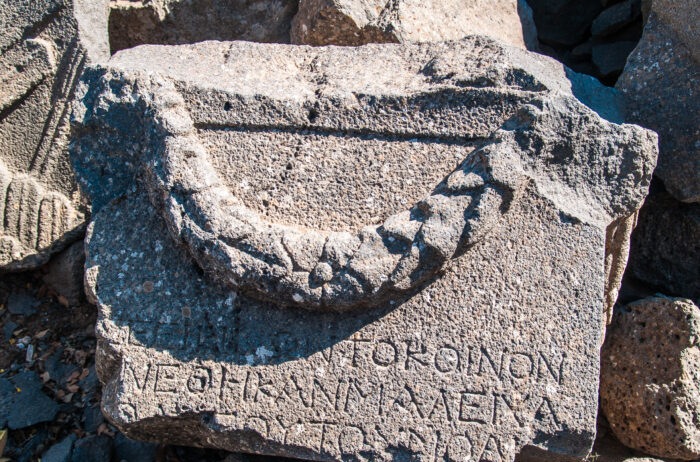
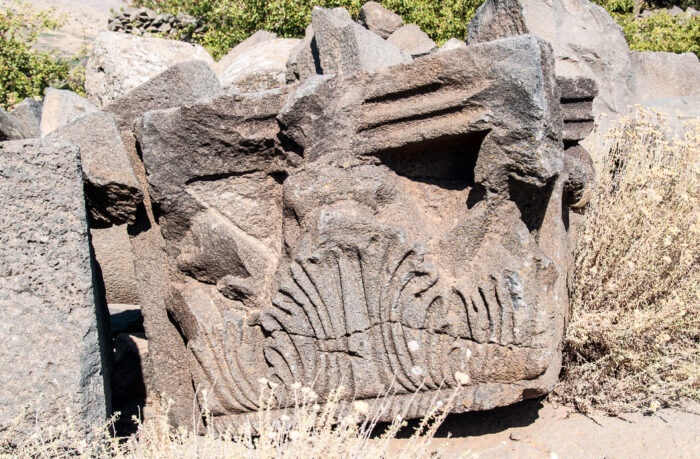
Another underrated jewel is Sia (سيع), an ancient settlement with remnants from the Roman and early Christian periods. The ruins of a temple, baths, and houses still stand in dark basalt, giving visitors a sense of how deeply history runs beneath the village soil. Sia has a rural but sacred atmosphere, surrounded by grazing land and open skies.
Atil – Roman Ruins and Druze Culture
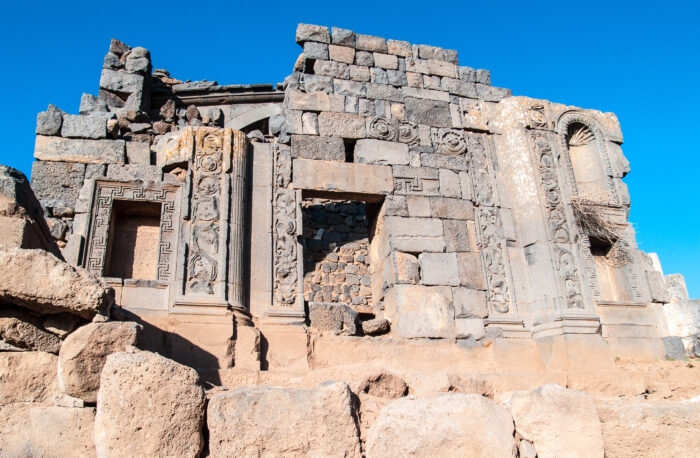
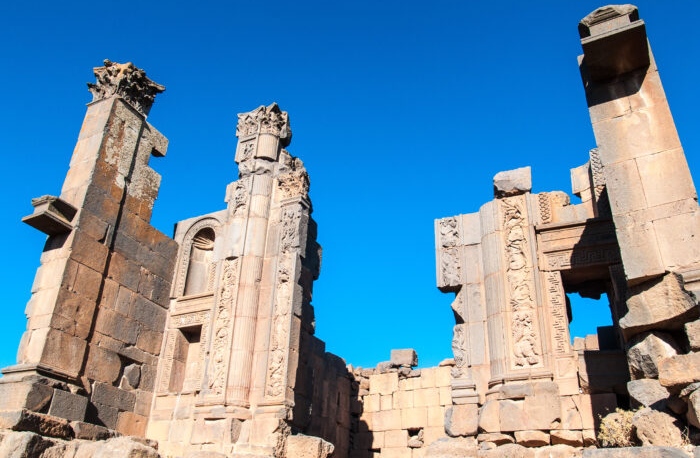
Atil (عتيل) blends Roman ruins with living Druze traditions. The village holds remains of a Roman church, columns, and sections of paved roads, all of which speak to its past as a small but important hub in the Roman-Decapolis network. The basalt architecture of Atil is among the most visually striking in the region, especially when the stones are washed with winter rain or lit by sunset.
Atil today is an active Druze village with modern life flowing among ancient stones, making it a perfect place to see Syria’s layers of history still alive.
al-Mushanaf & Busan – Small Villages, Big History
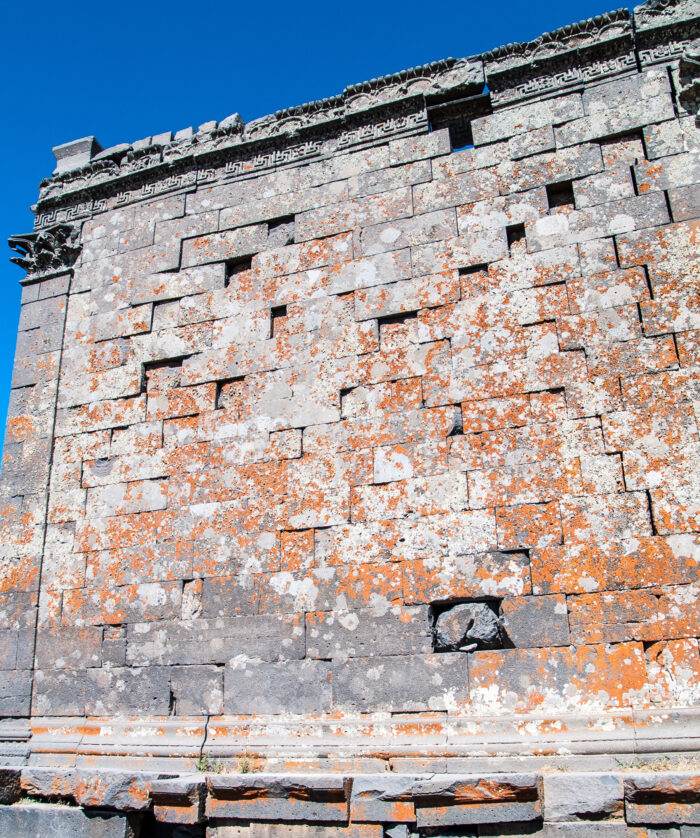
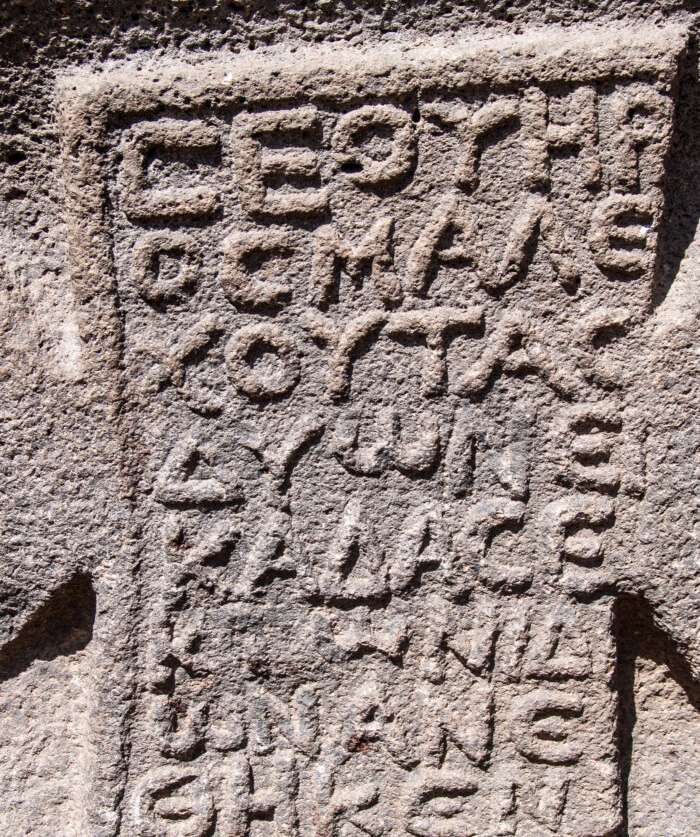
While smaller in population, al-Mushanaf and Busan are part of the puzzle of Suweida’s heritage. Each village features ancient ruins — mostly Christian-era churches, dwellings, and agricultural installations.
Busan in particular has caught attention for its archaeological remains of early Byzantine homes and tombs. The villages also hold strong oral traditions, and visiting these areas offers travelers a more intimate experience with the land and its stories.
A Living Landscape of Stone and Culture
What connects all these villages — from Shaqqa to Hayat — is the unique basalt stone that defines their architecture and the deep roots of community. Unlike the restored, touristic feel of some heritage cities, Suweida offers raw authenticity. You’re not just walking through ruins — you’re walking through living towns, where ancient stones still support modern roofs, and history lives quietly in every courtyard.
In addition, the Druze religious and cultural identity adds spiritual and philosophical depth. Many towns have shrines and maqams (holy places), which while not always accessible to non-Druze visitors, contribute to the strong sense of sacred space.
Practical Tips for Visitors
- Best Time to Visit: Spring and early autumn offer ideal weather and green landscapes.
- Transport: Private car or local guide is recommended. Public transport to smaller villages is limited.
- Dress & Respect: Modest dress is appreciated. Always ask permission before photographing people or religious sites.
- Hospitality: The Druze are known for generosity and honor. Respecting traditions will ensure a warm welcome.
See Also: Daraa Attractions
Final Thought
Al-Suweida Heritage isn’t about crowds or famous tour guides. It’s about authentic discovery — feeling the cool of black basalt under your hand, hearing the silence of ancient temples, and sharing tea with locals who carry stories generations old.
This region is a living museum, not frozen in time but flowing with it. Suweida Attractions offer travelers a rare chance to connect with Syria’s living history — from Roman theatres and Druze shrines to basalt villages that still breathe tradition. Whether exploring ancient ruins in Shaqqa or walking the narrow lanes of Salkhad, every corner reveals the soul of the land.
For cultural explorers, Suweida Attractions go beyond monuments; they invite genuine encounters and moments of reflection. It’s a journey through architecture, spirituality, and humanity. With its timeless landscapes and warm hospitality, Suweida Attractions deserve a prominent place on any cultural traveler’s Syrian itinerary.
Finally.. If you have any questions, please contact us. To explore further, visit our website gallery for rare images and cultural highlights.
Sources & References:
UNESCO – World Heritage Centre: https://whc.unesco.org
Archnet – Architecture & Heritage Database: https://www.archnet.org
World History Encyclopedia: https://www.worldhistory.org
Syrian Heritage Archive Project: https://syrian-heritage.org
Global Encyclopedia: Wikipedia