Syria Byzantine Ruins: In the rugged hills of northern Syria Byzantine Ruins lie one of the world’s most overlooked treasures — the ancient Dead Cities. These forgotten towns, frozen in time, once thrived between the 4th and 7th centuries, revealing the rhythm of everyday life in early Christian society. Among the Syria Byzantine Ruins, stone churches, olive presses, and finely built homes still stand as silent witnesses to faith and prosperity. Far from the grand capitals of the empire, the Syria Byzantine Ruins offer a hauntingly beautiful glimpse into a lost world shaped by devotion, resilience, and the quiet strength of rural life.
Syria Byzantine Ruins | Quick Info.
| Title | Era | Brief Info |
|---|---|---|
| Kafr Nabo كفر نابو | Roman to Byzantine | An ancient village with well-preserved churches and rural Byzantine structures. |
| Zarzita زرزيتا | Byzantine Period | Famous for its monastic ruins and intricate stone carvings from the early Christian era. |
| Idleb (إدلب) | Multi-period (Classical to Islamic) | Major provincial city with layers of urban development, notable for its museum housing Ebla tablets. |
| Deir Sinbol دير سنبل | Byzantine | Part of the Dead Cities, includes remnants of churches and villa-style rural homes. |
| Jeradeh جرادة | Byzantine | A key site among the Dead Cities with a preserved tower house and large church complex. |
| Deirouni ديروني | Late Antique | Rural monastery site with evidence of communal Christian life in northern Syria. |
| Deir Seita دير سيتا | Byzantine to Islamic | Monastic village reflecting early Islamic adaptation of Byzantine religious infrastructure. |
| Kafr Darian كفر دريان | Roman to Medieval | Hill village with fortifications and scattered ruins of religious and domestic buildings. |
| Qarqbizeh قرقبيزة | Byzantine | One of the best-preserved examples of a Byzantine-era Christian village in Syria. |
| Bab al-Hawa باب الهوا | Roman to Islamic | Strategic border crossing with remnants of a Roman arch, caravanserai, and Islamic fortifications. |
Kafr Nabo كفر نابو
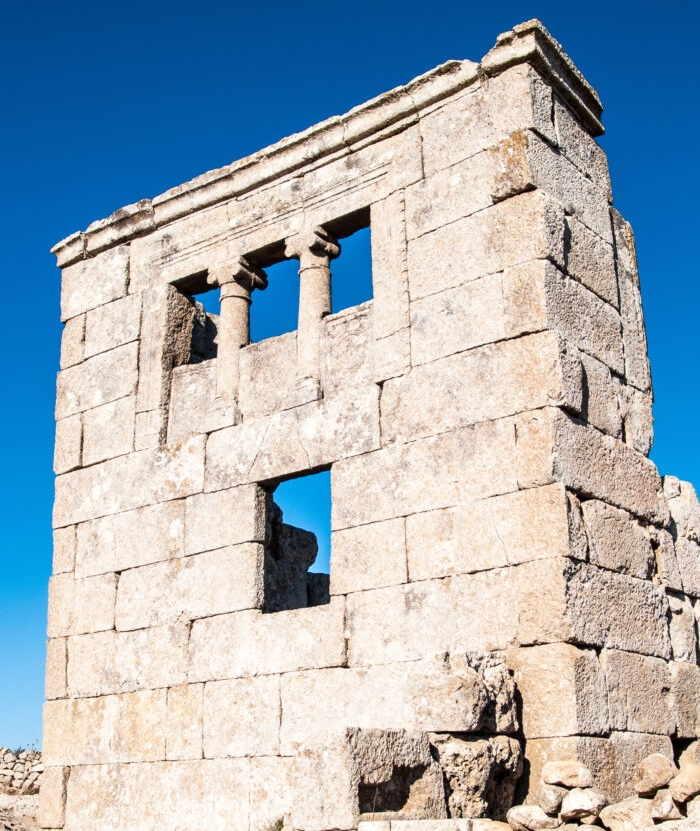
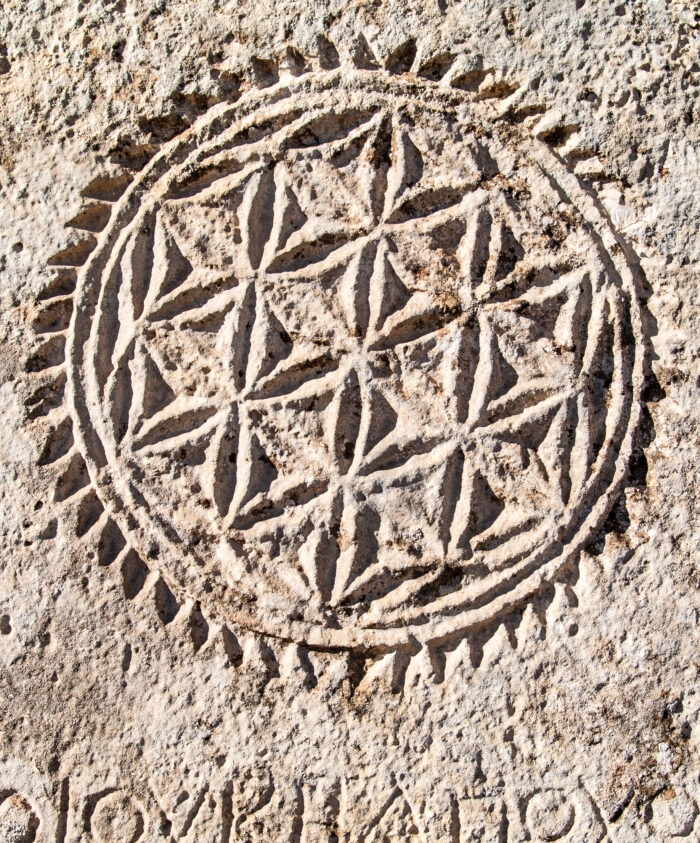
Kafr Nabo, nestled in the rugged terrain of northwestern Syria, is a compelling example of rural life during the Roman and Byzantine periods. The village holds the remains of multiple early Christian churches, several of which still stand with upright columns, intricately carved lintels, and stone facades that once greeted pilgrims. Kafr Nabo was likely a center of agrarian productivity, serving nearby towns and religious centers. The village’s layout—with residential areas surrounding central ecclesiastical buildings—reflects the integration of spiritual and everyday life. Its relative preservation offers valuable insights into the architecture and religious customs of Late Antiquity.
Zarzita زرزيتا
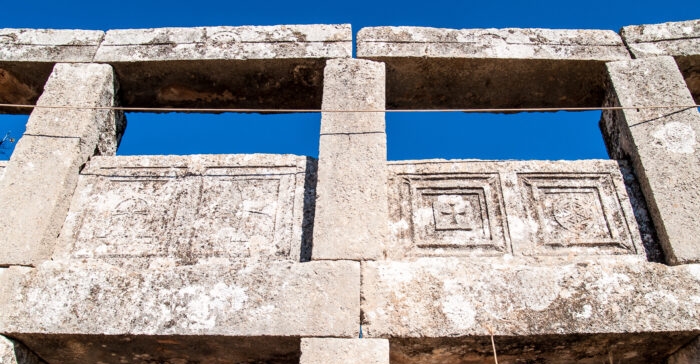
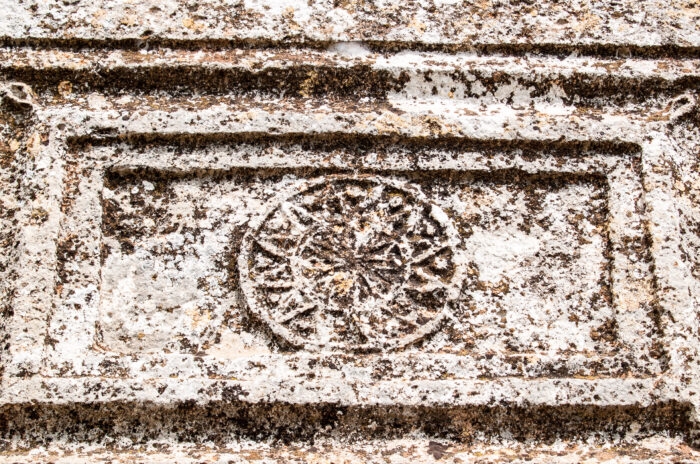
The small settlement of Zarzita is another gem from the Byzantine era. Located in the Limestone Massif, this village was home to monastic communities that flourished during the 5th and 6th centuries. Zarzita’s stone buildings are known for their elegant geometric motifs and inscriptions in Greek and Syriac. Among the most notable structures is a monastic cell complex with a small church, likely used by a hermit or a small religious fraternity. Zarzita provides a snapshot of early Christian asceticism and rural religious devotion in the Syrian hinterlands.
Idleb (إدلب)
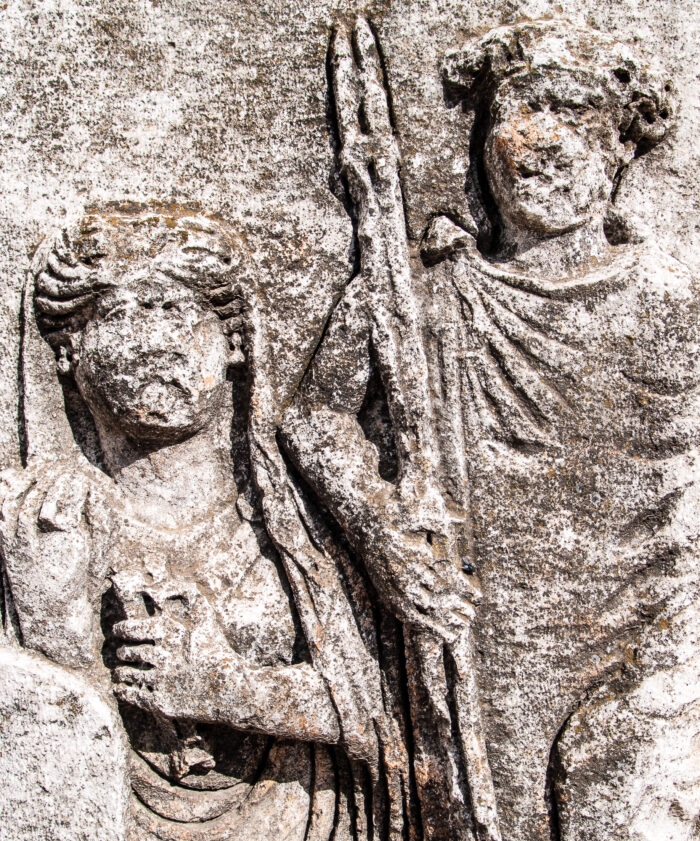
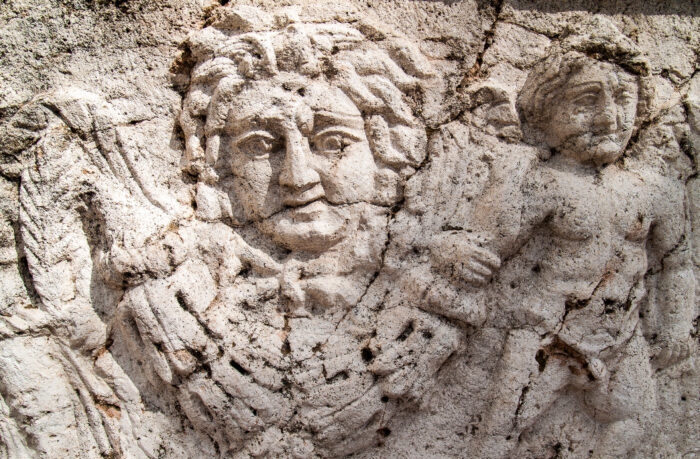
Idleb is not just a modern provincial capital but a deeply layered city with roots extending to ancient times. Throughout history, Idleb has served as a strategic location linking Aleppo, Hama, and the Orontes Valley. Perhaps most famously, it is near the ancient city of Ebla, where the famous Ebla tablets—thousands of clay cuneiform records—were discovered. These tablets revolutionized our understanding of early Semitic languages and economic systems in the third millennium BCE. Today, Idleb also houses a regional museum, which has safeguarded artifacts from nearby archaeological sites. The city continues to serve as a cultural hub despite the challenges of recent conflict.
Deir Sinbol دير سنبل
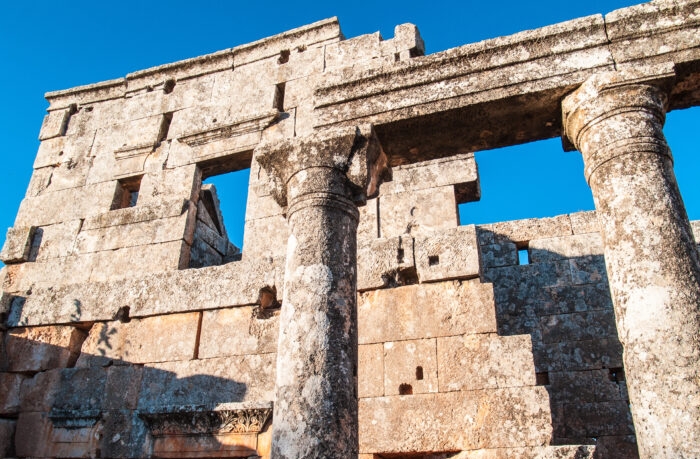
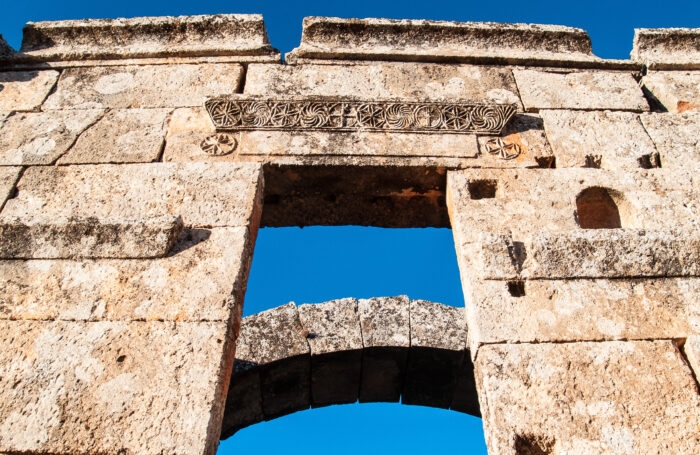
Deir Sinbol is one of the more enigmatic of the Dead Cities scattered across northwestern Syria. It boasts the remains of a Byzantine-era monastery, rural villas, and an early Christian church. Its architecture is marked by well-cut limestone blocks and beautifully proportioned archways. The village exemplifies the fusion of religious and domestic life, with monasteries often serving as both spiritual and economic centers for the surrounding community. Deir Sinbol was likely abandoned due to shifting trade routes and climate changes during the early Islamic period, like many of its neighboring settlements.
Jeradeh جرادة
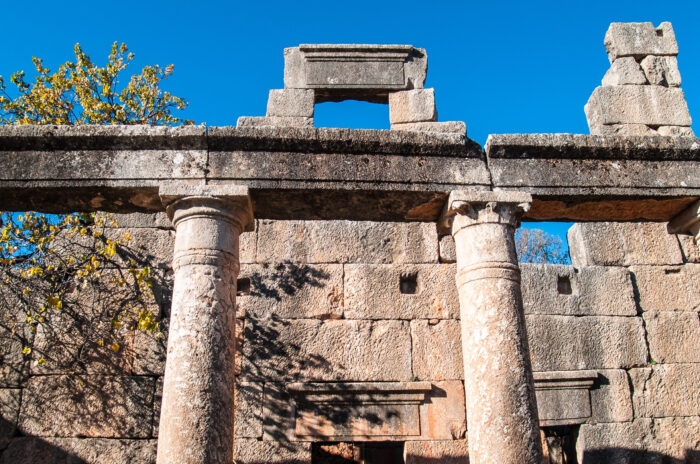
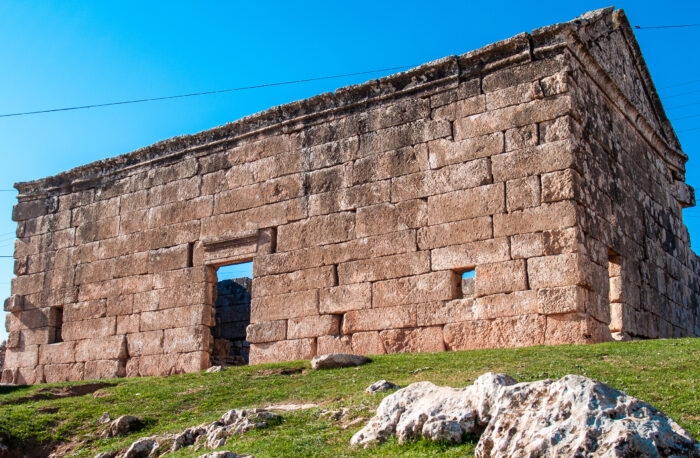
Jeradeh stands out among the Dead Cities for its remarkably preserved tower house and large basilica-style church. These structures indicate that the village was relatively prosperous and possibly held a central administrative or religious function in the region. The tower may have served as a defense point or a status symbol for the local elite. Jeradeh’s church features a nave and aisles separated by colonnades, and remnants of a baptistery are visible nearby. The site provides one of the clearest illustrations of rural Christianity in the Byzantine Levant.
Deirouni ديروني
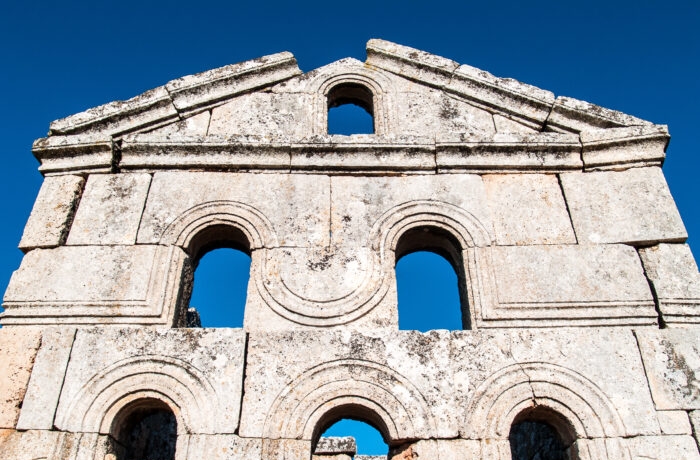
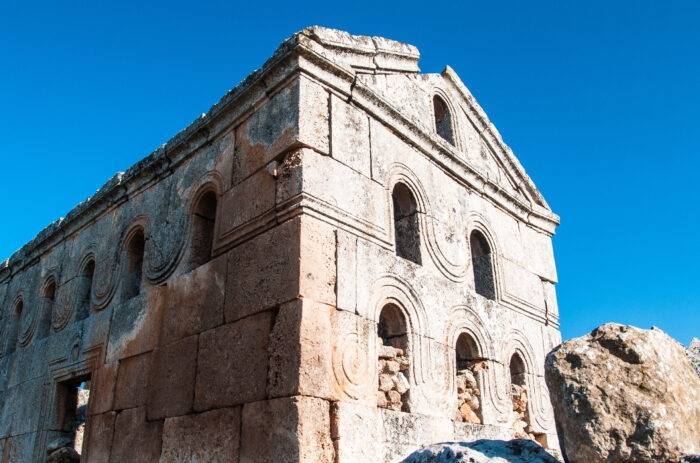
Little-known but archaeologically significant, Deirouni represents the monastic life that blossomed in northern Syria from the 4th century onward. The name itself, derived from “Deir” meaning “monastery,” suggests its primary function. While much of the village remains unexcavated, scattered ruins include small cells, a chapel, and terraced gardens. These elements suggest a self-sufficient religious community, possibly linked to larger monastic networks across the region. Deirouni stands as a silent testament to the spiritual ferment of Late Antiquity, when the Syrian desert and mountains were dotted with monks and ascetics.
Deir Seita دير سيتا
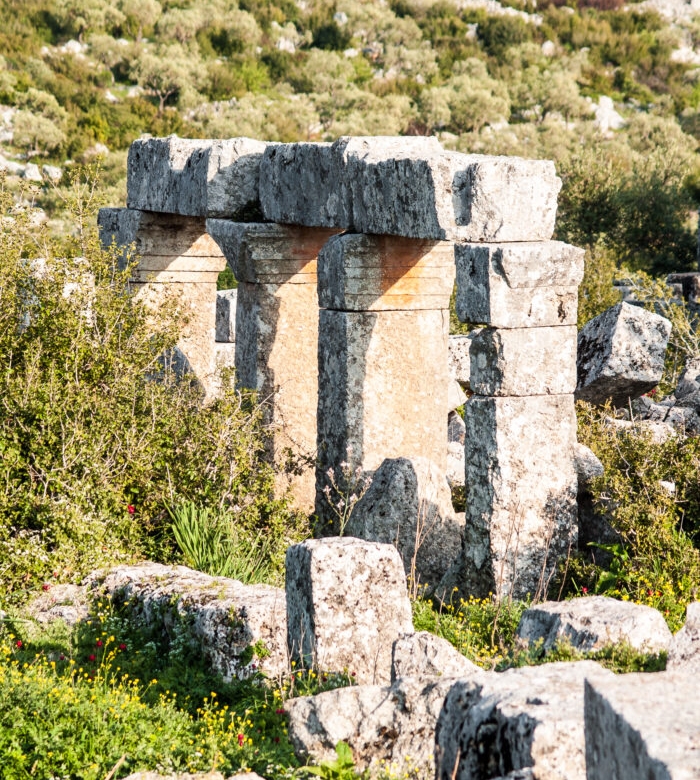
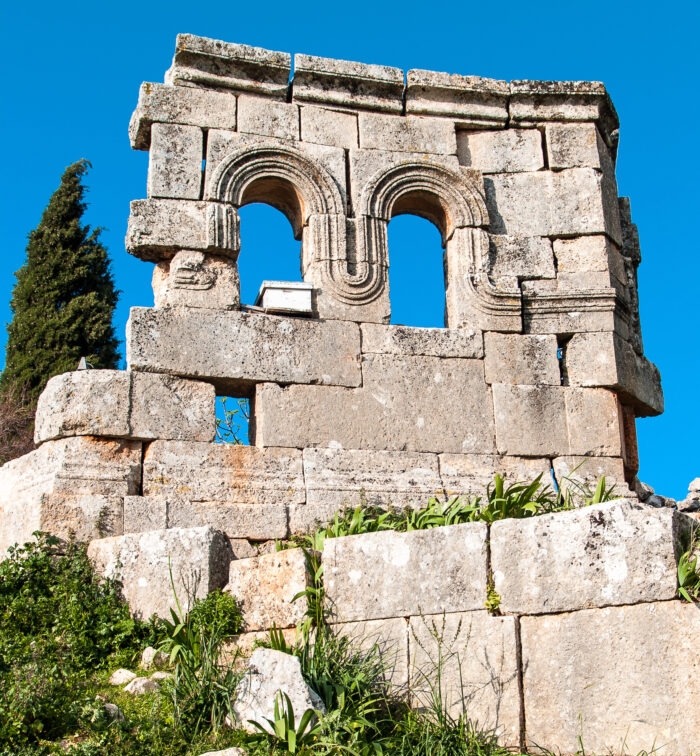
Deir Seita is another site where religious life once flourished. While the original Byzantine church is now in ruins, it was later reused during the early Islamic period—a practice common in the region. Archaeological layers show modifications to religious structures, possibly to accommodate Islamic worship practices. The site likely functioned as a rural religious outpost, offering spiritual services and possibly education to nearby villagers. Deir Seita reflects the transitional period in Syrian history when Byzantine Christian institutions adapted or gave way to Islamic culture.
Kafr Darian كفر دريان
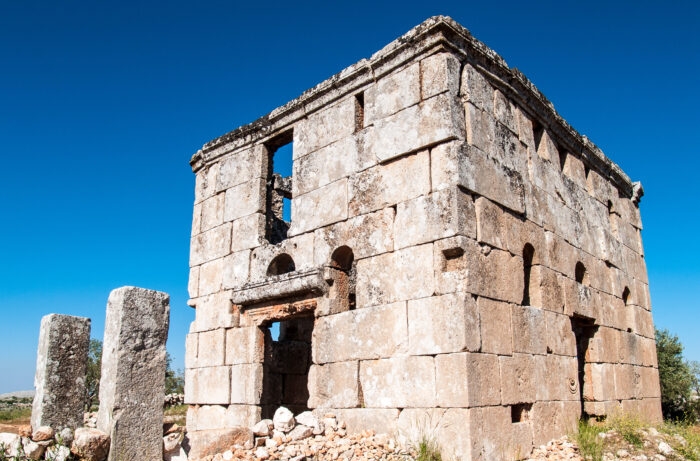
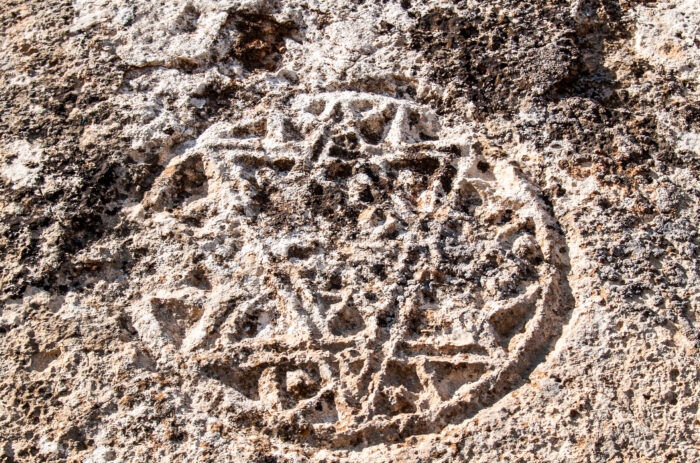
Situated on a hilltop, Kafr Darian is notable for its commanding views and well-planned layout. The village features remnants of both Roman-era fortifications and later religious buildings. A central stone structure with column fragments suggests a small church or temple, and the narrow stone-paved streets reflect an organized settlement pattern. Over time, the village saw additional layers of construction, including cisterns and residential compounds that point to a mixed-use rural economy. Kafr Darian is an important example of long-term rural occupation in the Syrian highlands.
Qarqbizeh قرقبيزة
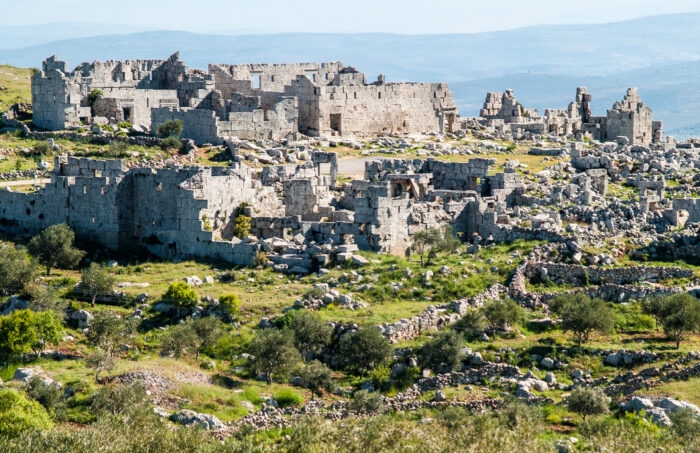
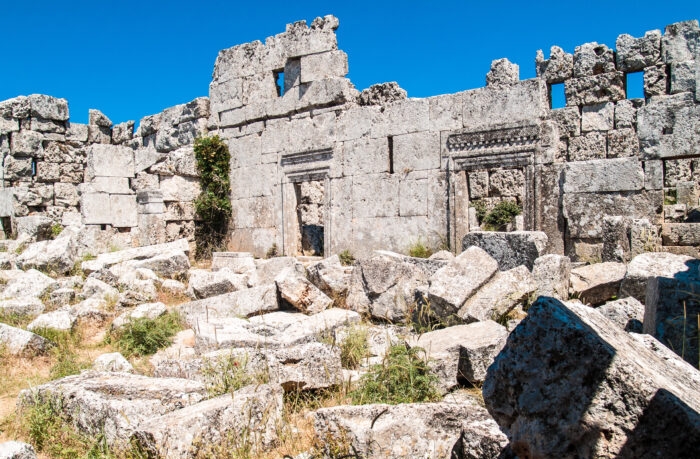
Qarqbizeh is widely regarded as one of the most beautifully preserved Christian villages from the Byzantine period in Syria. The site includes a multi-level church with a baptistery, tombs, and residential buildings, all constructed from finely hewn limestone. Its architectural style includes arched windows, carved doorways, and stone benches that reflect a high level of craftsmanship. Qarqbizeh may have served as a model village, and its preservation allows archaeologists to reconstruct elements of daily life, social hierarchy, and religious practice in the 5th and 6th centuries.
Bab al-Hawa باب الهوا
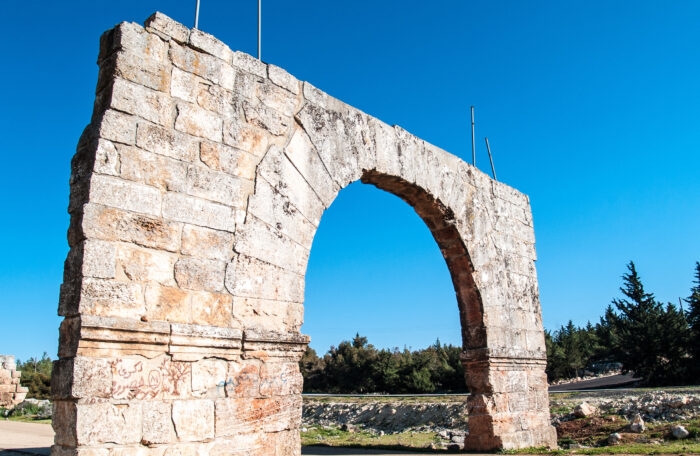
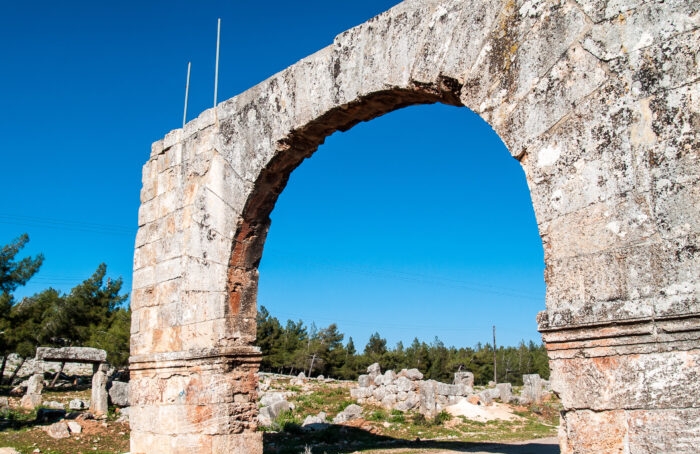
Bab al-Hawa (Gate of the Wind) is a historic border pass between Antioch and Aleppo, known for its grand Roman arch that once marked the entrance to the province of Syria. Over time, it became a vital route for armies, pilgrims, and traders. In the Islamic era, a fortified caravanserai was added beside the arch, later serving travelers during the Crusades and Ottoman periods. Today, Bab al-Hawa stands as a powerful symbol of Syria’s role as a crossroads of civilizations, surrounded by ruins, inscriptions, and traces of ancient fortifications.
See Also: North Byzantium III
Conclusion
From Kafr Nabo to Zarzita, the Syria Byzantine Ruins capture the spiritual and architectural heartbeat of a vanished world. Scattered across Idleb’s hills, these ancient villages—like Deir Sinbol, Jeradeh, and Qarqbizeh—preserve the artistry and devotion of early Christian life. Each site adds a new layer to the story of the Syria Byzantine Ruins, where monasteries, villas, and churches still stand as timeless witnesses to faith and endurance. Walking through the Syria Byzantine Ruins, one senses how deeply history breathes in the stones of northern Syria—reminding us that civilizations may fade, but their spirit endures in silence.
Finally.. If you have any questions, please contact us. To explore further, visit our website gallery for rare images and cultural highlights.
Sources & References:
UNESCO – World Heritage Centre: https://whc.unesco.org
Archnet – Architecture & Heritage Database: https://www.archnet.org
World History Encyclopedia: https://www.worldhistory.org
Syrian Heritage Archive Project: https://syrian-heritage.org
Global Encyclopedia: Wikipedia