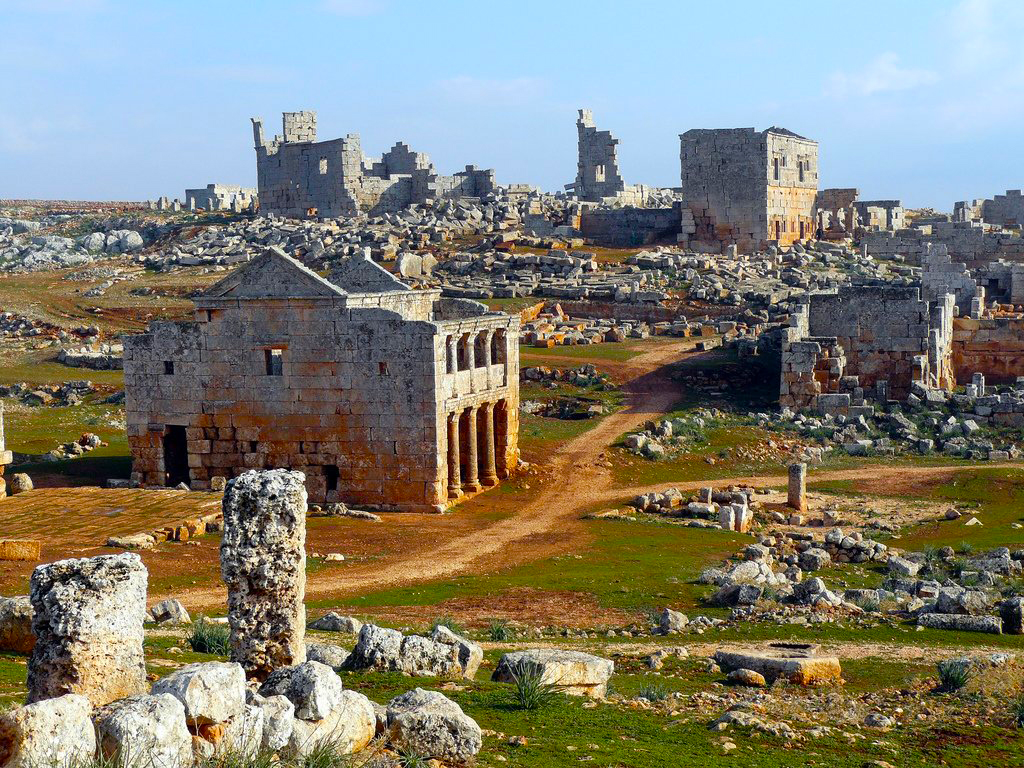
Syria Forgotten Cities : Scattered across the limestone hills between Aleppo and Idlib, the Syria Forgotten Cities are ancient settlements abandoned since the Middle Ages, yet remarkably well-preserved. Villages, monasteries, churches, and farmsteads like Barad, Deir Turmanin, Kharab Shams, and Barisha showcase the region’s Byzantine architecture, religious devotion, and thriving rural communities. Exploring the Syria Forgotten Cities offers a window into northern Syria’s rich cultural and historical heritage. Today, the Syria Forgotten Cities continue to inspire archaeologists, historians, and travelers, standing as timeless witnesses to centuries of human resilience and creativity.
Syria Forgotten Cities | Quick Info
| Site | Arabic Name | Location | Era / Period | Main Features | Historical Significance |
|---|---|---|---|---|---|
| Barad | براد | Southwest of Aleppo | Roman–Byzantine (4th–7th century CE) | Basilica of Saint Julian, tomb of Saint Maron, monastic ruins | Major Christian pilgrimage site; key center of Maronite heritage |
| Batuta | بطوطة | North of Aleppo | Byzantine | Stone houses, chapel, olive presses | Represents rural Byzantine village life and agricultural economy |
| Deir Turmanin | دير ترمانين | Between Dana and Qalb Lozeh (Idlib) | 5th–6th century CE | Large basilica, monastic buildings, carved doorways | Example of early Christian monasticism; architectural link to Qalb Lozeh |
| Kharab Shams | خرب شمس | Jebel Semaan region | 5th–6th century CE | Monumental basilica with twin towers, domestic ruins | One of the largest and best-preserved basilicas in northern Syria |
| Kimar | كيمار | Near Basuta, Afrin region | Byzantine (6th century CE) | Three-nave church, arched windows, rural dwellings | Religious and strategic site overlooking Afrin valley |
| Banqusa | بانقوسا | Western Aleppo countryside | Byzantine | Modest homes, olive presses, storage areas | Illustrates everyday life in a self-sufficient agricultural community |
| Barisha | باريشا | Idlib governorate | Byzantine (5th–7th century CE) | Multi-story houses, churches, warehouses | Prosperous trade village; key part of UNESCO “Dead Cities” zone |
| Kseibjeh | كسيبجة | Jebel Zawiyeh area | Byzantine–Early Islamic | Churches, rock-cut tombs, hillside dwellings | Remote but well-preserved village reflecting spiritual rural life |
Barad (براد): The City of Saint Maron
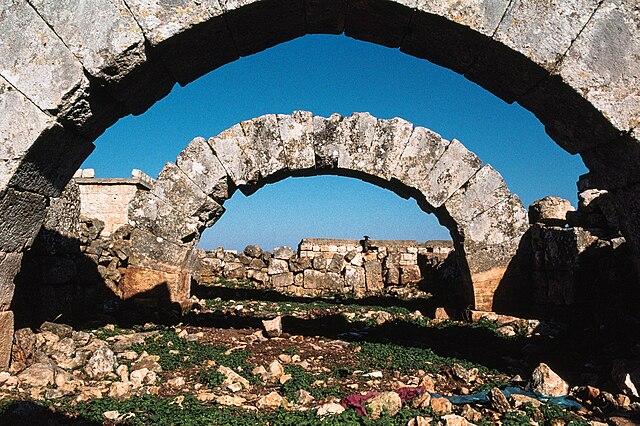
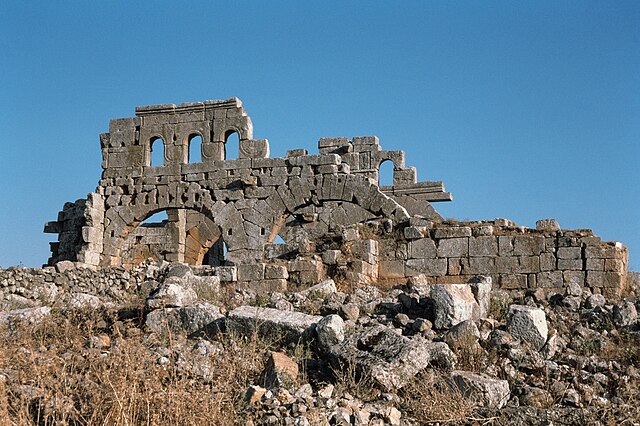
The ancient settlement of Barad, located about 30 km southwest of Aleppo, is one of the largest and most historically significant of the Dead Cities. Founded in the Roman period, Barad flourished during the Byzantine era as a religious and commercial center.
Barad’s fame is closely tied to Saint Maron, founder of the Maronite Church, whose remains were transferred here during the 5th century. The site features impressive basilicas, tombs, and monastic buildings, including the Church of Saint Julian, one of the largest surviving early Christian churches in Syria.
Despite partial damage in recent conflicts, Barad remains a powerful symbol of Syria’s early Christian heritage — a cornerstone among the Ancient settlements Syria.
Batuta (بطوطة): A Village of Limestone and Memory
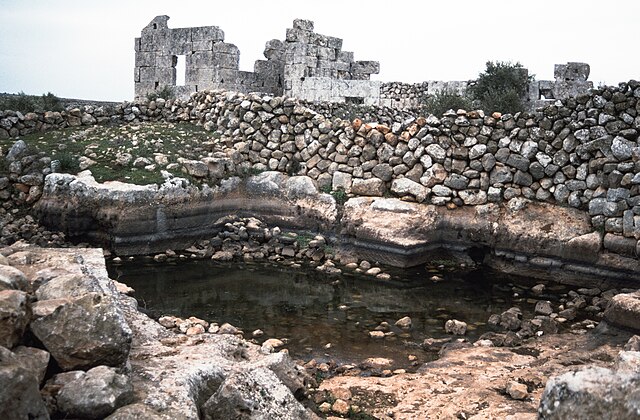
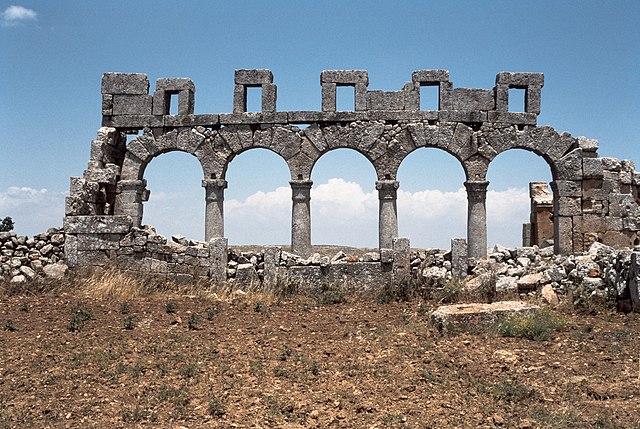
Hidden in the northern hills, Batuta is a smaller yet beautifully preserved Byzantine-era village. Though less monumental than Barad, Batuta’s stone houses, oil presses, and modest chapel offer an authentic glimpse into daily life in rural Byzantine Syria.
Its well-preserved domestic architecture reveals how families organized their living spaces around courtyards and cisterns, reflecting both practical and social aspects of village life. Batuta exemplifies how the Ancient settlements Syria were not just centers of faith but also of sustainable rural economy, deeply connected to the land.
Deir Turmanin (دير ترمانين): The Monastic Heartland
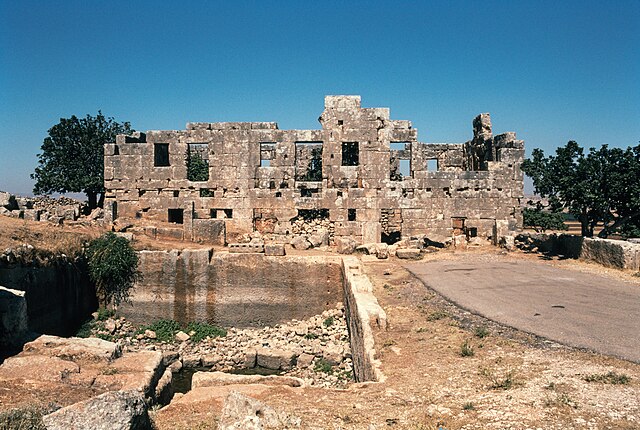
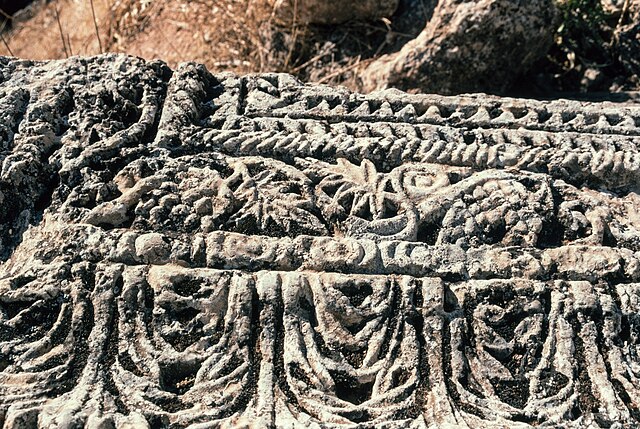
Deir Turmanin, located between Dana and Qalb Lozeh, stands out as one of the finest examples of early Christian monastic settlements. The name “Deir” (meaning monastery) highlights its religious function.
The site includes a large basilica dating to the 5th century, with elegant stone arches, carved doorways, and remnants of monastic quarters. Its architecture closely resembles the nearby Church of Qalb Lozeh — considered a prototype for later Romanesque churches in Europe.
Deir Turmanin illustrates the profound spiritual and architectural creativity of the Ancient settlements Syria, serving both as a place of worship and as a hub for monastic life.
Kharab Shams (خرب شمس): The Basilica Among the Hills
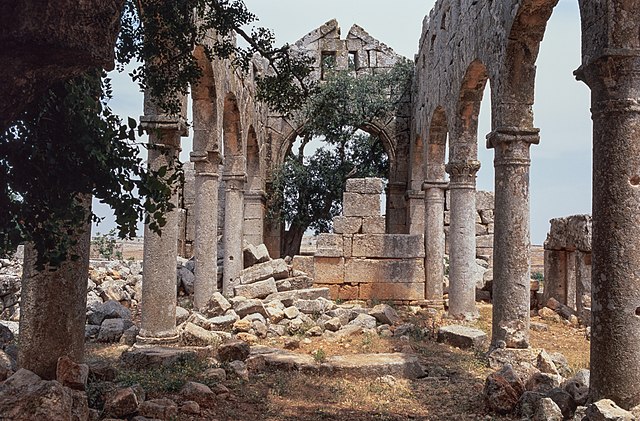
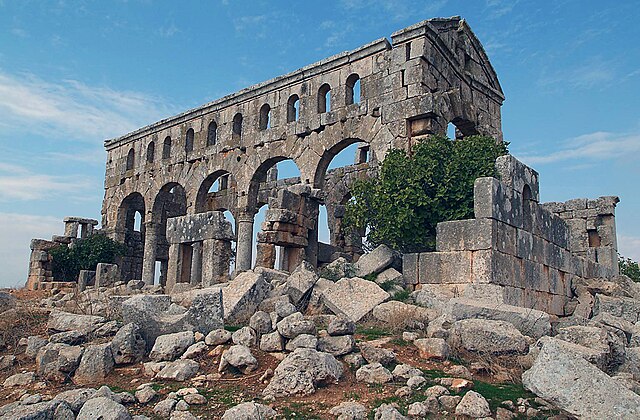
Perched on a rugged hilltop in the Jebel Semaan region, Kharab Shams (literally “Ruins of the Sun”) is home to one of the most imposing basilicas in northern Syria. Built in the 5th or 6th century, its monumental façade and twin towers remain remarkably well-preserved.
The basilica’s scale and craftsmanship reflect the wealth of the region during the Byzantine period, when agriculture and olive oil trade brought prosperity. The site also features domestic buildings, olive presses, and wine presses, showing a thriving economy alongside deep spirituality.
Kharab Shams stands among the most photogenic of the Dead Cities Aleppo Idlib, capturing the grandeur of early Syrian Christianity.
Kimar (كيمار): Echoes of Faith near Basuta
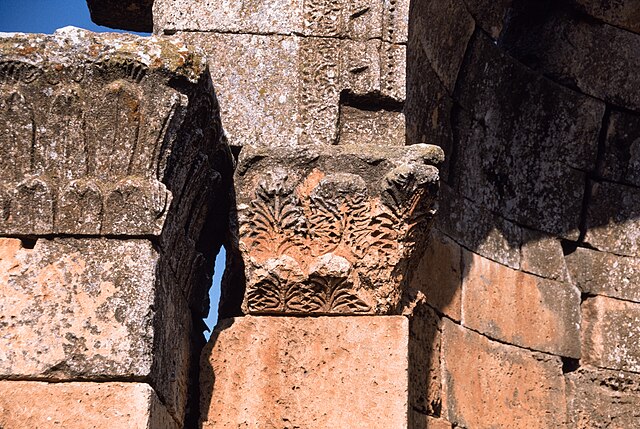
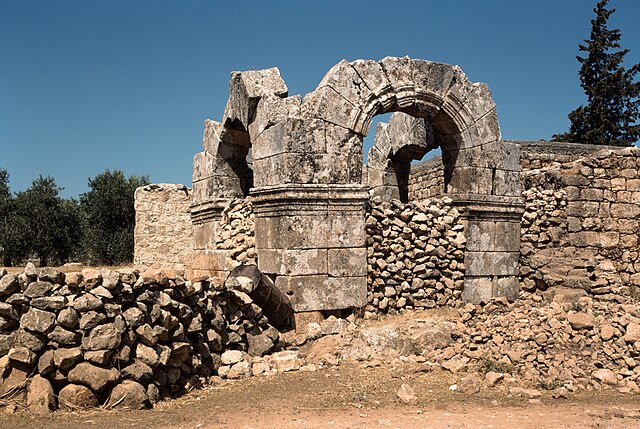
Near the modern village of Basuta, the ruins of Kimar reveal another chapter of the region’s Christian history. The site features a 6th-century church with three naves, arched windows, and intricate stone detailing.
Kimar’s position overlooking the Afrin valley made it both a religious and strategic location. Archaeologists believe it served as a local pilgrimage site and a stop along routes connecting Aleppo to Antioch.
Today, the remains of Kimar quietly testify to the endurance of the Ancient settlements Syria, where art, religion, and rural life intertwined seamlessly.
Banqusa (بانقوسا): Rural Serenity and Stone Heritage
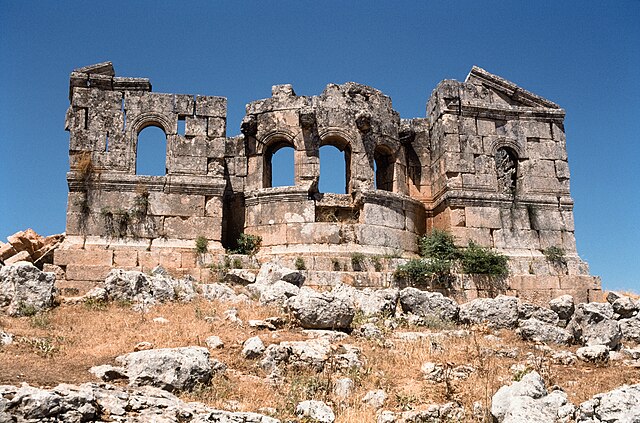
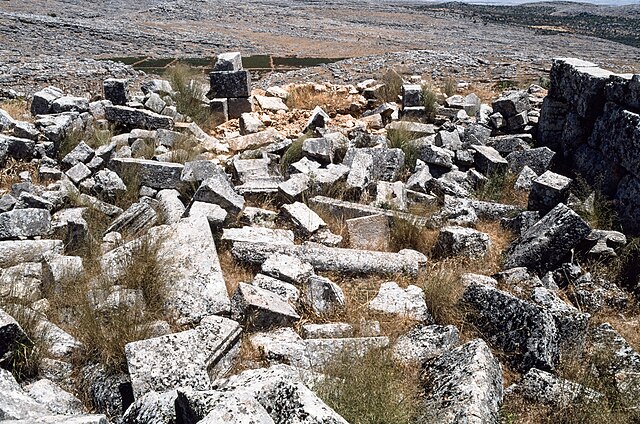
The ancient village of Banqusa is one of the lesser-known sites, yet it captures the essence of everyday Byzantine village life. Its modest houses, storage rooms, and olive presses paint a vivid picture of a self-sufficient agricultural community.
Unlike the larger religious complexes, Banqusa reflects the human scale of the Dead Cities — where stone homes, carved doorways, and terraces show the simplicity and ingenuity of rural living.
Banqusa adds a valuable layer to our understanding of the Ancient settlements Syria, emphasizing the balance between faith, work, and community.
Barisha (باريشا): A City of Stone Merchants
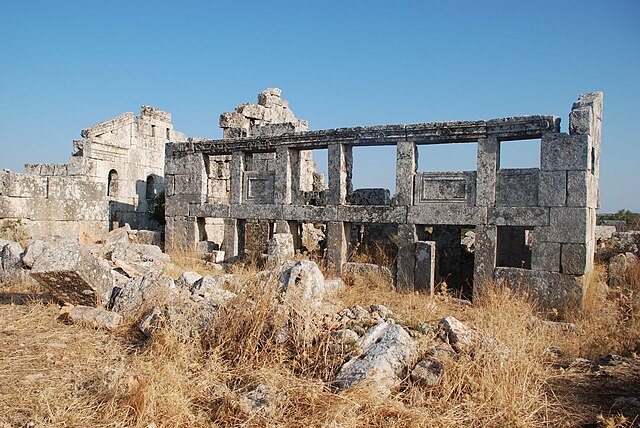
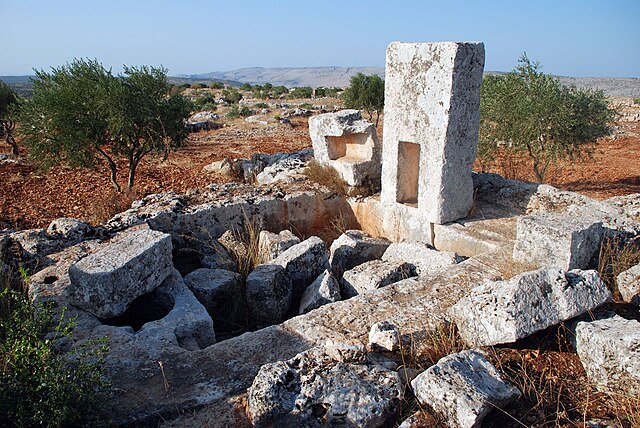
Located in the Idlib governorate, Barisha was a bustling settlement during the Byzantine era, known for its trade and craftsmanship. The ruins include multi-story houses, warehouses, and churches, many built from the distinctive gray limestone of the region.
Barisha’s architecture reveals a society that blended wealth and spirituality — where merchants and clergy lived side by side. The well-cut stone blocks and decorative motifs suggest a prosperous community engaged in regional commerce, possibly linked to the ancient city of Antioch.
Today, Barisha is recognized as one of the key components of the Dead Cities of Northern Syria, attracting scholars studying Byzantine urban planning and trade networks.
Kseibjeh (كسيبجة): The Silent Guardian of Jebel Zawiyeh
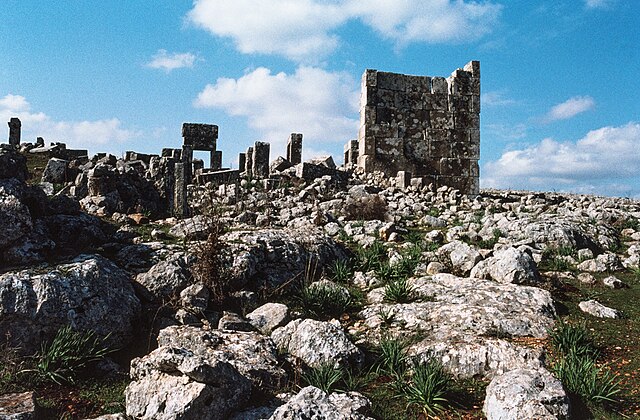
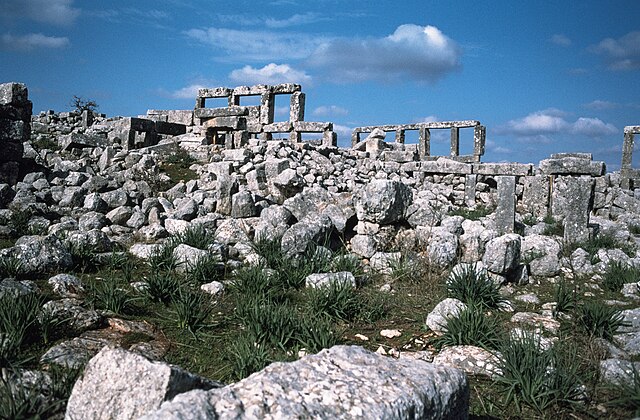
Tucked within the Jebel Zawiyeh range, Kseibjeh is a hauntingly beautiful archaeological site. It includes the remains of churches, stone houses, and tombs carved into the hillsides.
The site’s isolation has helped preserve its atmosphere of serenity — a quiet witness to the centuries of faith and hardship that shaped northern Syria. Kseibjeh offers an intimate look at the daily rhythms of Byzantine villagers and the spiritual life that united them.
As one of the lesser-visited yet significant Ancient settlements Syria, Kseibjeh represents the poetic silence of Syria’s forgotten hills.
See Also: North Treasure I
Syria Forgotten Cities (Legacy of the Dead Cities)
Together, these sites — Barad, Batuta, Deir Turmanin, Kharab Shams, Kimar, Banqusa, Barisha, and Kseibjeh — form a mosaic of civilizations that once flourished across northern Syria. Their stone churches, homes, and monasteries are not truly “dead”; they are echoes of a world that shaped the spiritual and architectural identity of the Levant.
Listed as UNESCO World Heritage Sites under the title “Ancient Villages of Northern Syria,” these settlements, known as the Syria Forgotten Cities, continue to inspire historians, architects, and travelers alike. Despite challenges from time and conflict, the Syria Forgotten Cities endure as testaments to the creativity and resilience of those who built them.
The Syria Forgotten Cities are not just ruins — they are open-air museums of human faith, adaptation, and artistry. Exploring the Syria Forgotten Cities is a journey into the soul of Syria itself: timeless, layered, and profoundly human.
Finally.. If you have any questions, please contact us. To explore further, visit our website gallery for rare images and cultural highlights.
Sources & References:
UNESCO – World Heritage Centre: https://whc.unesco.org
Archnet – Architecture & Heritage Database: https://www.archnet.org
World History Encyclopedia: https://www.worldhistory.org
Syrian Heritage Archive Project: https://syrian-heritage.org
Global Encyclopedia: Wikipedia