Syria Mountain Fortresses The rugged mountains along Syria’s western coast are home to several Syria Mountain Fortresses built to protect trade routes, settlements, and religious communities. These Syria Mountain Fortresses highlight the strategic military architecture of the 11th and 12th centuries, often making use of cliffs and caves for natural defense. Each of the Syria Mountain Fortresses tells a story of resilience and tactical brilliance during times of conflict between local powers, Crusaders, and regional rulers.
Syria Mountain Fortresses | Quick Info.
| Site Name | Location | Era | Brief Info |
|---|---|---|---|
| Qalaat al-Kahf | Near al-Shaqrah, Hama | 12th century | Main Ismaili fortress, once home to Rashid ad-Din Sinan. |
| Qalaat al-Khawabi | Tartous countryside | 12th century | A fortified village turned Ismaili center. |
| Qalaat al-Ileiqeh | West of Masyaf | 12th century | Smaller Ismaili stronghold with steep access. |
| Qalaat Bani Qahtan | Jableh region, Latakia | 11th–12th century | Overlooks the coast; little remains but foundations. |
Qalaat al-Kahf
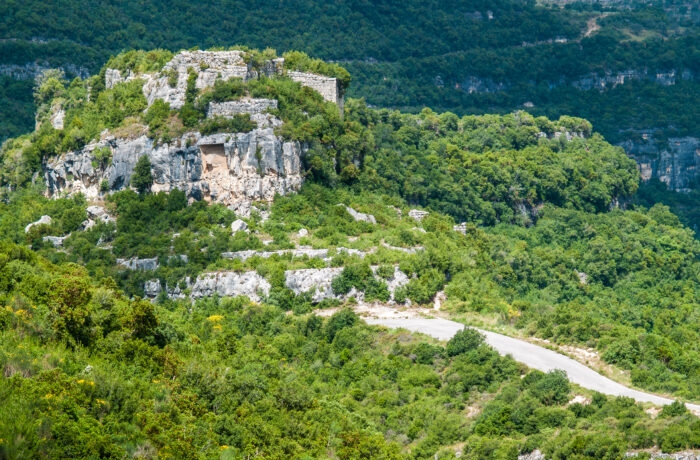
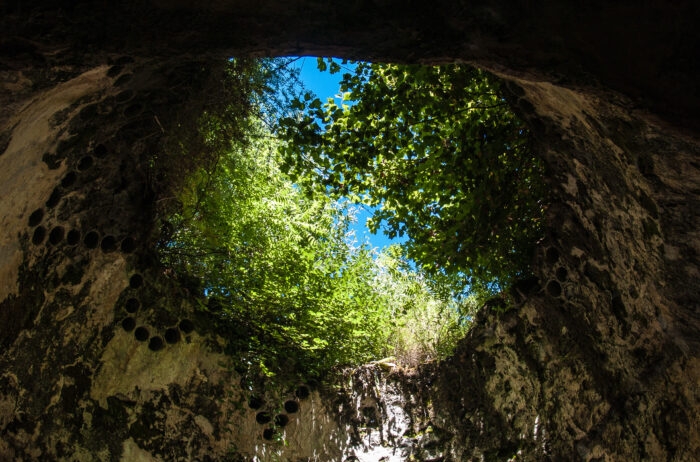
Located near the village of al-Shaqrah in the Hama countryside, Qalaat al-Kahf—meaning “Castle of the Cave”—is renowned for incorporating a natural cave into its defensive structure. This castle was a significant stronghold in the 12th century and is historically linked with powerful local rulers.
Although much of the castle is now in ruins, its remaining walls and foundations reveal a complex system of fortifications designed to withstand sieges. The site’s dramatic location on rocky terrain offers commanding views of the surrounding valleys.
Qalaat al-Khawabi
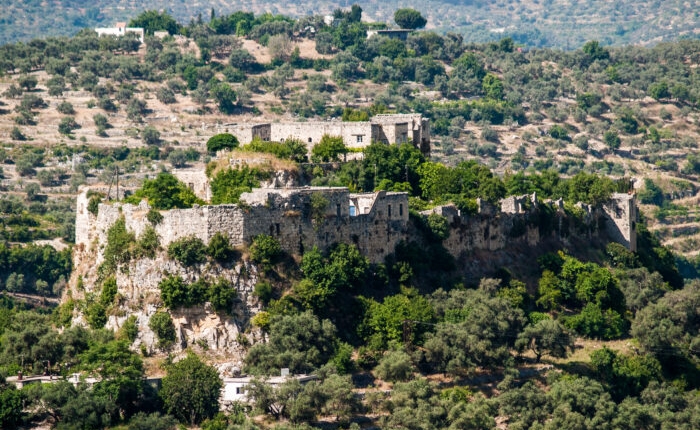
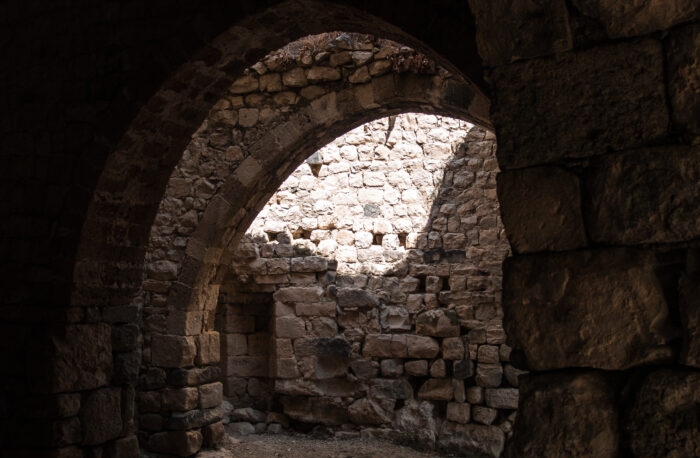
Qalaat al-Khawabi stands in the Tartous countryside as a fortified village, blending military and civilian functions. Built primarily in the 12th century, this site functioned as both a defensive post and a community center for the mountain population.
The fortress features towers, thick walls, and storage areas, indicating its importance for local defense and resource protection. Its partial habitation in recent times connects past and present, making it a living monument of mountain resilience.
Qalaat al-Ileiqeh
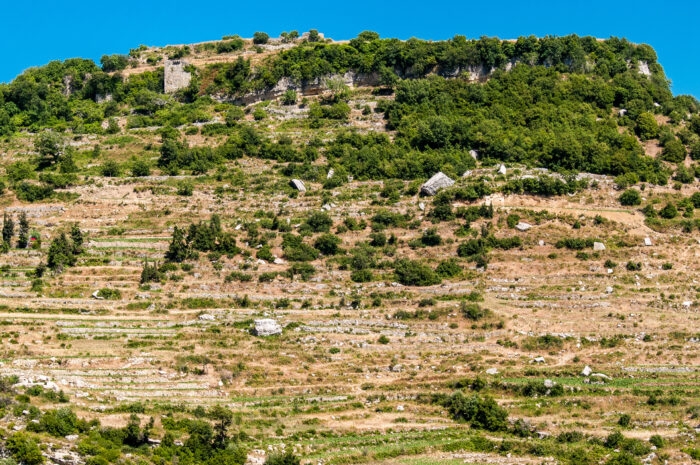
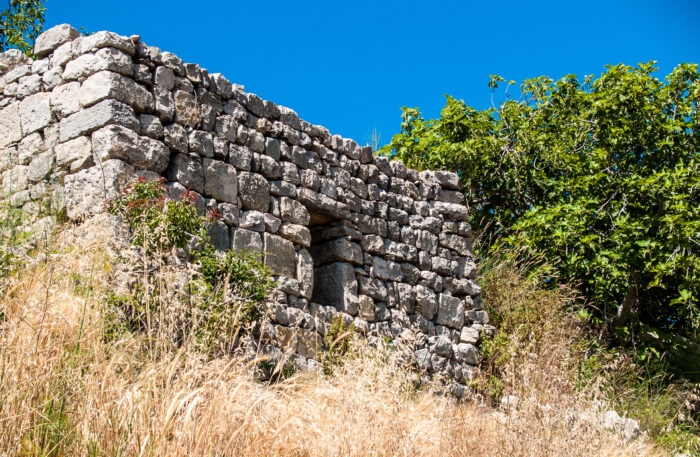
West of Masyaf, Qalaat al-Ileiqeh crowns a steep hill, strategically positioned for maximum defensive advantage. Dating from the 12th century, this smaller fortress served as a lookout point within a network of regional defenses.
Though in ruins today, the fortress’s location and remaining stonework illustrate medieval military priorities: control of mountain passes and early warning against incursions.
Qalaat Bani Qahtan
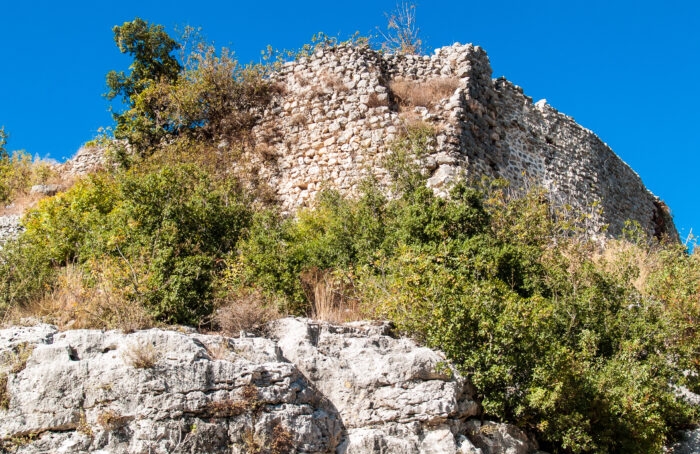
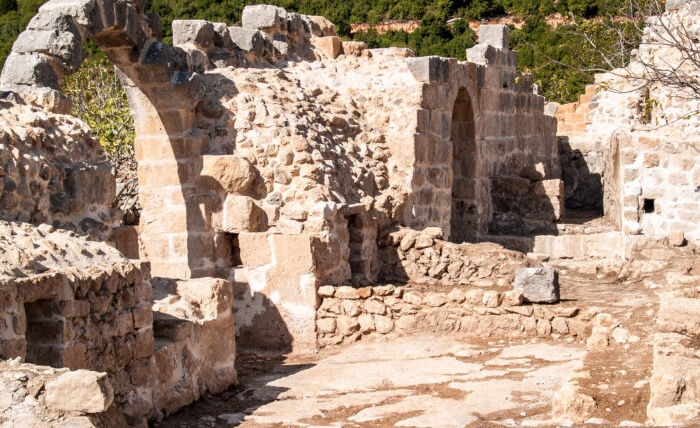
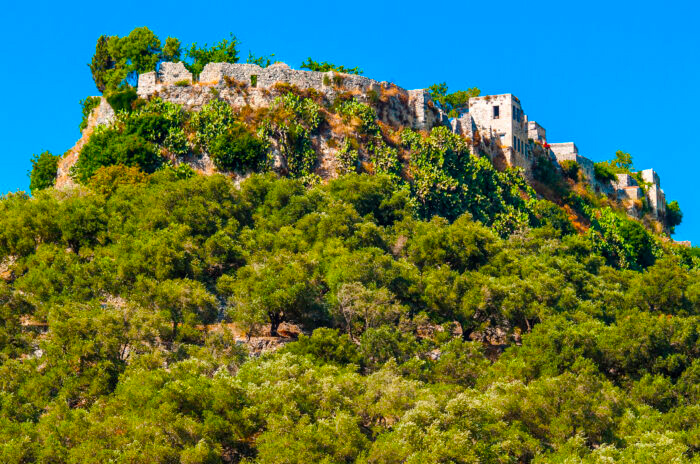
Situated in the Jableh region near Latakia, Qalaat Bani Qahtan overlooks the Mediterranean coast from its elevated perch. Built between the 11th and 12th centuries, it served as a sentinel watching over coastal and inland routes.
Though only foundation stones and partial walls remain, the site’s strategic position offers insight into medieval defensive planning along the coast and mountains.
Architectural Features and Military Significance
The mountain fortresses of Syria showcase remarkable medieval military architecture adapted to the rugged coastal terrain. Builders used cliffs, ridges, and steep hillsides as natural defenses, reinforced by thick stone walls, towers, and narrow gateways to resist long sieges. Many sites included cisterns and storage rooms to ensure survival in isolation. Strategically placed castles communicated through signal fires or messengers, forming a defensive network across the mountains. These Syria Mountain Fortresses stand as enduring symbols of power, resilience, and regional control during the 11th and 12th centuries.
Visiting the Mountain Fortresses
These fortresses are largely off the main tourist trail, offering visitors an authentic experience of Syria’s medieval mountain heritage. Access can be challenging due to rugged terrain and limited infrastructure, so proper preparation is essential.
Exploring these sites rewards travelers with breathtaking views, peaceful surroundings, and a tangible connection to the region’s layered history of defense and survival.
See Also: Mountain Forts
Suggested Itinerary (2 days)
- Day 1: Begin near Hama → Visit Qalaat al-Kahf → Proceed west to Qalaat al-Ileiqeh
- Day 2: Travel to Tartous countryside → Explore Qalaat al-Khawabi → End at Qalaat Bani Qahtan near Latakia
Conclusion
Syria Mountain Fortresses stand as enduring symbols of medieval ingenuity and strategic mastery. Scattered across the country’s coastal range, these strongholds once protected mountain communities who fortified their homes against shifting powers. Though many lie in ruins today, their stones still echo the stories of resilience and defense that shaped the region’s past. For history enthusiasts and adventurous travelers alike, Syria Mountain Fortresses reveal a hidden side of the country’s heritage—one rooted in endurance, architecture, and legacy. Exploring Syria Mountain Fortresses offers a journey through time, where history and landscape meet in breathtaking harmony.
Finally.. If you have any questions, please contact us. To explore further, visit our website gallery for rare images and cultural highlights.
Sources & References:
UNESCO – World Heritage Centre: https://whc.unesco.org
Archnet – Architecture & Heritage Database: https://www.archnet.org
World History Encyclopedia: https://www.worldhistory.org
Syrian Heritage Archive Project: https://syrian-heritage.org
Global Encyclopedia: Wikipedia