Syria Mountain Forts : Syria is a land of ancient civilizations, layered cultures, and striking landscapes. While most tourists are familiar with cities like Damascus and Aleppo or the Roman ruins of Palmyra, Syria Mountain Forts offer a glimpse into the country’s medieval defensive heritage, whispering stories of forgotten wars and isolated watchfulness. Among these, Qalaat al-Rasafeh and Qalaat al-Shamamis stand out as two remote yet impressive examples. For history enthusiasts and adventurous travelers, exploring Syria Mountain Forts provides a unique journey off the beaten path, where stone walls, strategic hilltops, and rugged landscapes tell centuries of history. Visiting Syria Mountain Forts reveals not only architectural ingenuity but also the resilience of the communities that built and maintained them.
Syria Mountain Forts | Quick Info.
| Feature | Qalaat al-Rasafeh (قلعة الرصافة) | Qalaat al-Shamamis (قلعة الشماميس) |
|---|---|---|
| Location | 7 km SW of Masyaf (مصياف), Hama Governorate | NW of Salamiyeh (سلمية), Hama Governorate |
| Type | Hilltop Ismaili fortress | Hilltop Ayyubid castle |
| Era / Built | End of 10th century, possible Roman origins | 1231, built by al-Mujahid Assad al-Din Shirkuh II |
| Dynasties | Byzantine, Ayyubid, Mamluk; neglected under Ottomans | Ayyubid, restored by Baibars after Mongol destruction |
| Construction Material | Limestone | Local stone |
| Strategic Role | Guarded mountain routes, communication during Crusades | Defensive hilltop stronghold, panoramic surveillance |
| Current Condition | Mostly ruined; walls and gates partially intact | Largely ruined, foundations visible |
| Accessibility | Hike 7 km from Masyaf; microbus/taxi available | Hike 30 min from western Salamiyeh; microbus from Hama |
| Tourism Appeal | For history lovers, hikers, photographers | For casual visitors, photographers, history enthusiasts |
| Scenic Value | Forested mountains and valleys | Panoramic views of surrounding plains |
| Notable Feature | Often confused with Rasafa near Raqqa | Built on an extinct volcanic cone; spectacular setting |
Qalaat al-Rasafeh
History and Era
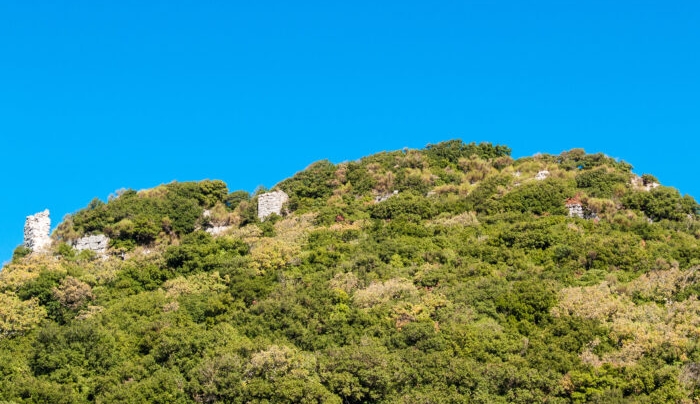
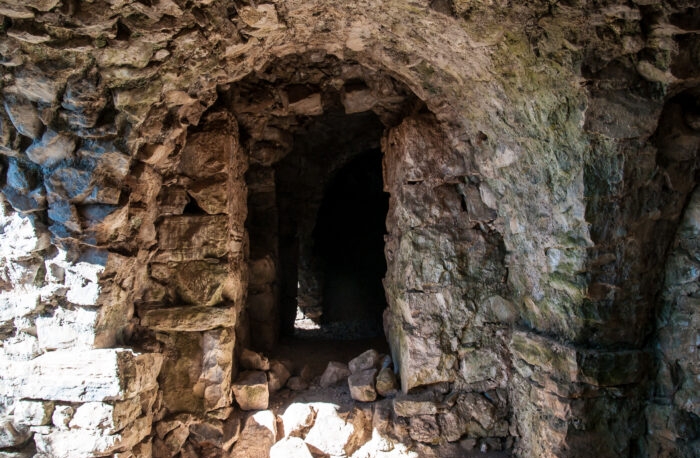
Qalaat al-Rasafeh (قلعة الرصافة) is a little-known Ismaili castle southwest of Masyaf (مصياف). Dating to the 10th century with possible Roman origins, it served as a strategic defensive outpost during the Crusader, Ayyubid, and Mamluk periods. The ruins offer history lovers a glimpse into Syria’s medieval mountain fortifications and their role in controlling trade routes and regional power.
Architecture and Layout
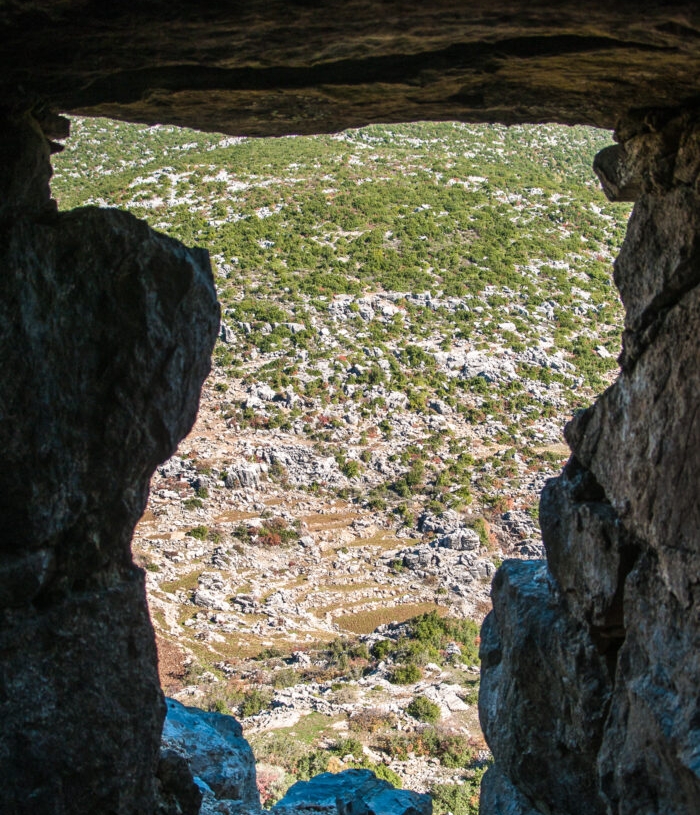
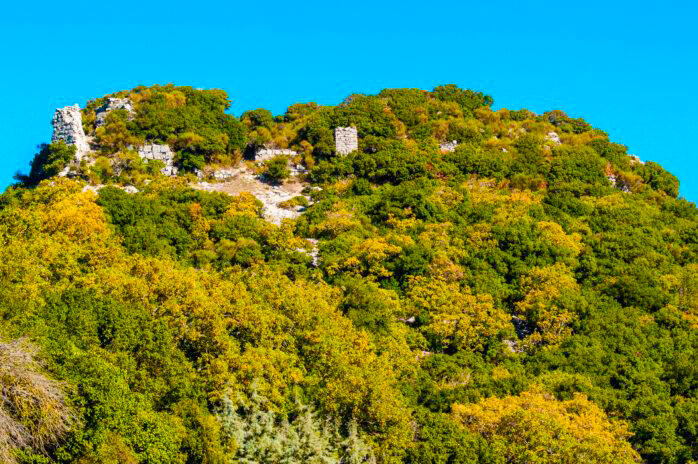
The castle is built in a semi-circular plan from local limestone, with its current shape reflecting medieval Ismaili architectural techniques. Stone walls and remnants of towers hint at its defensive purpose, designed to withstand attacks while maximizing visibility over surrounding valleys and forested slopes. Though much of the interior has collapsed, the surviving structures and outlines allow visitors to imagine its former role as a fortified communication and observation post. Its isolated location, atop a rocky hill, provided natural protection, while its proximity to surrounding villages enabled both strategic defense and oversight of key routes in the central Syrian mountains.
Visiting Today
For history enthusiasts and adventurous tourists, Qalaat al-Rasafeh offers both historical insight and scenic beauty. Visitors typically travel to Masyaf (مصياف) by microbus from Hama or by taxi, then hike the seven kilometers southwest through forested trails to reach the site. Exploring the ruins can be challenging due to overgrown vegetation, requiring some scrambling over brush, but the effort is rewarded with panoramic mountain views and a profound sense of connection to Syria’s medieval past. Whether drawn by its historical significance or its rugged, natural setting, Qalaat al-Rasafeh provides a unique and memorable experience off the beaten path.
Qalaat al-Shamamis
History and Era
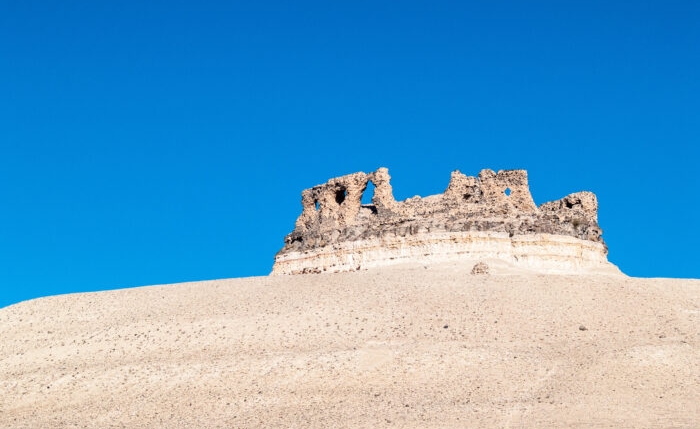
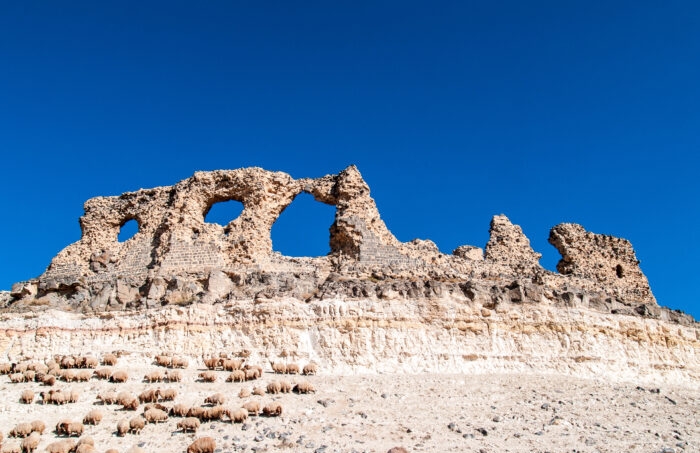
Qalaat al-Shamamis (قلعة الشماميس) is an Ayyubid-era castle dating back to 1231, built by the Ayyubid Prince of Homs, al-Mujahid Assad al-Din Shirkuh II , who ruled between 1186 and 1240. Originally constructed atop the flattened summit of an extinct volcanic cone, the castle served as a strategic military stronghold in the central Syrian region. It was partially destroyed by the Mongols in 1260 but later restored under the reign of Sultan Baibars, becoming part of the province of Damascus. Though much of the castle is now in ruins, its historical significance reflects the turbulent medieval period in Syria and offers insight into Ayyubid military architecture and defensive strategy.
Architecture and Setting

The castle’s placement on a volcanic cone gave it natural defensive advantages, providing panoramic views of the surrounding plains and approach routes. While the remains are not fully preserved, the castle’s elevated location and layout showcase the Ayyubid emphasis on strategic siting and visibility. Visitors can observe the remnants of walls and foundations, imagining how the fortress once controlled the surrounding region. The dramatic setting atop the hill, combined with its historical background, makes Qalaat al-Shamamis both a scenic and culturally significant destination for tourists and history enthusiasts alike.
Visiting Today
Qalaat al-Shamamis is easily accessible for travelers. Frequent microbuses run from Hama (حماة) to Salamiyeh (سلمية), taking about 30 minutes. The departure point in Hama is just south of the city center, near the clock tower, rather than the main microbus stations. From the western edge of Salamiyeh, the castle is clearly visible on the north side of the road, and a short 30-minute hike leads up to the fortress. The combination of historical intrigue, dramatic hilltop views, and accessible hiking makes Qalaat al-Shamamis a rewarding stop for visitors exploring the region, whether they are history buffs, photographers, or casual travelers seeking unique experiences off the beaten path.
See Also: Mountain Fortresses
Travel Tips and Recommendations
| Tip Category | Qalaat al-Rasafeh (قلعة الرصافة) | Qalaat al-Shamamis (قلعة الشماميس) |
|---|---|---|
| Accessibility | Reach Masyaf (مصياف) by microbus from Hama (~45 min) or taxi. Hike 7 km southwest through forest trails to the castle. | Frequent microbuses run from Hama (حماة) to Salamiyeh (~30 min). Castle visible from road; ~30 min hike uphill. |
| Best Time to Visit | Spring and autumn for mild weather and clear mountain views. Avoid heavy rains as trails can get slippery. | Spring and autumn recommended. Summer can be hot; winter may make the trail muddy or challenging. |
| What to Bring | Sturdy hiking shoes, water, snacks, sun protection, camera, and clothing suitable for bush scrambling. | Comfortable walking shoes, water, sun protection, camera, and lightweight clothing for the hike. |
| Cultural Sensitivity | Respect local communities; avoid disturbing nearby villages. Do not remove stones or artifacts. | Respect local residents; avoid walking through private farmland or villages unnecessarily. |
| Safety | Trails can be overgrown; watch for uneven terrain, loose rocks, and wildlife. Hike with a companion if possible. | Steep paths; uneven stone and loose gravel. Take care on the ascent, especially for children or inexperienced hikers. |
Why Visit These Fortresses
Though they may not have the fame of Krak des Chevaliers or the grandeur of Aleppo’s Citadel, Qalaat al-Rasafeh and Qalaat al-Shamamis offer something different — a chance to explore Syria’s untouched and authentic historical landscapes. These are places where tourists can stand alone among ancient stones, see the land as defenders once saw it centuries ago, and feel the atmosphere of forgotten times.
For those interested in military architecture, archaeology, or alternative tourism, these sites are ideal. Their modest ruins spark the imagination, and their remote settings make the experience personal and memorable. Photographers will also find rich subjects in the weathered walls, surrounding plains, and ever-changing sky.
Conclusion
Syria Mountain Forts tell a story beyond the country’s famous monuments, hidden in quiet corners and forgotten hills. Qalaat al-Rasafeh and Qalaat al-Shamamis may not appear in travel guides, but these Syria Mountain Forts offer deep insight into Syria’s heritage for those exploring off the beaten path. Visiting Syria Mountain Forts is a journey into the nation’s resilient past, showcasing enduring architecture and the spirit of communities that once defended these highlands.
Finally.. If you have any questions, please contact us. To explore further, visit our website gallery for rare images and cultural highlights.
Sources & References:
UNESCO – World Heritage Centre: https://whc.unesco.org
Archnet – Architecture & Heritage Database: https://www.archnet.org
World History Encyclopedia: https://www.worldhistory.org
Syrian Heritage Archive Project: https://syrian-heritage.org
Global Encyclopedia: Wikipedia