Syria Roman Byzantine Sites : Syria holds a unique position in ancient history — a place where Roman roads met Byzantine churches, and where centuries of empires left their mark in stone. If you’re looking to explore ruins that whisper the stories of the past, a journey into Syria Roman Byzantine Sites offers unforgettable rewards. From half-buried cities to weathered mosaics, these sites transport visitors into a world of emperors, saints, and merchants.
This article highlights three major sites: al-Andarin, Ithriya, and Deir al-Salib — all located in central and western Syria. Visiting these locations is a must for anyone fascinated by history, as they represent the finest examples of Syria Roman Byzantine Sites, where ancient architecture and mosaics remain remarkably preserved.
Exploring these ruins allows travelers to step back in time and witness the grandeur of ancient civilizations. Whether it’s the intricate designs of a basilica or the layout of a Roman town, Syria Roman Byzantine Sites continue to inspire archaeologists, historians, and curious explorers alike.
Syria Roman Byzantine Sites | Quick Info.
| Site | Location | Era | Highlights |
|---|---|---|---|
| Al-Andarin | NE of Hama | Roman (2nd–3rd century CE) | Roman temple, garrison ruins, desert views |
| Ithriya | SE of Hama | Roman & Byzantine (2nd–6th c.) | Roman road, fortress remains, Byzantine basilica |
| Deir al-Salib | West of Hama | Byzantine (6th century CE) | Early Christian church, rural monastic complex |
Al-Andarin: The Forgotten Roman Outpost
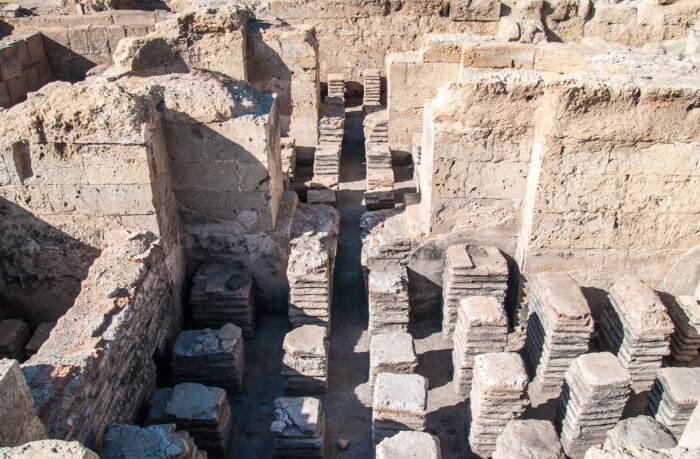
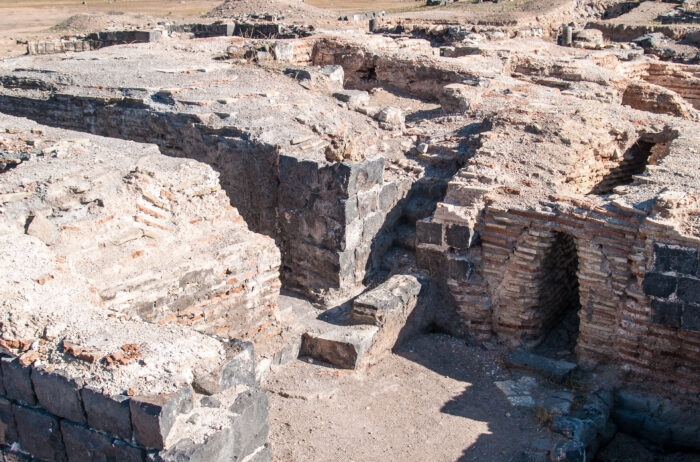
Located on the edge of the Syrian desert northeast of Hama, al-Andarin was once a bustling Roman garrison town. Today, its ruins rise silently from the landscape, giving a rare glimpse into life on the empire’s eastern frontier.
Why Visit?
Al-Andarin is home to remnants of a Roman temple, a fortified wall, and segments of the famous Via Nova Traiana, a road built by Emperor Trajan. The temple’s stones lie scattered, but its layout is still visible, offering insight into Roman religious practices and architectural planning.
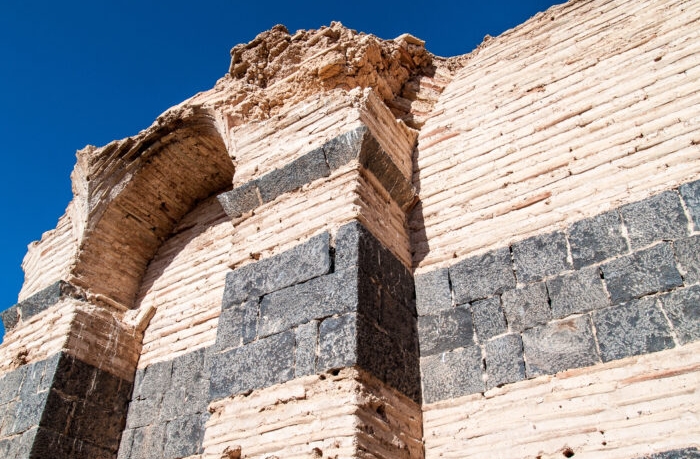
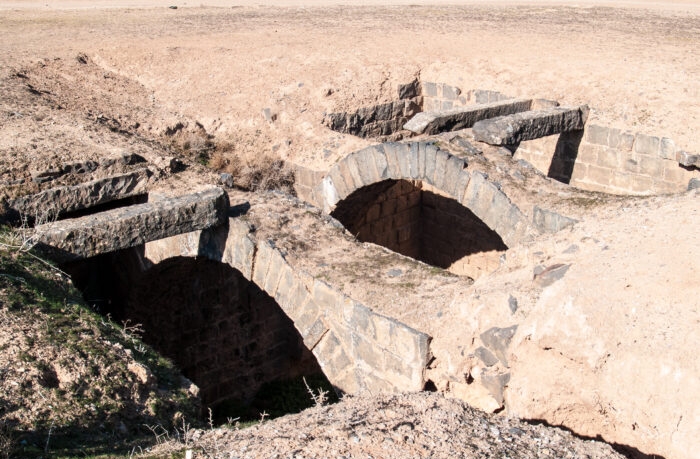
What to Expect:
Visitors will find low-standing walls, traces of arches, and sculpted blocks — all with minimal restoration, giving it an authentic, untouched feel. It’s ideal for travelers interested in raw, unspoiled archaeological experiences.
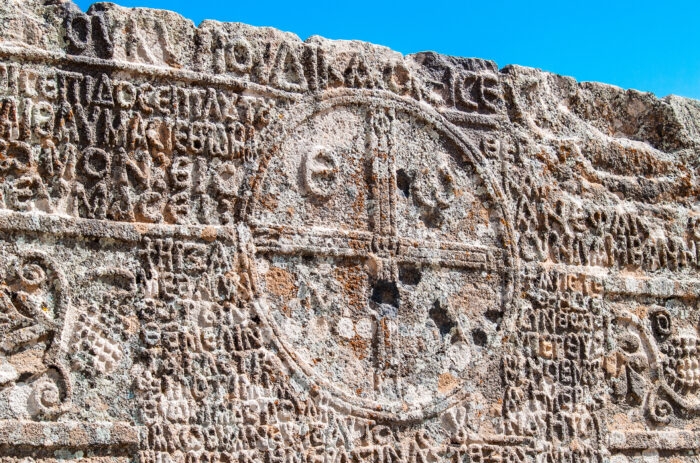
Tip: Bring water, good shoes, and a guide if possible — the site is isolated and signage is limited.
Ithriya: Crossroads of Rome and Byzantium
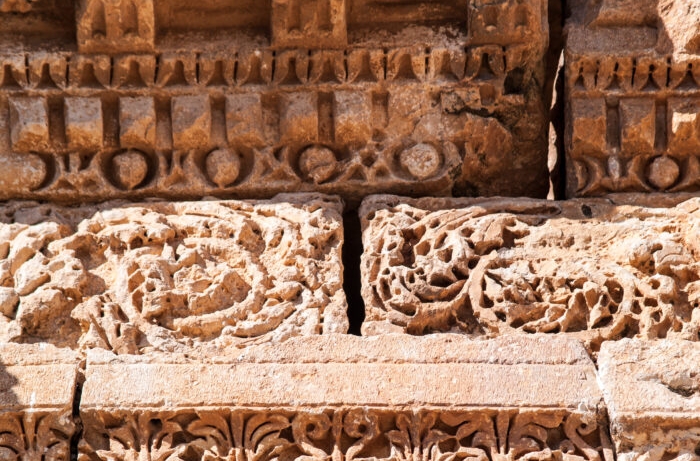
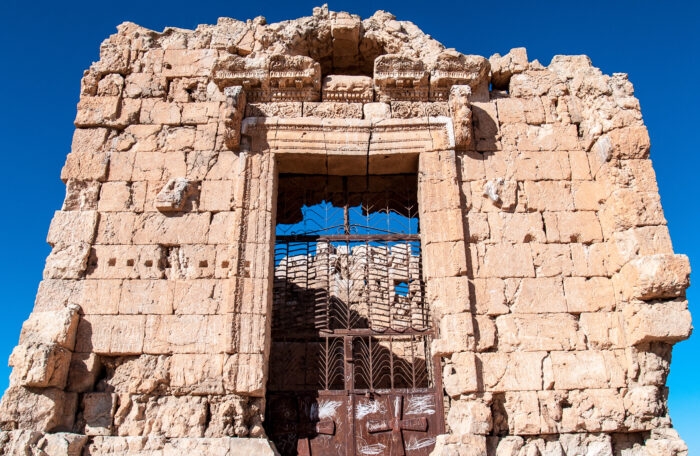
Situated southeast of Hama and near the desert road to Palmyra, Ithriya served as both a Roman military post and later a Byzantine outpost. It was once part of the route protecting the vital Palmyra trade corridor.
Roman Highlights:
Ithriya features the remains of a Roman camp and road network. You can still walk along the paving stones of the Via Diagonalis, and see outlines of Roman-era buildings used for administration and defense.
Byzantine Layer:
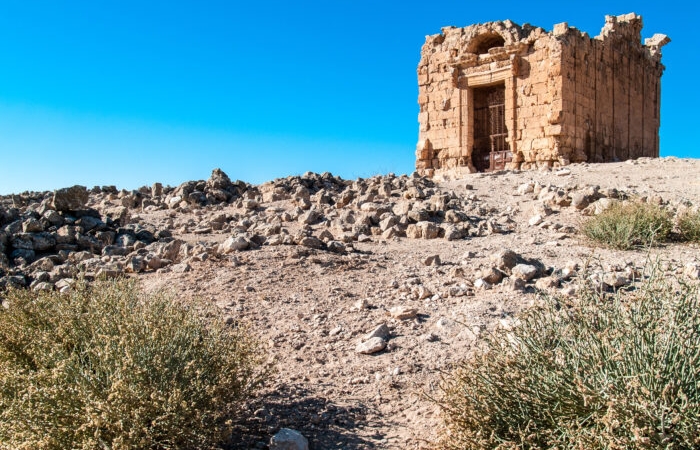
What makes Ithriya especially intriguing is the transition from Roman to Byzantine control. In the 5th and 6th centuries, churches and monasteries were added, including a small basilica with a unique rectangular apse.
Why Visit?
Ithriya offers a layered history — Roman structure mixed with Christian architecture. It’s also a launching point for deeper exploration into Syria’s eastern plains and the historic desert trade routes.
Deir al-Salib: A Hidden Byzantine Church
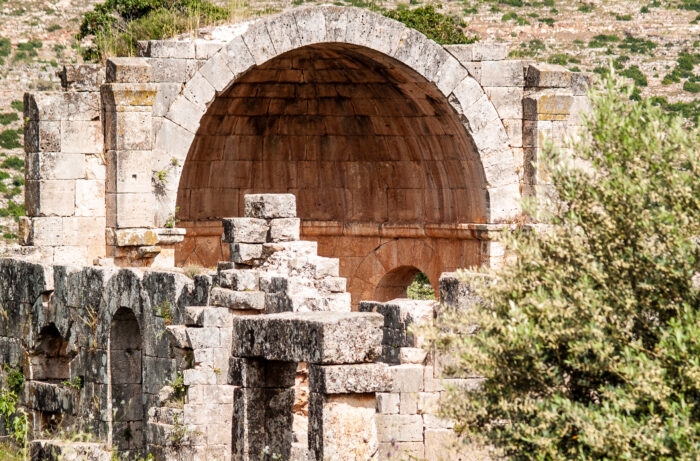
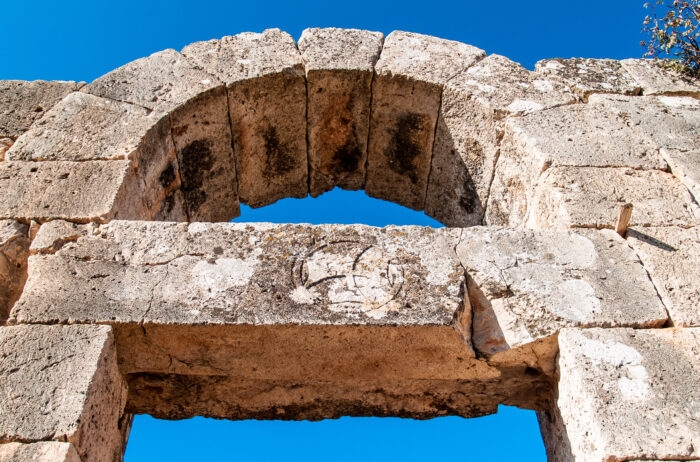
In the green hills west of Hama lies one of Syria’s most charming Byzantine sites — Deir al-Salib (Monastery of the Cross). Tucked among olive groves, this 6th-century monastery offers a serene escape with rich historical roots.
Highlights:
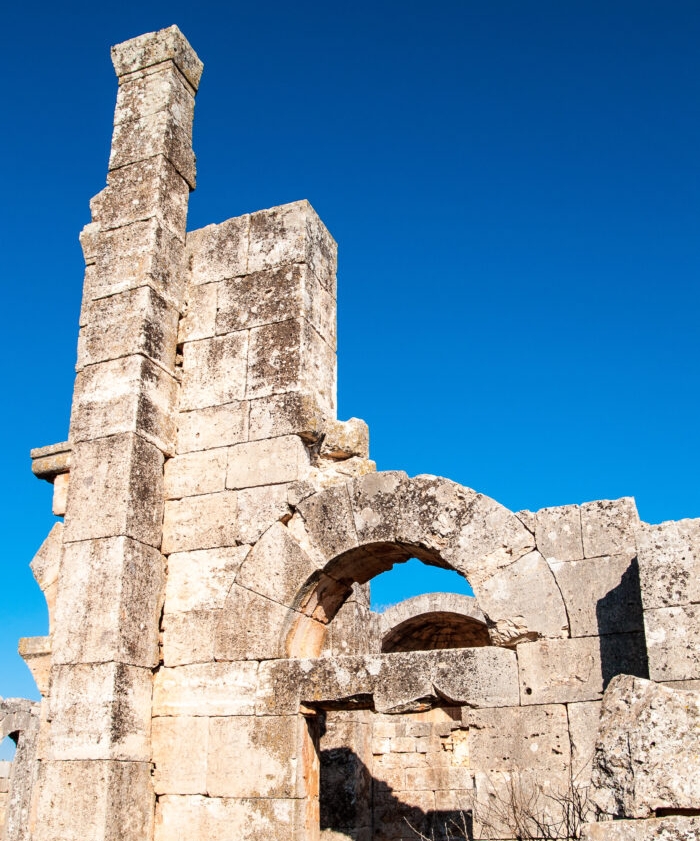
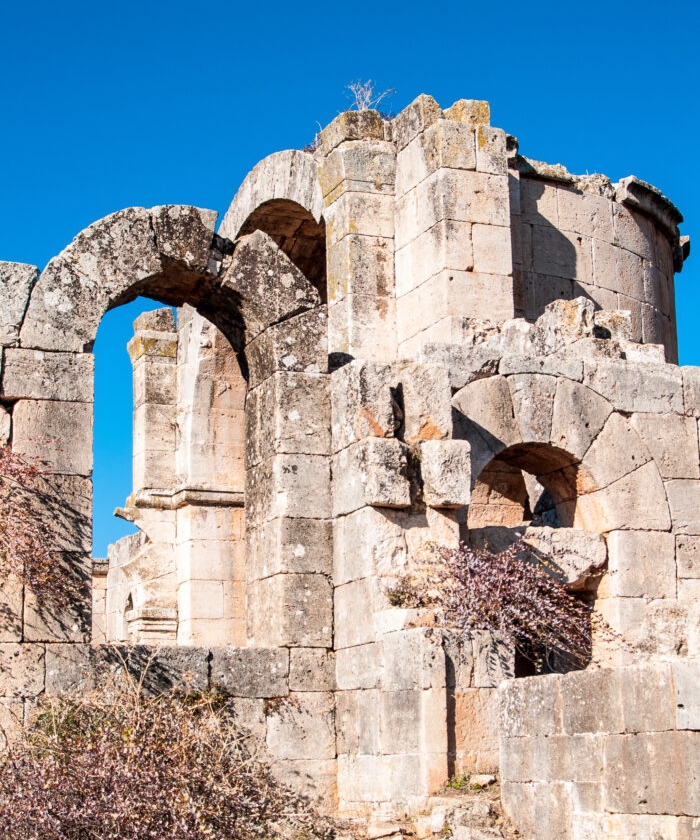
- A Byzantine church with well-preserved stone architecture
- Remnants of monastic living quarters
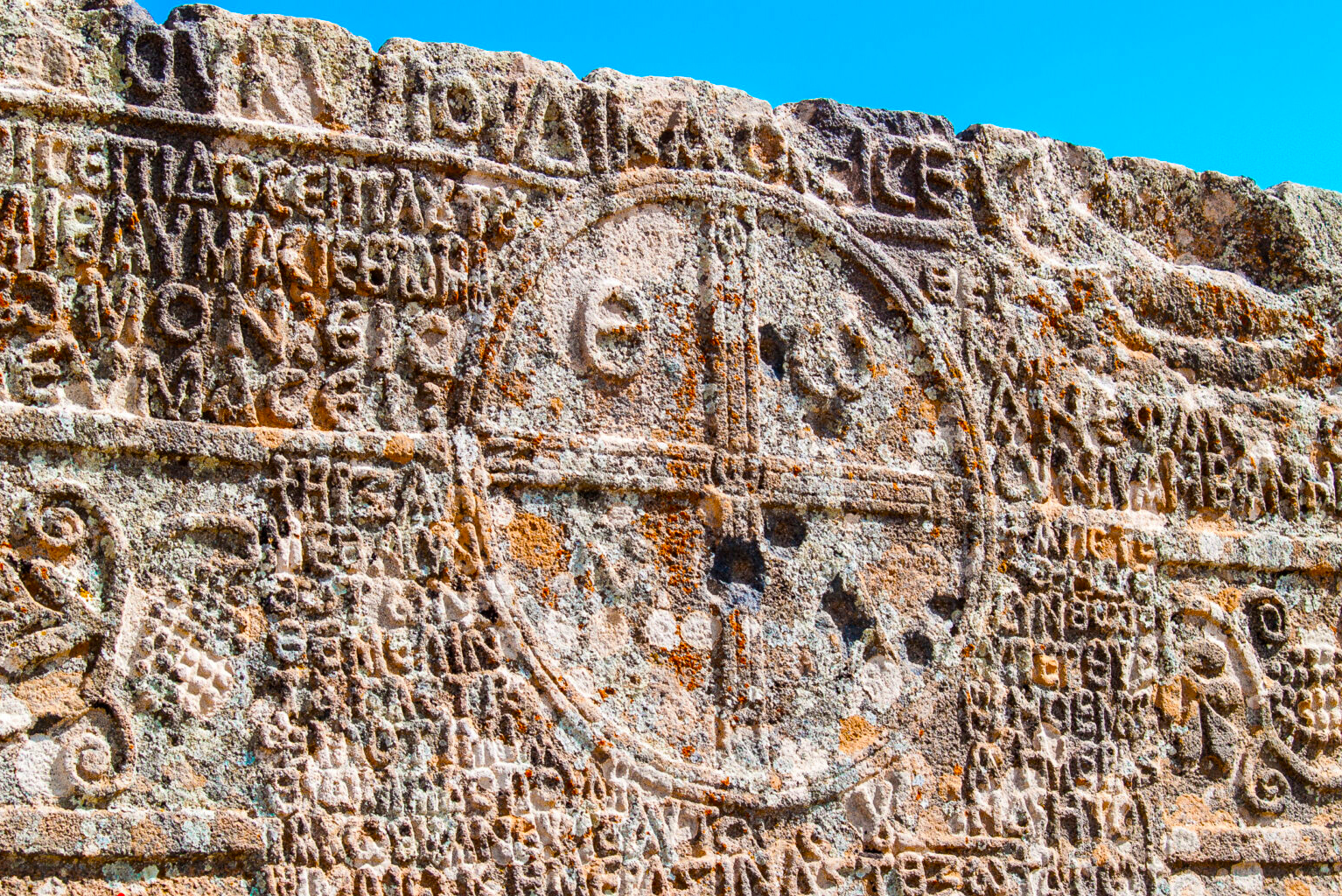
- Stone inscriptions and column bases with cross carvings
Deir al-Salib reflects the Christian monastic movement that spread through Syria before the rise of Islam. Its architecture blends Greco-Roman influence with early Christian symbolism.
Atmosphere:
Quiet and scenic, this site invites visitors to reflect, walk slowly, and enjoy its peaceful setting. It’s also a favorite among photographers and architecture lovers.
Travel Tips
- Best Time to Visit: Spring and autumn offer mild temperatures and better walking conditions.
- Access: These sites are generally off the beaten path. Private transport or local guides are recommended.
- Dress Code: Respectful attire is recommended, especially near religious ruins or rural areas.
- Local Insight: Ask locals about the history — many elders have oral traditions and stories about the ruins.
See Also: Roman Footprints
Conclusion
The Roman and Byzantine remains in Syria are more than just stones and ruins — they are silent witnesses to centuries of faith, conflict, culture, and architecture. While world-famous sites like Palmyra and Apamea draw most attention, these lesser-known Syria Roman Byzantine Sites offer something equally valuable: authenticity.
In al-Andarin, you’ll walk in the footsteps of Roman soldiers. In Ithriya, you’ll witness the blending of two empires. In Deir al-Salib, you’ll feel the quiet devotion of ancient monks. These hidden gems are among the most fascinating Syria Roman Byzantine Sites, revealing layers of history often overlooked by mainstream tourism.
Together, they create an unforgettable journey into Syria’s complex past, showcasing the richness of faith, culture, and architecture across centuries. For any history-loving traveler, exploring these Syria Roman Byzantine Sites offers an experience of both discovery and deep connection to the ancient world.
Finally.. If you have any questions, please contact us. To explore further, visit our website gallery for rare images and cultural highlights.
Sources & References:
UNESCO – World Heritage Centre: https://whc.unesco.org
Archnet – Architecture & Heritage Database: https://www.archnet.org
World History Encyclopedia: https://www.worldhistory.org
Syrian Heritage Archive Project: https://syrian-heritage.org
Global Encyclopedia: Wikipedia