Hama Attractions : Once one of Syria’s most charming and elegant cities, Hama is a captivating destination full of history, Ottoman architecture, and cultural legacy. Famous for its iconic wooden water wheels (norias) that groan gently along the Orontes River, Hama’s Old City holds a treasure trove of landmarks that whisper stories from the Abbasid, Ayyubid, Mamluk, and Ottoman periods.
This guide offers an immersive look into what tourists should not miss while walking through the winding alleys and riverside quarters of Old Hama. From ancient mosques and traditional houses to lively souks and the world-famous norias, Hama Attractions reveal a city that beautifully blends history and daily life.
Whether you’re passionate about Islamic architecture, curious about local traditions, or simply a lover of authentic experiences, the Hama Attractions below form the must-see fabric of this deeply historical Syrian city. Exploring these Hama Attractions allows visitors to connect with Syria’s past while witnessing the enduring spirit of one of its most picturesque cities.
Hama Attractions | Quick Info.
| Landmark | Era / Built | Architectural Style / Features | Current Function / Significance |
|---|---|---|---|
| Great Mosque of Hama (Jami’ al-Kabir) | 8th century (Umayyad era) | One of Syria’s oldest mosques; square minaret possibly of Roman-Byzantine origin; courtyard with arcades | Main mosque of Hama; symbol of resilience and spirituality |
| Qasr al-Azem of Hama | 18th century (Ottoman period) | Ablaq stone pattern, central courtyard, iwans, wooden balconies | Museum of Traditional Arts and Crafts; former governor’s residence |
| Al-Nuri Mosque (Masjid al-Nuri) | 12th century (Ayyubid era) | Gray basalt walls, modest ornamentation | Historic mosque representing Ayyubid reform and simplicity |
| Mosque of Abu al-Fida’ | Mamluk–Ottoman period | Riverside mosque; simple yet elegant | Honors scholar and ruler Abu al-Fida’; peaceful historic site |
| Bayt al-Sha’rani (Beit al-Sharaani) | Late Ottoman era | Wooden mashrabiyas, painted ceilings, internal fountain courtyard | Occasionally hosts cultural events; fine example of merchant’s home |
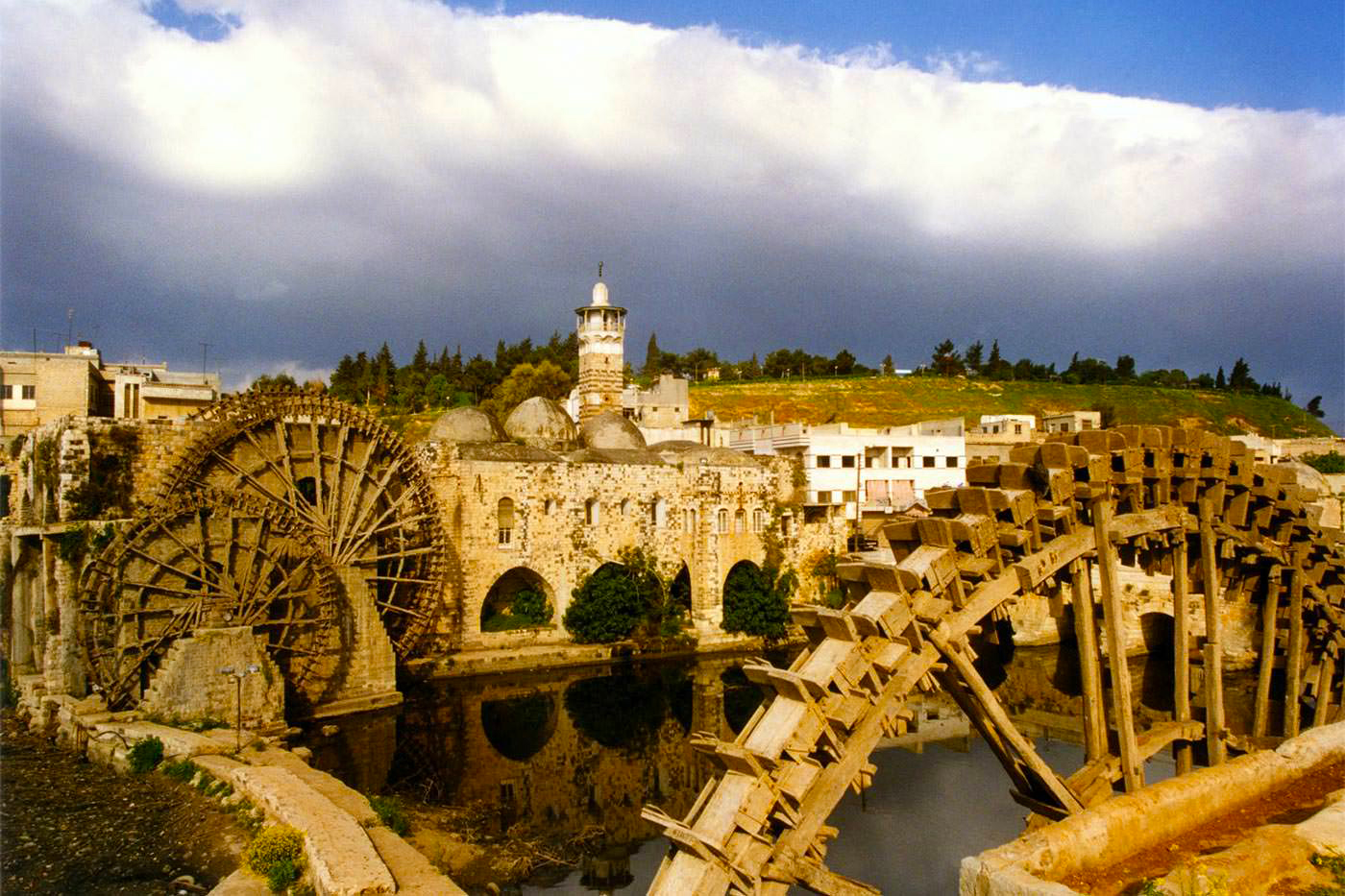
| The Norias of Hama | Medieval origins (some rebuilt later) | Massive wooden water wheels on Orontes River | Iconic city symbols; engineering marvels used for irrigation |
| Hama Citadel (Qal’at Hama) | Ancient (Bronze Age origins) | Archaeological mound with remains of multiple civilizations | Offers panoramic views; important archaeological site |
| Souq al-Hamidiyya (Hama) | Ottoman era | Covered marketplace with textile and spice shops | Bustling traditional souq showcasing local crafts and life |
Hama – Great Mosque (Jami’ al-Kabir)
The Spiritual and Historical Center of the City
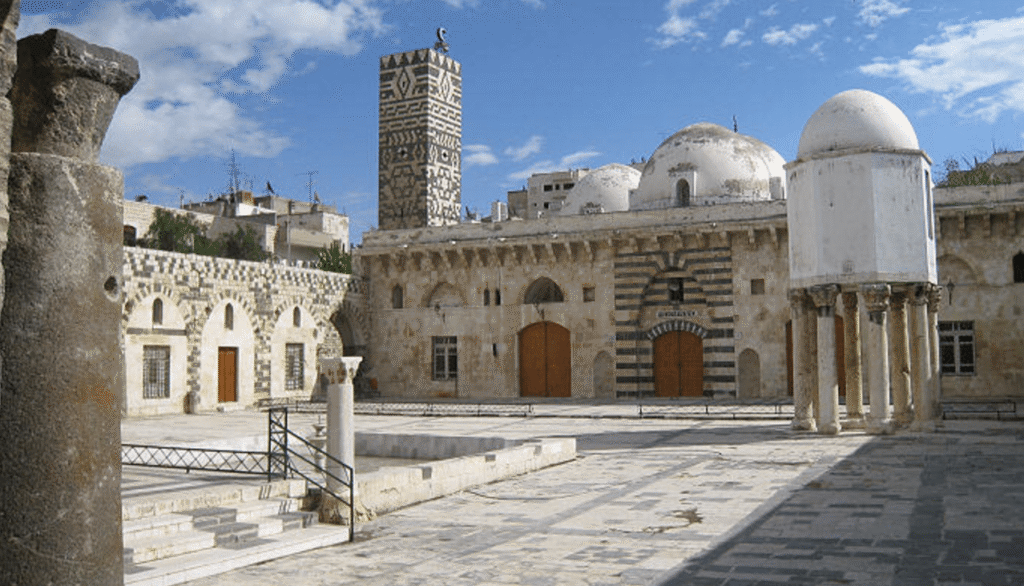
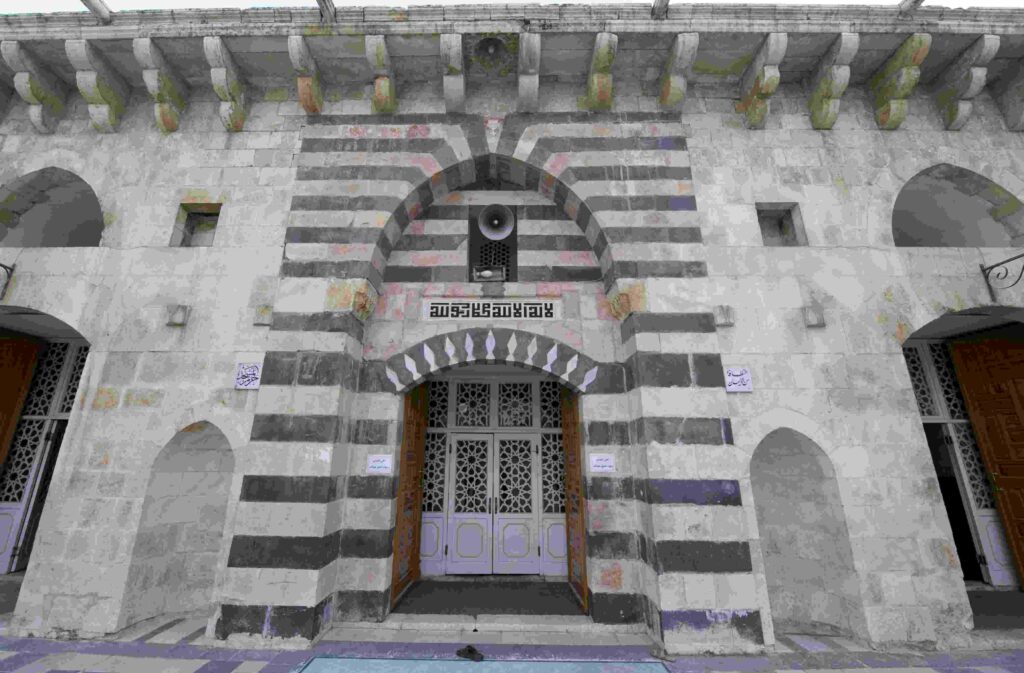
Located in the very core of Old Hama, the Great Mosque of Hama—also known as Jami’ al-Kabir—is the oldest and most historically significant mosque in the city. This sacred structure, one of the must-see Hama Attractions, dates back to the 8th century, likely built during the Umayyad era, though it incorporates layers from various Islamic dynasties.
Architectural Features
- Minaret: Its robust square minaret is one of the oldest in Syria and is believed to predate the current mosque, possibly from the Roman or Byzantine era.
- Courtyard and prayer hall: The mosque boasts a large open courtyard with beautiful arcades and a spacious prayer hall lined with ancient stone columns.
- Restoration history: It has been destroyed and rebuilt multiple times due to earthquakes and conflict, most recently in the 1982 uprising, but much of its original layout has been preserved.
Why Visit?
Jami’ al-Kabir is not just a place of worship—it is the spiritual backbone of Hama and a profound symbol of the city’s resilience and religious continuity over more than 1200 years.
Qasr al-Azem of Hama
A Miniature Palace with Ottoman Elegance
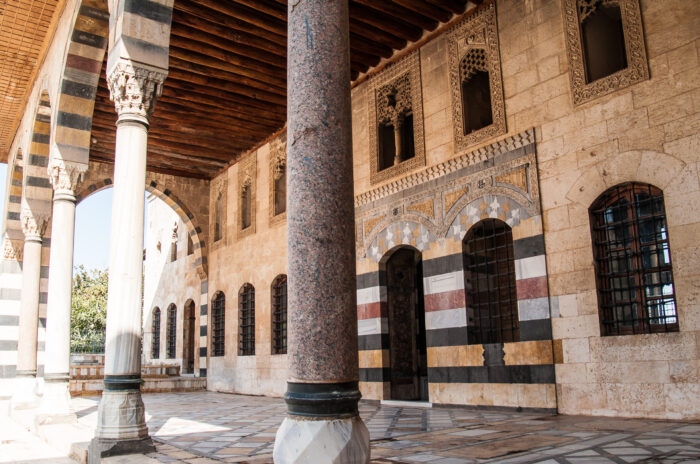
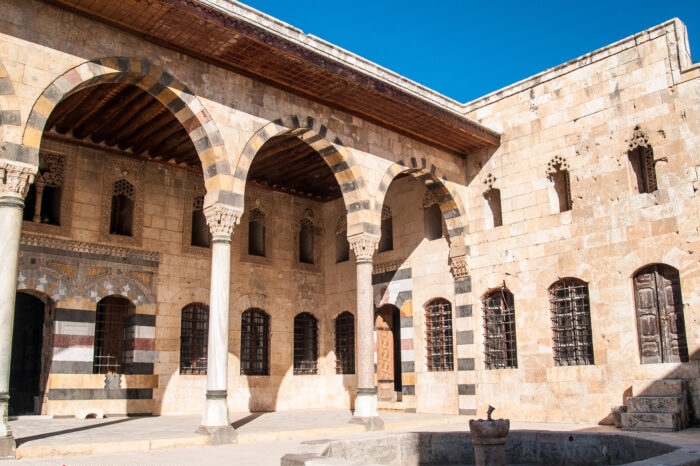
Often overshadowed by its larger namesake in Damascus, the Qasr al-Azem of Hama is a stunning example of Ottoman residential architecture. Built in the 18th century by the Azem family—a powerful governorate dynasty—it served as a residence for the local ruler and his family and remains one of the most remarkable Hama Attractions for those exploring the city’s Ottoman heritage.
Highlights of the Palace
- Courtyard and iwans: The interior courtyard, shaded by citrus trees, is framed by traditional iwans and beautifully decorated wooden balconies.
- Architecture: Built using basalt and limestone in alternating bands (ablaq style), the structure mirrors the Damascene style but with its own local flair.
- Museum: Today, Qasr al-Azem serves as a museum of traditional arts and crafts, where you can explore rooms recreated with period furniture, textiles, and household objects.
Cultural Immersion
Walking through its tranquil halls gives visitors a vivid sense of elite life in 18th-century Hama. The contrast between luxurious interiors and the bustling city outside makes this a serene, contemplative experience.
Al-Nuri Mosque (Masjid al-Nuri)
A Jewel of the Ayyubid Era
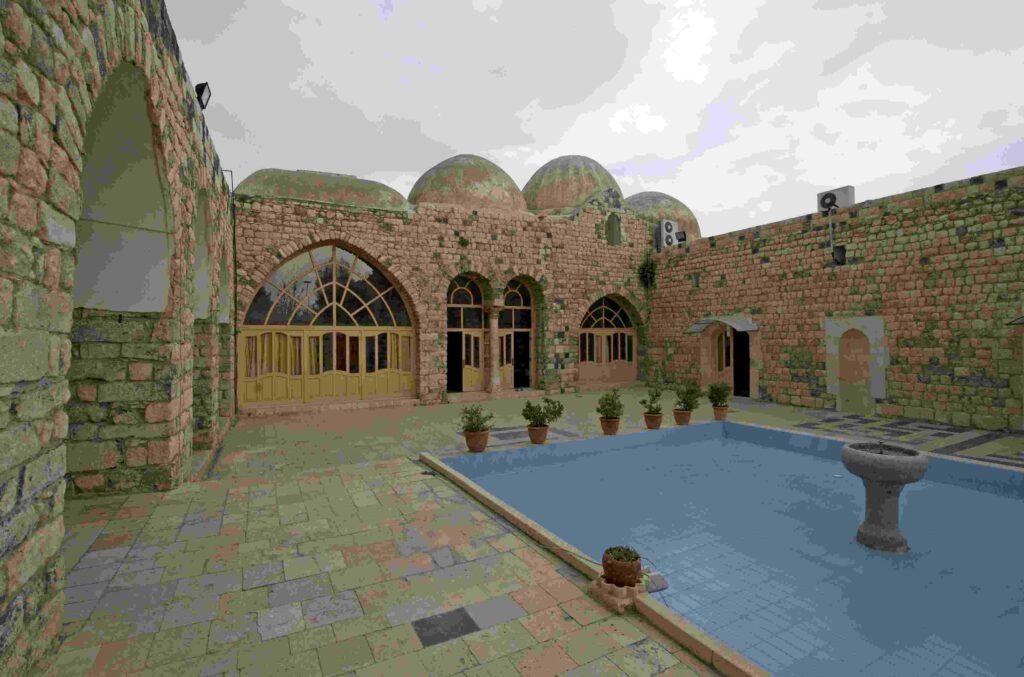
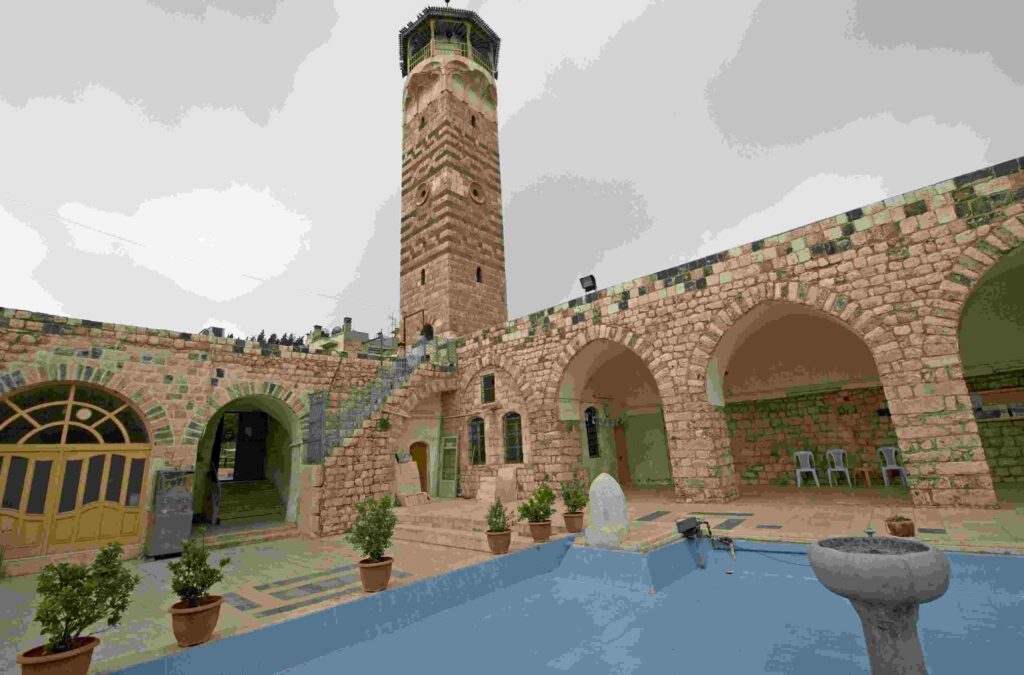
Built by Nur ad-Din Zangi in the 12th century, Al-Nuri Mosque is one of the most important surviving mosques from the Ayyubid period in Syria. While smaller than the Great Mosque, it is admired for its simplicity, elegance, and strategic location within the old quarters—making it one of the notable Hama Attractions for visitors interested in Islamic history and architecture.
Features to Notice
- Stone architecture: Classic Ayyubid-style gray basalt walls and modest ornamentation.
- Historic relevance: As with many buildings built by Nur ad-Din, the mosque is associated with religious reform and intellectual revival.
Why It’s Worth a Visit
It reflects a pivotal chapter in Syrian Islamic architecture—one that transitioned from the lavish Umayyad styles to the more pious and grounded Ayyubid aesthetics. Its spiritual atmosphere and quiet neighborhood location make it an ideal stop for reflection and one of the peaceful Hama Attractions that reveal the city’s timeless charm.
Other Historic Mosques in the Old City
While the Great Mosque and Al-Nuri are the best known, Hama’s Old City contains several historic mosques that are architecturally and culturally significant.
Sheikh Ibrahim Mosque
Located near the Orontes River, this mosque features a lovely minaret and quiet courtyard. It’s more modest but serves as an excellent example of the everyday neighborhood mosques that shaped social life in Hama.
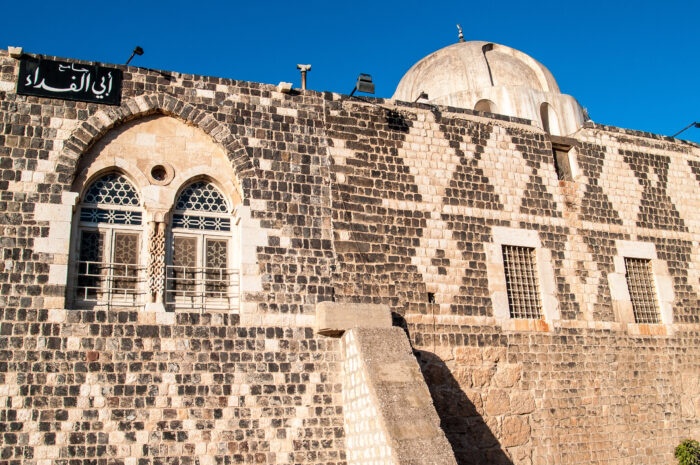
Mosque of Abu al-Fida’
Named after the famous geographer, historian, and ruler Abu al-Fida’, this mosque stands near the banks of the river. It’s often missed by tourists, but its riverside charm and association with an intellectual giant make it a hidden gem among the Hama Attractions for history lovers.
Traditional Houses of Hama
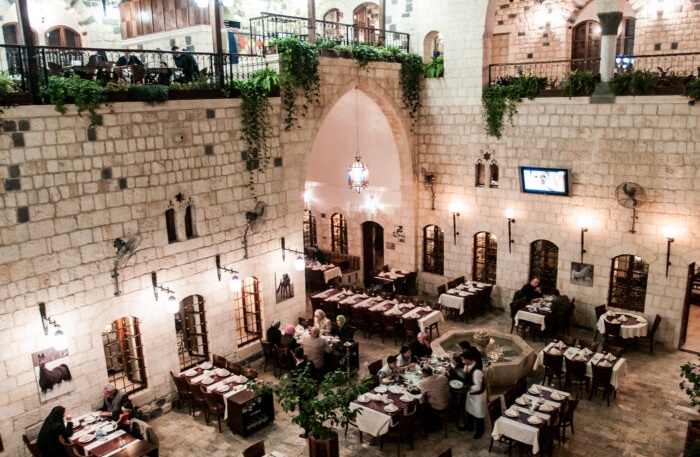
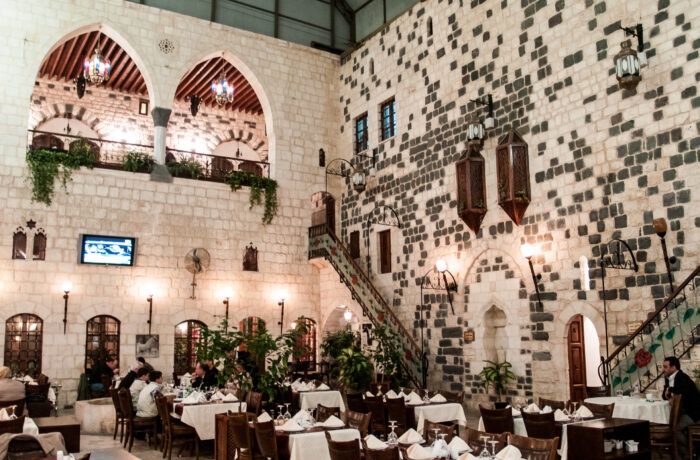
Hama’s residential architecture is an attraction in itself. Unlike the narrow alley homes of Aleppo or Damascus, many Hama houses open out toward the river and incorporate gardens and shaded terraces. Several historic homes still survive in the old quarters.
Bayt al-Sha’rani
An exquisite example of a late Ottoman merchant’s home, Bayt al-Sha’rani (also called Beit al-Sharaani) is known for its:
- Wooden mashrabiyas (ornate lattice windows)
- Intricately painted wooden ceilings
- Internal fountain courtyard (a salsabil)
Today, it sometimes hosts local cultural events and could be open to visitors on request.
Bayt al-Kilani
Another beautiful family home from the 19th century, Bayt al-Kilani exemplifies domestic life in Hama’s upper-middle class. If accessible, it’s worth visiting for the preserved decorative panels and peaceful ambiance.
The Norias of Hama: Living Water Wheels
Engineering Marvels and City Symbol
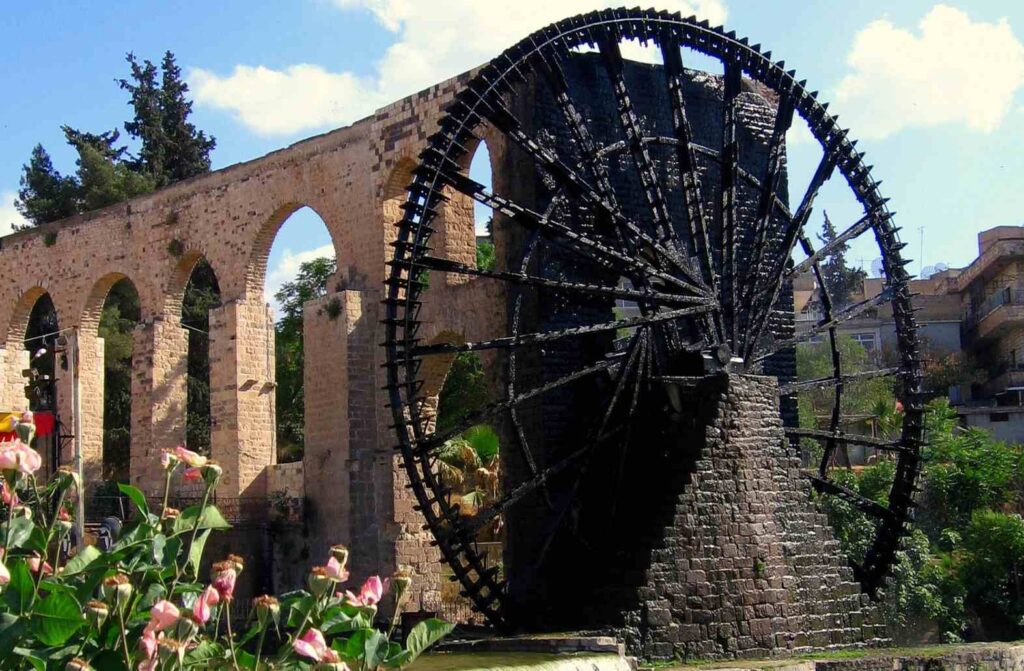
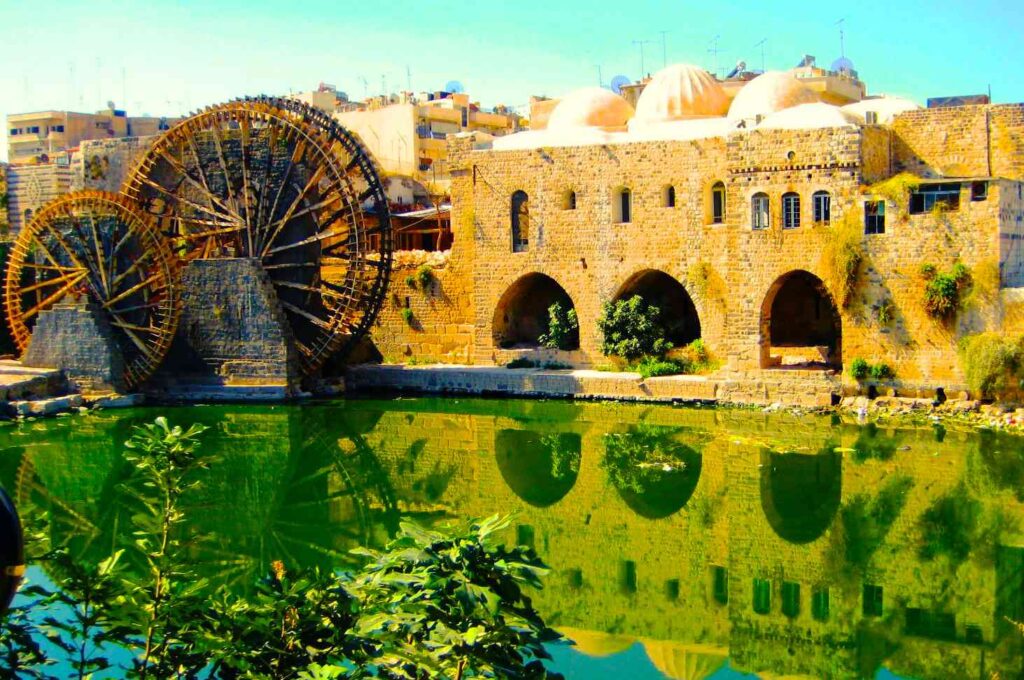
While technically not a building, no visit to Hama would be complete without seeing the famous norias—massive wooden water wheels along the Orontes River. These wheels, among the most iconic Hama Attractions, were historically used to lift water for irrigation and urban water supply.
Where to See Them
- Noria al-Muhammadiya: One of the largest and most intact, near the Azem Palace.
- Noria al-Ma’muriyya: Known for its setting near a bridge and garden.
- Al-Jisriyya (Bridge Wheel): Positioned under a historic stone bridge and beautiful at sunset.
Why Tourists Love Them
The groaning sound of the norias, combined with their slow rotation and scenic surroundings, makes them unforgettable. Sunset or early evening is the best time to walk along the riverbanks and take photos.
Hama Citadel (Qal’at Hama)
A Lost Fortress with Hidden Views
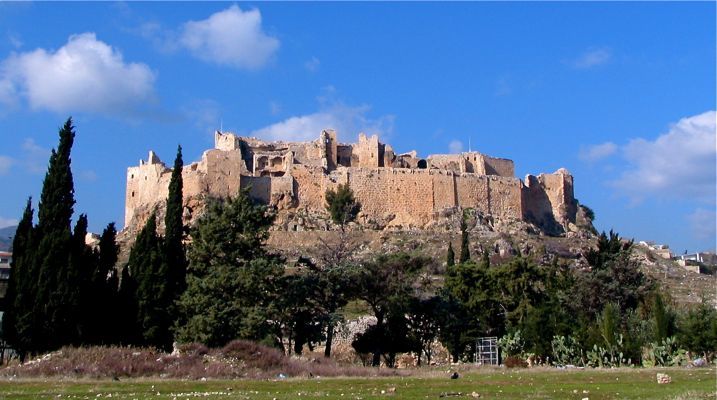
Though largely ruined today, the Hama Citadel occupies a large mound believed to be one of the oldest continuously inhabited spots in the region. It dates back to Bronze Age settlements, with layers of Assyrian, Roman, Byzantine, and Islamic history buried in its soil—making it one of the most historically significant Hama Attractions to explore.
What to See
- Viewpoints: The citadel hill offers panoramic views over the city, river, and norias.
- Archaeological significance: Excavations have uncovered ancient artifacts, and the location is ideal for imagining the scale of the ancient city.
While not much remains above ground, the sense of antiquity and strategic value is palpable from the top of the mound.
Traditional Bazaars (Souqs) of Old Hama
No old city is complete without a traditional souq, and Hama is no exception. While smaller than the bazaars of Damascus or Aleppo, Hama’s souqs offer a delightful dive into local trade and tradition and stand among the most authentic Hama Attractions for those seeking everyday cultural life.
Souq al-Tanabel (Lazy Men’s Market)
This unique marketplace is named humorously after its vendors who rarely leave their seats. It specializes in:
- Dried fruits and nuts
- Olive oil soaps
- Local herbal remedies
Souq al-Hamidiyya
This covered market sells textiles, spices, and handicrafts, and offers a true glimpse into daily life in Hama’s Old City.
Suggested “Best Ever” Experience in Hama’s Old City
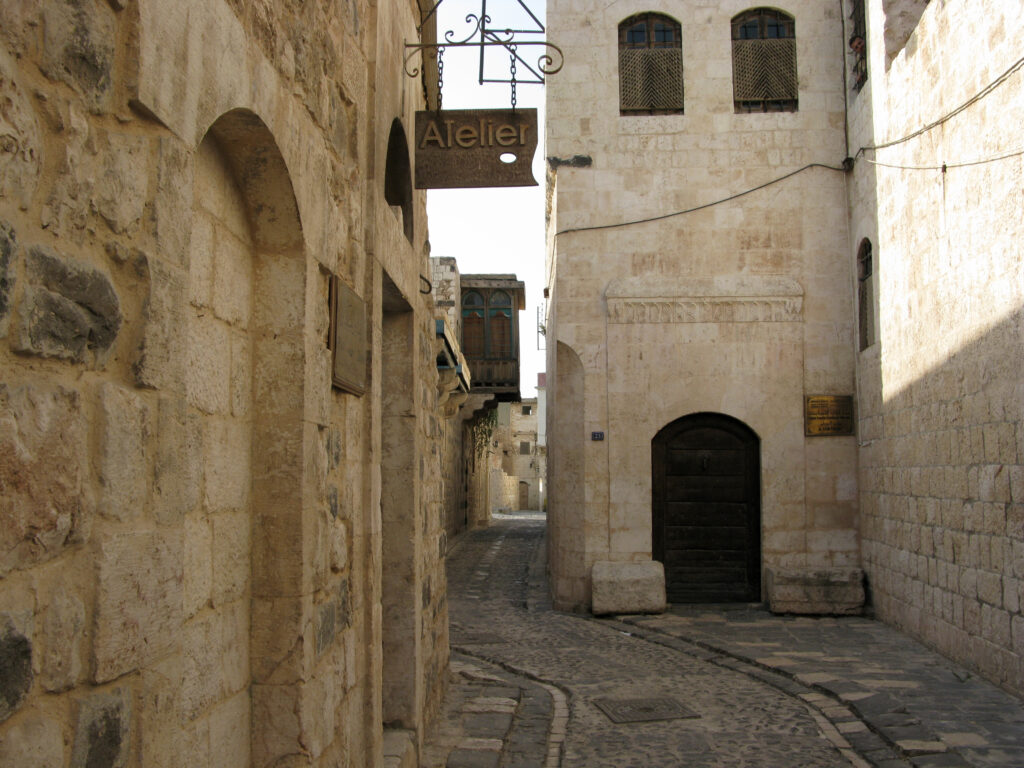
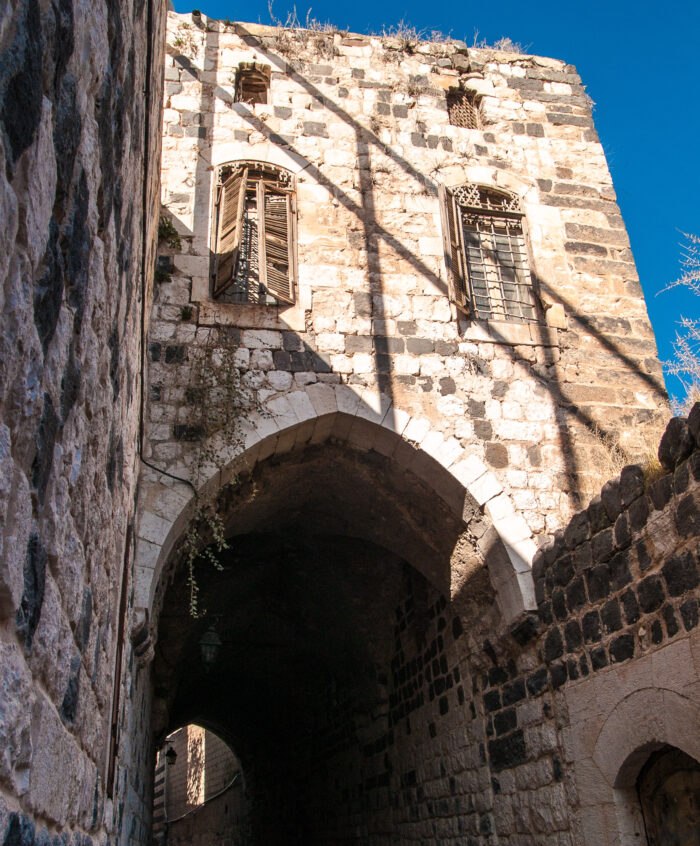
If you’re only in Hama for a short time and want one unforgettable experience that captures the soul of the city, here’s what we suggest:
Sunset Walk Along the Orontes River to See the Norias
Start at the Great Mosque, continue past Qasr al-Azem, and walk south along the riverbank promenade. As the sun begins to dip, the norias creak slowly in the golden light, birds fly over the minarets, and locals sit by the water sipping tea—creating one of the most memorable experiences among Hama Attractions.
This single walk will offer:
- Architecture
- Nature
- Local life
- History
- Photographic moments
- And the unmistakable ambiance of Hama
It is, without a doubt, the best all-in-one experience to absorb the beauty of the city.
See Also: Homs Attractions
Final Thoughts
Hama’s Old City might not have the scale of Damascus or the grandeur of Aleppo, but its charm lies in its gentle rhythm, deep spirituality, and intimate connection with water, stone, and community. Between the mosques, the palaces, the hidden houses, and the ever-turning norias, Hama Attractions whisper a quieter but no less powerful story of Syria’s historical greatness.
If you’re seeking an authentic experience that nourishes your curiosity and offers peaceful beauty, Hama Attractions in the Old City provide the perfect blend of history, culture, and serenity—making Hama one of Syria’s most soulful destinations.
Finally.. If you have any questions, please contact us. To explore further, visit our website gallery for rare images and cultural highlights.
Sources & References:
UNESCO – World Heritage Centre: https://whc.unesco.org
Archnet – Architecture & Heritage Database: https://www.archnet.org
World History Encyclopedia: https://www.worldhistory.org
Syrian Heritage Archive Project: https://syrian-heritage.org
Wikipedia Global Encyclopedia: Wikipedia