Ancient Settlements Syria: Northern Syria is home to remarkable historical sites shaped by centuries of civilizations and cultural exchange. Among them, Qalaat Najm (قلعة نجم) and Maarat al-Naaman (معرة النعمان) stand out as enduring symbols of the region’s rich past. As part of the vast network of Ancient settlements Syria, they showcase how geography and architecture influenced trade and defense across empires. Exploring Ancient settlements Syria like these reveals the resilience and cultural depth of a land where history continues to live through its stones and ruins.
Ancient Settlements Syria | Quick Info
| Feature | Qalaat Najm (قلعة نجم) | Maarat al-Naaman (معرة النعمان) |
|---|---|---|
| Meaning / Type | “Star Castle” – Medieval fortress | Ancient city and cultural hub |
| Location | Eastern bank of the Euphrates River, near Manbij | Southwest of Aleppo, along historic caravan routes |
| Historical Era | Byzantine origins; expanded under Ayyubids, Mamluks, and Crusader-era conflicts | Hellenistic and Roman roots; flourished during Byzantine and Islamic periods |
| Strategic Role | Protected trade routes and river crossings; major military stronghold | Served as commercial, religious, and cultural center |
| Key Historical Events | Battles between Crusaders and Muslim forces; symbol of regional power | Siege of 1098 during the First Crusade, known for tragic massacres |
| Architecture | Thick stone walls, towers, gatehouse with arrow slits and murder holes; built on a rocky promontory | Remnants of city walls, mosques, madrasas, Roman baths, and Byzantine ruins |
| Modern Significance | One of the best-preserved medieval fortresses in northern Syria; panoramic views of the Euphrates | Known for archaeological remains and literary heritage; symbol of resilience |
| Current Use / Status | Historical site studied by archaeologists; limited tourist access | Archaeological site; cultural preservation efforts ongoing |
| Cultural Importance | Represents Syria’s medieval military architecture | Represents intellectual and artistic legacy of Islamic and Byzantine Syria |
| Part of | Ancient settlements Syria network | Ancient settlements Syria network |
Qalaat Najm: The Fortress on the Euphrates
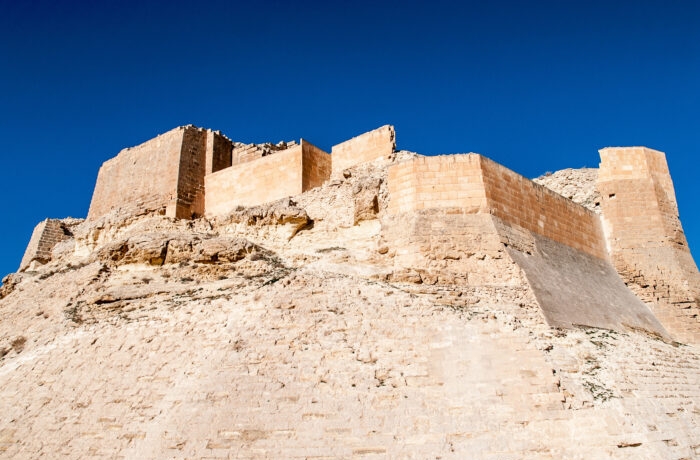
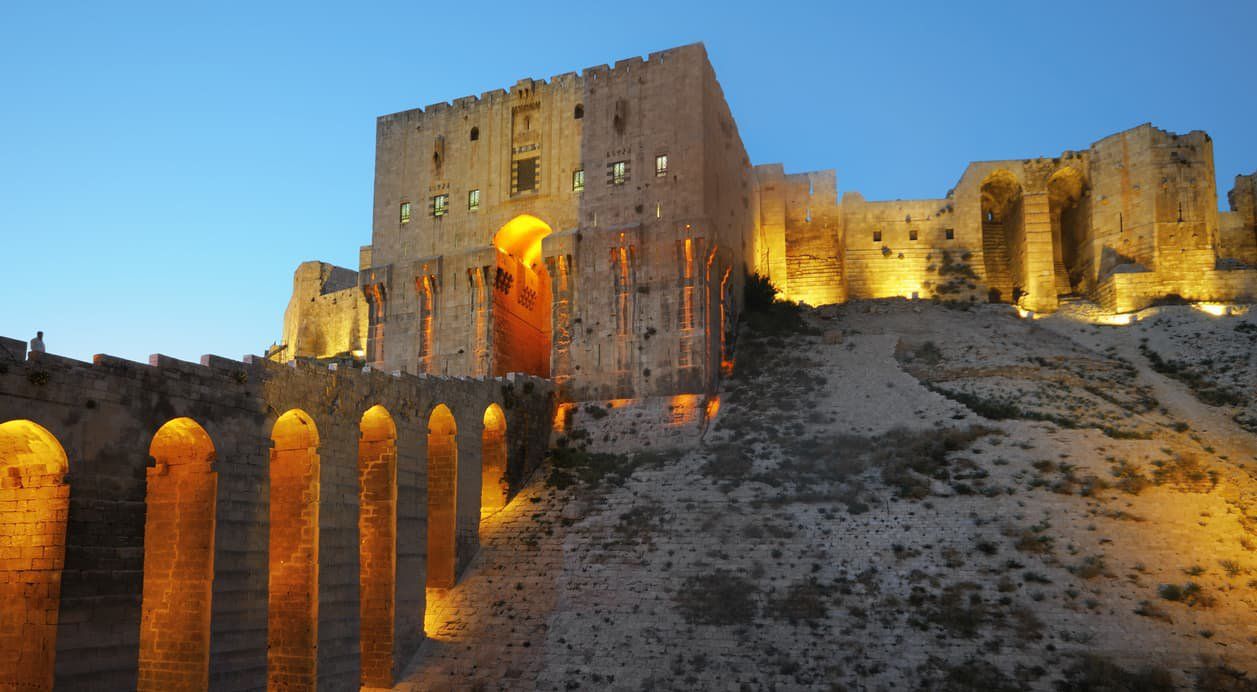
Qalaat Najm, meaning “Star Castle,” is a striking medieval fortress perched on the eastern bank of the Euphrates River, near the modern town of Manbij. Its strategic location overlooking the river valley made it a crucial military and administrative center through various empires—from Byzantine to Islamic dynasties and the Crusaders.
Historical Background

The fortress’s origins date back to Byzantine times when it served as a defensive stronghold protecting the eastern frontiers of the empire. The site’s significance continued through the Islamic periods, especially under the Ayyubids and Mamluks, who expanded and reinforced its walls. During the Crusades, Qalaat Najm was a coveted prize because controlling it meant overseeing vital trade routes and river crossings.
Its imposing walls and towers served not only as protection but also as a symbol of power and authority in the region. Qalaat Najm saw several battles and sieges, including confrontations between Crusader forces and Muslim defenders, highlighting its strategic importance.
Architectural Features
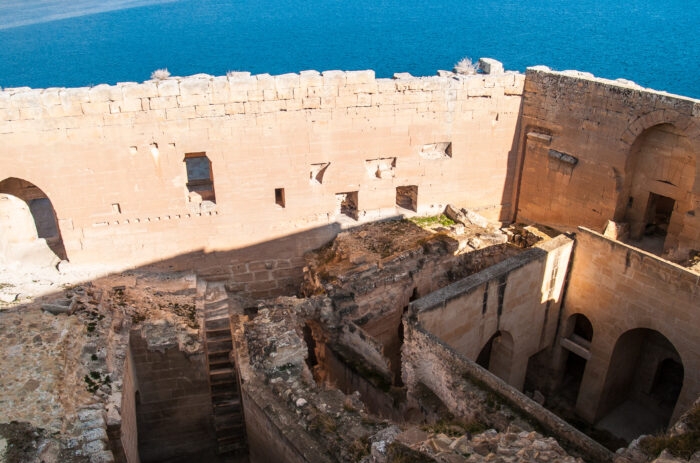
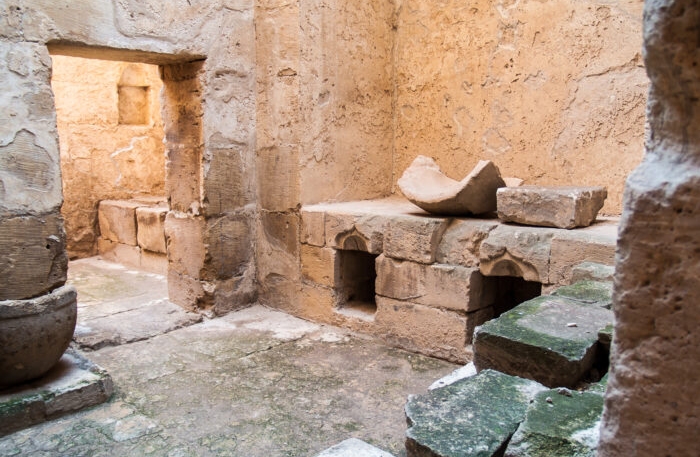
Castle Necmettin is built on a rocky promontory, naturally defended by steep slopes on three sides, with the Euphrates river running nearby. Its walls are thick and constructed with large stones, designed to withstand sieges and cannon fire.
The fortress has multiple towers spaced along the curtain walls, providing overlapping fields of fire for archers and later, artillery. A massive gatehouse guards the main entrance, with defensive mechanisms such as murder holes and arrow slits.
Inside, the fortress contained barracks, storage rooms, a cistern for water supply, and residential quarters for the garrison. The layered construction reveals phases of rebuilding and strengthening across different eras, reflecting the evolving military architecture from Byzantine stonework to Islamic influences.
Modern Significance


Today, Qalaat Najm remains one of the best-preserved medieval fortresses in northern Syria. Its silhouette rising above the landscape continues to captivate visitors and scholars alike. The site offers panoramic views of the Euphrates valley, a reminder of its historical role as a guardian of the river and trade routes.
For tourists, Qalaat Najm is a fascinating destination to explore Syria’s medieval military architecture and to understand the strategic importance of the Euphrates in regional history. Archaeologists and historians continue to study the fortress to uncover more about its construction phases and the daily life of its inhabitants.
Maarat al-Naaman: The City of Ancient Culture and Turmoil
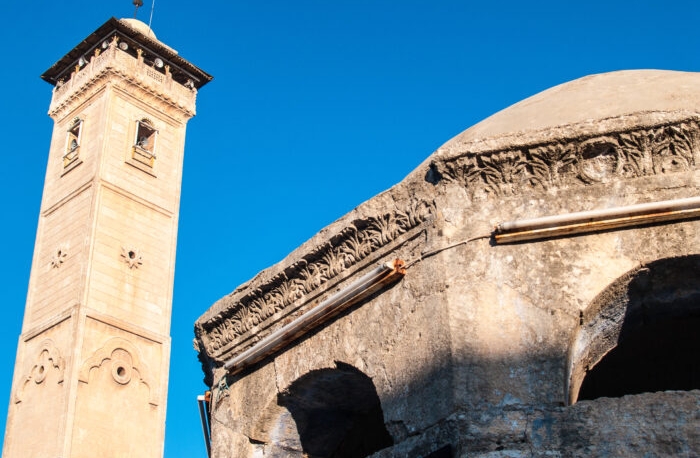
Located southwest of Aleppo, Maarat al-Naaman (معرة النعمان) is an ancient city with a rich history dating back to antiquity. Known for its cultural contributions, tragic episodes, and impressive architectural remains, Maarat al-Naaman holds a special place in Syria’s historical narrative.
Historical Overview
Maarat al-Naaman’s roots extend to the Hellenistic and Roman periods, but it rose to prominence during the Byzantine and Islamic eras. The city was a vital commercial and cultural hub along caravan routes connecting inland Syria to the Mediterranean coast.
It is perhaps most famously known in the medieval period for the tragic events during the First Crusade. The city was besieged and brutally captured by Crusader forces in 1098. Chroniclers recorded atrocities that shocked even medieval sensibilities, marking Maarat al-Naaman as a symbol of the era’s violent conflicts.
Under later Islamic rule, the city recovered and flourished as a center of learning and culture. It became known for its scholars, poets, and artisans who contributed to Syria’s rich intellectual heritage.
Architectural and Archaeological Highlights
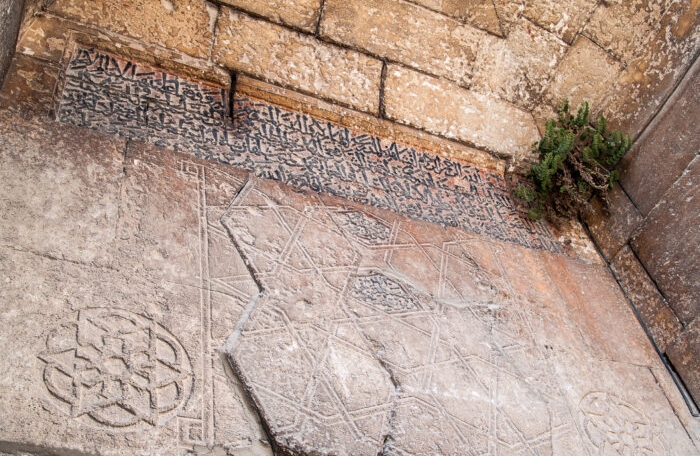
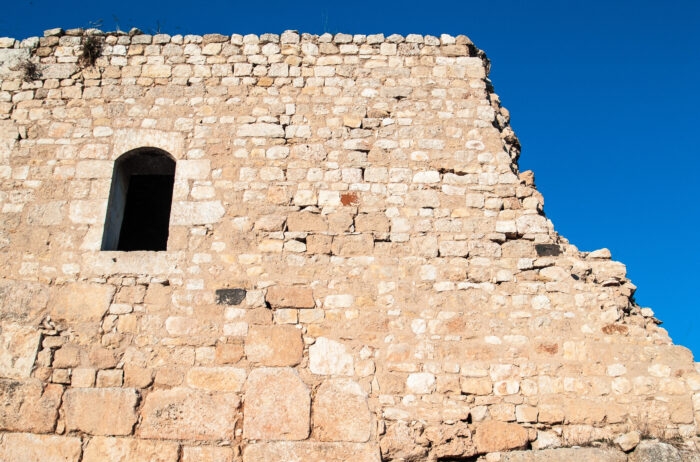
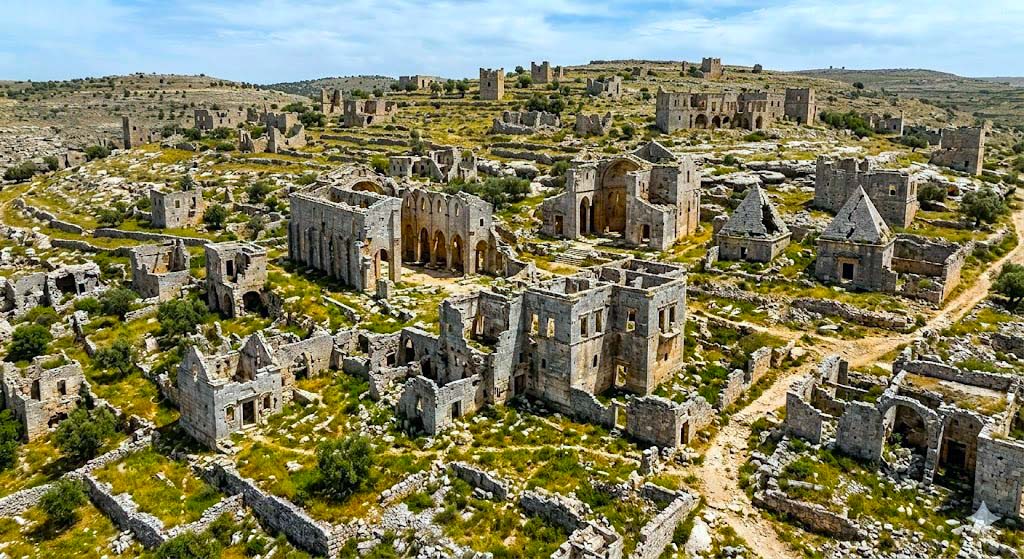
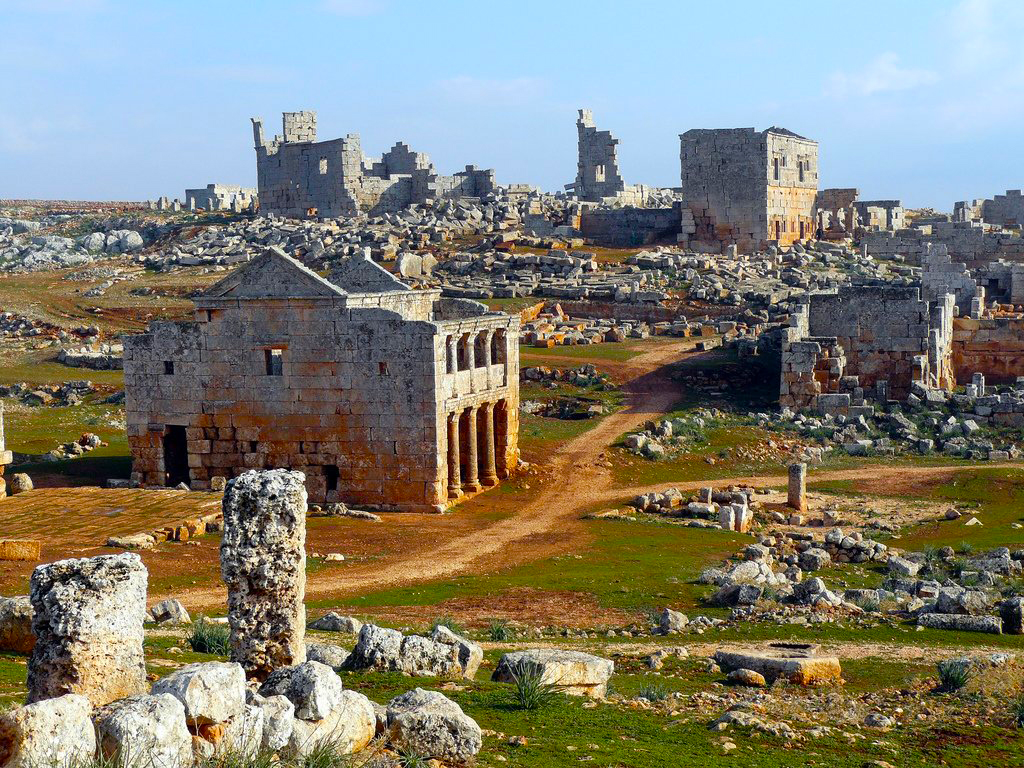
Maarat al-Naaman boasts impressive archaeological remains, including:
- Ancient City Walls: Sections of the defensive walls that once encircled the city still stand, illustrating the city’s strategic importance and its efforts to protect itself from invaders.
- Mosques and Madrasas: The city contains ruins of early Islamic religious buildings that highlight its role as a spiritual and educational center. Some structures date back to the Umayyad and Abbasid periods.
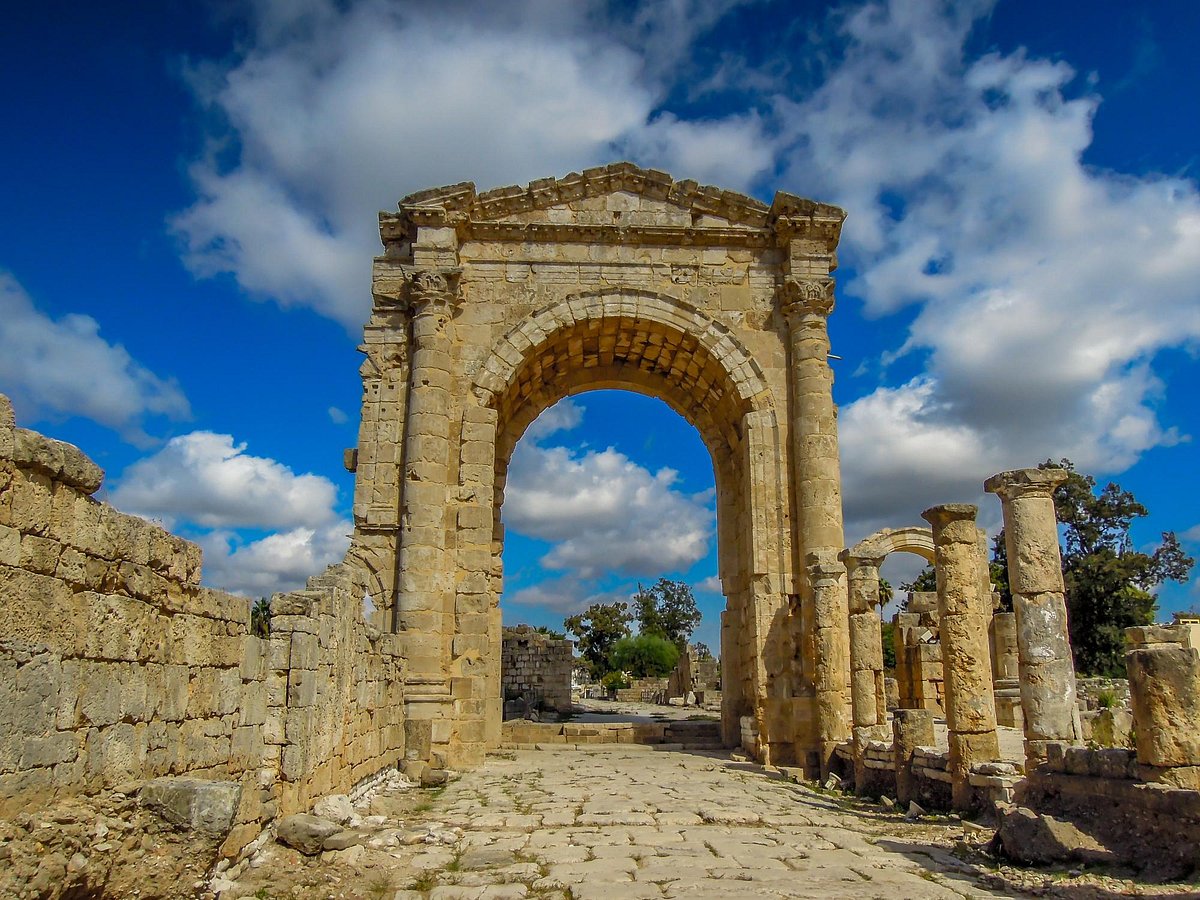
- Roman and Byzantine Ruins: Foundations and fragments of public buildings, baths, and temples attest to the city’s long-standing urban life.
- Mausoleums and Tombs: The necropolis around Maarat al-Naaman reflects ancient funerary customs and the city’s importance as a regional center.
Cultural Legacy
Maarat al-Naaman is also famous for its literary heritage. It was home to notable poets and scholars who enriched Arabic literature and Islamic scholarship. This intellectual tradition contributed to the city’s reputation as a beacon of culture amidst the upheavals of medieval Syria.
Despite the destruction wrought by wars, the city’s archaeological remains continue to tell stories of resilience and cultural vitality. Efforts to study and preserve its heritage have helped to bring awareness to its historical importance.
Connecting Past and Present: Why These Sites Matter
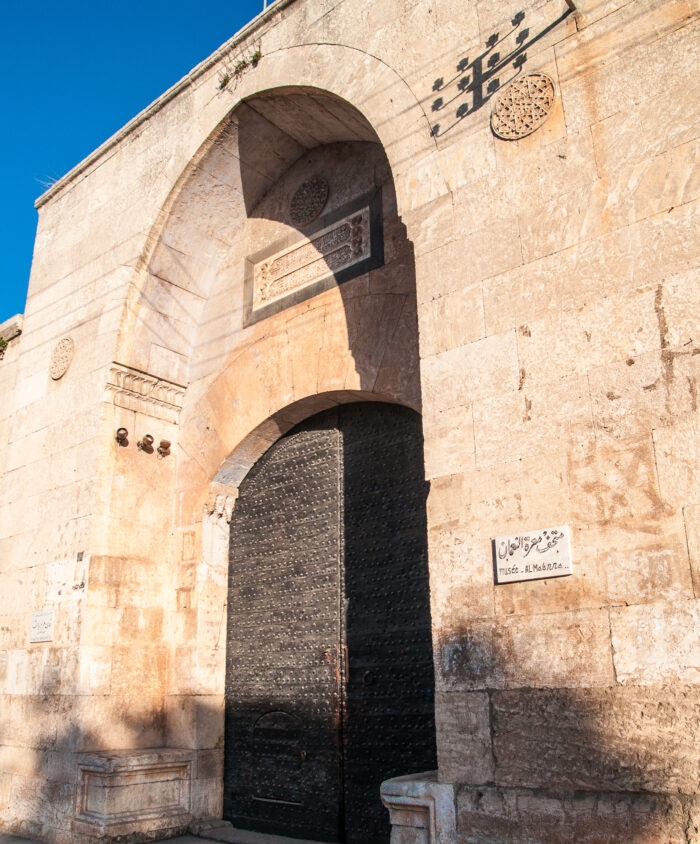
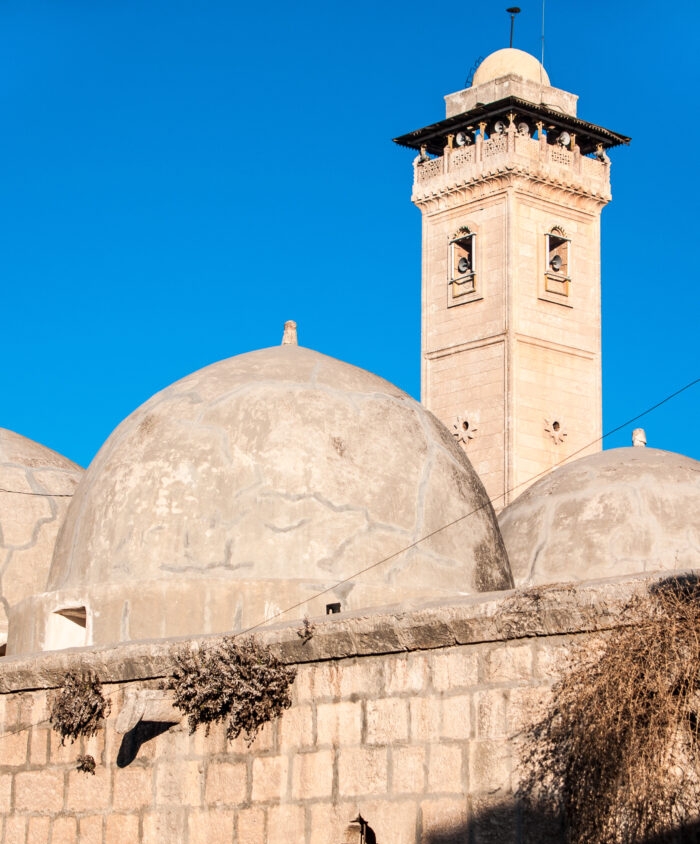
Both Qalaat Najm and Maarat al-Naaman represent critical chapters in Syria’s layered history. They embody the crossroads of empires, religions, and cultures that have shaped the Levant.
For historians and archaeologists, these sites provide valuable material evidence of ancient and medieval urban life, military strategies, and cultural evolution. For visitors, they offer immersive experiences into a world where history is etched in stone walls, towers, and streets.
Preserving and understanding these landmarks is essential, especially given the recent conflicts that have threatened Syria’s heritage. They are living testaments to the region’s complexity and richness, inviting us to appreciate and protect our shared human past.
Visiting Today
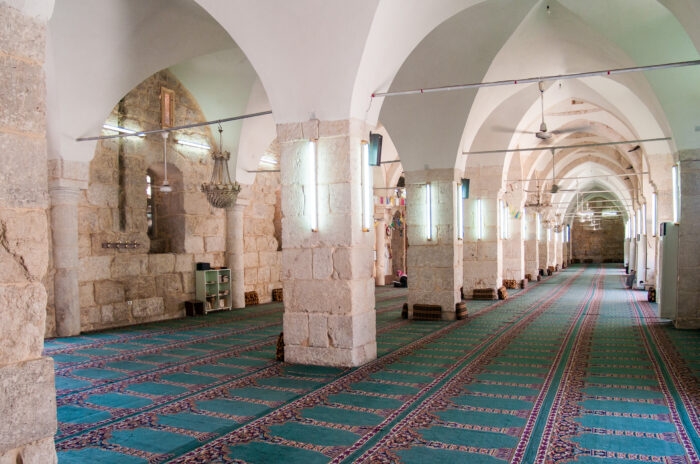
For travelers interested in history and archaeology, visiting Qalaat Najm and Maarat al-Naaman provides a rewarding glimpse into northern Syria’s heritage. While some parts remain unrestored or difficult to access, the sites’ grandeur and historical significance are unmistakable.
Guided tours often explain the context of the fortress’s military role and the city’s cultural importance. Visitors can explore the imposing castle walls at Qalaat Najm or walk through the ancient streets of Maarat al-Naaman, imagining the lives of those who once lived there.
Combining these visits with explorations of other nearby archaeological sites enhances the understanding of Syria’s rich mosaic of history—from the Roman and Byzantine periods through Islamic dynasties and Crusader influences.
See Also: North Treasure III
Ancient settlements Syria | Conclusion
Qalaat Najm and Maarat al-Naaman stand as powerful symbols of northern Syria’s enduring legacy. Their stones tell stories of defense, conquest, culture, and resilience, inviting us to reflect on the complex history that shaped the region. As part of the vast network of Ancient settlements Syria, these sites reveal the depth of human civilization and the architectural mastery that flourished along the Euphrates and beyond.
For those passionate about history, archaeology, and culture, exploring Ancient settlements Syria like Qalaat Najm and Maarat al-Naaman offers an unforgettable journey through time, where every wall and street whispers the memory of empires past. Together, these landmarks exemplify the beauty and endurance of Ancient settlements Syria, bridging the past and present in one of the world’s most historically rich landscapes.
Finally.. If you have any questions, please contact us. To explore further, visit our website gallery for rare images and cultural highlights.
Sources & References:
UNESCO – World Heritage Centre: https://whc.unesco.org
Archnet – Architecture & Heritage Database: https://www.archnet.org
World History Encyclopedia: https://www.worldhistory.org
Syrian Heritage Archive Project: https://syrian-heritage.org
Global Encyclopedia: Wikipedia