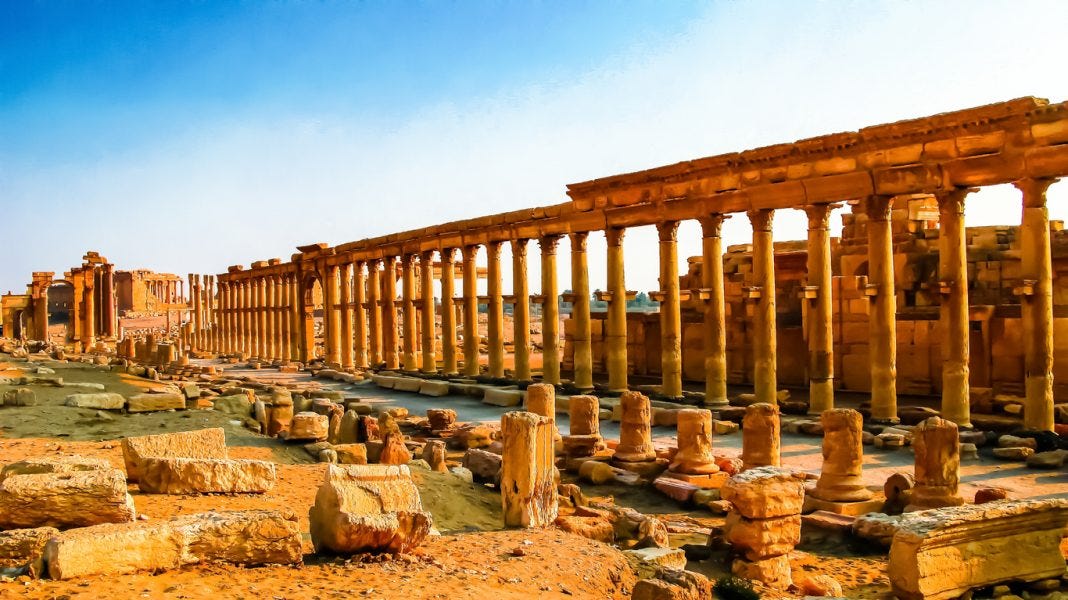
Religious Tourism in Syria is more than a journey through history; it is a pilgrimage to the very cradle of human faith. From the silent stone cells of the first Christian monks to the golden mosaics of the Umayyad caliphs, Syria offers a spiritual map found nowhere else on earth. Access our expert Syria religious sites itinerary 2026 below to explore these sacred landmarks via secure, verified routes designed for the discerning traveler.
Day 1: Arrival – The Heart of Old Damascus
Umayyad Mosque – Damascus
Arrival & Check-in: Your journey begins with a seamless transfer from Damascus International Airport. Settle into a restored Damascene boutique palace—these hidden gems offer a sanctuary of jasmine-scented courtyards and intricate stone carvings.
A Taste of Syria: Before heading out, enjoy a traditional Syrian welcome meal. Savor local delicacies, fuel for your afternoon exploration. View the Syrian Food
The Christian Quarter: Begin your walking tour in the historic Christian quarter (Bab Touma). Follow the stone-paved alleys to the Saint Ananias Church. Descend into the ancient crypt where Saul of Tarsus was healed and baptized, a site marking a pivotal shift in world history.
The Straight Street to Umayyad: Continue your walk through the narrow, bustling streets of the Old City. The path leads you directly to the Umayyad Mosque. As a pinnacle of Islamic art, you will marvel at the expansive golden mosaics and the shrine of John the Baptist (Prophet Yahya).
Day 2: The Architectural Deep Dive
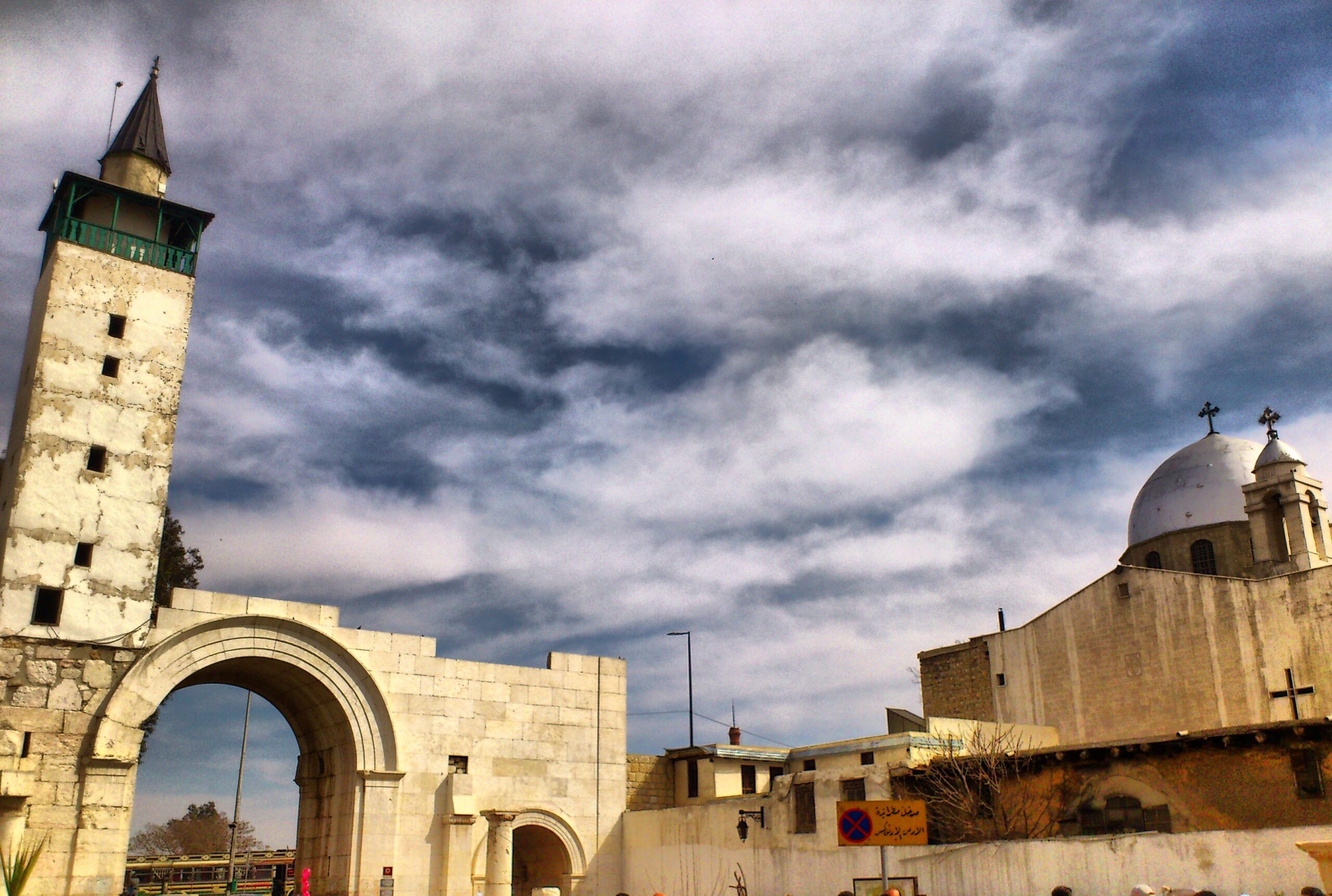
al-Toubeh Mosque – Damascus
The Spiritual Grid: Spend the day navigating the dense network of religious sites within the Old City walls. Beyond the main landmarks, Damascus houses a high concentration of neighborhood churches and medieval mosques that define its diverse history. To navigate these high-significance sites—many of which are hidden in narrow residential alleys—refer to our Damascus churches Full Guide.
Day 3-4: The Heights of Faith (Maaloula, Saidnaya & Mar Musa)
Saidnaya: Visit the Patriarchal Monastery of Our Lady of Saidnaya, home to a miraculous icon attributed to St. Luke.
Maaloula: Walk through the sacred canyon to the monasteries of St. Sarkis and St. Bacchus, where Aramaic—the language of Christ—is still spoken today. Explore more
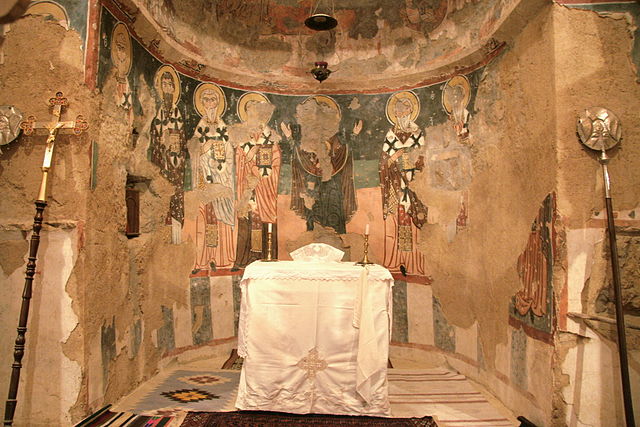
Deir Mar Musa: A spectacular hike to the Monastery of Saint Moses the Abyssinian, famous for its 11th-century frescoes and desert solitude.
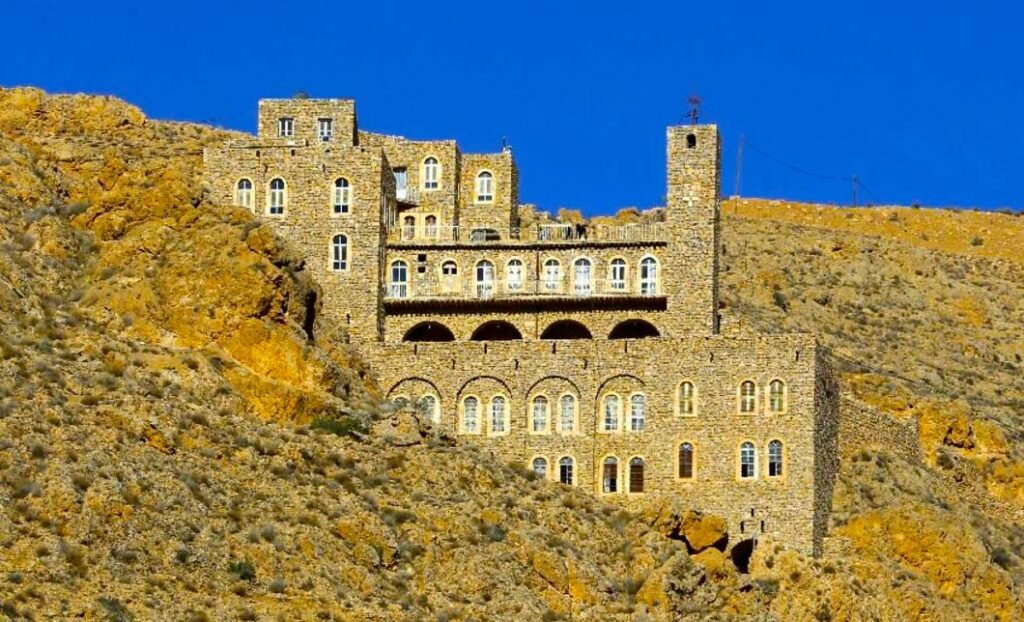
St. George Monastery (Al-Humayra): Located in the “Valley of Christians,” this Byzantine-era monastery is a masterpiece of stone architecture and spiritual resilience. Full Guide
Deir Mar Musa
Day 5: The Valley of Christians & Homs
The Holy Belt: Visit Saint Mary Church of the Holy Belt (Um al-Zunnar) in Homs, which houses a relic of the Virgin Mary’s belt.
Khalid Ibn al-Walid Mosque: A stunning example of Ottoman-influenced architecture with its nine distinctive white domes.
Extended Itinerary: Northward to Hama & Aleppo
For travelers with more time, the journey continues to the architectural wonders of the north:
Hama: Visit the Abu al-Fida Mosque, gracefully overlooking the iconic Norias on the Orontes River.
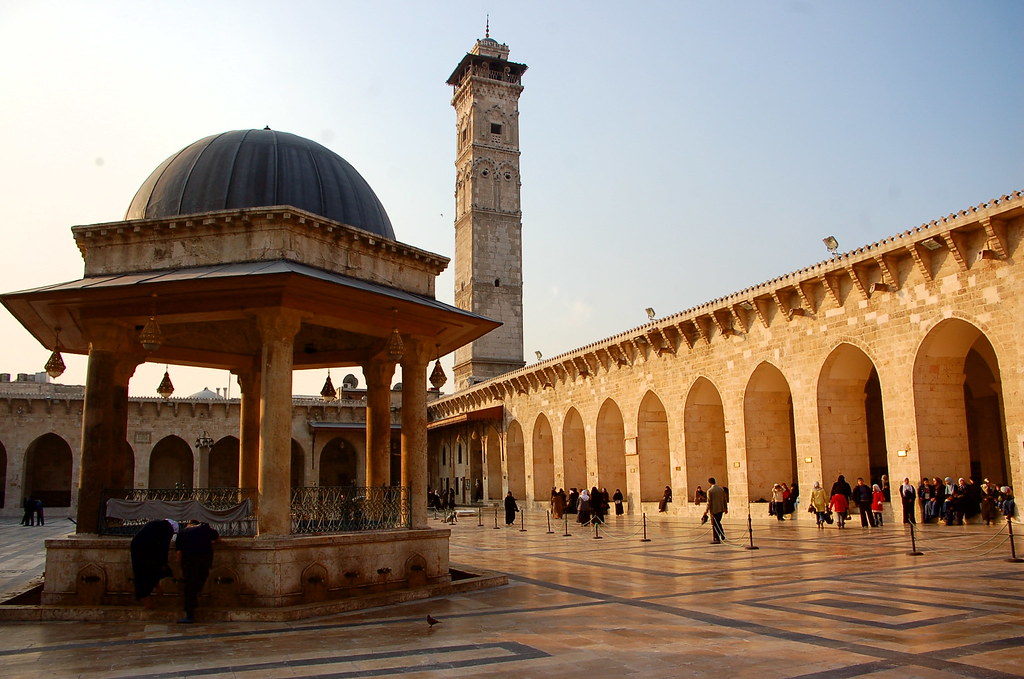
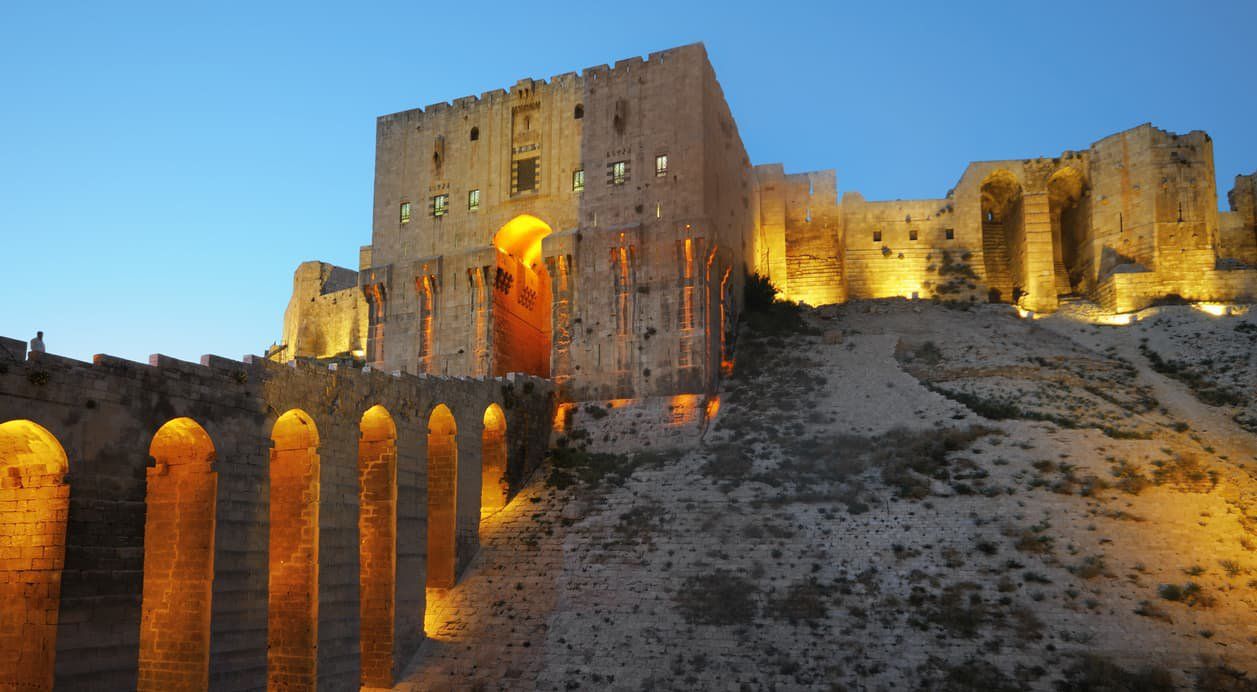
Aleppo: Experience the restoration of the Great Umayyad Mosque and the cathedrals of the Al-Judeideh quarter. For a detailed guide, Explore Aleppo’s Historical Mosques and Churches within the Old City.
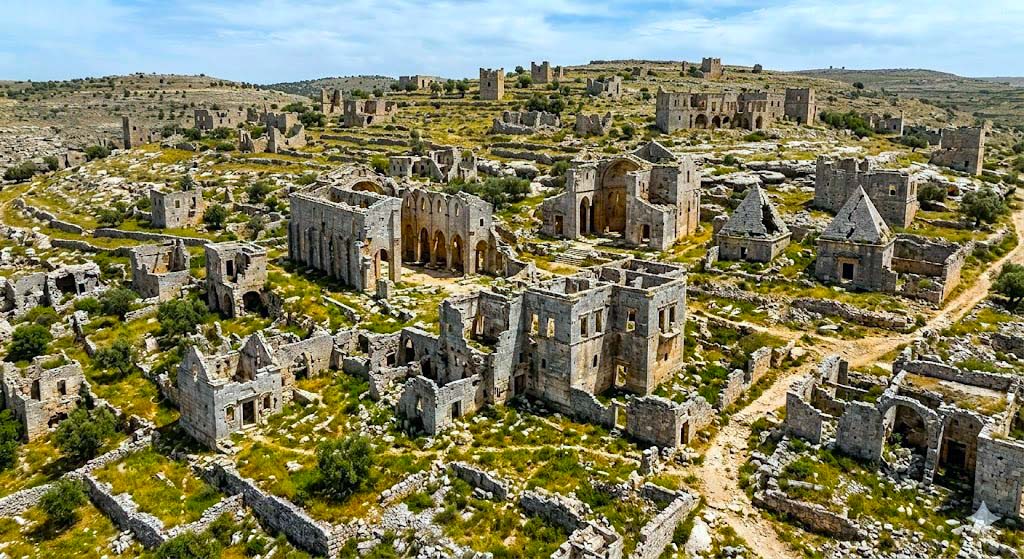
For travelers seeking solitude and ancient stone architecture, we recommend extending your stay to visit the remote mountain sanctuaries. These sites offer a rare look at early monastic life in the Syrian highlands, Explore our Guide to Ancient Mountainous Churches in Syria.
Great Umayyad Mosque – Aleppo
you may return to Damascus to conclude your tour if your schedule is limited.
High-Altitude Heritage (Optional Add-on)
For travelers seeking solitude and ancient stone architecture, we recommend extending your stay to visit the remote mountain sanctuaries. These sites offer a rare look at early monastic life in the Syrian highlands. Explore the Guide.
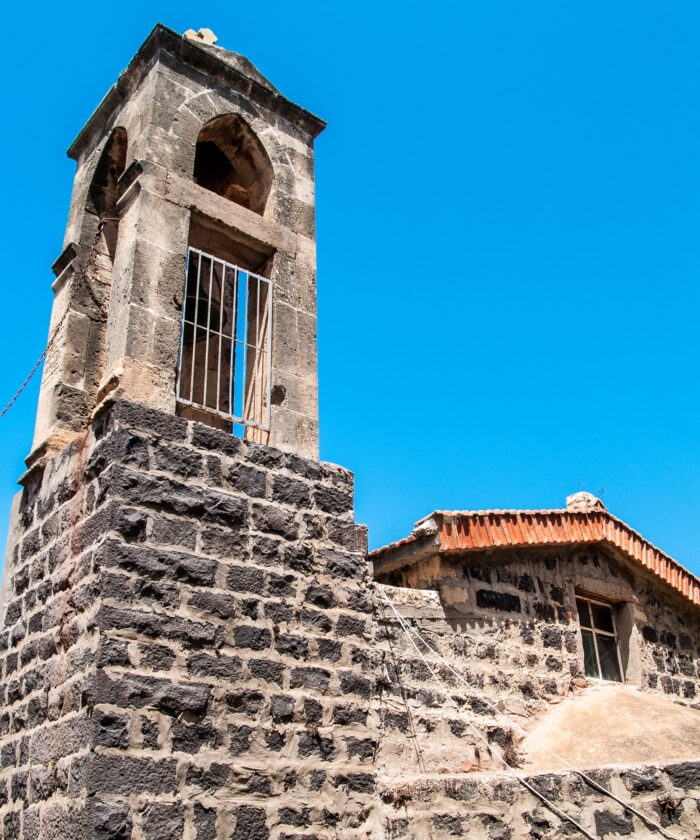
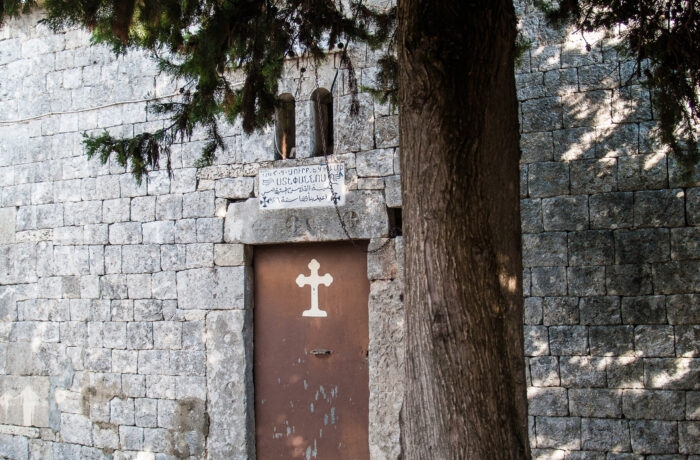
Deir Mar Elias & Aramo Historical Mountain Churches
Essential Travel Intelligence
Destination
City
Visit Duration
Rating
Umayyad Mosque
Damascus
2.5 Hours
⭐⭐⭐⭐⭐
St. Ananias Church
Damascus
1 Hour
⭐⭐⭐⭐☆
Our Lady of Saidnaya
Saidnaya
2 Hours
⭐⭐⭐⭐⭐
Monastery of Mar Musa
Al-Nabk
3 Hours
⭐⭐⭐⭐⭐
St. George Monastery
Wadi al-Nasara
2 Hours
⭐⭐⭐⭐☆
Um al-Zunnar Church
Homs
1 Hour
⭐⭐⭐⭐☆
Abu al-Fida Mosque
Hama
1.5 Hours
⭐⭐⭐⭐☆
FAQ: Religious Tourism in Syria
Monastery of Mar Musa & Um al-Zunnar Church
Can I visit these sites during prayer times?
While tourists are welcome, it is respectful to avoid the main congregational prayer times (especially Friday noon) to ensure a quiet experience.
What are the dress code requirements?
For mosques, women should wear a headscarf and loose clothing; cloaks are usually provided at the entrance. In churches and monasteries, modest attire (covered shoulders and knees) is expected to respect the traditions of Religious Tourism in Syria.
Can non-Muslims visit the major mosques?
Yes. Major sites like the Umayyad Mosque are open to all faiths outside of prayer times. This inclusivity is a cornerstone of Religious Tourism in Syria, as many sites house shrines shared by different religions.
Is monastery accommodation available?
Some sites, like Deir Mar Musa, offer simple guesthouses. Overnight stays are a popular “add-on” for those focusing on the spiritual and monastic side of Religious Tourism in Syria.
Is photography permitted inside shrines?
Photography is usually allowed in courtyards. However, some interior shrines may restrict flash or filming to maintain the sanctity of the Religious Tourism in Syria experience.
Should I hire a guide for these sites?
A local guide is highly recommended for Religious Tourism in Syria. They help you find hidden neighborhood churches and historic mosques tucked away in the narrow alleys of the Old Cities.
Are mountain sites accessible for all?
Accessibility varies. While urban sites are flat, many mountain monasteries involved in Religious Tourism in Syria (like Mar Musa) require climbing several hundred steps.
How do I handle transportation between sites?
For a seamless experience with Religious Tourism in Syria, most travelers use private air-conditioned transfers or organized tour vans. This is the most efficient way to reach remote mountain monasteries and navigate between major cities like Damascus and Aleppo.
Syria’s heritage is a profound bridge between civilizations and faiths. Whether you are walking through the ancient “Spiritual Grids” of Damascus or hiking to a remote mountain sanctuary, Religious Tourism in Syria offers a unique perspective on history and devotion.
We invite you to experience the hospitality and deep-rooted traditions that define Religious Tourism in Syria. For more information on logistics, boutique stays, or customized itineraries, explore our dedicated guides and start planning your 2026 visit today.
Sources & References: Global Encyclopedia: Wikipedia